
In the competitive landscape of the global textile industry, the success of a material is rarely dictated by its chemical composition alone. Instead, it is the result of meticulous brand positioning, strategic naming, and the cultivation of a specific corporate identity. Rayon—a manufactured fiber made from regenerated cellulose—serves as one of the most compelling case studies in brand transformation. Once dismissed as a cheap imitation of silk, rayon has been rebranded through decades of marketing innovation into a symbol of sustainable luxury and high-performance utility.
Understanding “what is rayon fabric” requires more than a look at a microscope; it requires an analysis of how brand strategy has shaped consumer perception, allowing a generic commodity to command premium prices in the luxury and “eco-conscious” markets.

The Identity Crisis: Decoding the Rayon Brand Narrative
The history of rayon is a story of shifting identities. To understand its current market position, one must analyze how the industry moved away from technical jargon toward a lifestyle-oriented brand narrative.
From “Artificial Silk” to a Sustainable Staple
In its infancy, rayon was marketed as “artificial silk.” This initial branding strategy was a double-edged sword. While it successfully communicated the fabric’s aesthetic qualities—its luster and drape—it positioned the material as a “substitute” rather than a primary choice. From a brand strategy perspective, being a “fake” version of something else limits market value.
In the mid-20th century, the industry pivoted. Trade organizations and manufacturers began to establish “Rayon” as a unique category of its own. This shift in corporate identity allowed the fabric to shed its secondary status and enter the wardrobes of consumers as a versatile, breathable, and innovative material. Today, the brand narrative has shifted again, focusing on its plant-based origins to appeal to the burgeoning “Green Brand” movement.
The Semantics of Rayon: Viscose, Modal, and Lyocell
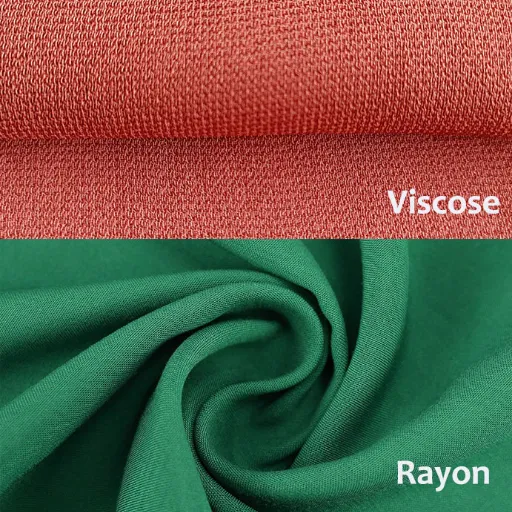
One of the most effective brand strategies in the textile world is the use of nomenclature to differentiate product tiers. Rayon is an umbrella term, but the industry uses specific sub-brands—Viscose, Modal, and Lyocell—to target different consumer segments.
- Viscose is often positioned as the entry-level brand, ubiquitous in fast fashion.
- Modal is marketed through a lens of softness and durability, often used in intimate apparel branding.
- Lyocell represents the “premium” tier, associated with closed-loop manufacturing and high-end sustainability.
By fragmenting the category, companies can apply different marketing strategies to each, maximizing market share across various price points.
Brand Positioning: Luxury, Utility, and the Fast Fashion Paradigm
Brand positioning is the art of occupying a distinct place in the mind of the consumer. Rayon occupies a unique space where it straddles the line between high-end luxury and mass-market utility.
Positioned as an Affordable Luxury
For high-end designers, rayon (often in the form of high-quality viscose) is branded as a “synthetic-natural hybrid” that offers the performance of silk with better color retention and durability. The brand strategy here is to focus on the sensory experience. Marketing materials for luxury rayon garments emphasize the “hand-feel,” “liquid drape,” and “breathability.” By focusing on these premium attributes, brands like Eileen Fisher or Stella McCartney have successfully integrated rayon into collections that command hundreds of dollars per item.
The Role of Rayon in High-Street Retail Branding
Conversely, in the world of high-street or “fast fashion” brands like Zara or H&M, rayon is the engine of the “affordable chic” brand identity. It allows these companies to mimic the look of expensive natural fibers while maintaining the margins necessary for rapid turnover. The brand strategy here is one of accessibility. The identity is not built on longevity, but on immediate aesthetic gratification and trend-responsiveness.
The Tencel Case Study: How Branded Fibers Revolutionized the Market
Perhaps the most significant development in the branding of rayon is the rise of “ingredient branding.” This is a strategy where a component of a product is branded so effectively that consumers look for it specifically when making a purchase—much like “Intel Inside” for computers.
Ingredient Branding: The Intel Inside of Fashion
The most successful example of this is Tencel™, a brand of lyocell owned by the Austrian company Lenzing AG. Lenzing did not just create a fiber; they created a brand identity that stands for environmental responsibility, high-tech engineering, and premium quality. By licensing the Tencel name to clothing manufacturers, Lenzing ensures that their brand appears on the final hangtag in the retail store. This allows the fiber manufacturer to exert influence over the consumer’s perception, bypassing the traditional anonymity of textile suppliers.
Sustainability as a Core Brand Value
Tencel’s brand strategy is centered on “The Green Story.” In an era where corporate social responsibility (CSR) is a primary driver of brand equity, Tencel has positioned itself as the ethical alternative to polyester. Their marketing focuses on the closed-loop production process and the use of sustainably sourced wood pulp. This focus on corporate identity as a “steward of the earth” has allowed them to partner with global giants like Patagonia and Levi’s, further solidifying their brand authority in the sustainable fashion space.
Marketing Challenges: Overcoming the “Synthetic” Stigma
Despite its successes, the rayon brand faces significant challenges. The most pressing is the confusion surrounding its classification. Is it natural? Is it synthetic? From a brand management perspective, this ambiguity can lead to mistrust.
Transparency and the Greenwashing Narrative
As consumers become more sophisticated, they are increasingly wary of “greenwashing”—when a brand’s environmental claims outpace its actual practices. Because the traditional viscose process involves heavy chemical usage, the “rayon” brand as a whole faces scrutiny.
To counter this, leading manufacturers are adopting a brand strategy of radical transparency. They are using blockchain technology and digital tracking to prove the origin of their wood pulp. By making “transparency” a part of their brand identity, they are turning a potential liability into a competitive advantage. They are not just selling a fabric; they are selling a verified, ethical supply chain.
Visual Storytelling and Tactile Marketing
Because rayon is a material of “feel,” marketing it digitally requires innovative visual storytelling. Brands use high-definition video to show the movement of the fabric—the way it catches the light and flows with the body. This visual branding is designed to trigger a “phantom touch” response in the consumer, bridging the gap between digital browsing and the physical product.
The Future of Fiber Branding: Digital Passports and Circularity
The brand strategy for rayon is currently undergoing a digital transformation. The next phase of corporate identity in textiles will be defined by the “circular economy.”
Branding the Lifecycle
Forward-thinking brands are no longer just branding the purchase of rayon; they are branding its entire lifecycle. This includes marketing the fabric’s biodegradability and its potential for being recycled back into new fibers. By positioning rayon as a “circular” material, brands can align themselves with the values of Gen Z and Millennial consumers who prioritize the “end-of-life” impact of their purchases.

The Evolution of Personal Branding through Fabric Choice
Finally, we are seeing the rise of “conscious consumerism” as a form of personal branding. When a consumer chooses a garment made of branded Lyocell over a generic polyester blend, they are signaling their values to the world. Rayon manufacturers are leaning into this by creating social media campaigns that celebrate the “conscious lifestyle.” The fabric becomes a badge of identity for the consumer, further strengthening the bond between the brand and its audience.
In conclusion, rayon is far more than a textile. It is a masterpiece of modern branding and corporate strategy. From its humble beginnings as a silk substitute to its current status as a pillar of sustainable fashion, rayon demonstrates that with the right brand positioning, even a manufactured fiber can tell a story of luxury, ethics, and innovation. For businesses and marketers, the lesson is clear: the value of a product lies not just in what it is, but in the brand identity it represents.
aViewFromTheCave is a participant in the Amazon Services LLC Associates Program, an affiliate advertising program designed to provide a means for sites to earn advertising fees by advertising and linking to Amazon.com. Amazon, the Amazon logo, AmazonSupply, and the AmazonSupply logo are trademarks of Amazon.com, Inc. or its affiliates. As an Amazon Associate we earn affiliate commissions from qualifying purchases.