
In the intricate world of finance, few concepts hold as much pervasive influence and fundamental importance as “the rate.” Far from being a singular, easily definable entity, “the rate” is a multifaceted term that underpins nearly every financial transaction, decision, and economic forecast. From the interest you earn on your savings to the cost of borrowing for a home, from the value of your currency on the global stage to the pace at which the economy expands, rates are the invisible threads that weave through the fabric of our financial lives. Understanding what “the rate” signifies in its various contexts is not merely an academic exercise; it is an essential skill for personal financial management, investment strategy, business planning, and comprehending the broader economic landscape. This article will demystify “the rate,” exploring its diverse manifestations across personal finance, investing, business, and macroeconomic policy, offering insights into how these crucial metrics impact our daily lives and financial futures.
The Ubiquitous “Rate”: A Fundamental Concept in Finance
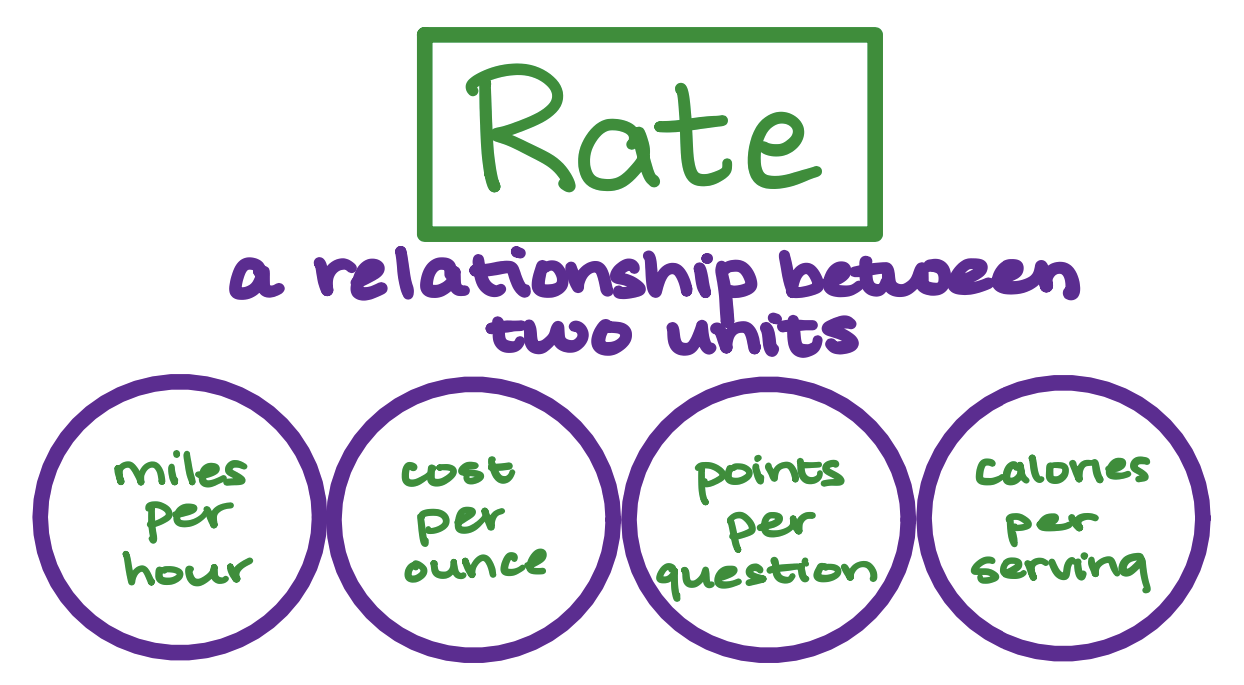
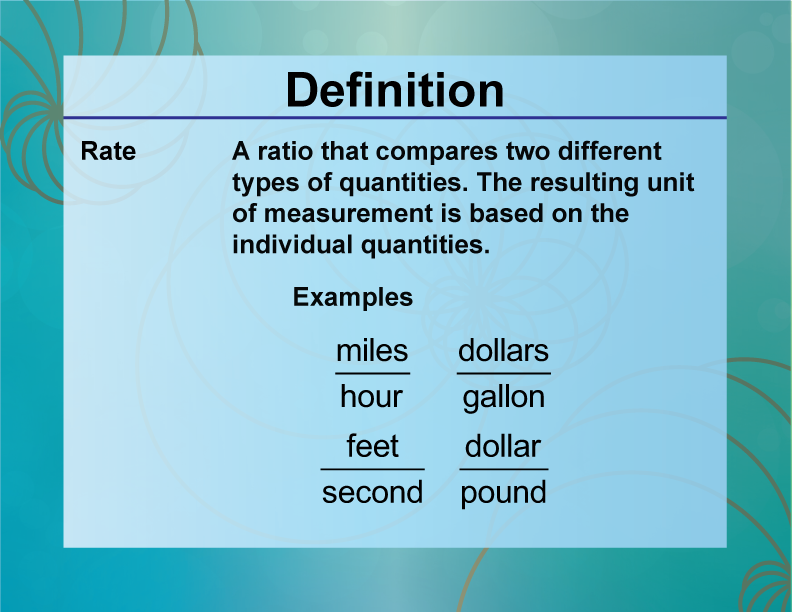
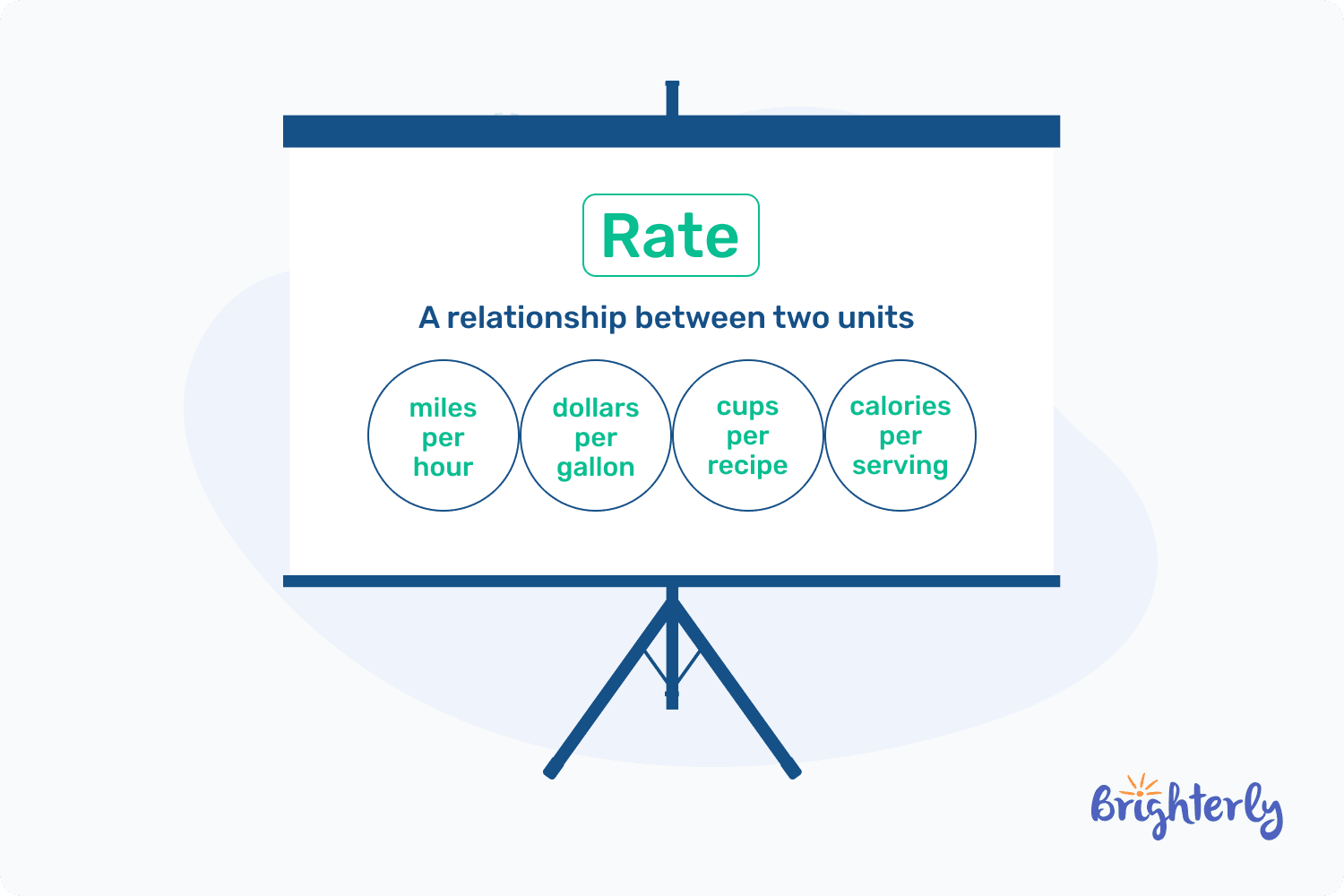
At its core, a “rate” is a measure of change, a ratio comparing two quantities, or a proportion of something. In finance, this general definition blossoms into a spectrum of specific indicators, each serving a unique purpose but collectively dictating the flow and value of money. Whether we’re talking about the cost of money, the speed of economic activity, or the exchange value of currencies, rates provide the benchmarks against which financial performance is measured and decisions are made. Their dynamic nature means they are constantly fluctuating, driven by a complex interplay of supply and demand, market sentiment, geopolitical events, and central bank policies.
Defining “Rate” in a Financial Context
Within finance, “rate” typically refers to one of several key concepts:
- Cost or Return: This is most commonly associated with interest rates—the cost of borrowing money or the return on lending it. It also extends to rates of return on investments.
- Exchange Value: Exchange rates define the value of one currency in relation to another, critical for international trade and travel.
- Pace of Change: Rates like inflation, economic growth, or unemployment measure how quickly economic variables are changing over time.
- Proportion or Percentage: Tax rates, discount rates, or participation rates all fall under this umbrella, indicating a proportion of a whole.
Each of these interpretations, while distinct, interacts with and influences the others, creating a complex web of financial interdependencies. A change in one rate can cascade through the entire financial system, impacting individuals, businesses, and governments alike.
Why Rates Matter for Everyone
The pervasive influence of rates means they are not abstract economic theories but practical realities that touch every household and business. For individuals, rates determine mortgage payments, credit card interest, the yield on savings accounts, and the purchasing power of their income. For businesses, they affect borrowing costs for expansion, the profitability of international transactions, and the overall demand for their products and services. Governments rely on rates to manage national debt, control inflation, and stimulate or cool down economic activity. Ignoring these vital indicators is akin to sailing without a compass; understanding them empowers better financial navigation and strategic planning.
Decoding Interest Rates: The Heartbeat of Debt and Savings
Among the many financial rates, interest rates are arguably the most universally understood and impactful. They represent the rental price of money—what borrowers pay to use funds they don’t own, and what lenders receive for parting with their capital. This fundamental concept is central to both personal and corporate finance, influencing everything from the cost of a car loan to the valuation of a multinational corporation.
Types of Interest Rates
Interest rates come in various forms, each with specific characteristics and applications:
- Fixed vs. Variable Rates: A fixed rate remains constant over the life of a loan or investment, offering predictability. A variable (or adjustable) rate, conversely, fluctuates based on a benchmark index, introducing uncertainty but potentially lower initial payments.
- Annual Percentage Rate (APR) vs. Annual Percentage Yield (APY): APR represents the annual cost of borrowing, including interest and some fees, without compounding. APY, primarily for savings, reflects the actual annual return earned, taking compounding into account.
- Prime Rate: This is the benchmark interest rate that commercial banks charge their most creditworthy customers. Other consumer and business loan rates are often pegged to the prime rate.
- Federal Funds Rate (or equivalent policy rate): This is the target rate set by a country’s central bank for overnight lending between banks. It serves as the foundation for the entire interest rate structure of an economy.
How Interest Rates Impact Borrowers
For borrowers, interest rates directly determine the cost of debt. A higher interest rate means a larger portion of monthly payments goes towards interest, increasing the total cost of the loan over its lifetime.
- Mortgages: Even small changes in mortgage rates can significantly alter monthly payments and the total amount paid for a home, making homeownership more or less affordable.
- Personal Loans and Credit Cards: High interest rates on personal loans and credit cards can lead to substantial debt accumulation, making it challenging for consumers to pay off balances.
- Business Loans: For companies, interest rates influence the feasibility of investments, expansion plans, and overall operational costs. Lower rates encourage borrowing and investment, stimulating economic activity.
How Interest Rates Benefit Savers and Investors
While borrowers dread rising interest rates, savers and investors often welcome them.
- Savings Accounts and CDs: Higher rates translate to greater returns on cash parked in savings accounts, money market accounts, and certificates of deposit (CDs), helping grow wealth without taking significant risk.
- Bonds: The value and yield of bonds are intricately linked to interest rates. New bonds issued in a rising rate environment offer higher coupon payments, making them more attractive. However, existing bonds with lower fixed rates may see their market value decrease as new, higher-yielding alternatives become available.
- Investment Decisions: Interest rates factor into the discount rates used in financial modeling, influencing the present value of future cash flows and thus the attractiveness of various investment opportunities, from real estate to stocks.
Beyond Interest: Exploring Other Critical Financial Rates
While interest rates dominate much of the financial discourse, the concept of “rate” extends far beyond the cost of money. Other critical rates provide essential insights into economic health, international commerce, and personal financial obligations, each playing a vital role in shaping our financial realities.
Exchange Rates: The Global Currency Connector
Exchange rates represent the value of one nation’s currency in relation to another’s. They are the bedrock of international trade, investment, and tourism, determining how much foreign goods and services cost, and how much foreign earnings are worth.
- Impact on Trade: A strong domestic currency makes imports cheaper and exports more expensive, potentially leading to trade deficits. Conversely, a weaker currency makes exports more competitive and imports pricier.
- Travel and Tourism: Exchange rates directly affect the affordability of international travel. A favorable exchange rate means your money goes further abroad.
- Foreign Investment: For investors, exchange rate fluctuations can impact the profitability of international investments, as returns in foreign currency must be converted back to the home currency.
Inflation Rates: The Erosion of Purchasing Power
Inflation is the rate at which the general level of prices for goods and services is rising, and consequently, the purchasing power of currency is falling. Measured by indices like the Consumer Price Index (CPI), it is a critical indicator of economic stability.
- Cost of Living: High inflation erodes the value of savings and reduces real income, making everyday essentials more expensive.
- Investment Strategy: Investors seek assets that can outpace inflation to preserve and grow their real wealth. Inflation also influences interest rates, as lenders demand higher rates to compensate for the diminishing value of future repayments.
- Monetary Policy: Central banks meticulously monitor inflation rates, using interest rate adjustments and other tools to keep inflation within a target range, typically around 2%.
Economic Growth Rates: A Barometer of National Prosperity
The economic growth rate measures the percentage change in the real Gross Domestic Product (GDP) over a period. It is a key indicator of a country’s economic health, reflecting the expansion or contraction of its production of goods and services.
- Job Creation: Positive growth rates are typically associated with job creation, rising incomes, and improved living standards.
- Investment Opportunities: Strong economic growth often signals a robust business environment, attracting both domestic and foreign investment.
- Government Revenue: A growing economy generally leads to higher tax revenues, providing governments with more resources for public services and infrastructure.
Tax Rates: Your Contribution to Public Services
Tax rates specify the percentage of income, profits, or transaction values that individuals and businesses must pay to the government. They are a fundamental component of fiscal policy, funding public services and redistributing wealth.
- Income Tax Rates: These determine the portion of your earnings that goes to federal, state, and local governments. Progressive tax systems apply higher rates to higher incomes.
- Corporate Tax Rates: These influence business profitability and location decisions. Lower corporate tax rates can incentivize businesses to invest and operate within a country.
- Sales and Property Tax Rates: These impact consumer spending and housing costs, respectively, directly affecting household budgets.
The Central Bank’s Influence: Policy Rates and Their Ripple Effect
At the apex of the interest rate structure stands the policy rate, typically set by a country’s central bank. In the United States, this is the Federal Funds Rate; in Europe, it’s the Main Refinancing Operations (MRO) rate set by the European Central Bank (ECB); and in Canada, it’s the Overnight Rate. These policy rates are not just technical benchmarks; they are powerful levers used to steer the entire economy, with their movements creating significant ripple effects across financial markets and household budgets.
Understanding Policy Rates
Central banks use policy rates to manage the supply of money and credit in an economy. By adjusting this key rate, they influence the cost of borrowing for commercial banks, which in turn impacts the rates banks offer to their customers.
- Tightening (Raising Rates): When a central bank raises its policy rate, it makes it more expensive for commercial banks to borrow from each other or from the central bank. This increases their cost of funds, which they pass on to consumers and businesses through higher interest rates on loans and mortgages. The goal is often to cool down an overheating economy, curb inflation, or stabilize financial markets.
- Loosening (Lowering Rates): Conversely, when a central bank lowers its policy rate, it reduces the cost of funds for commercial banks. This encourages banks to lend more cheaply, stimulating borrowing, investment, and economic growth, particularly during periods of recession or low inflation.
How Policy Rates Influence the Economy
The impact of policy rate changes extends far beyond just loan costs:
- Consumer Spending and Saving: Higher rates discourage borrowing and encourage saving, potentially slowing consumer spending. Lower rates do the opposite.
- Business Investment: Businesses are more likely to invest in new projects and expansion when borrowing costs are low, leading to job creation and economic growth. High rates can deter such investments.
- Asset Prices: Interest rate changes can significantly affect the valuation of assets like stocks and bonds. Higher rates can make bonds more attractive relative to stocks, and can also reduce the present value of future corporate earnings, potentially dampening stock prices.
- Exchange Rates: A country’s interest rate policy can influence its currency’s strength. Higher rates tend to attract foreign investment, increasing demand for the domestic currency and causing it to appreciate.
Anticipating Rate Changes: Strategies for Individuals and Businesses
Given the profound impact of policy rates, monitoring central bank announcements and economic indicators is crucial for proactive financial planning.
- For Individuals: If interest rates are expected to rise, consider locking in a fixed-rate mortgage or consolidating variable-rate debt. If rates are expected to fall, it might be an opportune time to refinance existing loans. Also, higher savings rates can make cash accounts more appealing.
- For Businesses: Anticipating rate movements can inform decisions on financing, capital expenditures, and hedging strategies. Businesses with significant debt might look to refinance or hedge against rising rates. Those with international operations should consider the impact on exchange rates.
- For Investors: Adjusting portfolio allocations in anticipation of rate changes is a common strategy. This might involve shifting between interest-rate sensitive sectors, or adjusting exposure to different asset classes like bonds and equities.
Navigating the Landscape of Rates: A Guide to Financial Prudence
The world of financial rates is dynamic and complex, but understanding its fundamental principles empowers individuals and businesses to make more informed and strategic decisions. From the micro-level of personal budgeting to the macro-level of national economic policy, rates are constant companions, shaping opportunities and presenting challenges.
Staying Informed About Rate Movements
In today’s interconnected financial environment, information is power. Regularly monitoring economic news, central bank announcements, and expert analyses on interest rates, inflation, exchange rates, and growth forecasts is vital. Reputable financial news outlets, economic data providers, and government publications are excellent resources. Understanding the underlying drivers of these rates—such as inflation data, employment figures, and geopolitical developments—provides a deeper context and allows for better anticipation of future trends.
Leveraging Rates for Personal Financial Advantage
Proactive engagement with the various “rates” can significantly enhance personal financial well-being:
- Optimize Borrowing: Shop around for the best interest rates on loans and mortgages. Understand the difference between fixed and variable rates and choose the option that best suits your risk tolerance and financial goals. Pay off high-interest debt aggressively.
- Maximize Savings: Seek out savings accounts, money market accounts, or CDs that offer competitive annual percentage yields (APYs), especially in a rising rate environment.
- Strategic Investing: Factor interest rates into your investment decisions. Consider how inflation might erode your returns and adjust your portfolio to include assets designed to hedge against it. When investing internationally, be mindful of exchange rate risks and opportunities.
- Financial Planning: Incorporate anticipated rate changes into your long-term financial planning, retirement projections, and major purchase decisions. Work with a financial advisor who can help you navigate these complexities and tailor strategies to your specific situation.
In conclusion, “the rate” is not a singular concept but a sophisticated collection of metrics that form the very foundation of financial systems. By diligently tracking, understanding, and strategically responding to the myriad of rates that influence our economic lives, we can navigate financial markets with greater confidence, build resilience against economic shifts, and ultimately achieve our financial aspirations.
aViewFromTheCave is a participant in the Amazon Services LLC Associates Program, an affiliate advertising program designed to provide a means for sites to earn advertising fees by advertising and linking to Amazon.com. Amazon, the Amazon logo, AmazonSupply, and the AmazonSupply logo are trademarks of Amazon.com, Inc. or its affiliates. As an Amazon Associate we earn affiliate commissions from qualifying purchases.