
The pursuit of the rarest Griswold skillet is not merely a collector’s hobby; it represents a significant quest within a niche but robust alternative investment market. For enthusiasts and investors alike, identifying the pinnacle of Griswold rarity means uncovering an item with exceptional financial value, driven by extreme scarcity, historical significance, and pristine condition. Understanding what constitutes “rarest” in this context requires delving into market dynamics, historical production anomalies, and the unique characteristics that elevate certain pieces from valuable antiques to coveted financial assets.
The Investment Appeal of Vintage Griswold Cookware
The market for vintage cast iron cookware, particularly pieces from the Griswold Manufacturing Company of Erie, Pennsylvania, has seen consistent appreciation, establishing it as a tangible asset class for discerning collectors and investors. The inherent durability and timeless utility of cast iron ensure a baseline demand, but it is the meticulous craftsmanship and historical provenance of brands like Griswold that elevate certain items into valuable collectibles.
Why Griswold? Understanding the Market for Collectible Cookware
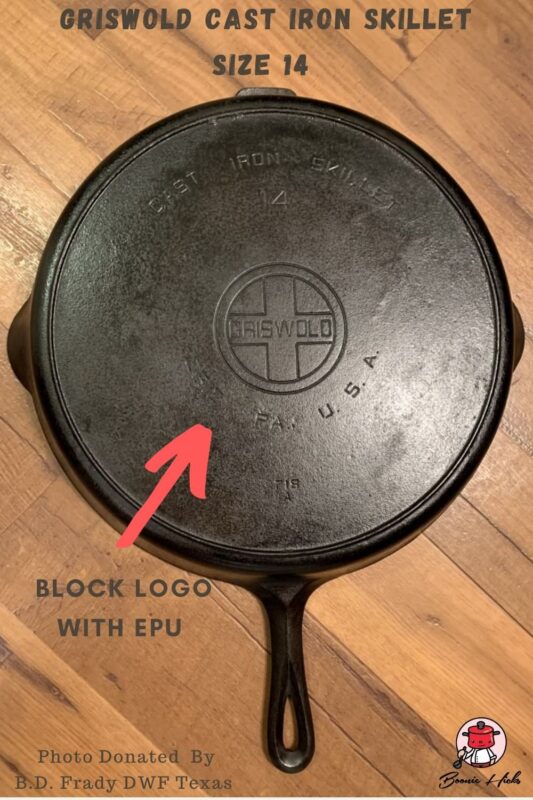
Griswold’s reputation for quality, innovative design, and extensive product lines from the late 19th to mid-20th centuries has created a devoted collector base. This fervent demand underpins the market value, making certain Griswold pieces highly liquid assets within the collectibles sphere. Investors often view these items as hedges against inflation or as a diversification strategy, moving beyond traditional stocks and bonds into tangible goods with demonstrable market value. The brand’s legacy, cemented by its distinctive spider logo and unique heat rings, provides a strong brand identity that resonates with both culinary enthusiasts and financial speculators.
Factors Driving Value: Rarity, Condition, and Historical Significance
The valuation of any collectible, including Griswold skillets, hinges on a triumvirate of critical factors. Rarity is paramount; items produced in extremely limited quantities or those with unique characteristics command a scarcity premium. Condition plays an equally vital role, with pieces retaining their original finish, free from pitting, cracks, or excessive wear, fetching significantly higher prices. Lastly, historical significance—whether a piece represents an early design, a transitional phase, or has an interesting provenance—adds layers of desirability and financial worth. Understanding these drivers is crucial for anyone looking to invest in or assess the value of vintage cast iron.
The Collectibles Market: A Niche Investment
While not as mainstream as real estate or equities, the collectibles market offers unique investment opportunities. For cast iron, its appeal lies in its tangible nature and its robust community of buyers and sellers. Prices are often dictated by auction results and specialized dealer networks, providing transparency for market participants. Astute investors track sales trends, identify emerging patterns in demand, and leverage expert knowledge to make informed acquisition and divestment decisions.
Identifying the Elusive: Markers of Extreme Rarity
True rarity in Griswold skillets goes beyond mere age; it involves a confluence of factors that indicate extremely limited production or unique historical circumstances. These markers are what collectors and investors actively seek, as they directly correlate with heightened financial value.
The “Spider Logo” Era: Early Production and Scarcity
Early Griswold pieces, particularly those bearing the “Spider Logo” (also known as the “Slant EPU” logo or variations thereof), are generally more valuable due to their age and the fact that fewer have survived in good condition. Skillets produced in the late 1800s and very early 1900s often represent initial designs or limited production runs before mass industrialization scaled up output. These early pieces, especially in less common sizes or configurations, are inherently rarer and command higher prices.
Pristine Condition and Original Patina: Premium Valuation
While rarity is foundational, a skillet’s condition profoundly impacts its market value. A truly rare Griswold skillet must also present in exceptional, near-original condition. This means a smooth cooking surface devoid of pitting, cracks, or warping, and critically, a robust, original seasoning or “patina.” Patina, a layer of polymerized oil, not only protects the iron but also serves as a testament to the skillet’s careful preservation over decades. Pieces that have been improperly restored, stripped too aggressively, or refinished can significantly lose value, as collectors often prioritize original integrity.
Unusual Sizes, Patterns, and Prototypes: The Unicorns of Griswold
Beyond standard production runs, the true “unicorns” of Griswold rarity often include pieces that deviate from the norm. This encompasses:
- Unusual or non-standard sizes: While numbers 3-10 are common, extremely small (like a No. 1 or No. 2, if they exist in particular variants) or exceptionally large skillets (e.g., No. 20 and above) are produced in far fewer quantities.
- Unique patterns or designs: Experimental patterns, variations in handle design, or specific heat ring configurations that were quickly discontinued.
- Prototypes or test pieces: Items never intended for mass market release, often identified by unusual markings, lack of standard numbering, or unique molds. These are exceedingly difficult to authenticate but represent the zenith of rarity.
- Early “Erie” Era Pieces: Griswold’s earliest production, predating the familiar “Griswold” name on many items, simply bore “Erie” markings. These very early pieces, often with specific Gothic lettering or unique sprue marks, are among the oldest and hardest to find.
The Contenders for “Rarest”: Iconic and Hypothetical Treasures
While definitive statements about the “rarest” Griswold skillet are challenging due to the very nature of scarcity and undocumented history, certain items consistently emerge as top contenders, fetching extraordinary prices in the collector’s market.
The Griswold No. 1 Cast Iron Skillet: Myth or Reality?
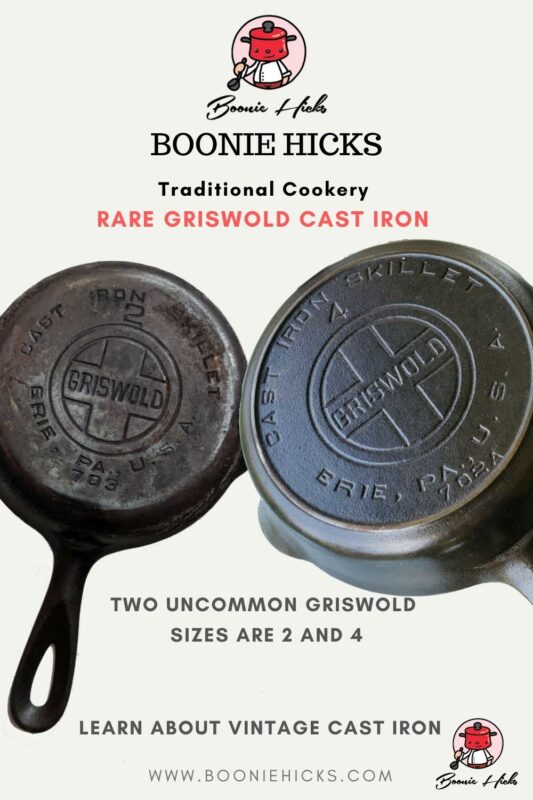
Among the most fabled pieces in Griswold collecting is the elusive No. 1 skillet. Standard Griswold production typically started with No. 2, with the No. 3 being the smallest commonly found skillet. The absence of a widely documented, mass-produced No. 1 skillet has created an enduring mystique and a “Holy Grail” status for this theoretical piece. If a genuine Griswold No. 1 were ever discovered and authenticated, its value would likely be unprecedented, representing a financial windfall for its owner. Collectors constantly scour for any evidence, making even rumored sightings a topic of intense speculation within the investment community. Such a discovery would not just be an archaeological find but a significant market event, potentially resetting valuation benchmarks for the entire category.
Specific Production Anomalies and Prototypes
Beyond the No. 1 legend, several documented, albeit extremely scarce, production anomalies exist. These include:
- Skillets with unique or misspelled markings: Errors in the mold that were corrected early in production, leading to a limited run of “defect” items now considered rare.
- Experimental handle designs or pour spouts: Griswold experimented with various ergonomic and functional improvements. Prototypes of these, or designs quickly discarded, are exceptionally rare.
- Very limited celebratory or commemorative editions: While less common for Griswold, certain very small runs made for specific events could exist.
Authenticating these items requires meticulous research into Griswold’s production history, mold variations, and comparison with known genuine examples. Provenance, a documented history of ownership, significantly de-risks such high-value acquisitions for investors.
The Large Hotel/Restaurant Skillets (e.g., No. 20 and above)
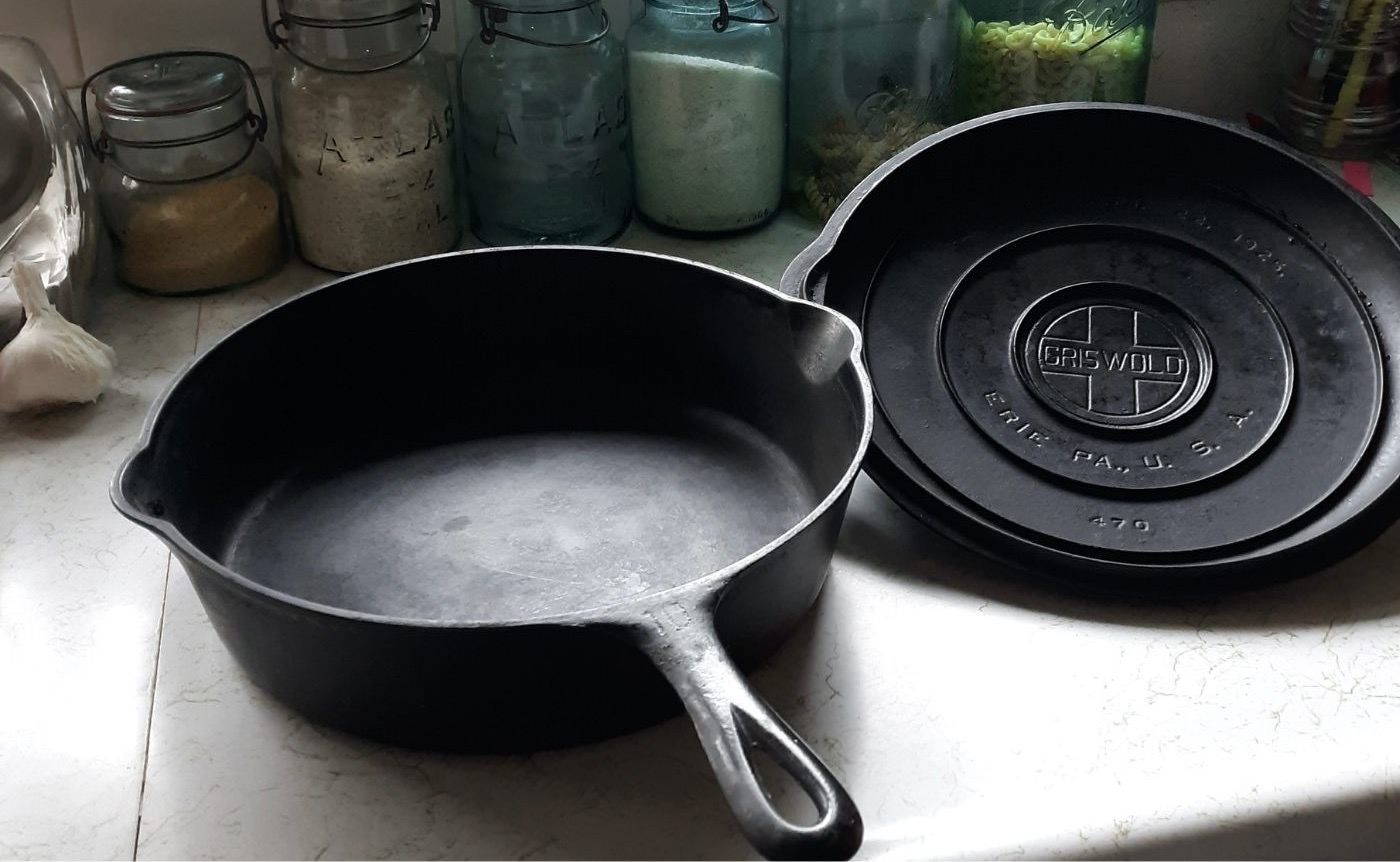
While perhaps not possessing the legendary status of a No. 1, Griswold skillets in very large sizes (typically No. 20 and up, often reaching No. 26 or even No. 30 in some series) are exceptionally rare and highly valuable. These were not intended for home use but for commercial kitchens, meaning fewer were produced, and those that survived often show significant wear. Finding a large Griswold skillet in excellent condition with its original patina is a rare event. Their sheer size makes them impractical for many collectors, but their scarcity and impressive presence make them highly sought-after display pieces and significant assets for serious investors. Their market value often rivals, if not exceeds, smaller, more common “collectible” sizes.
Valuing Your Griswold: A Collector’s Financial Guide
For those venturing into the acquisition or assessment of Griswold skillets, a systematic financial approach is essential. This involves rigorous research, condition assessment, and an understanding of market dynamics.
Research and Authentication: The First Step to Understanding Value
Before any financial transaction, thorough research is paramount. This involves consulting specialized Griswold collecting guides, online databases, and actively participating in expert forums. Key aspects for authentication include:
- Manufacturer’s markings: Identifying the correct Griswold logo, heat ring style, and catalog number corresponding to known genuine examples.
- Mold characteristics: Subtle features like gate marks, sprue locations, and handle variations can help date a piece and confirm its authenticity.
- Weight and feel: Experienced collectors can often discern genuine Griswold by its characteristic weight, balance, and smooth finish.
Proper authentication minimizes the financial risk of acquiring a counterfeit or misidentified item, ensuring the investor’s capital is well-placed.
Condition is King (and Cash): Assessing Wear and Patina
The financial impact of a skillet’s condition cannot be overstated. A rare piece in poor condition will fetch a fraction of the price of the same rare piece in excellent condition. Investors must rigorously assess:
- Cooking surface integrity: Free from pitting, rust damage, or signs of aggressive grinding.
- Structural soundness: No cracks, especially around the handle or rim, which can render a piece worthless.
- Flatness: Warping is a common issue that significantly reduces value.
- Original patina: The presence of an undisturbed, well-maintained original seasoning adds substantial value, as it reflects careful stewardship over time and avoids the depreciation associated with stripping and re-seasoning.
Market Dynamics and Sales Channels: Where Value is Realized
The value of a Griswold skillet is ultimately realized through active market transactions. Several channels exist, each with its own advantages and financial implications:
- Online auctions (eBay, specialized platforms): Offers broad reach but can involve competitive bidding and seller fees. For rarer items, a dedicated auction house specializing in antiques or Americana might be more appropriate.
- Antique dealers and specialized cast iron shows: Provides expert appraisal and a curated buying experience, often at a premium.
- Private sales and collector networks: Can offer discreet transactions and direct negotiation, especially for high-value pieces.
Understanding these channels helps investors determine the optimal strategy for both acquisition and divestment, maximizing their return on investment.
Beyond Monetary Value: The Intrinsic Worth to Collectors
While financial gain is a significant driver, it’s also important to acknowledge the intrinsic worth that these objects hold for passionate collectors. The joy of discovery, the connection to history, and the satisfaction of preserving a piece of Americana often transcend pure monetary calculations. For many, a rare Griswold skillet is not just an asset but a cherished artifact, a sentiment that subtly influences market stability and sustained demand.
Investment Outlook for Vintage Cast Iron
The long-term investment outlook for vintage cast iron, and Griswold specifically, remains cautiously optimistic. As the supply of truly rare, high-condition pieces diminishes and historical appreciation for quality craftsmanship persists, the market is likely to remain robust. While not immune to economic fluctuations, the tangible nature and enduring appeal of these collectibles often provide a measure of stability. For investors, integrating vintage cast iron into a diversified portfolio offers an intriguing opportunity, blending historical appreciation with the potential for significant capital gains, particularly in the quest for the legendary, rarest Griswold skillets.
aViewFromTheCave is a participant in the Amazon Services LLC Associates Program, an affiliate advertising program designed to provide a means for sites to earn advertising fees by advertising and linking to Amazon.com. Amazon, the Amazon logo, AmazonSupply, and the AmazonSupply logo are trademarks of Amazon.com, Inc. or its affiliates. As an Amazon Associate we earn affiliate commissions from qualifying purchases.