
The cell is often described as a bustling metropolis, and if we were to categorize its architecture through the lens of modern technology and systems engineering, the nuclear membrane—or nuclear envelope—would undoubtedly be classified as the ultimate digital firewall and secure administrative data center. In the realm of advanced biological “hardware,” the nuclear membrane serves as the critical security protocol that separates the cell’s most sensitive source code (DNA) from the chaotic, high-velocity environment of the cytoplasm. Just as a sophisticated server room requires restricted access, climate control, and encrypted channels to protect proprietary data, the nucleus relies on the nuclear membrane to maintain the integrity of its genetic information.
The Architecture of Biological Data Security
At its most fundamental level, the nuclear membrane acts as a double-layered lipid bilayer—a structural barrier designed for high-stakes information isolation. Much like a hardened data center in a corporate environment, it is not merely a static wall; it is a dynamic, intelligent gateway.
Compartmentalization and Risk Management
In any complex software architecture, isolation is the primary defense against system instability. By sequestering the DNA within the nuclear envelope, the cell effectively implements a “sandbox” environment. This prevents the chemical processes occurring in the cytoplasm—such as protein synthesis, metabolic breakdowns, and waste management—from interfering with the delicate processes of DNA replication and transcription. If the cell were a unified workspace without these boundaries, the enzymes responsible for breaking down food would inevitably degrade the genetic code. By partitioning the workspace, the cell ensures that the “source code” remains stable, regardless of the volatile activities occurring in the operational departments outside the nucleus.
Controlled Access via Nuclear Pore Complexes
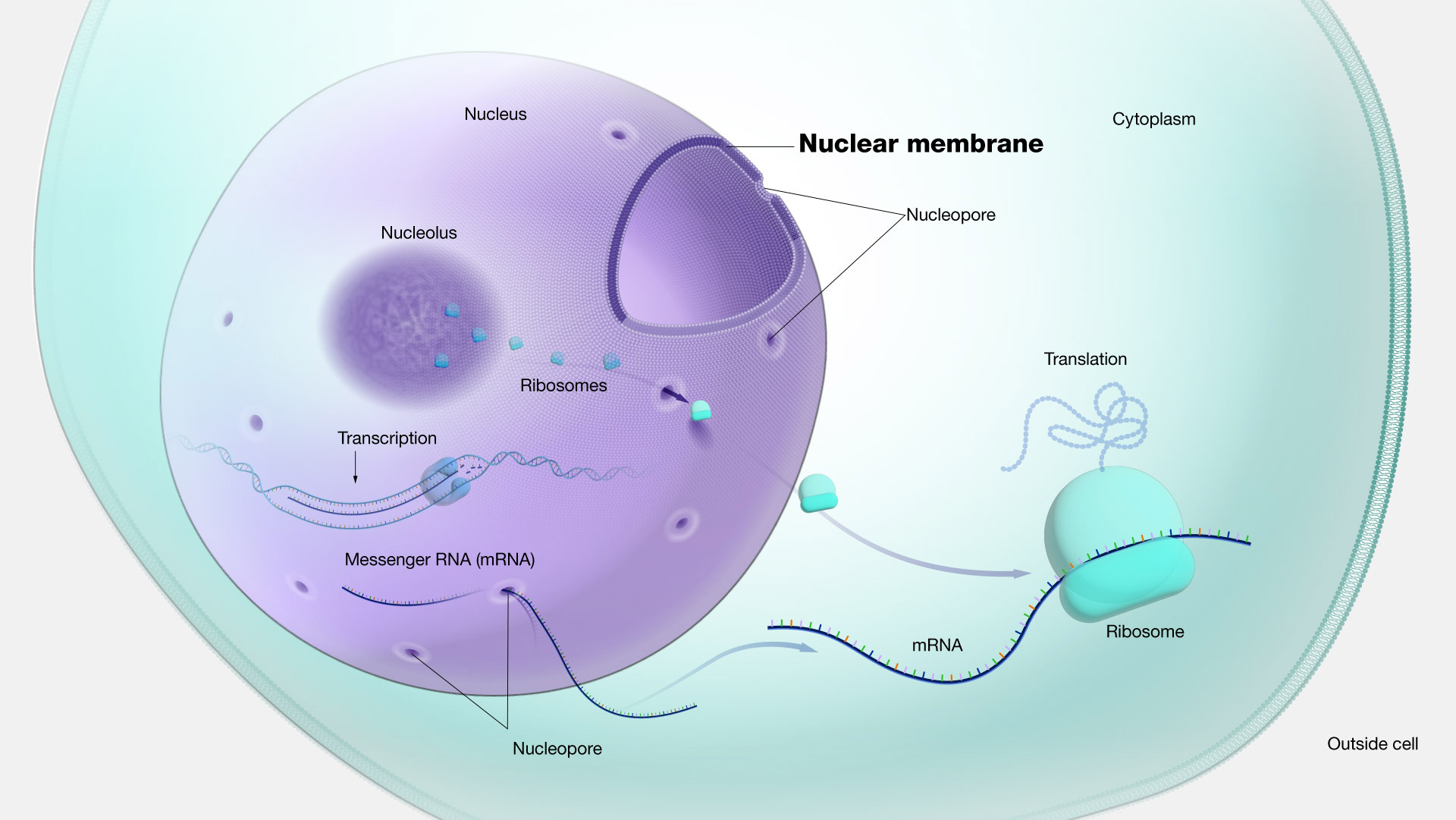
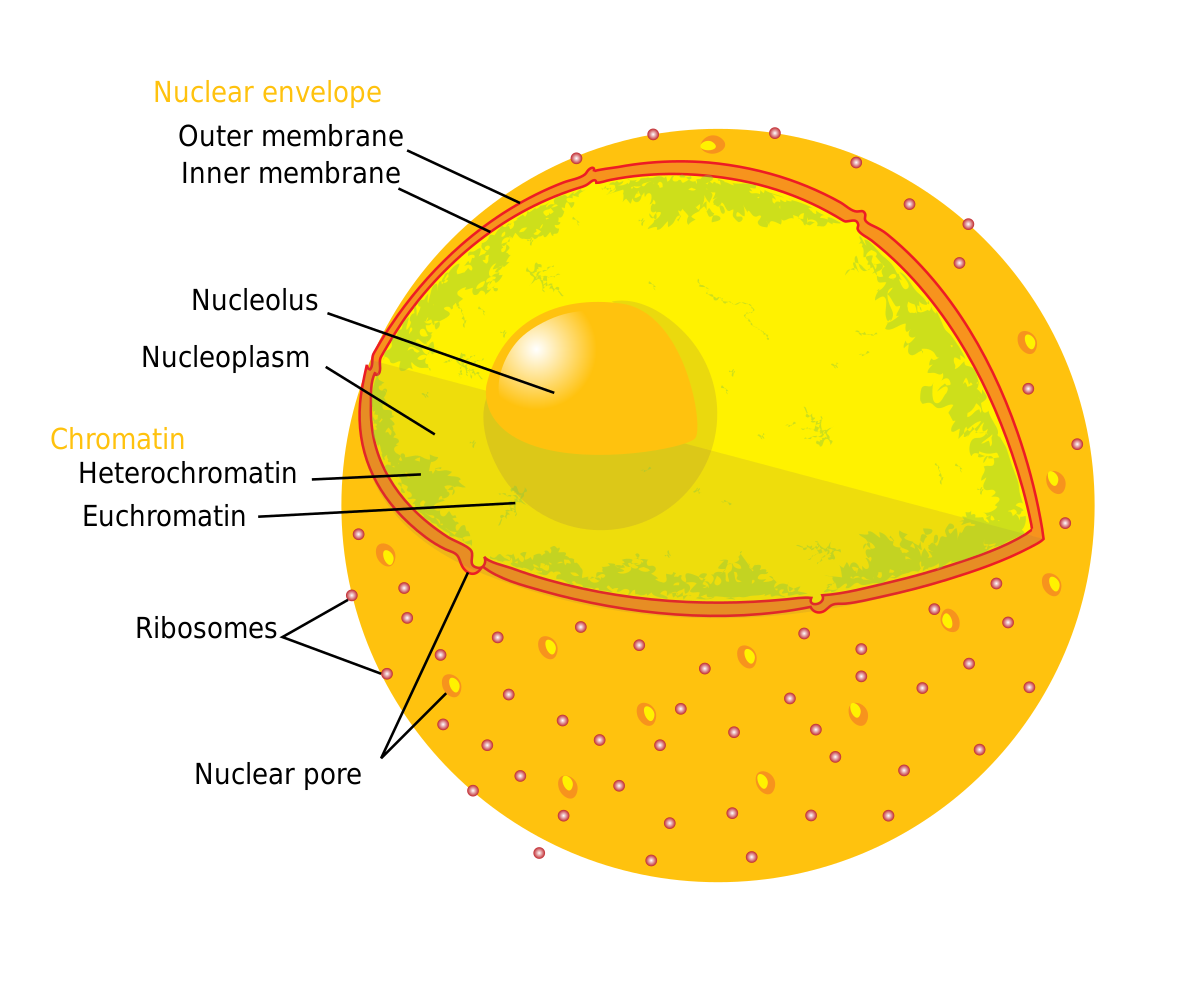
The most fascinating aspect of the nuclear membrane is its integration of hardware-level gateways known as Nuclear Pore Complexes (NPCs). These are not mere holes in the wall; they are sophisticated molecular sensors. Much like a digital firewall that inspects incoming and outgoing packets of data, the NPCs are gated channels that manage the movement of molecules between the nucleus and the cytoplasm. They recognize specific molecular “keys” or signaling sequences, allowing essential transcription factors and repair enzymes to enter the nucleus while simultaneously preventing the leakage of precious genetic blueprints. This selective permeability is the biological equivalent of an API (Application Programming Interface) that strictly controls which external applications can access the core server data.
Maintaining the Operational Integrity of Genetic Software
If the DNA within the nucleus represents the master source code of the organism, then the nuclear membrane serves as the operating system’s security layer, ensuring that the code remains uncorrupted and accessible only to authorized processes.
Protection Against Molecular Intrusions
The cytoplasm is a crowded, reactive space filled with enzymes, free radicals, and other agents that could potentially damage the structure of DNA. The nuclear membrane acts as a robust protective casing. By providing a physical buffer, it shields the genome from the corrosive or destructive side effects of cellular metabolism. In terms of digital security, this is the equivalent of “air-gapping” a critical database. By physically removing the sensitive information from the main network flow, the system minimizes the attack surface. The nuclear envelope ensures that the genetic information remains pristine, allowing for the high-fidelity transcription of RNA—the “messenger” files that carry instructions out to the production floor (the ribosomes).
Regulating Signal Transduction and Processing
The communication between the nucleus and the rest of the cell is not random; it is highly regulated by the membrane’s selective permeability. Information regarding the cell’s status—such as nutrient availability, hormonal signals, or stress markers—must be conveyed to the nucleus to trigger specific gene expression. The nuclear membrane facilitates this by controlling the influx of regulatory proteins. When the cell receives a signal that it needs to increase the production of a particular protein, the nuclear membrane permits the entry of specific “transcription factors.” This acts as a sophisticated permission-based access system, ensuring that genes are only “executed” when the cell environment mandates a change in operational state.
Evolutionary Advantages in Information Storage
The development of the nuclear membrane marked a significant evolutionary upgrade, distinguishing eukaryotic cells from their simpler, prokaryotic counterparts. This transition represents the move from basic, open-source script execution to a complex, multi-layered operating system.
Efficiency Through Spatial Organization
With the advent of the nuclear envelope, cells gained the ability to organize their genetic material into highly structured states, such as chromatin and chromosomes. This structural organization allows for more efficient management of large data files. Just as a well-indexed database allows for faster retrieval and lower search overhead, the compartmentalization of DNA within the nuclear membrane allows for epigenetic regulation. By physically grouping or hiding certain sections of the genome, the cell can “archive” data that is not currently in use. This level of organizational sophistication would be impossible in a non-compartmentalized cell, where all genetic material is floating loosely in the cytoplasm.
Supporting Complex Multi-Step Processing
The separation of transcription (inside the nucleus) from translation (outside the nucleus in the cytoplasm) provides a crucial layer of “quality control” or error-checking. Before a messenger RNA (mRNA) sequence is released to the ribosomes to build a protein, it can be processed, spliced, and edited within the protected environment of the nucleus. This pre-deployment phase is essential for complex organisms. It ensures that the instructions sent to the production line are free of bugs. Much like a software development lifecycle that includes build checks and code reviews before a final release, the nuclear membrane facilitates a staging area where genetic information is refined before it is ever executed.
Future Implications: Understanding Cellular Infrastructure
As we continue to advance in fields like synthetic biology and regenerative medicine, understanding the purpose of the nuclear membrane becomes increasingly vital. If we intend to engineer cells for therapeutic purposes or design novel biological computing systems, we must master the way these components manage information.
Engineering Synthetic Environments
Bioengineers looking to create artificial cells or improve upon existing biological “software” must mimic the compartmentalization strategies of the nuclear envelope. The ability to create a synthetic container that protects genetic instructions while allowing for the selective exchange of data is the “holy grail” of synthetic life. By studying how the nuclear membrane maintains its integrity under varying cellular pressures, researchers can develop better encapsulation technologies for drug delivery, gene editing, and even bio-computing, where the “software” (DNA) is safely stored inside a synthetic membrane, protected from the host’s immune system or metabolic enzymes.

The Membrane as a Diagnostic Frontier
Given its role in governing access to the genome, the nuclear membrane is also a primary site for medical diagnostics. Many human diseases, ranging from laminopathies to certain types of cancers, involve the failure or misregulation of the nuclear envelope. When this firewall fails, the genetic code is left vulnerable to damage, or the regulatory signals between the nucleus and the cytoplasm become scrambled. By studying these “system crashes” at the level of the nuclear membrane, medical researchers are gaining insights into how to stabilize cellular operations and prevent the corruption of genetic information that often leads to systemic disease.
The nuclear membrane is far more than a simple biological bag; it is an sophisticated, highly regulated, and essential component of the cellular infrastructure. It secures the most vital information in the cell, manages the complex flow of traffic required for life to persist, and provides the compartmentalization necessary for the advanced regulatory tasks that make multicellular life possible. As we look at the future of technology and its intersection with biology, the lessons learned from this natural masterpiece—in isolation, security, and controlled access—will undoubtedly serve as the blueprint for the next generation of resilient, high-performance systems.
aViewFromTheCave is a participant in the Amazon Services LLC Associates Program, an affiliate advertising program designed to provide a means for sites to earn advertising fees by advertising and linking to Amazon.com. Amazon, the Amazon logo, AmazonSupply, and the AmazonSupply logo are trademarks of Amazon.com, Inc. or its affiliates. As an Amazon Associate we earn affiliate commissions from qualifying purchases.