
The humble salivary glands, often relegated to the background of our physiological understanding, are far more than mere facilitators of digestion. While their primary biological purpose remains fundamental to oral health and initial food breakdown, their significance has expanded dramatically in the era of advanced medical technology. Today, these glands are recognized as crucial biofactories, producing a fluid—saliva—that is increasingly at the forefront of non-invasive diagnostics, personalized medicine, and even the future of health monitoring. This article delves into the multifaceted purpose of salivary glands, specifically examining how their output has become an invaluable asset within the technological landscape of healthcare.
Beyond Digestion: Saliva as a Biomarker Goldmine
For centuries, saliva was primarily understood through its roles in lubricating food, initiating starch digestion, and protecting oral tissues. While these functions remain critical, modern science, powered by sophisticated analytical technologies, has unveiled a deeper truth: saliva is a remarkably complex biofluid, mirroring the body’s systemic health with astonishing fidelity. This realization has transformed salivary glands from simple digestive organs into vital contributors to an emerging paradigm of non-invasive, accessible diagnostics.
The Chemical Composition: A Natural Diagnostic Fluid
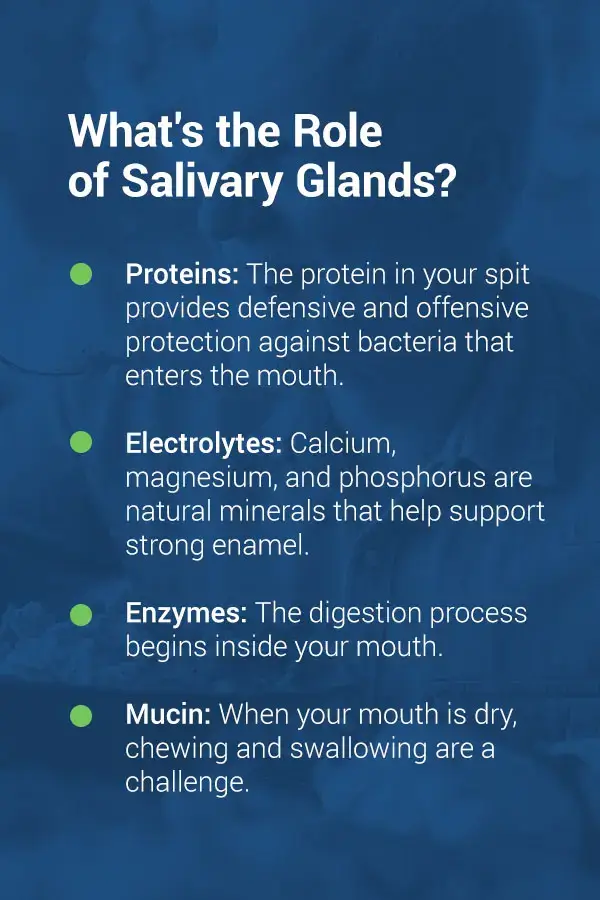
Saliva is a rich tapestry of water, electrolytes, enzymes, hormones, antibodies, and microbial components. Each of these elements carries potential diagnostic information. Unlike blood, which requires invasive venipuncture, saliva collection is stress-free, cost-effective, and can be performed repeatedly by patients themselves. The ability of salivary glands to filter substances from blood and synthesize specific proteins means that salivary constituents often reflect systemic changes occurring elsewhere in the body. Proteins like amylase and mucins aid digestion and lubrication, but the presence of other molecules—DNA, RNA, various proteins, and metabolites—offers a window into a vast array of physiological states and disease processes. The consistency and ease of obtaining saliva samples make it an ideal medium for technological advancements aiming for widespread, accessible health screening.
Early Disease Detection: From Cancer to Diabetes
The diagnostic potential of saliva is revolutionary. Technologies capable of detecting minute quantities of specific biomarkers have transformed saliva into a powerful tool for early disease detection across a spectrum of conditions. For instance, alterations in salivary protein profiles can indicate early-stage oral cancers, while the presence of specific viral DNA or RNA can signal HPV-related or other viral infections. Elevated glucose levels in saliva can correlate with blood glucose, offering a non-invasive method for monitoring diabetes. Researchers are actively developing salivary tests for cardiovascular disease, autoimmune disorders, and even neurodegenerative conditions, based on the detection of specific protein markers or genetic material. The purpose of salivary glands, in this context, extends to serving as natural sentinels, providing early warnings that can significantly improve treatment outcomes and patient prognosis.
Monitoring Systemic Health and Drug Levels
Beyond acute disease detection, saliva offers an unparalleled opportunity for continuous or frequent monitoring of overall systemic health. Hormonal fluctuations, stress markers (like cortisol), and immune responses (via secretory IgA levels) can all be tracked through saliva, providing valuable insights into an individual’s physiological state over time. Furthermore, therapeutic drug monitoring (TDM) through saliva is gaining traction. For drugs that distribute into saliva, measuring their concentration can offer a non-invasive way to ensure optimal dosing, particularly in pediatric or geriatric patients where blood draws are challenging. The salivary glands, through their continuous secretion, essentially provide a real-time, easily accessible stream of data about the body’s internal environment, a capability that technology is just beginning to fully exploit.
Technological Innovations in Saliva Diagnostics
The inherent advantages of saliva as a diagnostic medium have spurred intense innovation in biomedical engineering and digital health. From compact point-of-care devices to sophisticated AI-driven analytical platforms, technology is rapidly enhancing our ability to extract actionable insights from salivary samples, thereby elevating the “purpose” of salivary glands from a biological function to a cornerstone of modern diagnostic strategy.
Point-of-Care Devices: Rapid, Non-Invasive Testing
One of the most impactful technological advancements is the development of point-of-care (POC) devices for saliva analysis. These compact, often handheld instruments enable rapid testing outside traditional laboratory settings – at home, in clinics, or even in remote areas. Utilizing microfluidics, biosensors, and lateral flow immunoassay technologies, these devices can detect specific biomarkers, pathogens, or drug levels within minutes. For example, salivary antigen tests for COVID-19 demonstrated the power of POC saliva diagnostics during the pandemic, offering quick and easy screening. Similarly, POC devices for HIV, malaria, and even pregnancy tests using saliva are either available or under development. These innovations make healthcare more accessible, reducing the need for specialized personnel and equipment, and bringing diagnostics closer to the patient—a direct amplification of the utility of salivary gland secretions.
AI and Machine Learning in Saliva Analysis
The sheer complexity and volume of data derivable from saliva—genomic, proteomic, metabolomic, and microbiomic—make it an ideal candidate for analysis using Artificial Intelligence (AI) and Machine Learning (ML). AI algorithms can process vast datasets of salivary biomarkers, identify subtle patterns indicative of disease, and even predict disease progression with a degree of accuracy that human analysis alone cannot match. ML models can be trained to distinguish between healthy and diseased states, to correlate salivary changes with specific clinical outcomes, or to optimize drug dosages based on individual salivary profiles. This application of AI transforms the raw output of salivary glands into intelligent, predictive health insights, moving beyond simple detection to truly personalized and proactive healthcare. The future of salivary diagnostics is undoubtedly interwoven with the continued advancement of AI and big data analytics.
Wearable Tech and Continuous Saliva Monitoring

The next frontier for salivary diagnostics is integrating it with wearable technology. Imagine a smart device, perhaps a mouthguard or a patch, capable of continuously sampling and analyzing saliva for real-time health insights. Prototypes are already in development that can monitor glucose levels, stress hormones, or even early signs of infection. Such wearables could alert individuals to impending health issues, track recovery from illness, or optimize athletic performance based on physiological markers in saliva. This continuous, non-invasive monitoring capability, directly leveraging the continuous output of salivary glands, represents a paradigm shift from episodic healthcare to always-on, personalized health management, enabling individuals to take unprecedented control over their well-being.
The Role of Salivary Glands in Oral Health Tech
While the systemic diagnostic capabilities of saliva are revolutionary, the traditional purpose of salivary glands in maintaining oral health has also seen significant technological advancement. Saliva is the primary defense mechanism of the mouth, and technological innovations are increasingly focused on leveraging or compensating for its natural protective functions.
Maintaining the Oral Microbiome
Saliva plays a crucial role in maintaining a balanced oral microbiome by washing away food debris, buffering acids, and delivering antimicrobial agents like lysozyme and lactoferrin. Disruptions in salivary flow or composition can lead to dysbiosis, increasing the risk of cavities, gum disease, and other oral infections. Oral health technologies, such as advanced mouthwashes, specialized toothpastes, and even probiotics, are designed to work in synergy with saliva to promote a healthy microbial balance. Understanding the salivary gland’s role is critical for developing effective interventions that support, rather than disrupt, this delicate ecosystem.
Addressing Xerostomia with Smart Solutions
Xerostomia, or dry mouth, a common condition resulting from reduced salivary flow (often due to medication, radiation therapy, or autoimmune diseases), has profound implications for oral and systemic health. Technological solutions are emerging to mitigate its effects. These include bio-engineered saliva substitutes that mimic the viscoelastic and protective properties of natural saliva, smart devices that stimulate salivary flow (e.g., electronic saliva stimulators), and formulations designed to improve patient comfort and prevent related complications like rampant tooth decay. The purpose of salivary glands becomes starkly evident when their function is compromised, driving innovation to replicate or restore their vital contributions.
Future of Dental Care: Personalized Saliva-Based Treatments
The future of dental care is moving towards personalized approaches, with saliva at its core. Genetic analysis from salivary DNA can identify individual predispositions to certain oral diseases, guiding preventative strategies. Saliva-based diagnostics can pinpoint specific pathogens responsible for periodontitis, allowing for targeted antimicrobial therapies. Furthermore, the development of intelligent dental materials that release protective agents in response to salivary pH changes, or advanced drug delivery systems designed to work optimally within the salivary environment, are on the horizon. These advancements underscore how the output of salivary glands is not just a diagnostic medium but also a target and a vehicle for sophisticated, personalized oral health interventions.
Future Frontiers: AI, Robotics, and Salivary Gland Research
The exploration of salivary glands and their secretions is far from complete. As technology continues its relentless march, new frontiers are opening, promising even more profound insights and applications for these small but mighty organs. The intersection of AI, robotics, and biotechnology is poised to redefine the “purpose” of salivary glands in ways we are only beginning to imagine.
Regenerative Medicine and Bioengineering Salivary Glands
For individuals suffering from irreversible salivary gland damage (e.g., due to Sjögren’s syndrome or radiation therapy), regenerative medicine offers a beacon of hope. Researchers are exploring techniques to bioengineer functional salivary glands using stem cells, 3D bioprinting, and tissue engineering. The goal is to create replacement glands or restore function to damaged ones, thereby fully reinstating their natural purpose. AI plays a critical role in modeling gland development, optimizing cell culture conditions, and predicting the success of tissue integration, making this complex bioengineering feat more attainable.
Targeted Drug Delivery via Saliva
The oral cavity, with its rich vascularization and the constant presence of saliva, is an attractive site for targeted drug delivery. Future technologies may leverage specific salivary components or utilize micro-robots designed to navigate the oral environment and deliver therapeutic agents directly to affected tissues, whether for oral cancers, infections, or even systemic conditions via sublingual absorption. The unique properties of saliva, carefully analyzed and understood through advanced technological platforms, could become a highly efficient and patient-friendly route for medication administration, redefining the glands’ purpose as active participants in therapeutic strategies.

Ethical Considerations in Saliva Data & Privacy
As saliva becomes an increasingly valuable source of health data, the ethical implications surrounding its collection, analysis, and storage must be addressed. Technologies that enable widespread salivary diagnostics and continuous monitoring raise significant questions about data privacy, informed consent, and the potential for genetic discrimination or misuse of sensitive health information. Establishing robust ethical frameworks and secure data management protocols will be paramount to harnessing the full technological potential of salivary glands responsibly, ensuring that their purpose serves humanity’s best interests without compromising individual rights.
In conclusion, the primary biological purpose of salivary glands—to produce saliva vital for oral health and initial digestion—remains immutable. However, through the lens of medical technology, this purpose has expanded exponentially. Salivary glands are now recognized as crucial components in the diagnostics revolution, enabling non-invasive disease detection, continuous health monitoring, and personalized medicine. As technological advancements continue to unlock the secrets held within this remarkable fluid, the humble salivary gland stands poised to play an increasingly central role in shaping the future of health and well-being.
aViewFromTheCave is a participant in the Amazon Services LLC Associates Program, an affiliate advertising program designed to provide a means for sites to earn advertising fees by advertising and linking to Amazon.com. Amazon, the Amazon logo, AmazonSupply, and the AmazonSupply logo are trademarks of Amazon.com, Inc. or its affiliates. As an Amazon Associate we earn affiliate commissions from qualifying purchases.