
Blockchain technology has emerged as one of the most transformative innovations of the 21st century, often discussed in the context of cryptocurrencies like Bitcoin and Ethereum. However, to confine blockchain to merely digital money is to profoundly misunderstand its fundamental purpose. At its core, blockchain is a decentralized, distributed, and immutable ledger system designed to facilitate secure, transparent, and tamper-proof record-keeping across a network of computers. Its purpose extends far beyond financial transactions, aiming to revolutionize how data is stored, shared, and validated, thereby fostering new levels of trust, efficiency, and autonomy in digital interactions. This article will delve into the multifaceted purposes of blockchain technology, exploring its foundational principles, diverse applications, technical mechanisms, and the profound impact it has on various sectors from a purely technological standpoint.
The Foundational Principles: Building Trust in a Trustless Environment
The primary purpose of blockchain technology is to establish trust and transparency in environments where traditional intermediaries (like banks, governments, or large corporations) have historically acted as central arbiters of truth. It achieves this through a clever combination of cryptographic security, decentralization, and distributed ledger technology.
Decentralization: Distributing Trust and Power
One of blockchain’s most revolutionary purposes is to eliminate the need for a central authority. Instead of relying on a single entity to maintain a ledger and validate transactions, a blockchain network distributes this responsibility among all participating nodes. This decentralization serves several critical purposes:
- Resilience and Robustness: Without a single point of failure, the network becomes incredibly resilient to attacks, outages, or censorship. If one node goes offline, the network continues to function seamlessly, as other nodes hold identical copies of the ledger.
- Reduced Corruption Risk: A central authority inherently possesses significant power and control, making it a potential target for manipulation, data breaches, or abuse. Decentralization distributes this power, making it incredibly difficult for any single entity to alter records without the consensus of the majority.
- Democratization of Data: It shifts control over data from powerful intermediaries to the collective network and, in many cases, to the individual data owners themselves, fostering a more equitable and open digital ecosystem.
Immutability and Transparency: A Permanent Record
Another core purpose of blockchain is to create a permanent, unalterable, and transparent record of transactions or data entries. Each “block” in the chain contains a timestamped batch of valid transactions. Once a block is added to the chain, it cannot be changed or removed.
- Ensuring Data Integrity: This immutability is crucial for applications requiring high levels of data integrity, such as legal documents, medical records, or supply chain tracking. It guarantees that once information is recorded, it remains true and unaltered for eternity, preventing fraud and errors.
- Promoting Accountability: The transparent nature of public blockchains means that all participants can view the history of transactions. While specific identities might be pseudonymized, the flow of assets or data is openly auditable, which promotes accountability among network participants and makes it easier to track the provenance of digital assets or information.
Cryptographic Security: The Backbone of Integrity
The integrity and security of blockchain are underpinned by sophisticated cryptographic techniques.
- Data Protection: Cryptography ensures that each block is securely linked to the previous one using cryptographic hashes, forming an unbreakable chain. Any attempt to tamper with an earlier block would invalidate all subsequent blocks, making such an alteration immediately obvious and computationally impractical.
- Secure Transactions: Public-key cryptography is used to verify the authenticity of transactions and authorize transfers. Users possess private keys to sign transactions, proving ownership of digital assets without revealing their identity directly. This robust security prevents unauthorized access and ensures that only the rightful owner can initiate transactions.
Beyond Cryptocurrencies: Diverse Technological Applications
While its origins are rooted in digital currency, the underlying technology of blockchain serves a far broader purpose, enabling innovative solutions across numerous industries by addressing inherent inefficiencies and trust deficits.
Supply Chain Management and Traceability
One of the most impactful applications of blockchain is in enhancing supply chain visibility and accountability. Its purpose here is to provide an immutable and transparent record of a product’s journey from origin to consumer.
- Combating Counterfeiting: By tracking every touchpoint, from raw material sourcing to manufacturing, shipping, and retail, blockchain can verify the authenticity of products, significantly reducing the prevalence of counterfeit goods.
- Ensuring Ethical Sourcing: Consumers can gain assurance regarding the ethical sourcing of products, such as fair labor practices or sustainable resource management, by tracing the entire supply chain history.
- Optimizing Logistics: Real-time, shared data across the supply chain can lead to more efficient logistics, faster dispute resolution, and reduced waste due to better inventory management and predictive analytics.
Digital Identity and Data Security
Blockchain offers a transformative approach to digital identity, shifting control from centralized authorities to individuals.
- Self-Sovereign Identity (SSI): The purpose here is to empower users with self-sovereign identity, allowing them to control their personal data and selectively share verified attributes (e.g., proof of age, professional qualification) without revealing their entire identity.
- Enhanced Privacy and Security: By storing verified credentials on a blockchain, individuals can reduce their digital footprint and minimize the risk of identity theft or data breaches associated with centralized identity databases.
- Streamlined Verification: Businesses can instantly verify credentials with cryptographic certainty, reducing the time and cost associated with traditional Know Your Customer (KYC) and identity verification processes.
Intellectual Property and Content Monetization
For creators and artists, blockchain offers a powerful tool for managing intellectual property rights and monetizing digital content.
- Proof of Ownership: Creators can timestamp and register their intellectual property on a blockchain, creating an immutable record of ownership and creation date. This serves as undeniable proof in cases of infringement.
- Direct Monetization and Royalties: Through NFTs (Non-Fungible Tokens), blockchain enables creators to directly sell unique digital assets to fans and program perpetual royalty payments into the assets, ensuring they receive a percentage of future resales.
- Combating Piracy: While not a complete solution, blockchain can help track the provenance of digital content and make it easier to identify unauthorized distribution, empowering rights holders.
Technical Underpinnings: How Blockchain Works to Fulfill its Purpose
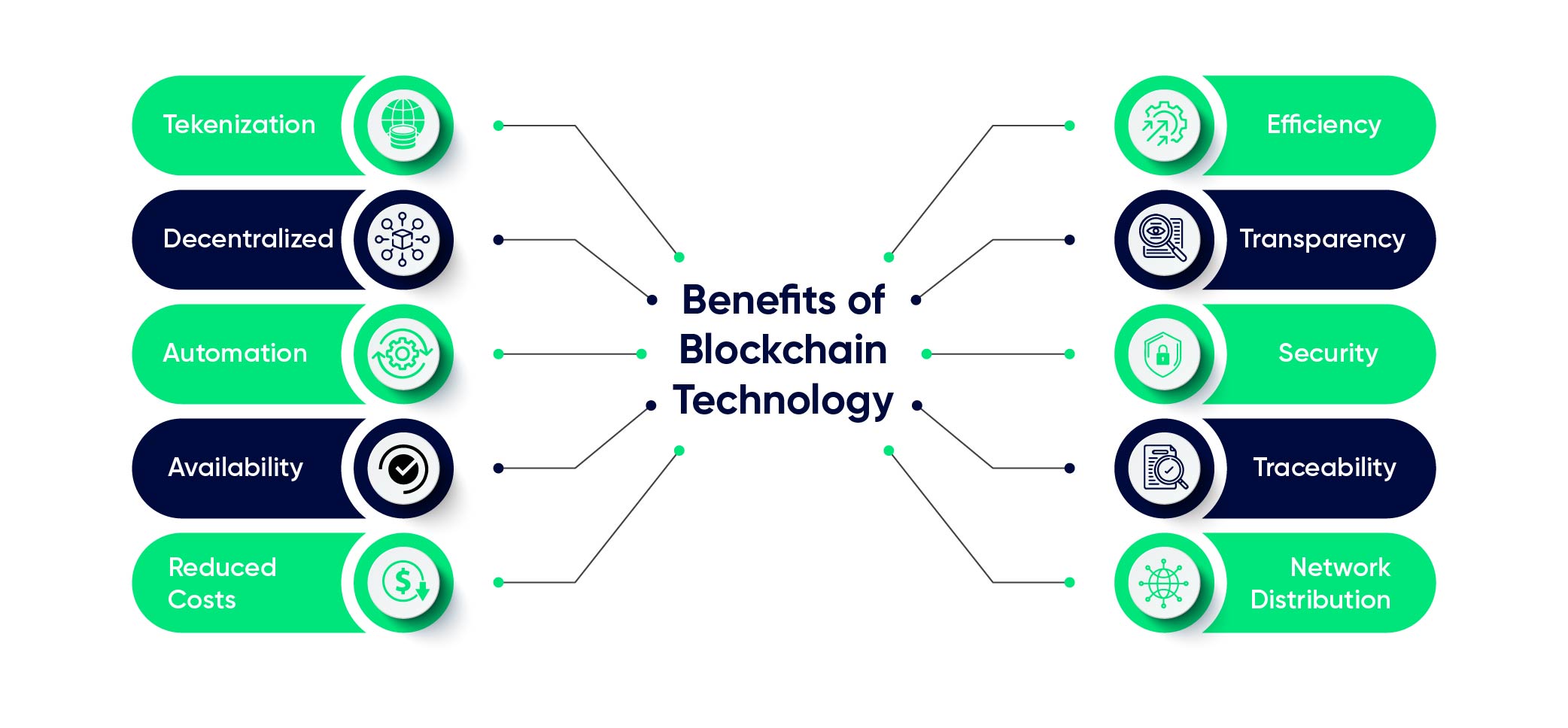
Understanding the technical mechanisms is key to grasping how blockchain achieves its stated purposes of decentralization, immutability, and security.
Blocks, Chains, and Hashing
The very name “blockchain” describes its fundamental structure.
- Data Aggregation in Blocks: The purpose of a “block” is to aggregate a collection of transactions (or data records) that have occurred over a specific period. Each block has a maximum capacity, and once full, it is cryptographically sealed.
- Chaining via Hashing: A cryptographic hash is a unique digital fingerprint of a block’s data. Each new block contains not only its own hash but also the hash of the previous block. This linking mechanism, the “chain,” is what makes the ledger immutable. If anyone tries to alter a transaction in an old block, its hash changes, which would then invalidate the hash link in the subsequent block, and so on, making the tampering immediately obvious and rejecting the fraudulent block.
Consensus Mechanisms: Achieving Agreement
In a decentralized network, nodes must agree on the validity of transactions and the order of blocks. This is where consensus mechanisms come into play. Their purpose is to ensure that all participants maintain an identical and accurate copy of the ledger.
- Proof of Work (PoW): As used in Bitcoin, PoW requires “miners” to solve complex computational puzzles to validate transactions and add new blocks. The first miner to solve the puzzle broadcasts the new block, and other nodes verify it. This process is energy-intensive but highly secure, making it prohibitively expensive to try and rewrite history.
- Proof of Stake (PoS): Newer blockchains often use PoS, where validators are chosen to create new blocks based on the amount of cryptocurrency they “stake” (hold as collateral). This is generally more energy-efficient and scalable than PoW, aiming to achieve the same security and consensus with less computational overhead.
- Other Mechanisms: Other consensus mechanisms like Delegated Proof of Stake (DPoS), Practical Byzantine Fault Tolerance (PBFT), and others are tailored for specific network requirements, balancing decentralization, security, and scalability.
Smart Contracts: Automating Trustless Agreements
One of Ethereum’s pivotal innovations, smart contracts, are self-executing contracts with the terms of the agreement directly written into lines of code. Their purpose is to automate and enforce agreements without the need for intermediaries.
- Automated Execution: Once programmed and deployed on a blockchain, smart contracts automatically execute predefined actions when certain conditions are met (e.g., releasing funds when a shipment is confirmed, transferring ownership when payment is received).
- Reduced Friction and Costs: By automating contractual agreements, smart contracts eliminate the need for lawyers, escrow agents, and other third parties, significantly reducing transaction costs and processing times.
- Trustless Agreements: Parties can engage in agreements with complete certainty that the terms will be executed precisely as coded, removing the need to trust the other party or an intermediary. This opens up possibilities for decentralized autonomous organizations (DAOs), automated financial services (DeFi), and more.
Enabling Trust and Efficiency Across Industries
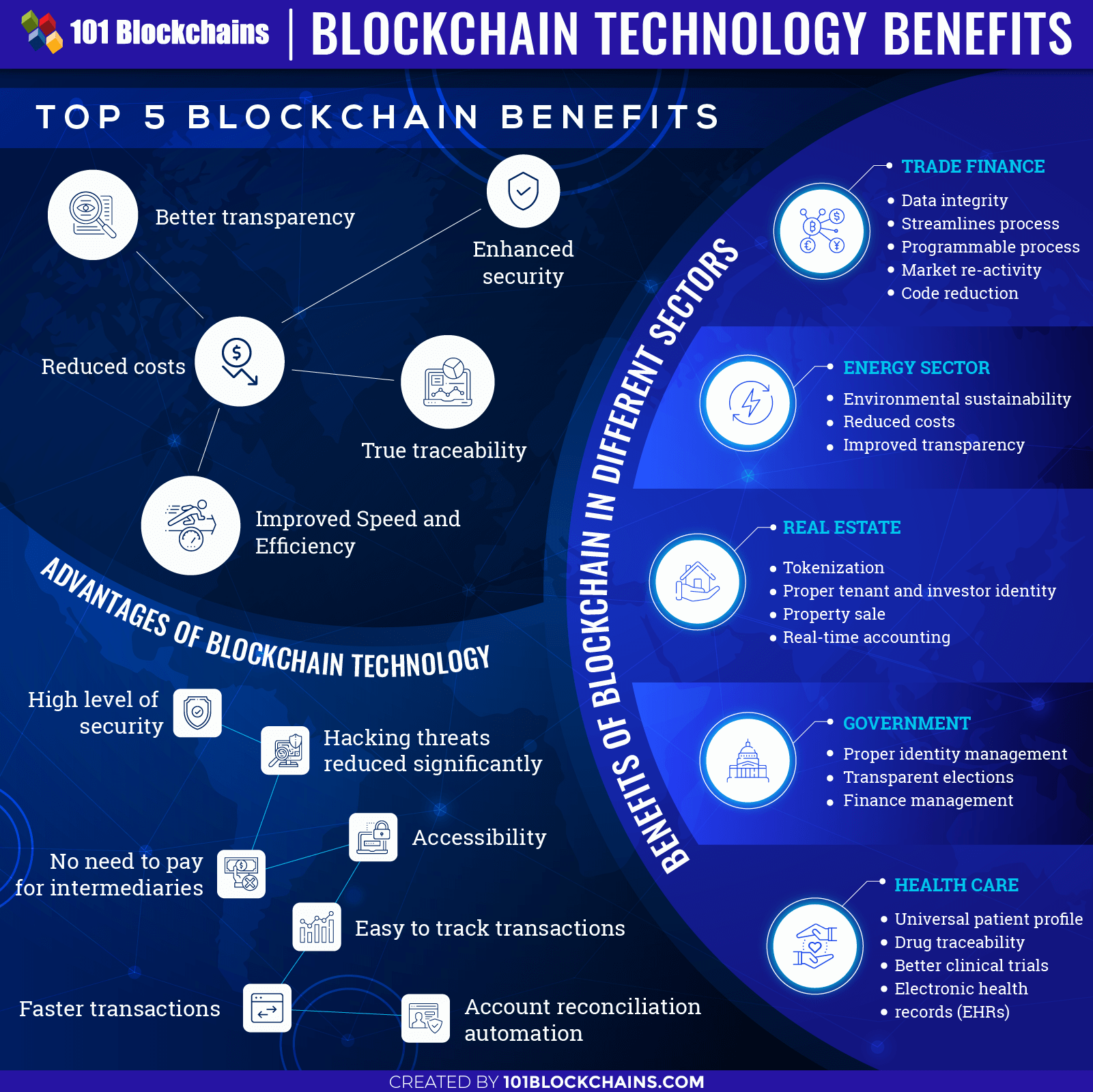
The overarching purpose of blockchain technology is to fundamentally reshape how value and information are exchanged, recorded, and verified across virtually every industry, fostering unprecedented levels of trust and efficiency.
Financial Services: Revolutionizing Transactions and Records
Blockchain’s impact on finance goes beyond cryptocurrencies, aiming to make traditional financial systems faster, cheaper, and more transparent.
- Cross-Border Payments: It enables near-instantaneous and significantly cheaper international money transfers by cutting out layers of intermediaries and reducing settlement times from days to minutes or seconds.
- Trade Finance: Blockchain can streamline complex trade finance processes, digitizing documents, reducing fraud, and speeding up the financing of international trade by creating a single, immutable record visible to all parties.
- Asset Tokenization: The purpose of tokenization is to represent real-world assets (e.g., real estate, art, stocks) as digital tokens on a blockchain. This increases liquidity, fractionalizes ownership, and makes assets more accessible to a wider range of investors, while providing verifiable ownership records.
Governance and Voting Systems
Blockchain holds the potential to enhance democratic processes and improve organizational governance.
- Secure and Transparent Voting: It can be used to create highly secure, auditable, and immutable voting systems, where each vote is recorded on the blockchain, preventing tampering and increasing public trust in election results.
- Decentralized Autonomous Organizations (DAOs): DAOs utilize smart contracts to establish rules and governance mechanisms, allowing members to collectively manage organizations without hierarchical structures. This purpose is to create transparent, community-driven organizations where decisions are made democratically and executed automatically.
Healthcare Data Management
In healthcare, blockchain aims to address critical challenges related to data security, interoperability, and patient privacy.
- Secure Patient Records: By creating an immutable ledger of patient data, blockchain can enhance the security and integrity of medical records, preventing unauthorized alterations and ensuring data provenance.
- Improved Interoperability: It can facilitate secure sharing of patient data among different healthcare providers, researchers, and patients themselves, while maintaining strict privacy controls through access permissions and cryptographic encryption.
- Enhanced Drug Traceability: Similar to supply chain management, blockchain can track pharmaceuticals from manufacturing to dispensing, combating counterfeit drugs and ensuring patient safety.
Challenges and Future Outlook
Despite its transformative potential, blockchain technology is still evolving and faces significant challenges. Its purpose continues to expand as these hurdles are addressed.
Scalability and Energy Consumption Concerns
Many prominent blockchains, particularly those using Proof of Work, struggle with scalability, processing a limited number of transactions per second compared to traditional systems. Furthermore, the energy consumption of PoW networks has raised environmental concerns. The purpose of ongoing research and development is to develop more efficient consensus mechanisms (like PoS) and Layer 2 scaling solutions (e.g., sharding, rollups) to overcome these limitations and make blockchain technology viable for widespread, high-volume adoption.
Regulatory Landscape and Adoption Hurdles
The decentralized and global nature of blockchain technology presents complex regulatory challenges. Governments worldwide are grappling with how to classify and oversee digital assets, smart contracts, and decentralized applications. Furthermore, mass adoption requires user-friendly interfaces, robust infrastructure, and clearer legal frameworks. The purpose here is to create regulatory clarity that fosters innovation while protecting consumers and ensuring financial stability.
Emerging Trends: Web3, DAOs, and Interoperability
The future purpose of blockchain technology is deeply intertwined with the broader vision of Web3, a decentralized internet where users control their data and digital identities. This includes the continued rise of DAOs, empowering communities and automating governance. Crucially, efforts are underway to enhance interoperability between different blockchains, allowing for seamless communication and asset transfer across various networks. This aims to create a more unified and powerful decentralized ecosystem, unlocking even more innovative applications and fulfilling blockchain’s promise of a more trustworthy, efficient, and equitable digital future.
In conclusion, the purpose of blockchain technology is not singular but multifaceted. It is a technological paradigm designed to fundamentally alter how trust is established, information is secured, and value is exchanged in the digital realm. By championing decentralization, immutability, and cryptographic security, blockchain seeks to empower individuals, enhance transparency, and drive efficiency across a spectrum of industries, laying the groundwork for a truly distributed and trust-minimized digital future.
aViewFromTheCave is a participant in the Amazon Services LLC Associates Program, an affiliate advertising program designed to provide a means for sites to earn advertising fees by advertising and linking to Amazon.com. Amazon, the Amazon logo, AmazonSupply, and the AmazonSupply logo are trademarks of Amazon.com, Inc. or its affiliates. As an Amazon Associate we earn affiliate commissions from qualifying purchases.