
In the world of global marketing and corporate strategy, the question “What is the Puerto Rican language?” is less about linguistics and more about brand positioning. To the casual observer, Puerto Rico is a Spanish-speaking archipelago. To a brand strategist, however, the “Puerto Rican language” is a complex, rhythmic, and highly nuanced cultural code that blends traditional Spanish, American English, and indigenous Taíno influences. For brands looking to establish a footprint in this unique market or for personal brands aiming to resonate with the Puerto Rican diaspora, understanding this linguistic landscape is the difference between authentic engagement and costly alienation.
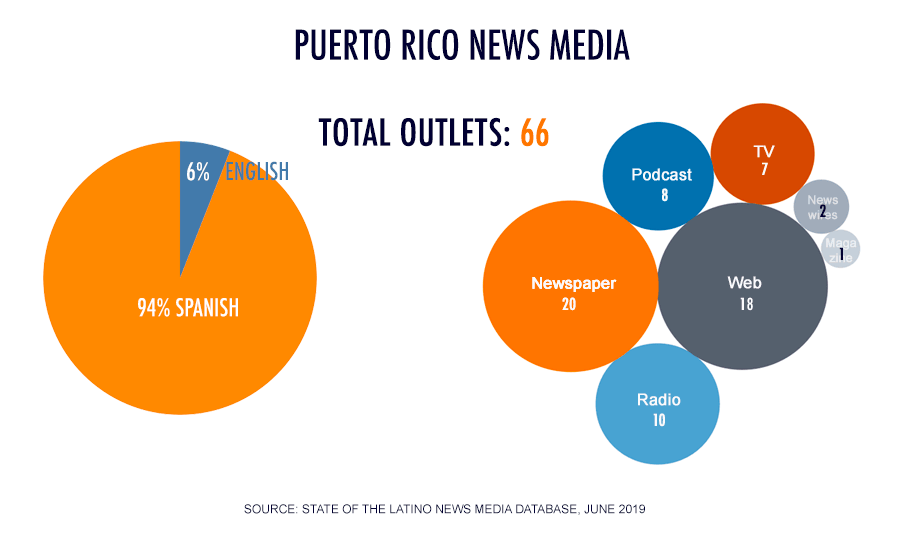
Defining the “Puerto Rican Language” for Global Brands
To build a brand that resonates in Puerto Rico, one must first dismantle the myth of “neutral Spanish.” In the corporate world, many companies make the mistake of using a generic Latin American Spanish for all Caribbean markets. However, the Puerto Rican vernacular—often referred to as Español Boricua—is a distinct brand in its own right. It carries a specific cadence and vocabulary that signals “insider” status.
The Linguistic Hybridity: Spanish, English, and Taíno Influences
The foundation of Puerto Rican communication is Spanish, but its architecture is uniquely Caribbean. A successful brand strategy must acknowledge the Taíno roots found in words like huracán (hurricane) and hamaca (hammock), which provide a sense of historical groundedness. Furthermore, the 125-year relationship with the United States has woven English into the daily fabric of the island. This isn’t just “Spanglish”; it is a sophisticated code-switching used by consumers to navigate their dual identity. Brands that master this hybridity—knowing when to use “mofongo” and when to use “delivery”—demonstrate a level of cultural intelligence that builds immediate trust.
Beyond Translation: The Importance of Regional Nuance
Translation is a mechanical process; localization is a strategic one. For a brand, the “Puerto Rican language” involves replacing generic terms with local equivalents. For example, while most of the Spanish-speaking world uses autobús, a brand speaking to a Puerto Rican audience must use guagua. Using the wrong term doesn’t just make the brand look foreign; it makes it look indifferent. In brand strategy, language serves as a “shibboleth”—a way to prove you belong to the community you are trying to sell to.
Personal Branding and the Power of Cultural Codes
In the era of social media, personal branding has become the primary vehicle for cultural exportation. Puerto Rican creators, artists, and entrepreneurs have turned their specific way of speaking into a global commodity. From the boardrooms of San Juan to the recording studios of Medellín, the Puerto Rican “brand” of language is currently one of the most influential exports in the world.
Authenticity in the Digital Age
For personal brands—whether they are influencers or corporate executives—authenticity is the highest currency. The Puerto Rican language is characterized by seseo and the aspiration of the “s,” alongside the unique “r” sound that often trends toward an “l” (lambdacism). While traditional professional standards once dictated a “cleaner” Spanish, modern personal branding thrives on the “Boricua” accent. This linguistic pride acts as a beacon for the diaspora, creating a sense of “home” regardless of geographic location. Strategic use of local slang, or jerga, such as brutal or al garete, allows a personal brand to signal transparency and relatability.
The Role of Music and Pop Culture in Brand Exportation
The global explosion of Reggaeton and Latin Trap has turned the Puerto Rican vernacular into a premium brand asset. Artists like Bad Bunny and Residente have not only dominated the charts but have also redefined global marketing. They use the Puerto Rican language as a tool of resistance and identity, forcing global audiences—and global brands like Adidas and Cheetos—to adapt to them. This shift has created a “halo effect” for other Puerto Rican brands, where the local dialect is now associated with “cool,” “urban,” and “authentic” attributes.
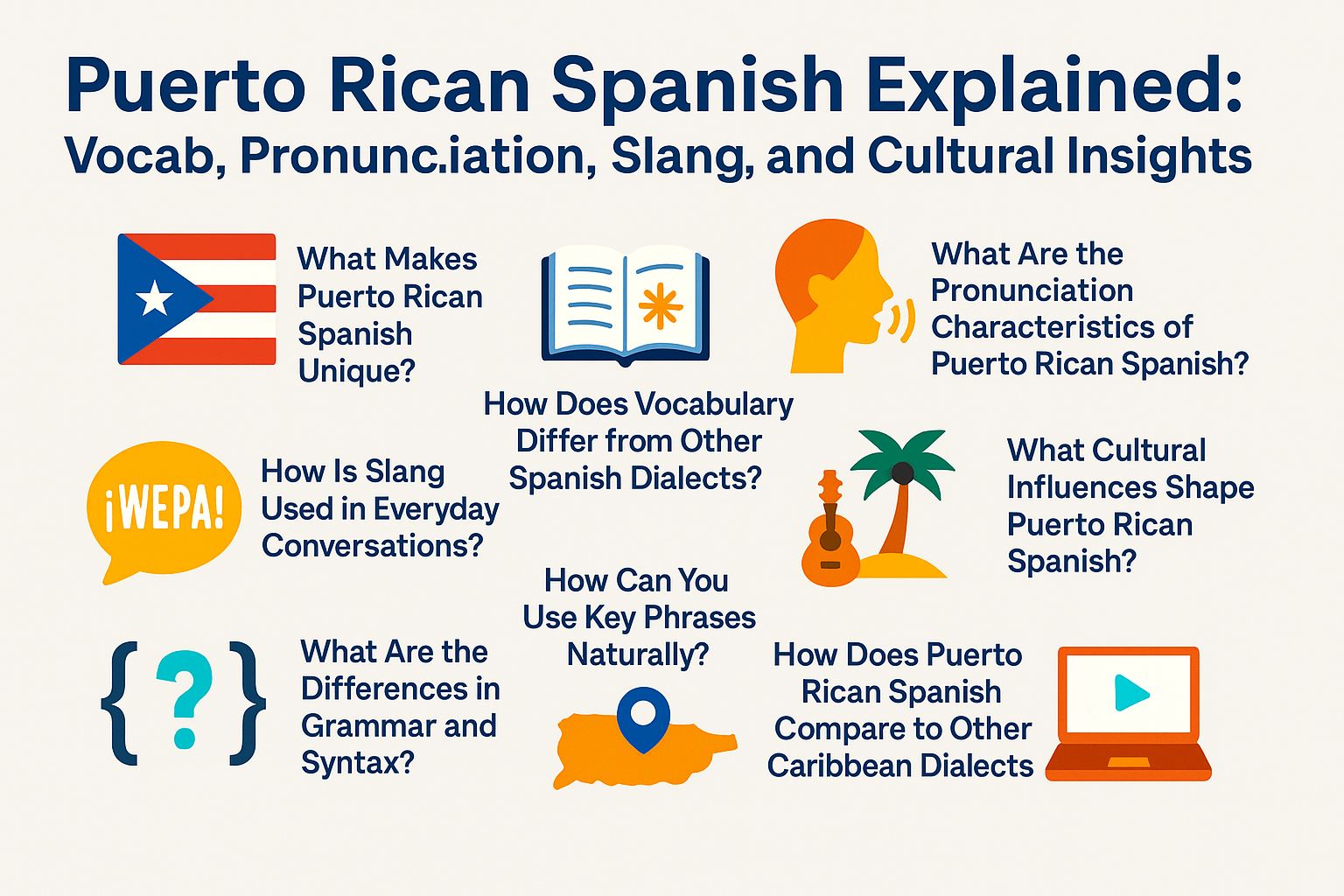
Strategies for Corporate Identity and Market Localization
When a corporation enters the Puerto Rican market, its identity must undergo a linguistic audit. The goal is to move from being a “global brand in Puerto Rico” to a “Puerto Rican brand that happens to be global.” This requires a deep dive into how language shapes consumer behavior and corporate perception.
Avoiding the “One-Size-Fits-All” Spanish Trap
The most common failure in brand strategy is the use of “Universal Spanish.” While it is technically correct, it feels sterile and clinical to a Puerto Rican consumer. For a corporate identity to feel warm and approachable, it must adopt the emotional resonance of the island. This means utilizing the informal tú instead of the formal usted in most lifestyle marketing, reflecting the island’s communal and friendly culture. It also means understanding the specific idioms that evoke nostalgia or pride, such as ay bendito or bregando. These are not just words; they are emotional anchors for the brand.
Visual and Verbal Synchrony: Packaging and Ad Copy
The Puerto Rican language isn’t just heard; it is seen in the rhythm of advertising copy and the choice of words on packaging. Brands like Medalla Light or Café Yaucono succeed because their verbal identity matches the visual vibrancy of the island. When designing campaigns, brands should look for “linguistic visuality”—words that conjure specific island imagery. For instance, using the word campo evokes a very specific rural identity that a generic word like rural cannot touch. A brand’s corporate identity is strengthened when its messaging reflects the specific environmental and social realities of the Puerto Rican experience.
The Digital Evolution: Language in Tech-Driven Marketing
As commerce shifts toward AI-driven personalization and social commerce, the “Puerto Rican language” presents both a challenge and an opportunity for digital brand managers. Algorithms often struggle with regional dialects, making it vital for brands to take a manual, high-touch approach to their digital presence.
Localized SEO and Keyword Strategies
Digital marketing in Puerto Rico requires a dual-track SEO strategy. Because the population is largely bilingual, consumers often search in both languages or a mix of both. A brand selling “insurance,” for example, must optimize for both seguro and “insurance,” but also for terms like seguro de auto which might be searched using colloquial phrasing. Understanding the “search intent” of a Puerto Rican consumer involves knowing that they might use English for technical specs but Spanish for emotional reviews.
Influencer Partnerships and the Vernacular
The most effective way for a brand to “speak” Puerto Rican is to partner with those who already do. Micro-influencers on the island serve as linguistic translators for brands. They take a corporate message and “tropicalize” it, injecting the necessary slang, tone, and humor that make the content shareable. In this context, the influencer’s voice becomes the brand’s voice. This is particularly important on platforms like TikTok and Instagram, where the “vibe” of the communication is more important than the literal meaning of the words. A brand that allows an influencer to use their natural Puerto Rican vernacular will always outperform a brand that insists on a scripted, “proper” script.

Conclusion: Language as the Ultimate Brand Bridge
Ultimately, the question of “what is the Puerto Rican language” finds its answer in the intersection of culture, history, and commerce. It is a language of resilience, a language of fusion, and, most importantly, a language of connection. For brands, this linguistic landscape is not a barrier to entry but a bridge to deep-seated consumer loyalty.
By moving beyond simple translation and embracing the nuances of Español Boricua, brands can transform their identity from an outsider to a neighbor. Whether it is through the strategic use of local idioms in ad copy, the embrace of the Puerto Rican accent in personal branding, or the careful localization of digital content, mastering the “Puerto Rican language” is an essential pillar of any successful brand strategy in the Caribbean. In a globalized market, the brands that win are the ones that speak the language of the people—literally and figuratively.
aViewFromTheCave is a participant in the Amazon Services LLC Associates Program, an affiliate advertising program designed to provide a means for sites to earn advertising fees by advertising and linking to Amazon.com. Amazon, the Amazon logo, AmazonSupply, and the AmazonSupply logo are trademarks of Amazon.com, Inc. or its affiliates. As an Amazon Associate we earn affiliate commissions from qualifying purchases.