
In the landscape of high-stakes corporate culture and personal branding, the nuances of etiquette often serve as the unspoken language of leadership. While a resume outlines technical proficiency, it is the performance of “executive presence” that frequently determines professional trajectory. One of the most subtle yet potent indicators of this presence occurs in social-professional settings: the way one handles a wine glass. At a brand launch, a donor gala, or a high-level networking mixer, the wine glass is not merely a vessel for a beverage; it is a prop in the theatre of professional identity. Holding it correctly is a signal of social intelligence, attention to detail, and a commitment to excellence—all core tenets of a premium personal brand.
The Executive Image: How Micro-Behaviors Shape Your Personal Brand
In brand strategy, we often discuss “brand touchpoints”—the various ways a consumer interacts with a brand. For an individual, every gesture is a touchpoint. The concept of “thin-slicing” in psychology suggests that observers make permanent judgments about a person’s competence and status based on very brief interactions. Within the first few minutes of a corporate mixer, your colleagues and competitors are scanning for cues of belonging and mastery.
The Psychology of Detail
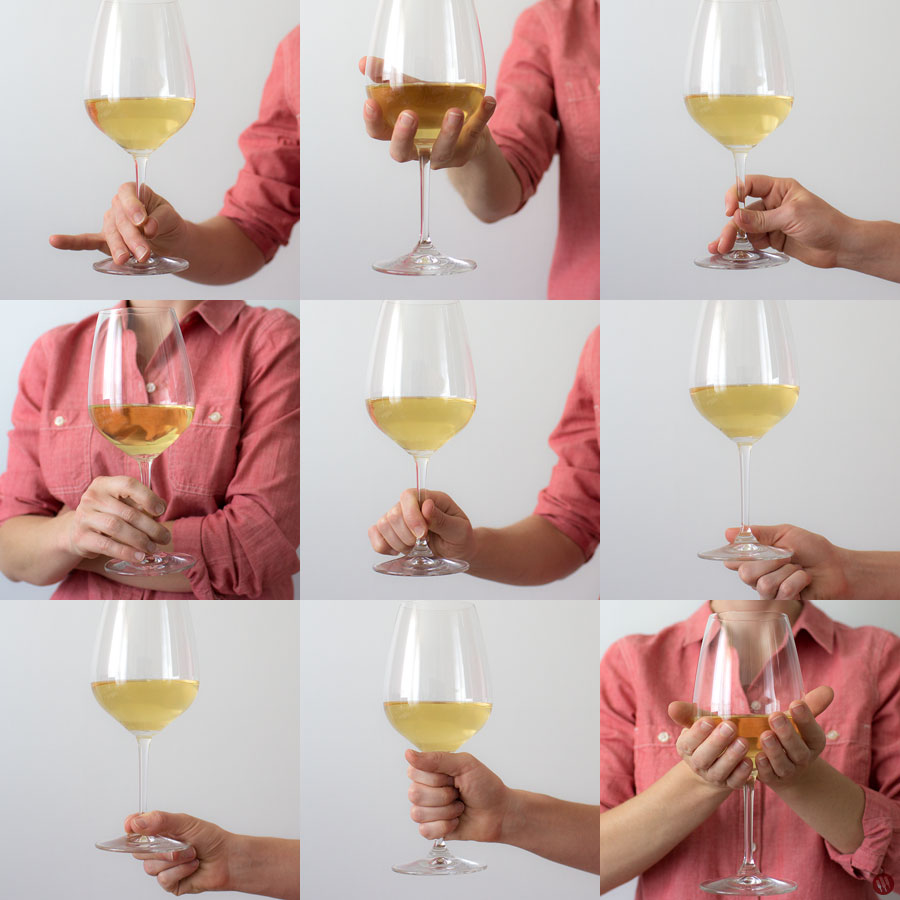
When a professional holds a wine glass by the bowl rather than the stem, they are inadvertently communicating a lack of awareness regarding the “product” they are consuming. In the context of branding, this translates to a perceived lack of attention to detail. Consistency is the hallmark of a strong brand; if you are meticulous in your spreadsheets but careless in your social conduct, your brand suffers from incongruence. Mastering the proper hold ensures that your non-verbal cues align with your reputation for precision and sophistication.
The Halo Effect in Professional Settings
The “Halo Effect” is a cognitive bias where our perception of one positive trait influences our perception of other, unrelated traits. If an executive demonstrates poise and etiquette in a social setting—such as knowing how to properly handle stemware—onlookers are statistically more likely to attribute other positive qualities to them, such as strategic thinking and cultural literacy. By mastering the proper way to hold a wine glass, you are essentially leveraging a low-effort, high-impact tool to bolster your professional authority.
The Mechanics of Sophistication: Technical Excellence in Social Branding
To understand why the grip matters, one must understand the “product design” of the wine glass. A wine glass is engineered for a specific sensory experience, and disrupting that experience is equivalent to a brand failing to deliver on its promise. From a brand strategy perspective, respecting the design of the glass shows that you value quality and functionality.
The Stem Grip: The Standard of Professionalism
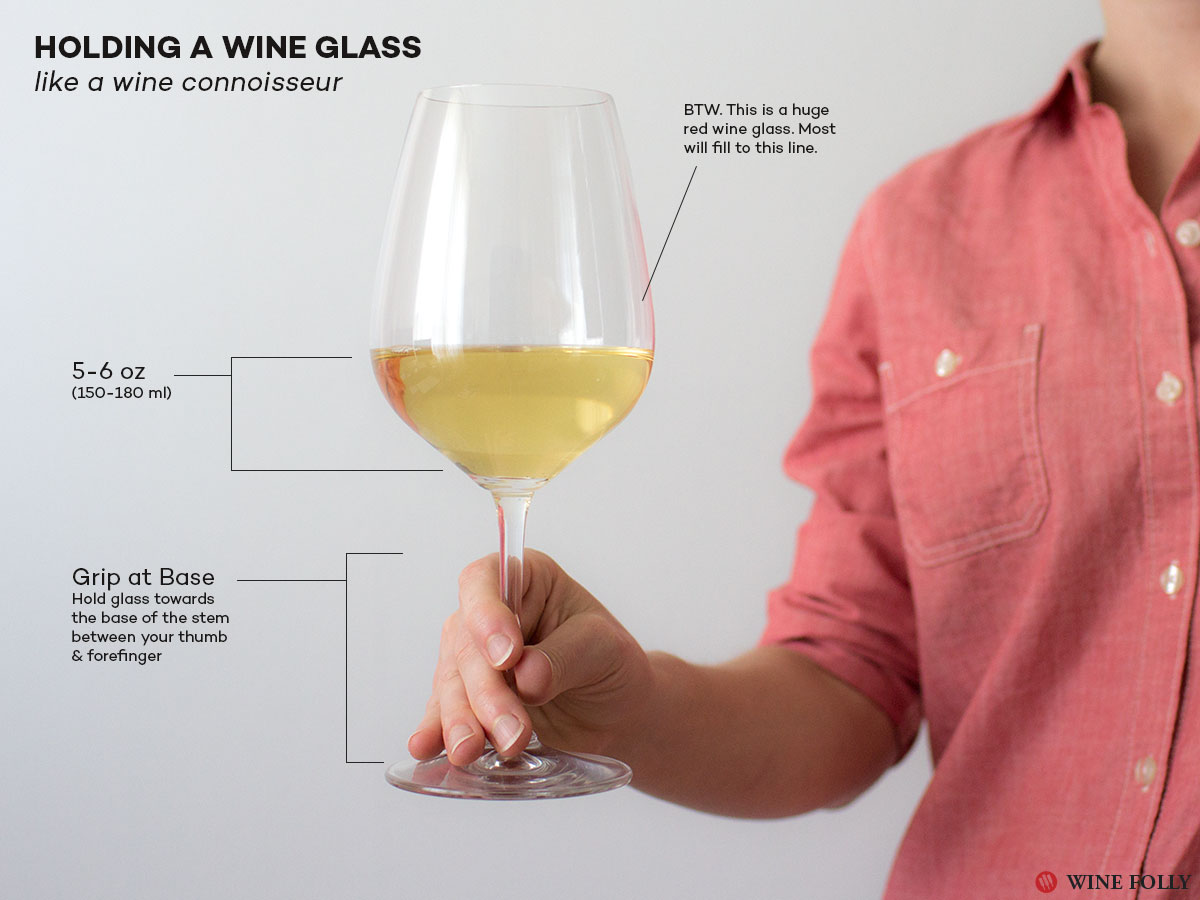
The proper way to hold a wine glass is by the stem. Specifically, you should pinch the stem between your thumb and your index and middle fingers. Your remaining fingers should rest naturally on the stem or toward the base. This is the “gold standard” of social branding for several reasons:
- Temperature Regulation: Wine is served at specific temperatures to optimize its profile. By holding the bowl, your body heat transfers to the liquid, altering the taste and “brand experience” of the wine. In a professional context, this shows you are mindful of preserving the integrity of the environment you are in.
- Visual Clarity: Holding the stem prevents unsightly fingerprints from clouding the bowl. A clean glass allows the wine’s color and clarity to be visible. In the world of corporate identity, “clutter” is the enemy. Fingerprints on a glass are visual noise that detracts from a polished, professional aesthetic.
- Physical Stability: Gripping the stem provides a lower center of gravity, which aids in controlled movement. This reduces the risk of spills—the ultimate brand-damaging event in a networking scenario.
The Base Hold: Advanced Visual Literacy
For those looking to project a sense of seasoned expertise, holding the glass by the base is an alternative. This involves pinching the very bottom of the stem where it meets the base, or even gripping the base itself with the thumb on top and the index finger underneath. While more common among sommeliers and industry insiders, using this grip at a corporate event signals a high level of “insider knowledge.” It suggests that your personal brand is rooted in deep cultural capital and that you are comfortable navigating elite social circles.
Strategic Networking: The Glass as a Tool for Engagement
Beyond the grip itself, how you manage your glass during a conversation is a critical component of your social brand strategy. A wine glass can either be a bridge to connection or a barrier to engagement.
The Right-Hand Rule: Efficiency in Interaction
One of the most common mistakes in professional branding is holding a glass in the right hand. In a networking environment, your right hand is your “active brand” hand—it is the hand used for introductions and handshakes.
By strategically holding your wine glass in your left hand, you ensure that your right hand remains dry and warm. There is nothing more detrimental to a first impression than a “cold, wet handshake” caused by condensation on a glass. Keeping the right hand free allows for seamless transitions between sipping and greeting, projecting an image of effortless competence and readiness.
The Art of the Swirl and Sip
Movement is a key element of visual branding. When you swirl wine (always while holding the stem), you are not just aerating the liquid; you are demonstrating patience and deliberation. However, over-swirling or aggressive sipping can project nervousness. A person with a strong personal brand remains composed. When taking a sip, maintain eye contact with the person you are speaking with until the moment the glass reaches your lips, then take a modest sip. This maintains the “connection” component of your brand even while you are consuming.
Avoiding Brand Dilution: Common Etiquette Pitfalls
In brand management, we often look for “brand dilutors”—actions that weaken the core message. In the context of executive presence, there are several “don’ts” that can immediately undermine your professional standing.
The “Cupping” Catastrophe
Holding the bowl of the glass in the palm of your hand—often called “cupping”—is a significant etiquette breach. In a personal branding context, this suggests a lack of refinement or a lack of situational awareness. It is the social equivalent of a poorly designed logo; it communicates that you haven’t taken the time to understand the standards of your industry.
The Rim Residue Issue
When drinking, try to sip from the same place on the rim each time. This prevents multiple “lip marks” from circling the glass. In high-level branding, “cleanliness” is synonymous with “order.” A glass covered in marks looks chaotic and unkempt. By maintaining a single point of contact, you project an image of control and intentionality.
Over-Filling the Glass
If you are at a self-serve station or hosting a corporate event, never fill the glass to the brim. A wine glass should typically be filled to its widest point (the “equator” of the bowl). This allows for aeration and prevents spills. From a brand perspective, filling a glass to the top can signal a “scarcity mindset” or a lack of restraint. Conversely, a perfectly poured glass signals an “abundance mindset” and a respect for boundaries.

Conclusion: Mastering the Art of the Silent Pitch
Your personal brand is the sum of every choice you make in the public eye. While the way you hold a wine glass may seem like a minor detail, it is part of a larger mosaic of professional excellence. In the competitive world of business finance, brand strategy, and high-level corporate leadership, those who master the “small things” are the ones trusted with the “big things.”
By holding your glass by the stem, keeping your right hand free for handshakes, and maintaining the visual integrity of your stemware, you are conducting a “silent pitch.” You are telling your peers, your superiors, and your clients that you are a person of high standards, that you understand the nuances of your environment, and that you possess the executive presence required to lead. In the end, the proper way to hold a wine glass isn’t just about the wine—it’s about the brand you are building with every gesture.
aViewFromTheCave is a participant in the Amazon Services LLC Associates Program, an affiliate advertising program designed to provide a means for sites to earn advertising fees by advertising and linking to Amazon.com. Amazon, the Amazon logo, AmazonSupply, and the AmazonSupply logo are trademarks of Amazon.com, Inc. or its affiliates. As an Amazon Associate we earn affiliate commissions from qualifying purchases.