
In the modern landscape of global media, intellectual property (IP) is no longer just a collection of stories; it is a meticulously crafted brand. When we ask “What is The Promised Neverland about?” from a brand strategy perspective, the answer transcends the plot of orphans escaping a sinister fate. Instead, it reveals a masterclass in narrative branding, market disruption, and the strategic positioning of a “dark” sub-brand within a traditionally “bright” corporate ecosystem. Created by Kaiu Shirai and illustrated by Posuka Demizu, The Promised Neverland (Yakusoku no Neverland) represents a pivotal shift in how the Weekly Shonen Jump brand manages demographic expansion and genre-bending IP.

Redefining the Shonen Brand Identity: A Study in Market Disruption
For decades, the Weekly Shonen Jump brand—the world’s most successful manga anthology—was synonymous with the “Big Three” formula: high-energy action, the power of friendship, and a relentless pursuit of physical strength. This brand identity, while immensely profitable, faced the risk of market saturation. To maintain its dominance, the parent brand needed to diversify its portfolio without alienating its core demographic of young males.
Breaking the Battle Manga Archetype
The Promised Neverland entered the market as a disruptive brand asset. While most Shonen titles focus on external physical conflict, this IP pivoted toward internal psychological warfare. By definition, the brand is about “intellectual survival.” This strategic departure allowed the publishers to capture an older, more sophisticated “Seinen” (young adult men) audience while remaining within the accessible “Shonen” (teen boys) distribution channel. The brand’s identity was built on the subversion of expectations, positioning itself as the “thinking person’s” thriller in a sea of battle-centric narratives.
The Power of Genre-Bending in Brand Positioning
By blending elements of psychological horror, mystery, and tactical strategy, the brand carved out a unique “Blue Ocean” within the manga industry. It didn’t compete directly with powerhouses like One Piece or Dragon Ball. Instead, it offered a complementary experience. In branding terms, this is known as complementary positioning. If the standard Shonen brand is about “becoming the strongest,” The Promised Neverland brand is about “becoming the smartest.” This distinction was vital for its rapid ascent to global recognition.
Visual Identity and Aesthetic Branding: The Contrast Principle
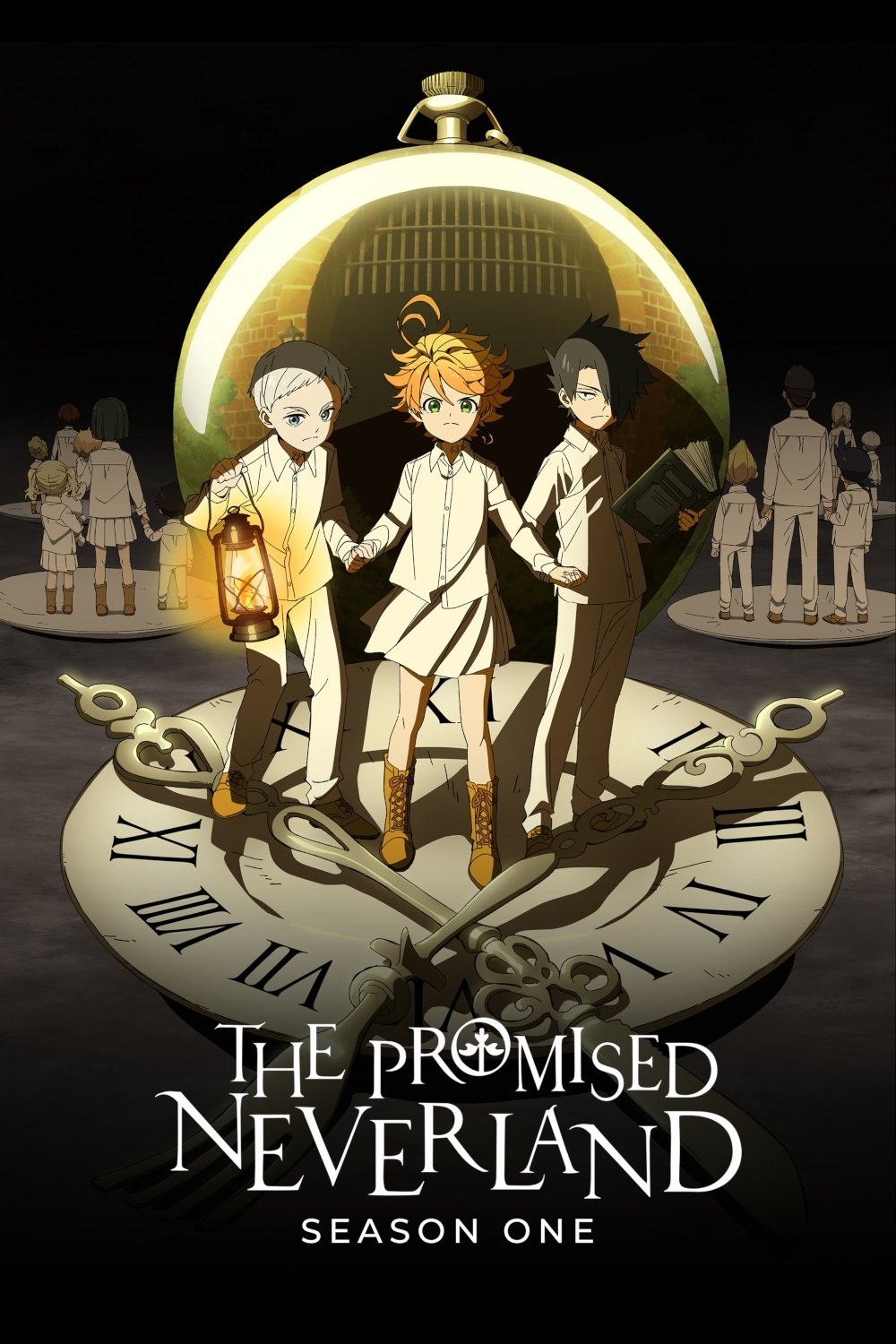
A brand’s visual identity is its first point of contact with the consumer. The visual strategy of The Promised Neverland is centered on the “Contrast Principle.” At first glance, the character designs and the setting of Grace Field House suggest a pastoral, idyllic lifestyle—soft lines, bright lighting, and innocent facial expressions. This “innocent” branding makes the eventual reveal of the story’s dark, high-stakes reality even more impactful.
The Duality of Design
Posuka Demizu’s art style serves as the brand’s visual signature. It combines the whimsy of a fairy tale with the grotesque elements of dark fantasy. This duality is a deliberate branding choice. It creates a “cognitive dissonance” in the consumer, which serves as a powerful engagement hook. In marketing, using visual cues that contradict the narrative tone is a high-risk, high-reward strategy that fosters deep emotional investment. The brand becomes unforgettable because its “packaging” (the art) initially hides the true nature of its “product” (the horror).
Iconic Symbols as Brand Assets
Every successful brand has its logos or symbols. For The Promised Neverland, these are the identification numbers tattooed on the children’s necks and the intricate blueprints of the wall. These symbols are more than just plot devices; they are brand assets used across merchandise, promotional posters, and social media icons. They represent the core themes of the brand: dehumanization, systemic control, and the quest for freedom. By distilling complex themes into simple visual markers, the IP ensured its “brand recall” remained high even among casual viewers.
The Architecture of Engagement: Narrative Hooks as Customer Retention
In the attention economy, the ability to retain an audience week after week is the ultimate metric of brand success. The Promised Neverland is about the architecture of suspense. From a brand strategy viewpoint, each chapter and episode is a “touchpoint” designed to maximize user retention through high-frequency cliffhangers and “mystery-box” storytelling.
Strategic Information Disclosure
The brand manages its intellectual property by rationing information. It treats “truth” as a premium currency. By withholding the full nature of the world outside the orphanage, the creators forced the audience into an active role—theory-crafting, community discussion, and re-watching or re-reading for clues. This transformed the passive consumer into an active brand advocate. In the digital age, this type of community-driven engagement is the holy grail of brand marketing, as it generates organic, word-of-mouth promotion that costs the publisher nothing.
Tactical Pacing and the “Sprint” Narrative
Unlike many manga brands that suffer from “pacing bloat”—stretching out stories for years to maximize short-term revenue—The Promised Neverland was branded as a high-speed sprint. Its initial arc, the “Jailbreak Arc,” is a masterclass in tactical pacing. This created a sense of urgency that permeated the brand’s identity. Consumers felt they were part of a high-stakes event, making the series “appointment viewing.” This brand urgency contributed significantly to its massive initial sales and the critical success of its first anime season.
Scaling the IP: From Manga to Global Media Franchise
A brand’s true value is measured by its scalability. The Promised Neverland was never intended to stay confined to the pages of a magazine. The transition from a manga title to a global multi-media franchise involves a complex brand expansion strategy that includes anime adaptation, live-action films, and extensive merchandising.
Cross-Media Synergy and Brand Consistency
When a brand expands into new formats, maintaining “brand voice” is the greatest challenge. The anime adaptation by CloverWorks initially succeeded by doubling down on the brand’s core pillars: atmosphere and tension. The use of cinematic camera angles and a haunting musical score reinforced the brand’s psychological thriller identity. This synergy between the original source material and its adaptations is what allows an IP to maintain its brand equity across different platforms.
International Marketing and Global Appeal
One of the most fascinating aspects of The Promised Neverland brand is its global resonance. Despite being a Japanese product, the setting—a European-style orphanage—and the universal themes of rebellion against an oppressive system gave it immense international appeal. The brand was “localized” for Western markets with ease because it relied on universal archetypes of survival and family. The strategic decision to use a non-specific, “Western” aesthetic for Grace Field House was a brilliant move in global brand positioning, making it accessible to a worldwide audience without the need for extensive cultural translation.
Managing the Brand Life Cycle
Every brand goes through a life cycle: introduction, growth, maturity, and decline. The Promised Neverland experienced a rapid growth phase but faced significant challenges during its maturity phase, particularly with the controversial second season of the anime. This serves as a cautionary case study in brand management. When an adaptation deviates too far from the brand’s established “promise” (in this case, the intricate tactical plotting of the manga), the brand equity can suffer. However, the strength of the original manga brand remains intact, proving that a well-defined core identity can survive individual failures in sub-brand execution.
Lessons in Niche Positioning for Modern Brands
Ultimately, what The Promised Neverland is about is the successful execution of a niche strategy in a mass-market environment. It proved that you don’t need to follow the traditional industry “playbook” to achieve global success. By focusing on a specific emotional resonance—the fear of the unknown and the triumph of the human intellect—the creators built a brand that stands as a benchmark for narrative innovation.
Innovation as a Brand Pillar
For modern companies and creators, the lesson is clear: innovation is not just about the product; it’s about how the product is positioned against existing competition. The Promised Neverland succeeded because it identified a gap in the market (a lack of high-stakes psychological thrillers for young demographics) and filled it with a high-quality, visually distinct offering.

The Enduring Legacy of the IP
As the brand settles into its legacy phase, it continues to influence new creators and marketers. It remains a prime example of how to build a world that is both claustrophobic and expansive, terrifying and hopeful. Whether analyzed as a story, a business case study, or a branding exercise, The Promised Neverland stands as a testament to the power of a well-defined identity. It is about the courage to subvert expectations, the intelligence to outthink an adversary, and the strategic brilliance required to turn a niche concept into a global phenomenon.
aViewFromTheCave is a participant in the Amazon Services LLC Associates Program, an affiliate advertising program designed to provide a means for sites to earn advertising fees by advertising and linking to Amazon.com. Amazon, the Amazon logo, AmazonSupply, and the AmazonSupply logo are trademarks of Amazon.com, Inc. or its affiliates. As an Amazon Associate we earn affiliate commissions from qualifying purchases.