
The automotive landscape is experiencing a seismic shift, with electric vehicles (EVs) rapidly moving from niche products to mainstream contenders. At the forefront of this revolution is BYD, a Chinese multinational enterprise that has emerged as a global powerhouse in both battery technology and electric vehicle manufacturing. For consumers looking to transition to electric mobility, understanding the pricing of BYD’s diverse model lineup is crucial. This article delves into the price range of BYD cars, exploring the factors that influence their cost and providing insights into their value proposition within the competitive EV market.
Understanding BYD’s Product Portfolio and Pricing Strategy
BYD (Build Your Dreams) is not a single-model automaker; it offers a broad spectrum of electric vehicles, from compact city cars to larger SUVs and even performance-oriented sedans. This diversity directly impacts its pricing strategy, as different segments of the market command different price points.
The Entry-Level Segment: Affordable Electric Mobility
For budget-conscious consumers or those seeking their first electric vehicle, BYD offers compelling options in the entry-level segment. These vehicles are designed to make EV ownership accessible without significant compromises on essential features.
BYD Seagull (or Dolphin Mini)
While specific pricing varies by region and market, the BYD Seagull (often referred to as the Dolphin Mini in some markets) is positioned as one of the most affordable EVs globally. Its target audience is urban dwellers and younger buyers prioritizing practicality and cost-effectiveness. The Seagull typically features a smaller battery pack, enabling a respectable range for city driving, and essential amenities. The price point is designed to compete with or even undercut comparable gasoline-powered compact cars, making it a significant disruptor. In many markets, its price can be found in the sub-$15,000 USD equivalent, making it a groundbreaking option for widespread EV adoption.
BYD Dolphin
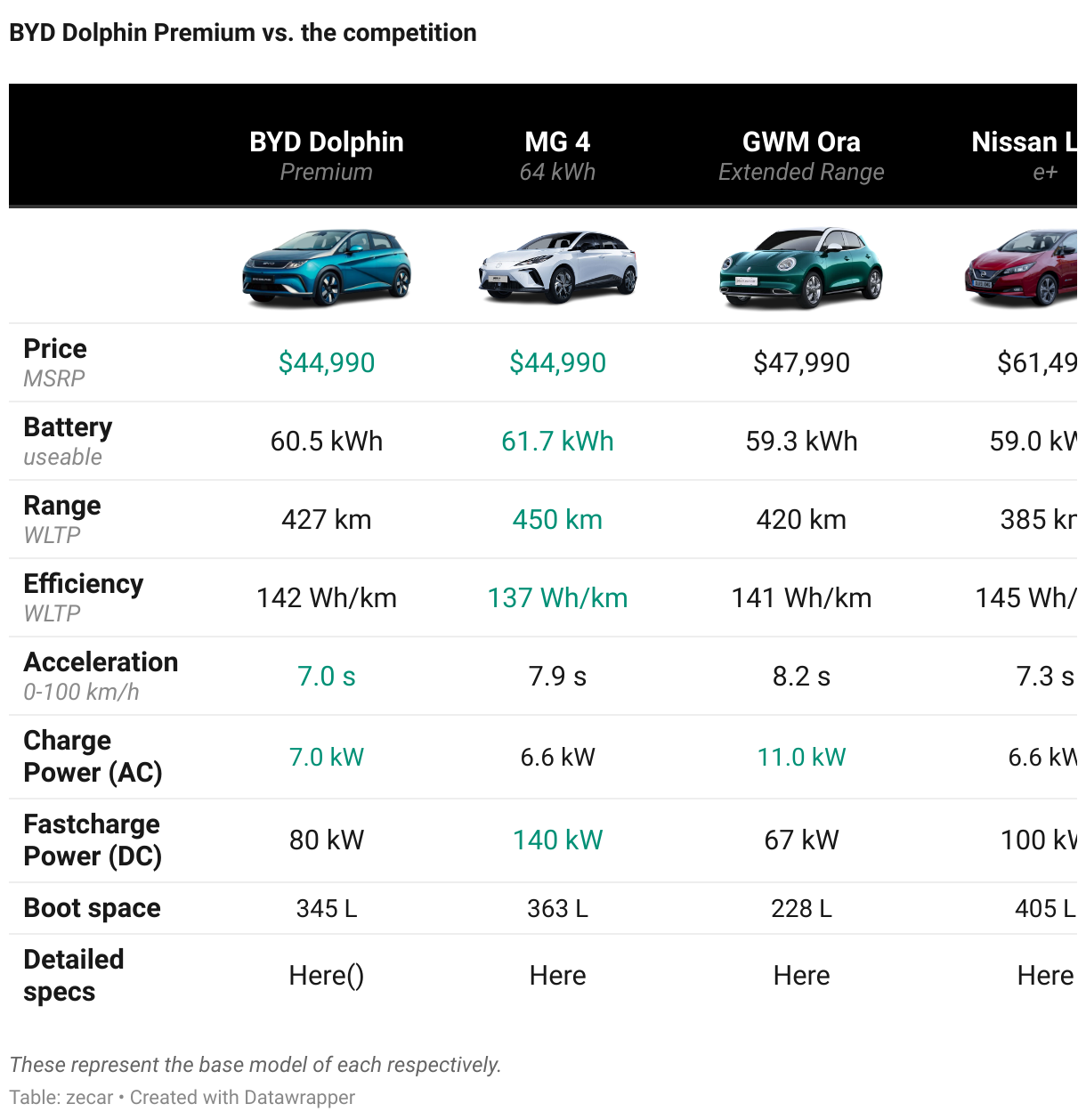
Stepping up slightly in size and features, the BYD Dolphin offers a more versatile experience. It’s a compact hatchback that balances affordability with a more substantial range and a slightly more premium interior. The Dolphin often comes with BYD’s Blade Battery technology, known for its safety and efficiency. Pricing for the Dolphin generally falls in the mid-$20,000s USD equivalent, placing it in direct competition with established compact EVs from other manufacturers. Its appeal lies in its practicality, modern design, and the value it provides for its price, making it a popular choice for families and individuals who need a bit more space and range than the Seagull.
The Mid-Range Segment: Balancing Performance, Range, and Features
As consumers become more accustomed to EVs and their benefits, the demand for vehicles with enhanced performance, longer range, and more advanced features grows. BYD addresses this segment with a range of models that offer a compelling blend of capabilities.
BYD Atto 3 (Yuan Plus)
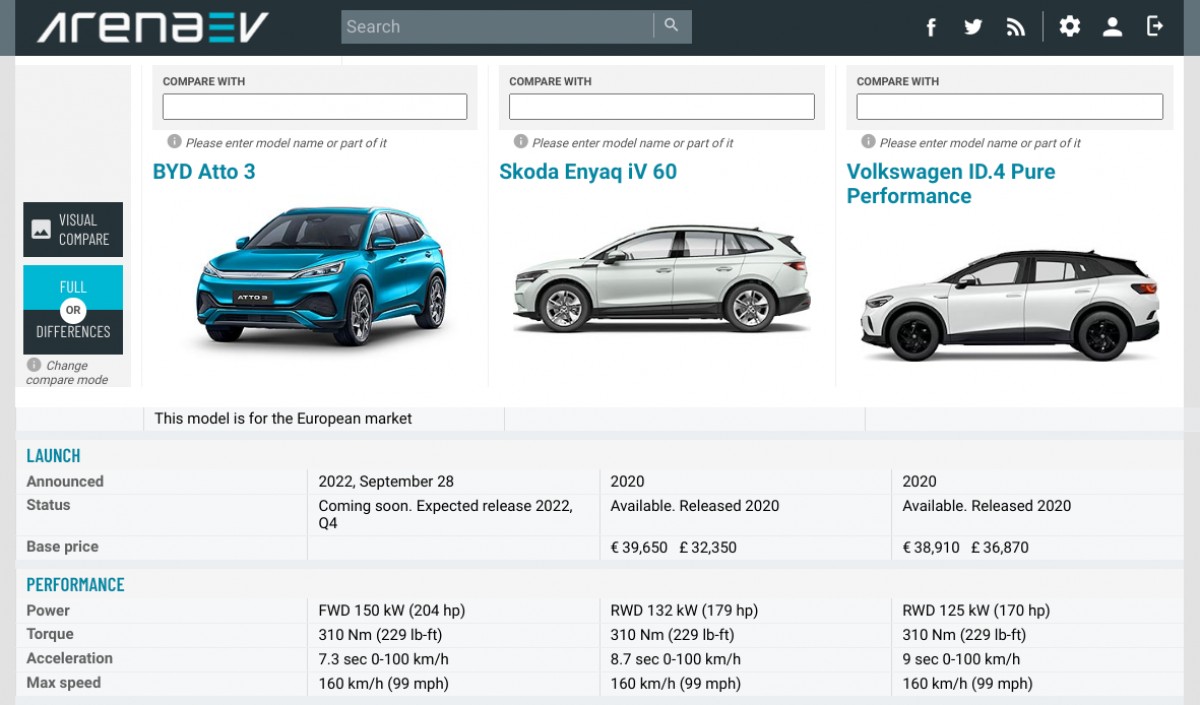
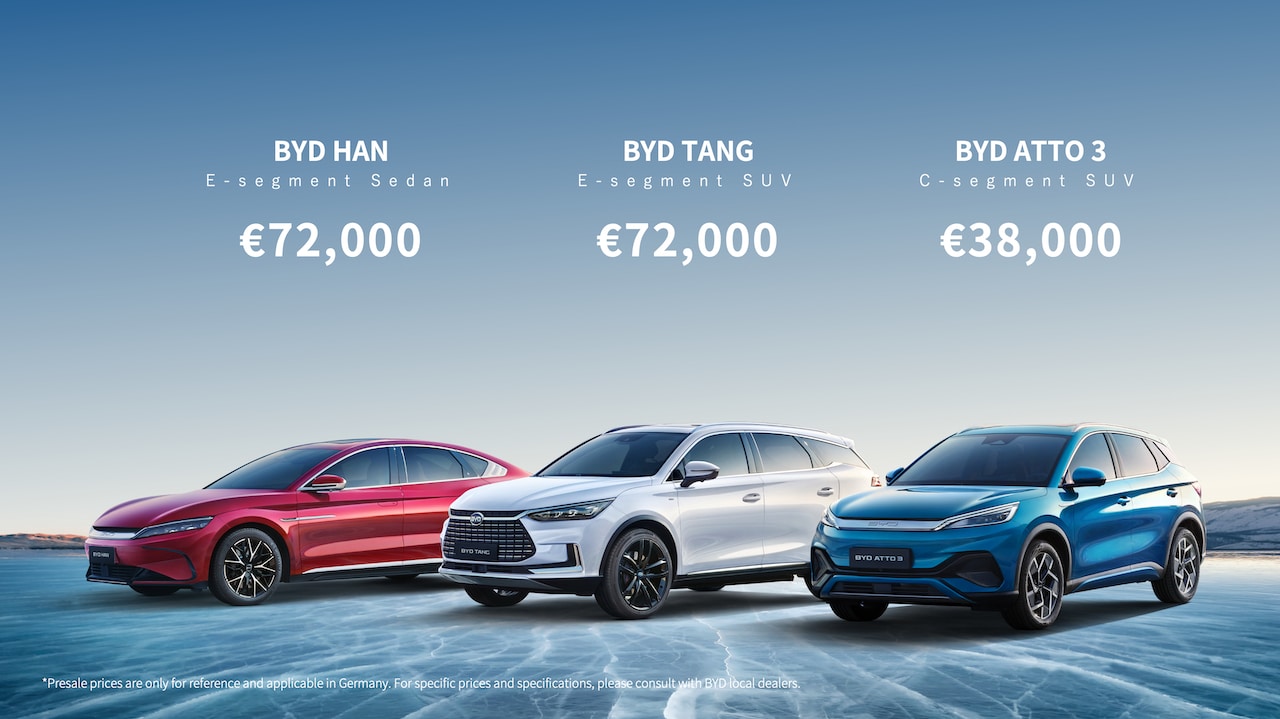
The BYD Atto 3, known as the Yuan Plus in some markets, is a popular compact SUV that has gained significant traction globally. It offers a more SUV-like driving position, a more spacious interior, and a robust range, often exceeding 400 kilometers (WLTP). The Atto 3 is a testament to BYD’s design evolution, featuring a distinctive interior and exterior styling that appeals to a broad demographic. Pricing for the Atto 3 typically starts in the high $20,000s to low $30,000s USD equivalent, depending on the trim level and battery option. It competes fiercely with other compact electric SUVs, and its attractive price point, coupled with its impressive feature set and range, makes it a strong contender for value in its class.
BYD Seal
For those seeking a sportier and more dynamic electric driving experience, the BYD Seal sedan emerges as a strong option. Inspired by BYD’s “Ocean Aesthetic” design language, the Seal boasts sleek lines, a premium interior, and impressive performance capabilities, often rivaling more established performance sedans. It typically features BYD’s advanced battery technology and can offer impressive acceleration and handling. The pricing for the BYD Seal generally places it in the mid-to-high $30,000s USD equivalent, potentially reaching into the $40,000s for higher-performance variants or fully loaded trims. This positions it as a direct competitor to vehicles like the Tesla Model 3, offering a compelling alternative with a strong emphasis on technology and innovation.
The Premium and Performance Segment: Cutting-Edge Technology and Luxury
BYD is also making significant inroads into the premium and performance segments of the EV market, showcasing its technological prowess and commitment to luxury. These vehicles often feature the most advanced battery technology, performance-oriented powertrains, and a host of sophisticated features.
BYD Han
The BYD Han is a flagship sedan that represents the pinnacle of BYD’s luxury and performance offerings. Available in both battery-electric (BEV) and plug-in hybrid (PHEV) configurations, the Han is designed to compete with established luxury sedans. It boasts a spacious and opulent interior, advanced driver-assistance systems, and powerful performance. The all-electric Han often features dual-motor all-wheel drive and can achieve impressive acceleration figures. Pricing for the BYD Han typically starts in the $40,000s to $50,000s USD equivalent and can extend higher for top-tier trims. It aims to offer a premium experience that rivals established luxury brands, providing a strong value proposition for those seeking an electric luxury sedan.
BYD Tang
The BYD Tang is a large, three-row SUV that caters to families or individuals who require more space and versatility. Similar to the Han, the Tang is often available in both BEV and PHEV variants. It emphasizes comfort, safety, and practicality, with a sophisticated interior and a range of advanced features. The Tang’s pricing generally aligns with the premium SUV segment, starting in the $40,000s to $50,000s USD equivalent and climbing for higher specifications. It competes with other larger electric SUVs, offering a compelling option for those who need the practicality of a seven-seater without compromising on electric performance and technology.
Factors Influencing BYD Car Prices
Several key factors contribute to the final price tag of a BYD electric vehicle, extending beyond the base model cost. Understanding these elements allows consumers to better budget for their EV purchase.
Battery Size and Range
Perhaps the most significant factor influencing the price of an electric vehicle is its battery capacity, which directly dictates its electric range. Larger battery packs, capable of storing more energy and thus providing a longer driving range, are more expensive to manufacture. Consequently, models with extended-range options or larger standard battery capacities will command a higher price. BYD offers various battery configurations for many of its models, allowing consumers to choose a balance between cost and range that suits their needs. For instance, a BYD Dolphin with the standard range will be less expensive than the Extended Range version.
Trim Levels and Optional Features
Like all automotive manufacturers, BYD offers its models in various trim levels, each with a different set of standard features and amenities. Higher trim levels typically include more advanced technology, such as larger infotainment screens, premium sound systems, enhanced driver-assistance features, panoramic sunroofs, and upgraded interior materials. These additions contribute to a higher overall price. Furthermore, optional packages and individual add-ons can also increase the final cost. Consumers need to carefully consider which features are essential for them to avoid overspending on unnecessary upgrades.
Powertrain Configuration
BYD offers a range of powertrain options, including front-wheel-drive, rear-wheel-drive, and all-wheel-drive configurations, as well as different power outputs. All-wheel-drive systems, typically employing dual electric motors, inherently increase the complexity and cost of manufacturing, leading to higher prices. Similarly, models with more powerful motors will also command a premium. For example, performance-oriented versions of the BYD Seal or Han with enhanced acceleration capabilities will be priced above their standard counterparts.
Market and Regional Variations
The price of BYD cars can vary significantly from one market to another due to a multitude of reasons. These include import duties, local taxes, government incentives for EV adoption (which can reduce the effective price), transportation costs, and local market demand. Furthermore, BYD’s strategy in different regions may involve offering slightly different model specifications or pricing structures to remain competitive within that specific market. Therefore, it’s essential for potential buyers to research the pricing specific to their country or region.
BYD’s Value Proposition in the Global EV Market
BYD’s pricing strategy is a key component of its aggressive global expansion. The company’s ability to offer a wide range of EVs at competitive price points has been instrumental in its success.
Disrupting Traditional Market Segments
By offering well-equipped and capable EVs at prices that are often lower than comparable offerings from established Western and Japanese automakers, BYD is effectively disrupting traditional market segments. The Seagull, for instance, is making electric mobility accessible to a much broader audience, a segment that was previously dominated by internal combustion engine vehicles. Similarly, models like the Atto 3 and Dolphin provide compelling alternatives to gasoline-powered compact cars and SUVs, offering lower running costs and a more environmentally friendly driving experience.
Technological Leadership and Cost Efficiency
BYD’s vertical integration, particularly its in-house production of batteries, is a significant advantage in controlling costs and ensuring a stable supply chain. This allows them to pass on some of these efficiencies to consumers in the form of more affordable vehicles. Moreover, their commitment to continuous innovation in battery technology, electric powertrains, and intelligent features ensures that their vehicles remain competitive not just on price but also on technological merit. The consistent improvement in battery energy density, charging speeds, and vehicle efficiency further enhances the long-term value proposition of BYD cars.
Long-Term Ownership Costs and Total Cost of Ownership
While the initial purchase price is a crucial consideration, the total cost of ownership (TCO) of an electric vehicle is often significantly lower than that of a gasoline-powered car. BYD EVs benefit from this inherent advantage. Electricity is generally cheaper per mile than gasoline, and EVs have fewer moving parts, leading to lower maintenance costs. BYD’s efficient powertrains and battery technology contribute to maximizing these savings. Therefore, when evaluating the price range of BYD cars, it is essential to consider the long-term financial benefits, including reduced fuel expenses and maintenance, which can make them a more economical choice over the vehicle’s lifespan.
In conclusion, BYD offers a comprehensive range of electric vehicles that cater to a wide array of consumer needs and budgets. From the ultra-affordable Seagull to the luxurious Han and performance-oriented Seal, there is a BYD EV for almost everyone. By strategically leveraging its technological expertise, vertical integration, and a deep understanding of market demands, BYD has positioned itself as a formidable force in the global automotive industry, making electric mobility more accessible and attractive than ever before. Understanding the factors that influence their pricing, from battery size to trim levels and regional variations, empowers consumers to make informed decisions and embrace the future of transportation.
aViewFromTheCave is a participant in the Amazon Services LLC Associates Program, an affiliate advertising program designed to provide a means for sites to earn advertising fees by advertising and linking to Amazon.com. Amazon, the Amazon logo, AmazonSupply, and the AmazonSupply logo are trademarks of Amazon.com, Inc. or its affiliates. As an Amazon Associate we earn affiliate commissions from qualifying purchases.