
The question “what is the price of Google stock?” is a frequent query, reflecting both the company’s monumental presence in modern life and the widespread interest in its financial performance. Google, now operating under the parent company Alphabet Inc. (NASDAQ: GOOGL, GOOG), is far more than just a search engine; it’s a sprawling tech conglomerate encompassing cloud computing, autonomous vehicles, artificial intelligence, and a myriad of other ventures. For investors, understanding the stock’s price goes beyond a simple dollar figure; it necessitates a deeper dive into its unique structure, the forces that shape its value, and how to interpret this information within a broader investment strategy.
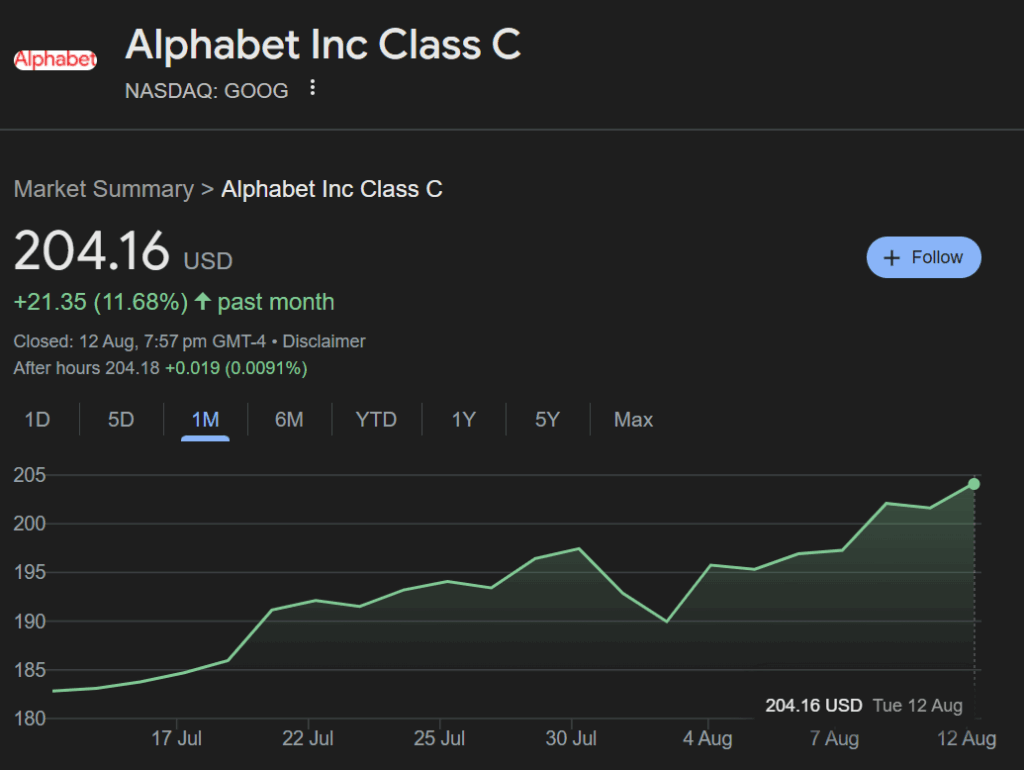
Decoding Alphabet’s Dual-Class Stock Structure
One of the most distinctive aspects of investing in Alphabet is its dual-class stock structure. Unlike many companies that offer a single class of common stock, Alphabet has primarily two publicly traded classes, each with different characteristics, which subtly impact their pricing and appeal to various investor types.
Class A (GOOGL): The Voting Shares
Class A shares, traded under the ticker symbol GOOGL, are what many refer to as the “voting shares.” Each share of GOOGL typically grants its holder one vote on company matters, such as electing board members or approving major corporate actions. For investors who prioritize a voice in corporate governance, GOOGL is the preferred choice. While individual retail investors often have limited influence, large institutional investors and activist shareholders might accumulate Class A shares to exert pressure or guide company direction. The voting rights inherent in GOOGL can sometimes lead to a slight premium over its non-voting counterpart, as the market places a value on control and influence.
Class C (GOOG): The Non-Voting Shares
Class C shares, trading under the ticker GOOG, are the non-voting counterpart. These shares do not confer any voting rights upon their holders. Alphabet created these non-voting shares in 2014 primarily to enable its founders, Larry Page and Sergey Brin, along with former CEO Eric Schmidt, to maintain control over the company’s strategic direction even as they raised capital and issued more stock. By issuing non-voting shares, the company could expand its equity base without diluting the founders’ voting power. For most retail investors whose primary interest is capital appreciation rather than corporate control, GOOG shares are often indistinguishable from GOOGL in terms of financial return, and their prices tend to track each other very closely.
The Rarely Seen Class B Shares
While GOOGL and GOOG are the publicly traded classes, it’s worth noting that a third class, Class B shares, exists. These shares are not publicly traded and are predominantly held by the company’s founders and a few insiders. Critically, Class B shares carry ten votes per share, giving their holders super-voting power. This structure ensures that despite the vast number of publicly traded shares, the original founders retain significant control over Alphabet’s long-term vision and decision-making, a crucial element for understanding the company’s governance model.
Factors Influencing Alphabet’s Stock Price
The price of Alphabet’s stock, like any publicly traded asset, is a dynamic reflection of numerous interconnected factors. Understanding these drivers is essential for any investor looking beyond a simple quote.
Market Demand and Investor Sentiment
The fundamental principle of supply and demand heavily influences stock prices. When more investors want to buy Alphabet shares than sell them, the price tends to rise, and vice-versa. This demand is often fueled by investor sentiment, which can be rational or emotional. Positive news, strong earnings reports, analyst upgrades, or general optimism about the tech sector can drive demand, while negative headlines, regulatory fears, or broad market downturns can diminish it.
Financial Performance and Earnings Reports
Alphabet’s quarterly and annual financial results are critical price movers. Investors closely scrutinize revenue growth (especially from its core Google Search, YouTube, and Google Cloud segments), profitability metrics (net income, earnings per share), and operating margins. Strong performance demonstrates the company’s ability to execute its business strategy and generate wealth, leading to increased investor confidence and often a higher stock price. Conversely, missed earnings targets or disappointing guidance can trigger sell-offs.
Economic Indicators and Interest Rates
Broader macroeconomic conditions play a significant role. High inflation or rising interest rates, for instance, can disproportionately impact growth stocks like Alphabet. Higher rates increase the cost of capital for businesses and make future earnings streams less valuable when discounted back to the present. Economic slowdowns can also reduce advertising spending, a major revenue source for Alphabet, and dampen consumer spending on related services, directly affecting the company’s top line.
Regulatory Environment and Competition
Alphabet operates in highly regulated industries and faces intense scrutiny from governments worldwide regarding antitrust, data privacy, and content moderation. Potential fines, forced divestitures, or stricter operational limitations imposed by regulators can significantly impact investor sentiment and the stock price. Furthermore, competition from other tech giants (e.g., Microsoft in cloud, Meta in advertising) and emerging startups constantly challenges Alphabet’s market dominance and necessitates continuous innovation, impacting its long-term growth prospects.
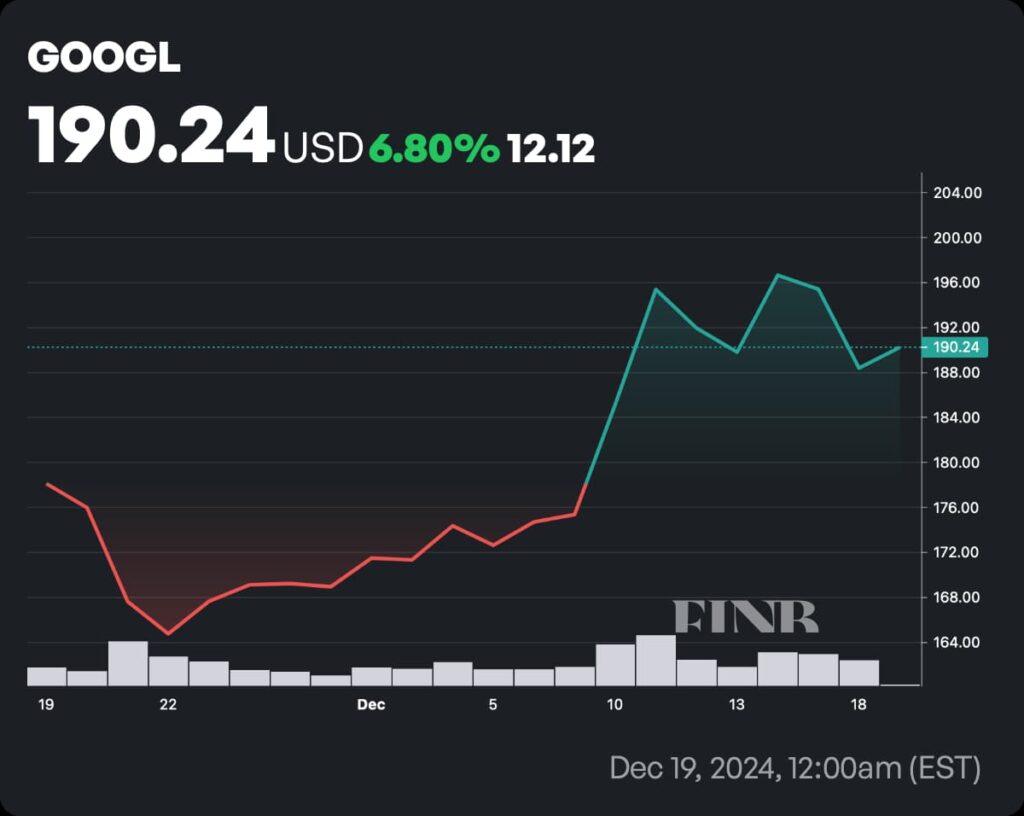
Innovation and Future Growth Prospects
As a technology company, Alphabet’s stock price is heavily tied to its capacity for innovation and its perceived future growth opportunities. Announcements regarding breakthroughs in AI, advancements in autonomous driving (Waymo), expansion of Google Cloud’s market share, or successful “Other Bets” (moonshot projects) can inject optimism and drive the stock higher. Investors are always looking for the next big thing, and Alphabet’s ability to consistently deliver on this front is a powerful catalyst.
How to Find the Current Price of Google Stock
Accessing real-time or near real-time stock prices for Alphabet is straightforward, thanks to a plethora of financial platforms available to individual and institutional investors.
Real-Time Financial Data Platforms
Most major financial websites and brokerage platforms provide up-to-the-minute stock quotes. Popular options include:
- Google Finance: Often the most direct, offering comprehensive data and news.
- Yahoo Finance: Provides detailed charts, news, and community forums.
- Bloomberg, Reuters, The Wall Street Journal: Reputable sources for professional-grade financial data and market analysis.
- Brokerage Platforms: Your own investment account (e.g., Fidelity, Charles Schwab, E*TRADE, Robinhood) will typically display real-time quotes directly within its interface.
When checking these platforms, be mindful of whether the data is truly “real-time” or slightly “delayed” (e.g., by 15-20 minutes). For most casual investors, delayed data is sufficient, but active traders require real-time feeds.
Understanding Key Metrics on Stock Pages
Beyond the headline price, a stock quote page offers a wealth of information crucial for understanding the stock’s immediate performance and broader context:
- Last Price: The most recent price at which a trade occurred.
- Change / % Change: How much the price has moved up or down since the previous day’s close, expressed in dollars and percentage.
- Day’s Range: The highest and lowest price the stock traded at during the current trading day.
- 52-Week Range: The highest and lowest price the stock traded at over the past year, indicating its volatility and long-term trend.
- Volume: The number of shares traded during the current day, an indicator of liquidity and investor interest.
- Market Capitalization (Market Cap): The total value of all outstanding shares (stock price x number of shares), representing the company’s size.
- P/E Ratio (Price-to-Earnings Ratio): The stock price divided by its earnings per share, a common valuation metric indicating how much investors are willing to pay per dollar of earnings. Alphabet, like many growth companies, typically does not pay a dividend.
Investing in Alphabet: Beyond the Share Price
While knowing the current share price is the starting point, a truly informed investment decision requires a deeper understanding of valuation, long-term prospects, and how Alphabet fits into an individual’s financial strategy.
Valuation Metrics and Their Importance
A single share price alone doesn’t tell you if a stock is “expensive” or “cheap.” Valuation metrics provide context:
- Price-to-Earnings (P/E) Ratio: This is perhaps the most widely used metric. Comparing Alphabet’s P/E to its historical average, its industry peers, or the broader market (e.g., S&P 500) can help assess if it’s trading at a premium or discount. Growth companies like Alphabet often command higher P/E ratios due to expectations of future earnings expansion.
- Price-to-Sales (P/S) Ratio: Useful for companies with fluctuating earnings or high growth but low current profitability.
- PEG Ratio (Price/Earnings to Growth): Relates the P/E ratio to the earnings growth rate, offering a more nuanced view for growth stocks.
- Free Cash Flow (FCF): Analyzing Alphabet’s ability to generate significant free cash flow is crucial, as this capital can be used for reinvestment, acquisitions, or returning value to shareholders.
Long-Term Growth Potential and Risks
Alphabet boasts formidable competitive advantages: its dominant search engine, expansive advertising network, and growing cloud infrastructure. Its continuous investment in AI and other emerging technologies positions it for future growth. However, investors must also weigh the risks. Regulatory pressures remain a persistent concern, particularly regarding its market power and data practices. Intense competition, potential shifts in technology or consumer behavior, and the inherent risks of its “Other Bets” portfolio (which often operate at a loss) are all factors to consider in a long-term investment horizon.
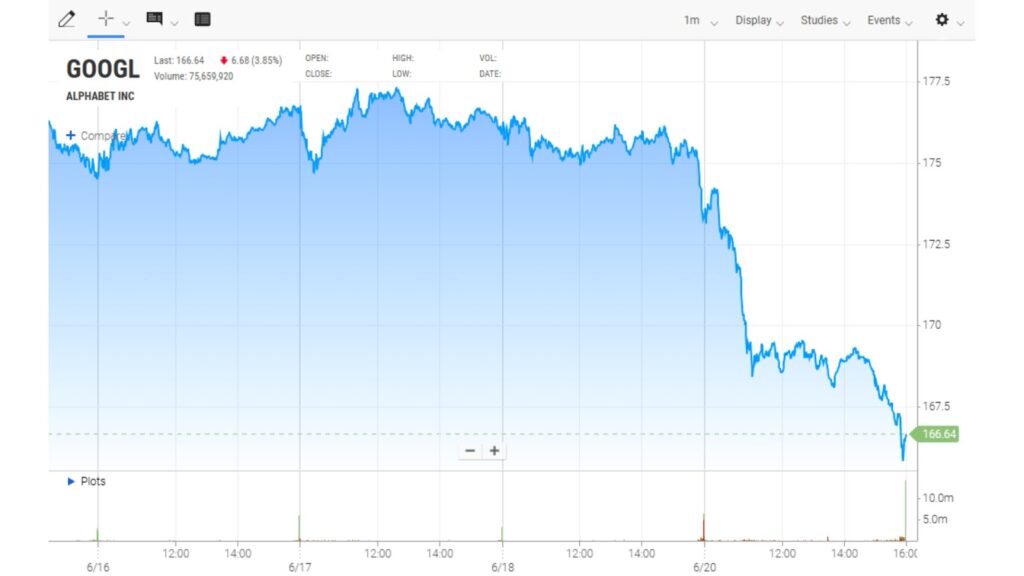
Diversification and Investment Strategy
Even a seemingly robust stock like Alphabet should ideally be part of a diversified investment portfolio. Over-reliance on a single stock, no matter how strong the company, concentrates risk. Investors should consider their personal financial goals, time horizon, and risk tolerance. Strategies like dollar-cost averaging (investing a fixed amount regularly, regardless of price) can help mitigate the impact of market volatility. Ultimately, investing in Alphabet, like any company, should align with a well-thought-out financial plan.
In conclusion, the price of Google stock, whether GOOGL or GOOG, is a dynamic figure shaped by a multitude of internal company factors, external market forces, and global economic trends. For an investor, understanding this price is merely the first step. A comprehensive approach involves delving into Alphabet’s unique stock structure, analyzing its financial health and growth drivers, assessing its valuation metrics, and integrating it wisely into a broader investment strategy. Informed decisions always stem from thorough due diligence, looking far beyond the daily ticker movement.
aViewFromTheCave is a participant in the Amazon Services LLC Associates Program, an affiliate advertising program designed to provide a means for sites to earn advertising fees by advertising and linking to Amazon.com. Amazon, the Amazon logo, AmazonSupply, and the AmazonSupply logo are trademarks of Amazon.com, Inc. or its affiliates. As an Amazon Associate we earn affiliate commissions from qualifying purchases.