
The question “what is the price of Facebook stock?” is more than a simple query about a number; it’s an entry point into the complex world of market valuation, investment strategy, and the dynamic forces that shape the value of publicly traded companies. While widely known as Facebook, the parent company rebranded to Meta Platforms Inc. in October 2021, reflecting its ambitious pivot towards the metaverse. As such, investors today look for the stock symbol META to track the company that still owns Facebook, Instagram, WhatsApp, and Oculus. Understanding the price of META stock requires a deep dive into financial metrics, market sentiment, and the company’s strategic direction, all viewed through the lens of a discerning investor.

Decoding Meta’s Market Valuation: What Drives the Stock Price?
The stock price of Meta Platforms, like any other publicly traded company, is a reflection of numerous factors, both internal and external. It’s not a static figure but a constantly fluctuating number, representing the collective perception of its value at any given moment. For investors, understanding these drivers is paramount to making informed decisions.
The Ticker Symbol: META and its Real-Time Fluctuations
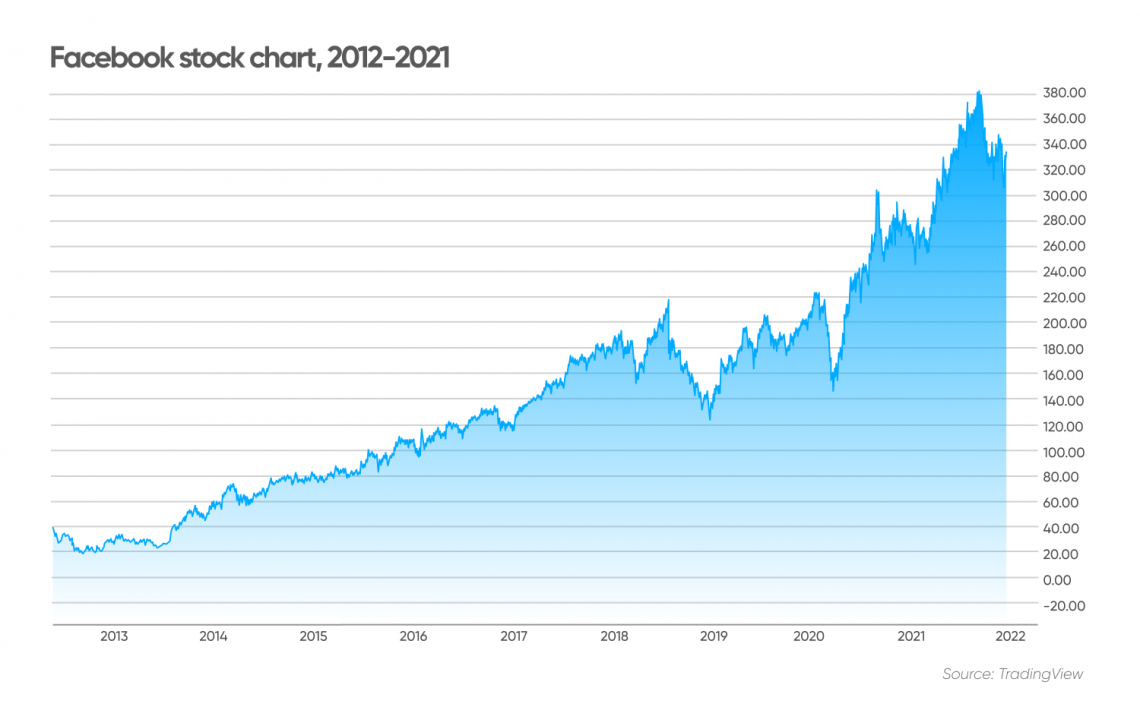
When you ask for the “price of Facebook stock,” you are seeking the current trading price of Meta Platforms Inc. (META) shares on a stock exchange, primarily the Nasdaq Global Select Market. This price is determined by the most basic economic principle: supply and demand. Every second, millions of investors, from individual traders to large institutional funds, buy and sell shares. If more investors want to buy than sell, the price tends to rise; conversely, if more want to sell, the price tends to fall. This real-time fluctuation is why the stock price is always changing during market hours. Accessing this information is straightforward through financial news websites, brokerage platforms, or dedicated market data providers. It’s crucial to distinguish between real-time quotes, which require a subscription or brokerage account, and delayed quotes, which are often freely available but can be 15-20 minutes behind.
Fundamental Drivers: Earnings, Revenue, and User Engagement
At the core of Meta’s valuation are its fundamentals: the financial health and operational performance of the business. These are the bedrock upon which long-term value is built.
- Earnings Per Share (EPS): This is perhaps the most scrutinized metric. EPS indicates how much profit the company makes for each outstanding share. Strong, consistent earnings growth signals a healthy, profitable business, often leading to higher stock prices.
- Revenue Growth: Meta’s revenue primarily comes from advertising across its family of apps (Facebook, Instagram, Messenger, WhatsApp) and, increasingly, from Reality Labs (Oculus VR headsets and metaverse technologies). Robust revenue growth demonstrates the company’s ability to expand its user base, improve ad monetization, or successfully launch new revenue streams.
- User Engagement Metrics: For an advertising-driven platform, the number of users and their level of engagement are critical. Metrics like Daily Active Users (DAU), Monthly Active Users (MAU), and Average Revenue Per User (ARPU) directly impact Meta’s ability to attract advertisers and command higher ad prices. A decline in these numbers can signal trouble, whereas growth can boost investor confidence.
- Profit Margins: Beyond just revenue and earnings, investors look at profit margins (gross, operating, net). These indicate how efficiently Meta converts its revenue into profit, reflecting cost management and operational effectiveness.
Market Sentiment and Macroeconomic Influences
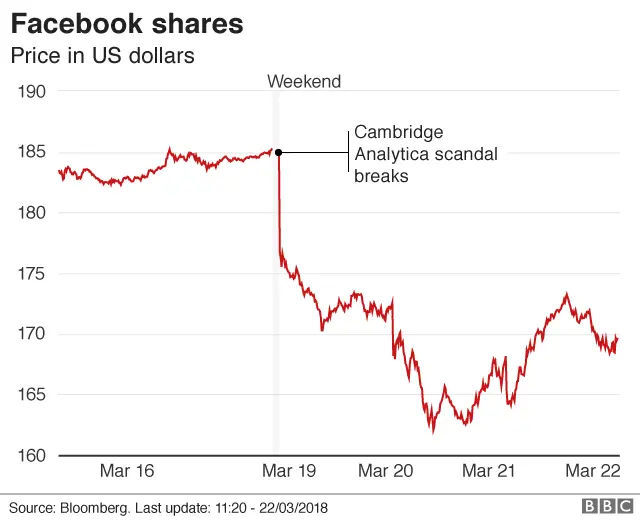
Beyond the company’s intrinsic value, external factors play a significant role. Market sentiment, driven by news cycles, analyst ratings, and investor psychology, can cause considerable swings. Positive news (e.g., successful product launches, strong earnings reports) can create a bullish sentiment, while negative news (e.g., regulatory fines, privacy scandals) can lead to bearish pressure. Macroeconomic factors, such as interest rates, inflation, GDP growth, and geopolitical events, also cast a wide net. For instance, higher interest rates can make future earnings less valuable in present terms, potentially depressing stock prices across the market, including Meta. A recessionary environment can lead to reduced advertising spending, directly impacting Meta’s primary revenue source.
Key Financial Metrics for Evaluating Meta as an Investment
To truly understand Meta’s stock price, an investor must look beyond the number itself and delve into a suite of financial metrics that provide context and insight into the company’s valuation relative to its performance and peers.
Beyond the Price: Price-to-Earnings (P/E) and Market Capitalization
- Price-to-Earnings (P/E) Ratio: This ratio compares the current share price to the company’s earnings per share. A high P/E ratio can indicate that investors expect higher earnings growth in the future, or that the stock is potentially overvalued. A lower P/E might suggest undervaluation or lower growth expectations. Comparing Meta’s P/E to its historical average and to industry peers (e.g., Google, Amazon) provides valuable context.
- Market Capitalization: This is the total value of all outstanding shares, calculated by multiplying the current share price by the total number of shares outstanding. It tells you the company’s overall size in the market. Meta’s market cap places it among the largest companies globally, which often means greater stability but potentially slower growth rates compared to smaller, emerging companies.
Growth Metrics: Revenue, EPS, and Free Cash Flow
While historical performance is important, investors often prioritize a company’s growth trajectory.
- Revenue Growth Rate: A consistent double-digit revenue growth rate signals a thriving business. For a mature company like Meta, even single-digit growth can be significant given its massive scale.
- Earnings Per Share (EPS) Growth: Consistent EPS growth, year-over-year, is a strong indicator of increasing profitability and can drive share price appreciation.
- Free Cash Flow (FCF): This is the cash a company generates after accounting for cash outflows to support operations and maintain its capital assets. FCF is crucial because it represents the cash available to pay down debt, pay dividends, repurchase shares, or invest in new ventures. A healthy and growing FCF indicates financial strength and flexibility.
Balance Sheet Strength and Shareholder Returns
A strong balance sheet is a sign of financial resilience. Investors examine:
- Cash and Cash Equivalents: A substantial cash reserve provides a cushion against economic downturns and allows for strategic investments or acquisitions.
- Debt Levels: While some debt can be healthy, excessive debt can pose a risk, especially in a rising interest rate environment. Investors look for a manageable debt-to-equity ratio.
- Shareholder Returns: While Meta has not historically paid a dividend, share repurchases (buybacks) are another way to return value to shareholders. By reducing the number of outstanding shares, buybacks can boost EPS and potentially the stock price. Investors monitor these programs to understand management’s commitment to shareholder value.
The Evolving Landscape: Risks and Opportunities for Meta’s Stock
Meta Platforms is not just a tech giant; it’s a company at a crossroads, navigating significant challenges while pursuing transformative opportunities. Both facets directly influence investor sentiment and, by extension, the stock price.
Regulatory Hurdles and Privacy Concerns
One of the most persistent risks for Meta is regulatory scrutiny. Governments worldwide are increasingly focused on issues like data privacy (e.g., GDPR, CCPA), antitrust concerns related to its market dominance, and content moderation policies. Fines, mandated changes to business practices, or even potential breakups could significantly impact Meta’s financial model and operational efficiency. The ongoing debate around Section 230 in the U.S. also presents a legislative risk concerning liability for user-generated content.
Competition and the Battle for User Attention
Despite its enormous reach, Meta faces fierce competition. TikTok has emerged as a formidable rival for user attention, particularly among younger demographics. Other platforms like Snapchat, X (formerly Twitter), and emerging decentralized social networks constantly vie for market share. This competitive pressure forces Meta to continually innovate, invest heavily in new features (like Reels to compete with short-form video), and acquire promising startups, all of which incur significant costs that can weigh on profitability.
The Metaverse Bet: Long-Term Vision vs. Short-Term Costs
Meta’s pivot to the metaverse represents its biggest strategic gamble. Investing billions of dollars annually into Reality Labs, the division building the metaverse, has been a significant drag on profits in the short term. Investors are divided: some see it as a visionary move that could unlock trillions in value, similar to the early internet, while others view it as a risky, costly endeavor with an uncertain payoff and timeline. The success or failure of the metaverse vision, and the pace at which it achieves profitability, will profoundly impact Meta’s stock performance over the next decade.
AI Integration and Advertising Market Resilience
On the opportunity front, Meta’s extensive data and computational power position it well for advancements in Artificial Intelligence. AI is crucial for improving content recommendations, optimizing advertising targeting, and enhancing user experiences across its platforms. Successful integration of AI can boost engagement and ad revenue. Furthermore, while the digital advertising market can be cyclical, its long-term trend remains upward. Meta’s dominant position, coupled with its ability to adapt to changing advertiser needs and privacy norms (like Apple’s App Tracking Transparency changes), could ensure its continued resilience in this crucial market. Diversification into new ad formats and e-commerce functionalities also presents growth avenues.
Practical Steps for Tracking and Investing in Meta Stock
For those interested in understanding or potentially investing in Meta Platforms, several practical steps are involved in tracking its stock price and making investment decisions.
Utilizing Financial Platforms for Current Data
The simplest way to track the current price of Meta Platforms (META) stock is through readily available financial platforms. Websites like Google Finance, Yahoo Finance, Bloomberg, Reuters, and dedicated brokerage platforms offer real-time (or near real-time) quotes, historical charts, news feeds, and key financial data. These platforms also provide analyst ratings, earnings calendars, and investor presentations, which are invaluable resources for comprehensive due diligence. Many also offer mobile apps, allowing investors to monitor their holdings and market movements on the go.
The Role of Brokerage Accounts and Investment Strategies
To actually buy or sell META stock, you will need an investment brokerage account. These accounts can be opened with traditional full-service brokers or, more commonly for individual investors, with online discount brokers. Once the account is funded, you can place orders to buy or sell shares. Investors employ various strategies:
- Long-term investing: Holding shares for years, focusing on the company’s fundamental growth and patiently riding out short-term market fluctuations.
- Short-term trading: Attempting to profit from brief price movements, which carries higher risk and requires more active monitoring.
- Dollar-Cost Averaging: Investing a fixed amount of money at regular intervals, regardless of the stock price. This strategy helps to average out the purchase price over time and reduces the risk of trying to “time the market.”
The Importance of Due Diligence and Diversification
Before making any investment, thorough due diligence is non-negotiable. This means not just looking at the stock price but delving into Meta’s financial statements, reading analyst reports, understanding its competitive landscape, and staying informed about industry trends and regulatory developments. It’s crucial to understand the risks as well as the potential rewards.
Furthermore, diversification is a cornerstone of sound investment strategy. Investing solely in a single stock, even a large and seemingly stable one like Meta, exposes an investor to concentration risk. If Meta’s stock performs poorly, your entire portfolio could suffer. Spreading investments across different companies, industries, and asset classes (stocks, bonds, real estate) helps mitigate risk and can lead to more consistent returns over the long term. Consulting with a qualified financial advisor can provide personalized guidance tailored to your financial goals and risk tolerance.
Conclusion: Navigating the Dynamics of a Tech Giant’s Stock
The question “what is the price of Facebook stock?” ultimately leads us to Meta Platforms (META), a company whose valuation is a complex interplay of its financial performance, strategic vision for the metaverse, intense competition, and a challenging regulatory environment. Its stock price is a living, breathing number, reflecting the collective assessment of millions of participants in a global market. For investors, understanding this dynamic requires more than just knowing the latest quote; it demands a deep dive into fundamental analysis, an awareness of market sentiment, and a clear grasp of the opportunities and risks that define Meta’s journey. As Meta continues to evolve and reshape the digital landscape, its stock will remain a fascinating, and potentially rewarding, subject for informed investors.
aViewFromTheCave is a participant in the Amazon Services LLC Associates Program, an affiliate advertising program designed to provide a means for sites to earn advertising fees by advertising and linking to Amazon.com. Amazon, the Amazon logo, AmazonSupply, and the AmazonSupply logo are trademarks of Amazon.com, Inc. or its affiliates. As an Amazon Associate we earn affiliate commissions from qualifying purchases.