
The phrase “the present interest rate” seems simple enough, yet it opens a window into the complex, dynamic heart of global finance. Far from being a singular, fixed number, “the present interest rate” is a constantly evolving tapestry of figures, each reflecting specific market conditions, borrower risks, and the overarching monetary policy set by central banks. Understanding these rates is not merely an academic exercise; it is crucial for individuals planning their personal finances, businesses making investment decisions, and investors navigating volatile markets. This article will demystify the current interest rate environment, exploring how these rates are determined, their multifaceted impact, and how to effectively navigate the landscape they create.
Understanding the Central Bank’s Role: The Benchmark Rate
At the core of virtually every interest rate decision lies the influence of a nation’s central bank. These powerful institutions, such as the U.S. Federal Reserve, the European Central Bank (ECB), or the Bank of England, are tasked with maintaining economic stability, controlling inflation, and fostering sustainable growth. Their primary tool in achieving these objectives is the setting of a benchmark interest rate.
The Federal Funds Rate (or Equivalent): The Economic Thermostat
In the United States, the most closely watched benchmark is the Federal Funds Rate. This is not a rate that consumers or businesses directly pay or receive, but rather the target rate for overnight lending between banks. When a bank has excess reserves, it can lend them to another bank that needs to meet its reserve requirements. The Federal Open Market Committee (FOMC) of the Federal Reserve sets a target range for this rate, which then acts as a foundational cost of money for the entire financial system. Similarly, the ECB uses its Main Refinancing Operations (MRO) rate and deposit facility rate, while the Bank of England utilizes its Bank Rate. These benchmark rates serve as the “economic thermostat,” signaling the central bank’s stance on monetary policy.
How the Benchmark Rate Influences Other Rates: The Ripple Effect
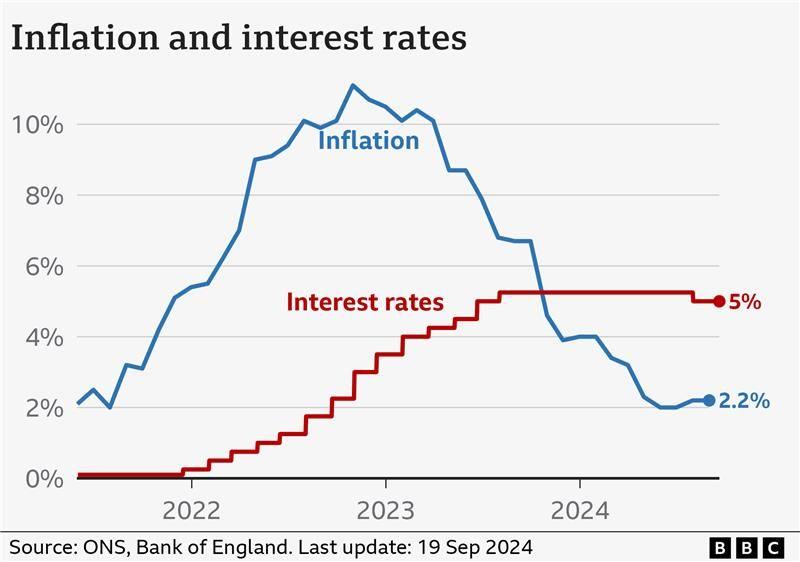
Changes in the benchmark rate initiate a powerful ripple effect throughout the economy, a process known as the monetary policy transmission mechanism. When the central bank raises its benchmark rate, commercial banks find it more expensive to borrow from each other, or from the central bank itself. This increased cost of funds is then passed on to consumers and businesses in the form of higher interest rates on loans and credit products. Conversely, a reduction in the benchmark rate lowers borrowing costs for banks, encouraging them to lend more freely and at lower rates, thereby stimulating economic activity. This interconnectedness means that even a seemingly small adjustment by a central bank can have far-reaching consequences across various financial products.
Factors Influencing Central Bank Decisions: A Delicate Balancing Act
Central banks do not set interest rates arbitrarily. Their decisions are based on a careful analysis of numerous economic indicators and a delicate balancing act between competing objectives. Key factors include:
- Inflation: The primary mandate for many central banks is price stability. If inflation is running too high, central banks will typically raise rates to cool down the economy, making borrowing more expensive and thus curbing demand.
- Employment Levels: Central banks also monitor unemployment rates. A robust job market with low unemployment might indicate an economy nearing its capacity, potentially leading to inflationary pressures, prompting rate hikes. Conversely, high unemployment could signal a need for lower rates to stimulate hiring and investment.
- Economic Growth: Gross Domestic Product (GDP) growth is a crucial indicator. Strong, sustained growth might allow for higher rates, while sluggish or contracting growth could necessitate lower rates to encourage spending and investment.
- Global Economic Conditions: International trade, currency exchange rates, and geopolitical events can all influence a central bank’s domestic policy decisions, as national economies are deeply intertwined with the global financial system.
Navigating these factors requires immense foresight and often involves difficult choices, as policy decisions today can have delayed but significant impacts months or even years down the line.
The Current Landscape: A Snapshot of Key Rates
While the central bank’s benchmark rate is foundational, it’s the multitude of rates directly affecting consumers and businesses that truly define “the present interest rate” environment. These rates vary significantly based on the type of loan, the borrower’s creditworthiness, the loan’s term, and prevailing market conditions.
Mortgage Rates: The Cost of Homeownership
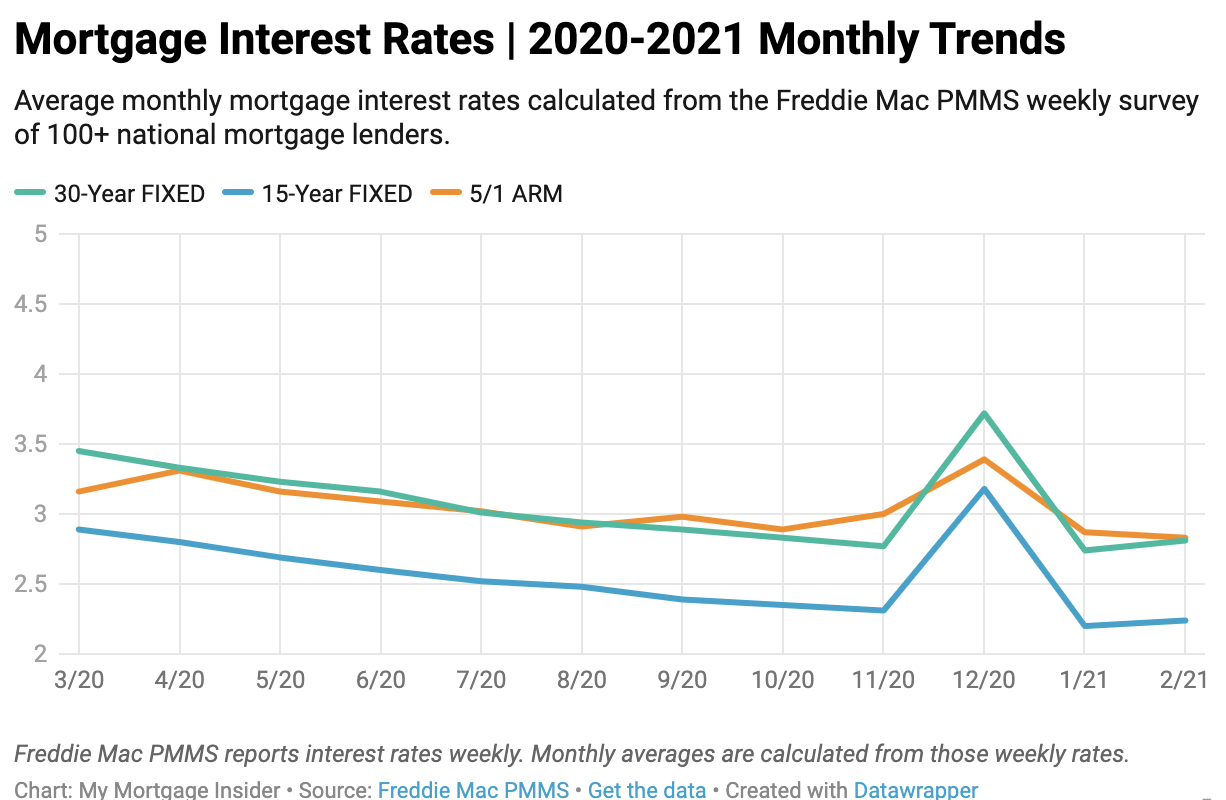
For many, mortgage rates are the most impactful interest rates, determining the affordability of homeownership. These rates are primarily influenced by the central bank’s benchmark rate, but also by the yields on long-term government bonds (e.g., 10-year Treasury bonds in the U.S.), inflation expectations, and the overall demand for housing. In periods of rising central bank rates, mortgage rates tend to climb, making monthly payments higher for new homebuyers or those looking to refinance. Fixed-rate mortgages offer stability, locking in an interest rate for the life of the loan, while adjustable-rate mortgages (ARMs) fluctuate with market conditions, offering lower initial rates but carrying the risk of future increases.
Consumer Loan Rates: Credit Cards, Auto Loans, and Personal Loans
Consumer loan rates are typically higher than mortgage rates due to shorter terms and often unsecured nature.
- Credit Card Rates: These are among the highest interest rates consumers face, largely because credit card debt is unsecured and repayment terms are flexible. They tend to be very responsive to changes in the central bank’s benchmark rate, often adjusting within one or two billing cycles.
- Auto Loan Rates: Rates for car loans are generally lower than credit card rates, as the vehicle serves as collateral. They are influenced by the benchmark rate, the borrower’s credit score, and the loan term.
- Personal Loan Rates: These can vary widely based on the borrower’s credit history and the lender. They often fall between auto loan and credit card rates, offering an option for consolidating debt or financing specific needs.
Savings and Investment Rates: The Reward for Patience
On the flip side of borrowing, interest rates also determine the returns on savings.
- Savings Accounts and Money Market Accounts: These offer relatively low but stable interest rates, providing liquidity and security. In a rising rate environment, these rates will eventually increase, albeit often lagging behind lending rates.
- Certificates of Deposit (CDs): CDs offer higher rates than standard savings accounts in exchange for locking up funds for a specified period (e.g., 6 months, 1 year, 5 years). Their rates are generally more sensitive to the central bank’s policy rates and offer a good gauge of short-to-medium term interest rate expectations.
- Bonds: Government and corporate bonds pay a fixed interest rate (coupon) to investors. Their yields, however, fluctuate with market demand and central bank policy, making them an important indicator for the broader investment landscape.
Business Loan Rates: Fueling Growth and Innovation
Businesses, from small startups to multinational corporations, rely on various forms of debt financing. Business loan rates are influenced by the benchmark rate, the company’s creditworthiness, the type of loan (e.g., term loan, line of credit), and the loan’s purpose. Higher business loan rates increase the cost of capital, potentially dampening investment in new projects, expansion, or hiring. Conversely, lower rates can stimulate economic activity by making it cheaper for businesses to borrow and grow.
The Economic Impact of “The Present” Interest Rate Environment
The collective state of these various interest rates profoundly impacts economic activity, shaping decisions from household budgets to corporate investment strategies.
For Borrowers: Managing Debt in a Dynamic Environment
When interest rates are high, borrowing becomes more expensive. This directly affects individuals with variable-rate debt, such as certain mortgages or credit cards, where monthly payments can increase. For new borrowers, higher rates translate to larger payments on home loans, auto loans, and personal loans, potentially reducing affordability. This can lead to a slowdown in consumer spending on big-ticket items, as a larger portion of disposable income is allocated to debt servicing. Businesses, too, face higher costs of capital, which can delay or deter expansion plans and capital expenditures.
For Savers and Investors: Opportunities and Challenges
While borrowers may face headwinds, savers can find opportunities in a higher interest rate environment. Increased rates on savings accounts, money market accounts, and Certificates of Deposit (CDs) offer better returns on cash holdings, encouraging saving. For investors, higher interest rates often mean higher yields on newly issued bonds, making fixed-income investments more attractive. However, existing bonds with lower yields may see their market value decrease. In the equity markets, higher interest rates can sometimes dampen stock valuations, as future corporate earnings are discounted at a higher rate, and alternative, less risky investments (like high-yield bonds or CDs) become more competitive.
For Businesses: Cost of Capital and Strategic Decisions
The cost of borrowing is a critical factor for businesses. Higher interest rates increase the cost of financing operations, expanding facilities, developing new products, or making acquisitions. This can lead companies to scale back growth plans, postpone investments, or re-evaluate the profitability of projects that were viable at lower interest rates. Small businesses, often more reliant on variable-rate loans, can be particularly vulnerable to rising interest costs impacting their cash flow and bottom line. Conversely, lower rates can be a boon, freeing up capital for growth and innovation.
On Inflation and Economic Growth: A Central Bank’s Balancing Act
Ultimately, the present interest rate environment reflects the central bank’s current strategy to manage inflation and foster economic growth. When inflation is high, central banks typically raise rates to cool demand, which can slow growth. When growth is sluggish or there’s a risk of recession, central banks may cut rates to stimulate borrowing, spending, and investment. The challenge lies in finding the “neutral rate” – an interest rate that neither stimulates nor constrains the economy, allowing it to grow at a sustainable pace with stable inflation. The “present interest rate” is therefore a real-time indicator of this crucial and often precarious balancing act.
Navigating the Evolving Interest Rate Environment
Given the pervasive impact and dynamic nature of interest rates, both individuals and businesses must adopt proactive strategies to navigate the current and future financial landscape.
For Individuals: Optimizing Personal Finance
- Reviewing Debts: In a rising rate environment, prioritize paying down high-interest, variable-rate debts like credit card balances. Consider consolidating debt into a lower-interest fixed-rate loan if available and financially prudent.
- Optimizing Savings: Actively seek out competitive rates for savings accounts, money market accounts, and CDs. Don’t let cash sit in accounts offering minimal returns when better options are available.
- Mortgage Considerations: If contemplating a home purchase, understand the implications of current rates on affordability and monthly payments. For existing homeowners, assess whether refinancing is beneficial, weighing potential savings against closing costs, especially if rates have fallen or if converting from a variable to a fixed rate provides peace of mind.
For Businesses: Strategic Financial Management
- Debt Management: Businesses should regularly review their debt portfolios, particularly any variable-rate loans. Consider hedging strategies (like interest rate swaps) to mitigate risk, or explore refinancing fixed-rate debt if rates have dropped significantly. Optimize capital structure to balance debt and equity financing efficiently.
- Investment Decisions: Re-evaluate capital expenditure projects and expansion plans. Higher interest rates mean a higher “hurdle rate” for investments to be profitable, necessitating more stringent financial analysis.
- Cash Flow Management: Maintain robust cash flow forecasting and management practices. In an environment of rising interest costs, efficient working capital management becomes even more critical to ensure liquidity.
Projections and Market Expectations: Preparing for the Future
While no one can predict future interest rate movements with certainty, staying informed about economic indicators, central bank communications, and market expectations is vital. Financial markets constantly price in future rate hike or cut probabilities based on available data and commentary. Economists and financial analysts offer projections, which, while not guarantees, can provide valuable context for long-term financial planning. Understanding the market’s “forward curve” for interest rates can help individuals and businesses anticipate potential changes and adjust their strategies accordingly, recognizing that “the present” is merely a snapshot in a continuous economic cycle.

Conclusion
“What is the present interest rate?” is a question without a single, static answer. It refers to a complex ecosystem of rates that are continuously shaped by central bank policies, economic performance, and global financial conditions. From the benchmark rates set by central banks to the specific rates on mortgages, consumer loans, business credit, and savings products, each figure tells a part of the economic story. Understanding these rates is not just about financial literacy; it’s about empowerment. By grasping how interest rates are determined, their far-reaching economic impact, and how to adapt personal and business financial strategies, individuals and organizations can navigate the evolving financial landscape with greater confidence and make more informed decisions in this ever-changing economic present.
aViewFromTheCave is a participant in the Amazon Services LLC Associates Program, an affiliate advertising program designed to provide a means for sites to earn advertising fees by advertising and linking to Amazon.com. Amazon, the Amazon logo, AmazonSupply, and the AmazonSupply logo are trademarks of Amazon.com, Inc. or its affiliates. As an Amazon Associate we earn affiliate commissions from qualifying purchases.