
In the landscape of professional development and personal finance, few investments are as pivotal as the certifications that gatekeep high-stability careers. For aspiring educators in the United States, the Praxis test represents more than just an academic hurdle; it is a financial milestone and a strategic investment in one’s professional human capital. Understanding what the Praxis test is—and how it functions as a gateway to a stable, middle-class income and diverse side-hustle opportunities—is essential for anyone looking to build a sustainable financial future in the education sector.
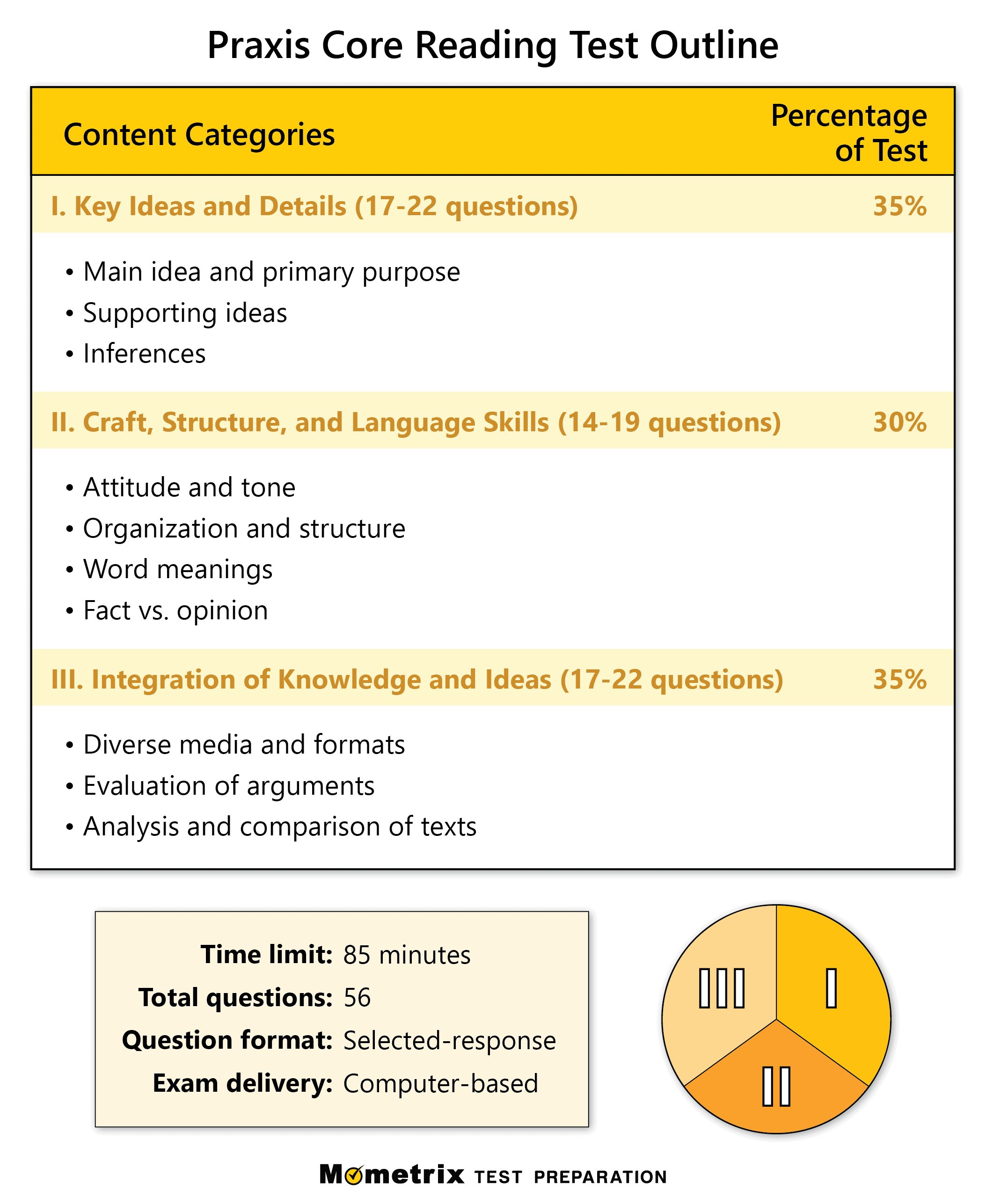
At its core, the Praxis test is a suite of standardized assessments used by state education agencies to grant professional teaching licenses. However, from a financial perspective, it is the “buy-in” for a career path that offers unique benefits, including pension plans, tenure-based salary increases, and significant opportunities for supplemental online income.
The Financial ROI of the Praxis Test: Investing in Professional Capital
When evaluating any professional certification, the first question a savvy individual asks is: “What is the return on investment (ROI)?” The Praxis test is the primary barrier to entry for the public education workforce, a sector that provides a unique blend of financial security and upward mobility.
Understanding the Initial Investment and Fees
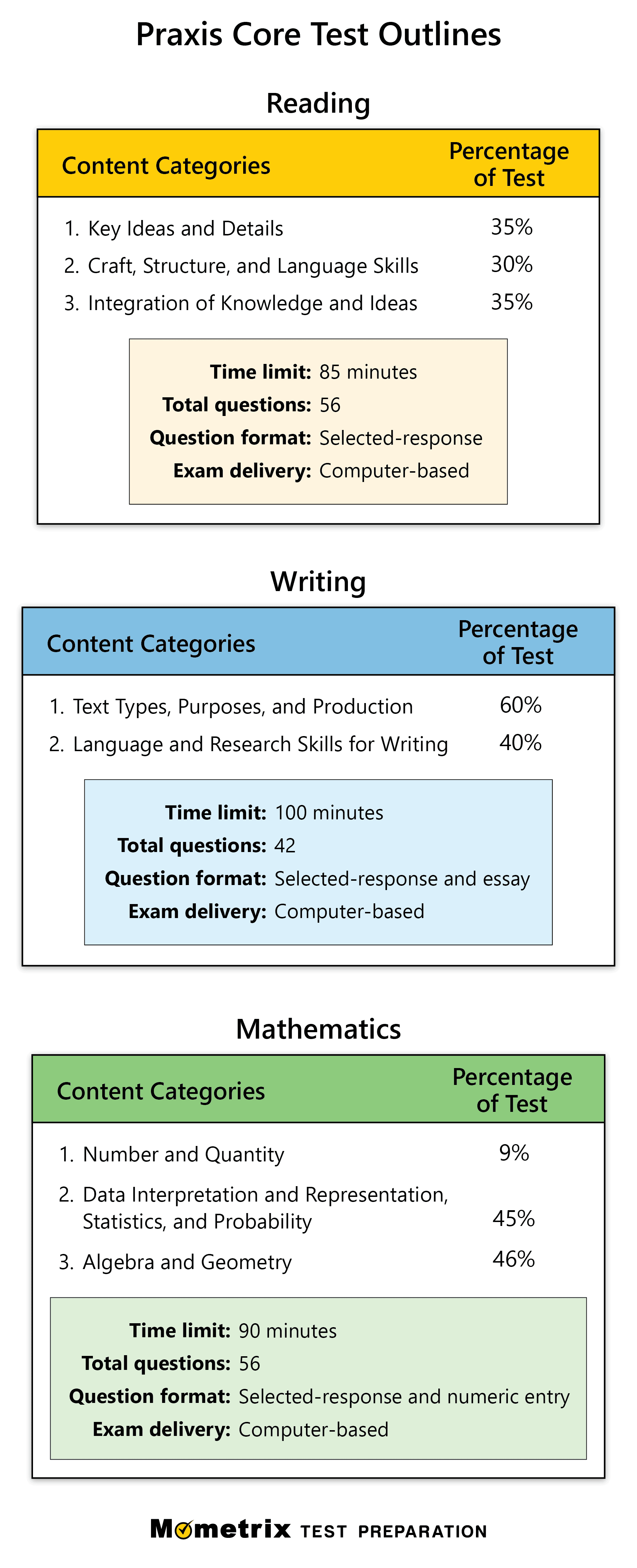
The cost of the Praxis is not negligible. Depending on the state requirements, a candidate may need to take the Praxis Core (covering reading, writing, and mathematics) and one or more Subject Assessments. Each test typically ranges from $90 to $210. For a candidate requiring multiple certifications, the initial “capital outlay” can easily exceed $500. When you factor in study materials, prep courses, and potential travel to testing centers, the total investment requires careful budgeting. However, compared to the cost of a graduate degree, the Praxis is a high-leverage tool that validates your degree and unlocks your earning potential.
Long-term Earning Potential and Pension Benefits
Passing the Praxis test is the key that unlocks the door to a structured salary scale. Unlike many corporate roles where raises are negotiated and often inconsistent, public school districts typically operate on a “steps and lanes” salary schedule. This provides a predictable financial trajectory, allowing for precise long-term financial planning. Furthermore, a teaching license earned via the Praxis is the prerequisite for entering state-sponsored pension programs. In terms of retirement planning, these defined-benefit plans are increasingly rare and represent a massive financial asset that provides guaranteed income for life—a value that far outweighs the initial cost of the exam.
Career Mobility and Reciprocity
One of the most overlooked financial benefits of the Praxis test is geographical mobility. Because the Praxis is a nationally recognized standard, many states have reciprocity agreements. This means that passing the Praxis in one state can often facilitate licensure in another. For the professional, this reduces the risk of “career stagnation” and allows you to move to regions with a lower cost of living or higher salary-to-rent ratios, directly impacting your ability to save and invest.
Navigating the Costs of Certification: Test Types and Budgeting
To maximize the efficiency of your investment, you must understand the different components of the Praxis suite and how to budget for them effectively. Treating the certification process as a business project can prevent wasted capital on unnecessary retakes or redundant materials.
Praxis Core vs. Praxis Subject Assessments
The Praxis Core Academic Skills for Educators measures foundational knowledge. For many, this is the first financial hurdle. However, many states allow candidates to waive the Core if they have high enough SAT or ACT scores. Investigating these waivers is a crucial first step in “financial optimization”—saving you hundreds of dollars before you even register.
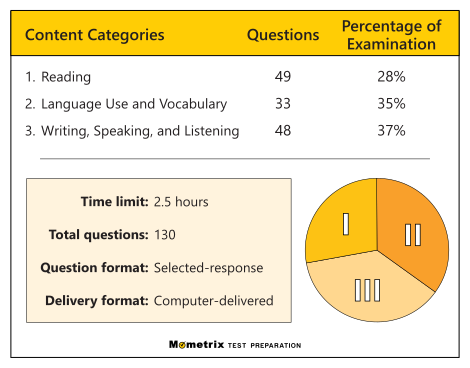
The Subject Assessments (formerly Praxis II) are more specialized. These determine your “marketability.” For example, obtaining a certification in a high-demand field like Special Education or STEM often leads to “signing bonuses” or higher starting steps in certain districts. From a money-management perspective, choosing which Subject Assessment to take should be influenced by market demand in your target region.
Budgeting for Prep Materials and Mitigating Risk
The most significant financial risk associated with the Praxis is the “fail-and-refund” cycle. Each retake costs the same as the initial attempt. Therefore, investing $50–$100 in high-quality prep software or diagnostic tests is often more cost-effective than failing an exam and paying $150 to retake it. Professionals should view prep materials as an insurance policy against the lost time and additional fees of a failed attempt.
Opportunity Cost of Delayed Certification
In the world of personal finance, time is money. Every semester you spend without a license is a semester you are potentially earning a “substitute” wage rather than a “contracted” salary. The difference between these two pay grades can be $20,000 to $30,000 per year. Passing the Praxis on the first attempt accelerates your entry into the higher-earning bracket, significantly impacting your lifetime earnings.
Leveraging Your Teaching License for Online Income and Side Hustles
Once the Praxis is passed and a license is secured, the financial benefits extend far beyond the classroom. A teaching license is a high-value credential in the “passion economy” and the world of online side hustles.
Using Credentials for High-Ticket Tutoring
The private tutoring market is worth billions, and there is a stark price difference between a “tutor” and a “Licensed Teacher.” By passing the Praxis and holding a state-validated credential, you can command rates that are 2x to 3x higher than uncertified peers. Whether working through premium agencies or building a private practice, your Praxis-backed license serves as a “trust signal” to high-net-worth clients, allowing you to generate significant side income to accelerate debt repayment or investment goals.
Educational Consulting and Curriculum Sales
In the digital age, teachers are also entrepreneurs. Platforms like Teachers Pay Teachers (TpT) allow educators to sell lesson plans and resources. Having the “Licensed Professional” status adds authority to your brand. Furthermore, many EdTech startups hire licensed teachers as consultants to help develop software and AI tools. The Praxis test is effectively your “entry ticket” into this lucrative niche of the tech-adjacent education market.
Online ESL and Global Teaching Opportunities
For those interested in digital nomadism or international finance, a teaching license is a powerful tool. Many international schools and high-end online ESL platforms require a state license. These positions often come with tax-free housing allowances and travel stipends, allowing for an incredibly high savings rate. Without the Praxis, these high-savings-potential roles remain out of reach.
Financial Support and Fee Waivers: Maximizing Your Capital
Aspiring educators should not have to deplete their savings to enter the profession. There are several strategic ways to minimize the financial burden of the Praxis test.
Qualifying for ETS Fee Waivers
The Educational Testing Service (ETS), which administers the Praxis, offers a limited number of fee waivers for students who meet specific financial need criteria. This is a vital resource for those looking to minimize their “start-up costs.” Applying early is essential, as these waivers are distributed on a first-come, first-served basis. From a money-management standpoint, this is “free money” that can be reallocated toward your emergency fund or initial classroom supplies.
Employer Reimbursement and Tax Deductions
Many school districts, particularly those in “critical need” areas, offer reimbursement for certification exams once you are hired. Additionally, it is important to consult with a tax professional regarding the deductibility of certification fees. In some cases, these costs can be considered “unreimbursed employee expenses” or professional development costs that may provide tax relief, further improving the net ROI of the exam.
Grants and Institutional Support
Many universities have grants specifically designed to cover the costs of the Praxis for their student teachers. Before paying out of pocket, check with your financial aid office. Strategic educators use these institutional resources to ensure that their transition from student to professional is as “capital-efficient” as possible.
Building a Sustainable Financial Future in Education
The Praxis test is often viewed as a stressful academic requirement, but it is more accurately described as a foundational financial asset. It validates your expertise, protects your earning power, and opens doors to a variety of income streams that extend beyond the traditional 8-to-3 workday.
By passing the Praxis, you are not just getting a job; you are securing a license to operate in a regulated market that rewards stability, provides for retirement, and offers endless opportunities for entrepreneurial expansion. Whether you use your license to climb the district salary schedule, launch a high-end tutoring business, or consult for EdTech firms, the journey begins with understanding the value of this single assessment.
In the final analysis, the Praxis test is an investment in yourself. Like any good investment, it requires an upfront cost of time and money, but the long-term dividends—in the form of salary, benefits, and professional authority—make it one of the most reliable financial moves an aspiring professional can make. Treat the process with the seriousness of a business venture, and the rewards will manifest in a more secure, flexible, and prosperous financial life.
aViewFromTheCave is a participant in the Amazon Services LLC Associates Program, an affiliate advertising program designed to provide a means for sites to earn advertising fees by advertising and linking to Amazon.com. Amazon, the Amazon logo, AmazonSupply, and the AmazonSupply logo are trademarks of Amazon.com, Inc. or its affiliates. As an Amazon Associate we earn affiliate commissions from qualifying purchases.