
Argentina, a nation renowned for its vast landscapes, rich cultural heritage, and significant agricultural prowess, also presents a fascinating case study in the interplay between demographics and economic destiny. Understanding the population dynamics of Argentina is not merely an academic exercise; it is a critical component for investors, policymakers, businesses, and individuals seeking to comprehend the country’s economic potential, challenges, and future trajectory within the global financial landscape.
At its core, population figures are more than just numbers; they represent a nation’s workforce, its consumer base, its tax contributors, and its beneficiaries of public services. For a country like Argentina, which has navigated periods of economic prosperity and significant financial turmoil, the demographic profile offers deep insights into its underlying economic resilience, its capacity for growth, and the structural pressures on its public finances.

Argentina’s Demographic Landscape: A Crucial Economic Snapshot
To truly appreciate the financial implications, we must first establish a clear understanding of Argentina’s current demographic reality. The sheer number of people, alongside their distribution, age structure, and movements, forms the bedrock upon which all economic activity rests.
The Latest Population Figures
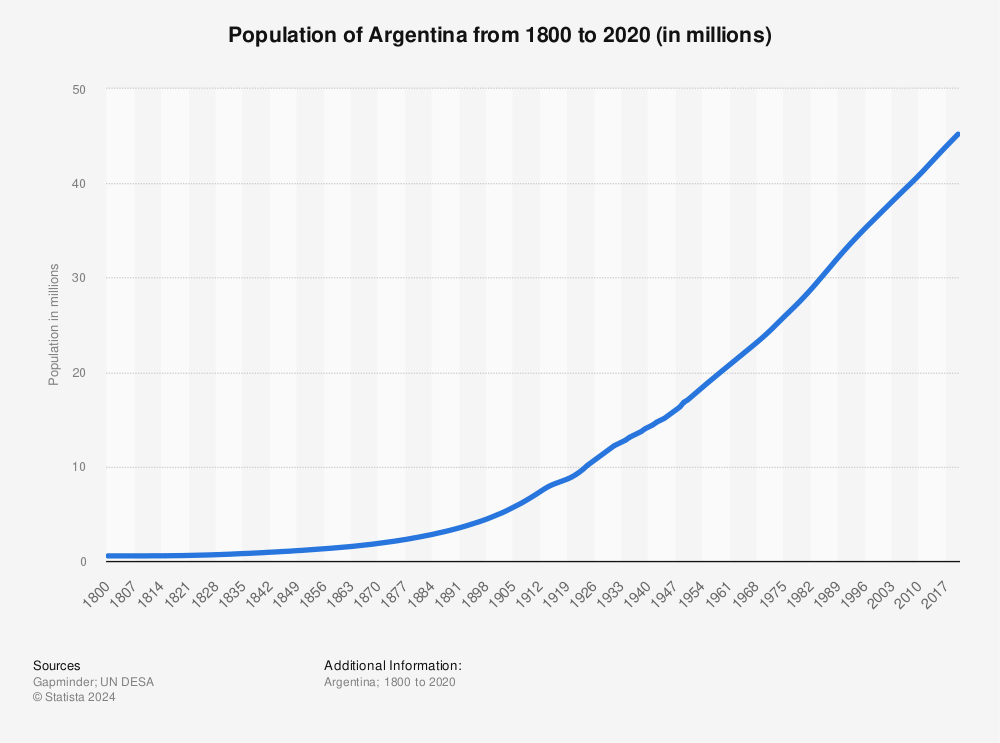
As of recent estimates (mid-2024), the population of Argentina hovers around 46.7 million people. This figure positions Argentina as the third most populous country in South America, following Brazil and Colombia. While this number provides a starting point, its economic significance unfolds when dissected further. A population of this size represents a substantial domestic market, a significant potential labor force, and a substantial pool for both consumption and investment. However, its economic weight is heavily influenced by factors such as disposable income, labor force participation rates, and overall economic stability. For instance, a large population struggling with high inflation or unemployment will present a very different economic picture than one characterized by strong purchasing power and robust employment.
Key Demographic Trends: Growth, Age Structure, Urbanization
Beyond the raw number, several demographic trends hold profound economic relevance for Argentina:
- Moderate Population Growth: Argentina has experienced relatively stable, albeit moderate, population growth over recent decades. While not booming like some developing nations, this steady growth ensures a replenishing labor supply and a growing consumer base, albeit at a pace that requires consistent economic expansion to absorb new entrants into the workforce effectively. From a financial perspective, consistent growth implies a sustained demand for goods, services, and infrastructure, which can attract investment if coupled with a stable economic environment.
- Aging Population: Like many countries globally, Argentina is undergoing a demographic transition towards an older population. The median age is gradually rising, and the proportion of the population over 65 is increasing. This trend has significant fiscal implications, primarily concerning the sustainability of the social security and pension systems. A smaller working-age population relative to a larger retired population places greater strain on tax revenues to fund social benefits. For investors, this can signal shifts in demand for healthcare, aged care services, and retirement planning products.
- High Urbanization: A remarkable feature of Argentina’s demography is its high degree of urbanization. Approximately 92% of the population resides in urban areas, with a significant concentration in the Greater Buenos Aires metropolitan area. This level of urbanization creates concentrated markets for businesses, facilitates the provision of services, and fosters innovation. However, it also presents challenges such as housing shortages, infrastructure strain, traffic congestion, and pressure on public services in major cities, which require substantial public and private investment to manage effectively. From an economic standpoint, highly urbanized populations often exhibit higher productivity and income levels but also demand more sophisticated financial services and infrastructure development.
- Migration Patterns: Argentina has historically been a country of immigration, and contemporary patterns continue to shape its economy. While net migration has fluctuated, the influx of skilled labor or entrepreneurs can inject vitality into the economy, contributing to GDP and diversifying the labor force. Conversely, “brain drain” – the emigration of highly skilled professionals – can deplete human capital and hinder long-term economic growth, presenting a significant financial challenge in terms of lost productivity and innovation potential.
Population as an Economic Engine: Workforce and Consumption
The human element is the ultimate driver of any economy. Argentina’s population, when viewed through an economic lens, represents both its productive capacity and its market demand.
Labor Force Dynamics and Productivity
The size and quality of a nation’s labor force are direct determinants of its economic output. With a population of over 46 million, Argentina possesses a substantial workforce. However, the economic impact hinges on several factors:
- Labor Force Participation Rate: This indicates the proportion of the working-age population actively employed or seeking employment. High participation rates are generally desirable as they maximize the productive potential of the population.
- Unemployment Rates: Persistent high unemployment, particularly among youth, represents a significant economic drag, as it leads to lost output, increased social welfare costs, and potentially social instability. Addressing unemployment through targeted policies, job training, and investment incentives is crucial for economic health.
- Productivity: This refers to the output per worker. Investments in education, technology, infrastructure, and an efficient regulatory environment are vital for enhancing labor productivity, which directly translates into higher GDP per capita and improved living standards. From a financial perspective, a highly productive workforce attracts foreign direct investment and fosters a competitive business environment.
- Informal Economy: A significant portion of Argentina’s labor force operates in the informal sector, which has economic implications. While providing employment, it often lacks social security benefits, stable wages, and contributes less to the formal tax base, complicating public finance management.
The Consumer Market: Spending Power and Sector Opportunities
A population of 46.7 million represents a massive consumer base, driving demand across various sectors. The aggregate spending power of this population is a critical factor for businesses and investors.
- Domestic Demand: A strong domestic market provides a buffer against external economic shocks and can sustain local industries. Businesses in retail, food and beverage, telecommunications, and automotive sectors heavily rely on consumer spending.
- Income Distribution: The distribution of income across the population significantly impacts purchasing patterns. High levels of income inequality can limit the overall spending power of the majority and create segmented markets. Policies aimed at fostering inclusive growth can broaden the consumer base.
- Sector-Specific Opportunities: Understanding demographic trends allows investors to identify burgeoning markets. For example, a young, tech-savvy urban population might drive demand for digital services, e-commerce, and fintech solutions. An aging population, conversely, creates opportunities in healthcare, pharmaceuticals, and specialized financial products like annuities.
- Savings and Investment: A healthy economy encourages a portion of consumer income to be directed towards savings, which then fuels domestic investment. Policies that promote financial literacy and accessible investment vehicles can unlock this capital for productive use.
Entrepreneurship and Small Business Growth
The vitality of the small and medium-sized enterprise (SME) sector is directly tied to the population’s entrepreneurial spirit and capacity. Argentina’s population offers a broad base for new business formation, driven by local needs and innovative ideas. SMEs are critical for job creation, local economic development, and fostering competition. Policies that support SME access to finance, reduce bureaucratic hurdles, and promote innovation can significantly leverage the population’s entrepreneurial potential, contributing to economic diversification and resilience.
The Fiscal and Social Burden: Public Finance and Welfare
While a large population can be an economic asset, it also presents significant demands on public finances, particularly in the realm of social welfare and essential services. Managing these demands effectively is crucial for fiscal stability.
Taxation, Public Debt, and Social Security Pressures
- Tax Base: The size of the working-age population and their income levels directly influence the government’s tax revenue. A robust and formally employed workforce provides a stable and expanding tax base, which is essential for funding public expenditures and servicing national debt.
- Social Security and Pension Systems: As Argentina’s population ages, the pay-as-you-go social security system faces increasing pressure. Fewer working individuals support a growing number of retirees, leading to funding deficits, which can strain the national budget or necessitate reforms. This is a common financial challenge for many developed and developing nations alike.
- Public Debt Management: The ability of the government to manage its public debt is intrinsically linked to its capacity to generate revenue from its population and economy. A sustainable debt trajectory requires a growing tax base and responsible fiscal management to prevent financial crises, which Argentina has faced periodically.

Healthcare and Education Funding Demands
A large and diverse population naturally requires substantial investment in social infrastructure:
- Healthcare: Population size, age structure, and health trends dictate the demand for public and private healthcare services. An aging population typically requires more extensive and specialized medical care, increasing healthcare expenditure. Public health initiatives, disease prevention, and access to affordable care are not just social imperatives but also economic necessities, as a healthy workforce is a productive one.
- Education: Investing in the education of its young population is critical for building human capital and ensuring future economic competitiveness. This requires significant public funding for schools, universities, and vocational training programs. A well-educated populace is better equipped to adapt to technological changes, innovate, and contribute to higher-value economic sectors. From a financial standpoint, education is an investment with long-term returns in terms of increased productivity, innovation, and tax revenue.
Regional Disparities and Income Inequality
Despite high urbanization, significant regional disparities persist within Argentina. Economic development is often concentrated in key urban centers and agricultural hubs, leaving other regions with lower opportunities and higher poverty rates. Income inequality, a persistent challenge, can lead to social fragmentation and limit the overall economic potential by concentrating wealth and purchasing power in a smaller segment of the population. Addressing these disparities through targeted investments, infrastructure development, and equitable resource distribution is vital for inclusive economic growth and societal stability.
Investment, Market Potential, and Global Standing
For external investors and multinational corporations, understanding Argentina’s population profile is fundamental to assessing market potential and long-term viability.
Attracting Foreign Direct Investment (FDI)
The size and characteristics of Argentina’s population are key factors for attracting FDI. A large, relatively young, and increasingly educated workforce, coupled with a substantial consumer market, can make Argentina an attractive destination for manufacturing, service industries, and technology companies. However, this potential must be supported by a stable macroeconomic environment, transparent regulatory frameworks, and robust legal protections for investors. Foreign capital inflows are crucial for job creation, technology transfer, and boosting overall economic output.
Market Size and Sector-Specific Opportunities
The 46.7 million population defines the scale of the domestic market. For businesses, this translates into potential sales volumes and market penetration opportunities. Beyond the overall size, demographic segmentation allows for identifying niche markets:
- Youth Market: A significant younger demographic presents opportunities for digital services, entertainment, fashion, and education technology.
- Middle Class: The growth and stability of the middle class are crucial for sustained demand for consumer durables, housing, and financial services.
- Aging Market: This segment drives demand for specialized healthcare products, retirement planning services, and leisure activities.
Human Capital and Innovation as Drivers of Economic Growth
The quality of a nation’s human capital—its population’s skills, knowledge, and health—is paramount for innovation and sustained economic growth. Argentina has a strong academic tradition and a creative culture. Leveraging this through investments in R&D, fostering a startup ecosystem, and integrating technology into traditional industries can transform demographic potential into economic dynamism. A well-trained and innovative workforce can attract high-value industries, boost exports, and climb the global value chain.
Navigating Demographic Challenges and Future Economic Prosperity
Argentina’s economic future will heavily depend on its ability to strategically manage its population dynamics, transforming potential challenges into opportunities for growth and prosperity.
Addressing Brain Drain and Migration Patterns
The emigration of skilled professionals and youth, often termed “brain drain,” represents a significant loss of human capital and future economic potential. Policies aimed at retaining talent, attracting expatriates back, and integrating new immigrants into the formal economy are crucial. This includes creating attractive job opportunities, fostering a stable economic environment, and investing in research and development to offer compelling career paths within the country.
The Role of Policy in Harnessing Demographic Dividends
A demographic dividend occurs when a country has a large proportion of its population in the working age, leading to increased productivity and economic growth. To fully capitalize on this, Argentina needs to implement policies that:
- Invest in Education and Health: Ensuring a healthy, educated, and skilled workforce.
- Promote Job Creation: Facilitating private sector growth and reducing unemployment.
- Encourage Savings and Investment: Channeling domestic capital into productive uses.
- Ensure Good Governance: Providing a stable and predictable environment for businesses and individuals.
These policies are critical for turning a favorable age structure into tangible economic gains, rather than allowing it to become a missed opportunity.
Long-Term Economic Planning and Sustainable Growth
Ultimately, understanding the population of Argentina is a fundamental input for long-term economic planning. This includes anticipating future demands for infrastructure, energy, food, and social services. Sustainable growth requires balancing the needs of the current population with the preservation of resources and opportunities for future generations. For Argentina, this means developing a cohesive national strategy that integrates demographic projections with fiscal policy, industrial development, and environmental sustainability, ensuring that its population remains an asset and not an insurmountable burden in its quest for sustained economic prosperity.
In conclusion, the 46.7 million people of Argentina are not just a statistical count; they are the heart of its economy, the source of its labor, the driver of its markets, and the ultimate beneficiaries or victims of its financial policies. Understanding this intricate relationship is paramount for anyone engaging with Argentina’s economic present and future.
aViewFromTheCave is a participant in the Amazon Services LLC Associates Program, an affiliate advertising program designed to provide a means for sites to earn advertising fees by advertising and linking to Amazon.com. Amazon, the Amazon logo, AmazonSupply, and the AmazonSupply logo are trademarks of Amazon.com, Inc. or its affiliates. As an Amazon Associate we earn affiliate commissions from qualifying purchases.