
Spain, a nation celebrated for its vibrant culture, rich history, and passionate inhabitants, is undeniably a sporting powerhouse. While various athletic pursuits capture the public imagination, one sport stands head and shoulders above the rest in terms of popularity, cultural integration, and, crucially, brand resonance. That sport is football, known globally as soccer. Its dominance is not merely a matter of viewership or participation; it is a meticulously built and sustained brand phenomenon that intertwines with national identity, local pride, and global recognition. Understanding its popularity requires a deep dive into the branding strategies that have elevated it to an almost religious status.

The Unrivaled Brand Power of Football in Spain
Football’s supremacy in Spain is a testament to its unparalleled brand development over decades. It has evolved from a simple pastime into a sophisticated commercial and cultural entity, with a brand footprint that extends far beyond the Iberian Peninsula.
La Liga’s Global Brand Strategy: More Than Just a Game
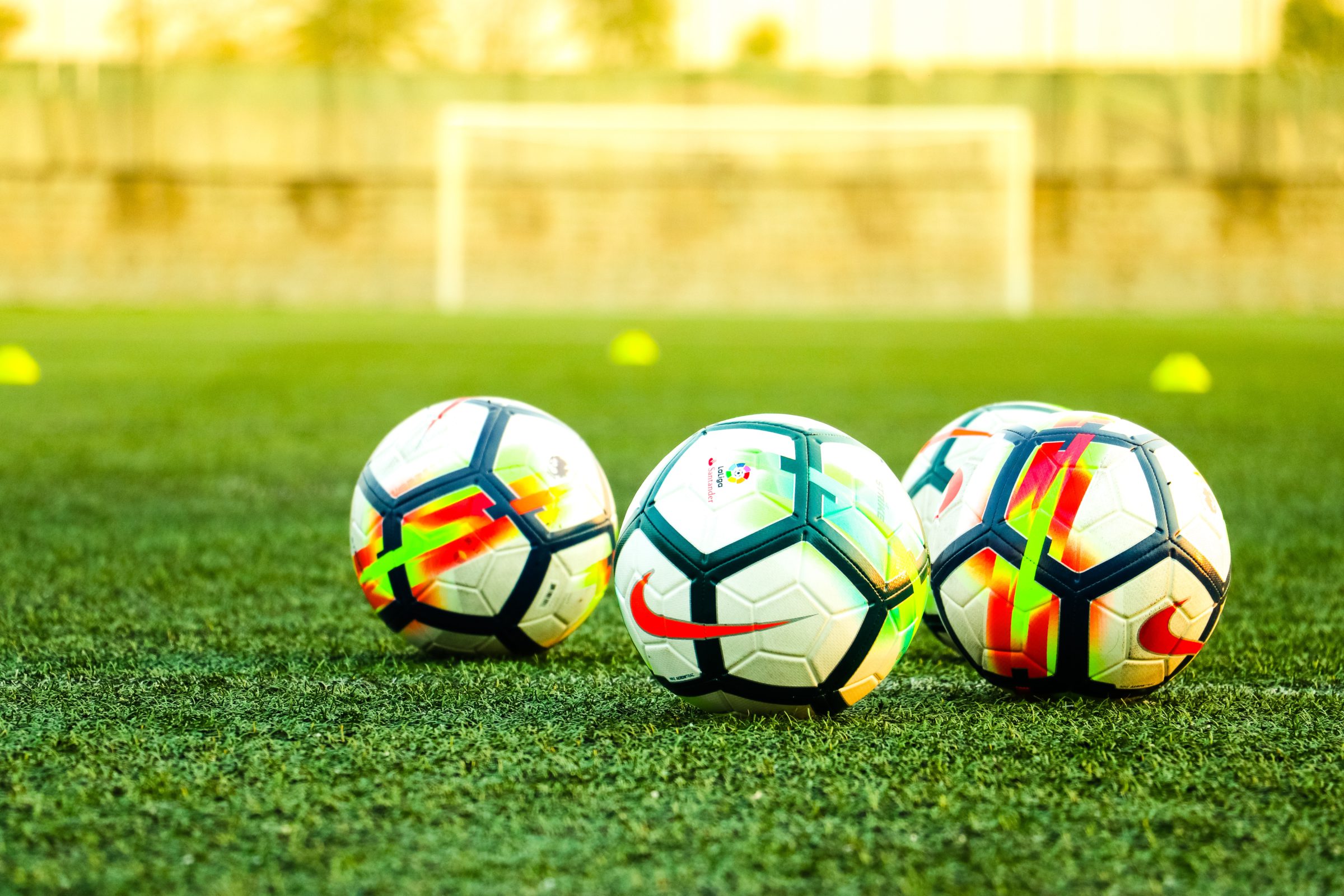
At the heart of Spanish football’s appeal is La Liga, the top professional football division. La Liga isn’t just a league; it’s a meticulously crafted global entertainment brand. Its strategy focuses on exporting the unique Spanish football experience worldwide. This involves high-quality broadcasts, strategic partnerships, and aggressive digital content creation that showcases not just the matches, but the passion, skill, and drama inherent in the league. La Liga’s brand messaging emphasizes speed, technical brilliance, and an attacking style of play, which resonates with football fans internationally. They invest heavily in market research to understand global fan bases and tailor their branding efforts to specific regions, ensuring their content and narrative reach diverse audiences, thus solidifying their position as a premium sports brand. The visual identity, slogan development, and consistent communication across multiple platforms reinforce a cohesive and attractive brand image that differentiates it from competitors.
Iconic Club Brands: Real Madrid and FC Barcelona as Global Powerhouses
The true engines of Spanish football’s global brand dominance are its iconic clubs, primarily Real Madrid and FC Barcelona. These are not merely football teams; they are global mega-brands, each with distinct identities, legacies, and fan bases that span continents. Real Madrid, with its regal white strip and emphasis on ‘Los Galácticos’ – a collection of superstar players – embodies an image of global ambition, historical triumph, and an almost aristocratic pursuit of excellence. Its brand narrative is built on a legacy of European dominance and a relentless pursuit of silverware. FC Barcelona, on the other hand, positions itself as ‘Més que un club’ (More than a club), emphasizing its Catalan identity, democratic values, and a unique, aesthetically pleasing style of play often associated with its renowned La Masia youth academy. Their branding leverages a powerful emotional connection with regional identity while simultaneously appealing to global fans through their artistic football philosophy. Both clubs have masterfully leveraged their rich histories, iconic stadiums, and constant stream of world-class talent to create brands that transcend sport, becoming cultural institutions recognized even by non-football enthusiasts. Their marketing, merchandise, and digital engagement strategies are textbook examples of how to cultivate and monetize a global brand.
Player Branding and Star Power
A significant component of football’s brand appeal in Spain and globally is the phenomenon of player branding. Superstars like Lionel Messi, Cristiano Ronaldo (during their La Liga stints), Sergio Ramos, and now young talents like Vinicius Jr. and Pedri, become brands in themselves. Their individual appeal, charisma, skill, and public persona are meticulously managed and marketed. These players become ambassadors not only for their clubs but for La Liga and Spanish football as a whole. Their social media presence, endorsement deals, and media visibility amplify the sport’s reach. Fans often follow players across clubs, demonstrating the strength of individual player brands. This strategy taps into a fundamental human desire for heroes and role models, translating individual admiration into collective brand loyalty for the sport and its affiliated entities.
Crafting a National Identity Through Sporting Brands
The popularity of football in Spain is deeply intertwined with the nation’s sense of self, its Marca España (Spain Brand), and the emotional connections it forges with its citizens.
The Marca España Effect: How Football Reflects and Reinforces Spanish Identity
Football serves as a powerful instrument for national branding. The success of the Spanish national team, particularly their triumphs in the European Championships (2008, 2012) and the FIFA World Cup (2010), projected an image of a confident, united, and world-class Spain onto the global stage. This sporting success directly contributed to the positive perception of the Marca España, enhancing its soft power and cultural diplomacy. The national team’s brand identity, often characterized by its “tiki-taka” style of play, became synonymous with Spanish ingenuity and technical prowess. This brand narrative extends beyond the field, influencing tourism, international business perception, and overall national pride. When the national team plays, regional rivalries often subside, replaced by a collective identity under the banner of the national brand.
Emotional Branding and Fan Loyalty

The intense fan loyalty witnessed in Spanish football is a prime example of successful emotional branding. Clubs cultivate deep-seated emotional connections with their supporters, often passed down through generations. This is achieved through narrative building around local heritage, community involvement, and the consistent portrayal of the club as a family or an extension of the local identity. Marketing campaigns often tap into these emotions, using nostalgia, triumph, and shared struggle to solidify the bond between the club brand and its fan base. Matchday experiences are designed to be immersive, communal events, reinforcing this sense of belonging. The chants, rituals, and collective effervescence create a powerful brand experience that fosters unwavering allegiance, making football not just a sport, but a lifestyle and a fundamental aspect of many Spaniards’ identities.
Emerging Sporting Brands and Their Marketing Challenges
While football reigns supreme, other sports in Spain are actively working to build and strengthen their brands, carving out significant niches and attracting dedicated followings. Their strategies often involve leveraging individual star power and differentiating their offerings.
Basketball’s Niche Branding: A Strong Second
Basketball enjoys significant popularity in Spain, largely due to the success of its national team and strong domestic league (ACB). Its brand positioning often emphasizes athleticism, teamwork, and the global appeal of the NBA, where many Spanish stars have excelled. The branding of Spanish basketball focuses on a fast-paced, high-skill game, and capitalizes on the aspirational narratives of players like Pau and Marc Gasol. The ACB league brand works to create a premium product, often marketing itself as a strong, competitive alternative to football, targeting a slightly different demographic that appreciates basketball’s unique dynamics. Their digital engagement strategies are crucial for maintaining relevance among a younger audience less tethered to traditional sports.
Tennis and Motorsport: Individual Stars as Brand Ambassadors
Sports like tennis and motorsport, while perhaps not enjoying the mass participation of football, boast considerable brand recognition through their global star athletes. Rafael Nadal is a monumental brand in tennis, embodying resilience, humility, and unwavering commitment. His individual brand transcends tennis, becoming a national icon. Similarly, in motorsport, figures like Fernando Alonso and Marc Márquez have built powerful personal brands through their daring performances and championship wins. These individual brands serve as powerful entry points for broader engagement with their respective sports, drawing attention, sponsorship, and media coverage that benefits the sport’s overall brand. Their success stories are leveraged in national media, inspiring new generations and showcasing Spain’s sporting prowess in diverse fields.
The Role of Digital Branding and Social Media in Sports Popularity
In today’s interconnected world, digital branding and social media are indispensable for any sport aiming for popularity. Football clubs, La Liga, and individual athletes in Spain are masters of this domain. They utilize platforms like Instagram, TikTok, X (formerly Twitter), and YouTube to engage fans in real-time, offer behind-the-scenes content, and cultivate direct relationships. This digital strategy creates a sense of immediacy and intimacy, strengthening brand loyalty and extending reach to younger, digitally native audiences. Esports, though nascent, is also rapidly building its brand in Spain by leveraging digital platforms, gaming culture, and influencer marketing to attract a new generation of sports consumers.
The Future of Sports Branding in Spain: Diversification and Innovation
The landscape of sports consumption is constantly evolving. For sports brands in Spain to maintain and grow their popularity, continuous innovation in branding strategies is paramount.
Adapting to New Audiences: Esports and Youth Engagement
The rise of esports presents both a challenge and an opportunity for traditional sports brands. While not a traditional physical sport, esports commands a massive, highly engaged youth audience. Brands associated with traditional sports are exploring ways to either integrate with or learn from esports branding strategies, which prioritize digital-first content, community building, and influencer collaborations. Engaging youth through interactive digital experiences, fantasy leagues, and gamified content will be crucial for nurturing future fan bases across all sports.
Leveraging Technology for Enhanced Brand Experience
Future sports branding will increasingly rely on technology to deliver enhanced fan experiences. Virtual reality (VR), augmented reality (AR), and personalized content delivery platforms offer new avenues for immersion and engagement. Imagine watching a La Liga match in VR with personalized stats overlay or interacting with AR elements that bring player data to life. These technological advancements will enable sports brands to create more dynamic, interactive, and personalized fan journeys, further cementing their popularity and relevance in an ever-competitive entertainment market. By continually innovating their brand offerings and engaging with fans through cutting-edge channels, sports in Spain, led by the enduring brand power of football, are poised for continued success and cultural impact.
aViewFromTheCave is a participant in the Amazon Services LLC Associates Program, an affiliate advertising program designed to provide a means for sites to earn advertising fees by advertising and linking to Amazon.com. Amazon, the Amazon logo, AmazonSupply, and the AmazonSupply logo are trademarks of Amazon.com, Inc. or its affiliates. As an Amazon Associate we earn affiliate commissions from qualifying purchases.