
PNC Bank, the principal subsidiary of PNC Financial Services Group, Inc., stands as one of the most significant pillars in the American financial landscape. Headquartered in Pittsburgh, Pennsylvania, it has evolved from a local commercial bank into a diversified financial services powerhouse. As one of the largest banks in the United States by assets, PNC operates a vast network of branches and ATMs across nearly 30 states, offering a comprehensive suite of retail banking, corporate and institutional finance, and asset management services. For the modern consumer or business owner, understanding what PNC Bank offers is essential to navigating the complexities of personal finance and wealth accumulation in the 21st century.
The institution’s growth trajectory has been marked by strategic acquisitions and a forward-thinking approach to financial technology. Most notably, its acquisition of BBVA USA in 2021 solidified its position as a coast-to-coast franchise, significantly expanding its footprint in the Sunbelt and Western United States. This expansion was not merely about physical locations but about scaling its specialized financial products to a broader demographic, making it a “super-regional” bank that rivals the traditional “Big Four” institutions in terms of capability and reach.
Personal Finance Solutions: Navigating the Virtual Wallet and Beyond
At the heart of PNC Bank’s consumer appeal is its innovative approach to everyday banking. Unlike traditional institutions that separate checking and savings into isolated silos, PNC introduced the “Virtual Wallet,” a digital-first financial management tool designed to provide users with a holistic view of their money.
The Virtual Wallet Ecosystem
The Virtual Wallet is categorized into three distinct sub-accounts: “Spend,” “Reserve,” and “Growth.”
- Spend Account: This functions as a primary checking account used for daily expenses, bill payments, and debit card transactions.
- Reserve Account: This acts as a secondary checking or short-term savings space. It is often used for “rainy day” funds or upcoming planned expenses, providing a buffer that prevents users from overspending their primary balance.
- Growth Account: This is a long-term savings vehicle that often earns a higher interest rate, especially when users meet certain requirements like monthly direct deposits or maintaining a minimum balance.
This tripartite structure is supported by interactive tools such as the “Calendar,” which predicts future balances based on upcoming bills, and the “Punch the Pig” feature, an automated savings tool that encourages users to transfer small amounts into their Growth account regularly. For those focused on personal finance, these tools bridge the gap between simple banking and active money management.
Credit Cards and Lending Products
PNC offers a diverse array of credit products tailored to various financial goals. Whether a customer is looking for cash back, travel rewards, or low-interest debt consolidation, the bank provides competitive options. The PNC Cash Rewards® Visa® Signature Card, for instance, is a staple for those looking to optimize their daily spending, offering tiered rewards on gas, dining, and grocery purchases.
Beyond credit cards, PNC is a major player in the mortgage and personal loan markets. Their mortgage division provides a range of options from conventional fixed-rate loans to FHA and VA loans, catering to first-time homebuyers and seasoned investors alike. Their personal loans and Home Equity Lines of Credit (HELOC) offer flexible financing for debt consolidation, home improvements, or major life events, often featuring competitive rates for existing bank customers.
Strategic Investing and Wealth Management for Long-Term Growth
For individuals looking beyond basic banking, PNC Bank provides robust investment and wealth management services. These services are designed to help clients grow their net worth, plan for retirement, and manage generational wealth transfers through a combination of digital tools and personalized advisory services.
PNC Investments and Retirement Planning
PNC Investments provides the infrastructure for individual investors to access the stock market, mutual funds, and exchange-traded funds (ETFs). The bank offers both self-directed brokerage accounts for those who prefer a hands-on approach and managed accounts for those seeking professional oversight.
Retirement planning is a core focus within this segment. PNC advisors work with clients to navigate 401(k) rollovers, Traditional and Roth IRAs, and education savings plans like 529s. By integrating these investment accounts with the bank’s broader digital platform, users can track their progress toward long-term financial independence alongside their daily spending.
Wealth Management and Hawthorn
For high-net-worth (HNW) and ultra-high-net-worth (UHNW) individuals, PNC operates a dedicated Wealth Management division and “Hawthorn,” a multi-family office dedicated to the most complex financial needs. These services go far beyond simple portfolio management; they include:
- Estate Planning: Structuring assets to minimize tax liabilities and ensure a smooth transition of wealth.
- Philanthropic Advisory: Helping clients establish foundations or charitable trusts that align with their personal values.
- Private Banking: Offering specialized lending solutions, such as art-backed loans or aircraft financing, and concierge-level banking services.
By positioning itself as a full-spectrum financial partner, PNC ensures that as a customer’s wealth grows, the bank has the sophisticated tools necessary to manage that complexity.

Empowering Business and Corporate Entities
PNC Bank is not just a consumer-facing institution; it is a titan in the commercial and corporate banking sectors. Its business services are segmented to support everything from local “mom-and-pop” shops to multinational corporations.
Small Business Banking
Small businesses represent the backbone of the American economy, and PNC provides them with a suite of tools designed to streamline operations. This includes specialized business checking accounts, merchant services for processing credit card payments, and payroll solutions.
Access to capital is a critical component of small business success. PNC is a top SBA (Small Business Administration) lender, providing government-backed loans that offer favorable terms for businesses that might not qualify for traditional commercial credit. Furthermore, their business credit cards and lines of credit provide the working capital necessary to manage seasonal fluctuations or invest in new equipment.
Corporate and Institutional Banking
For larger enterprises, PNC’s Corporate & Institutional Banking (C&IB) group offers sophisticated treasury management, capital markets access, and advisory services. They are particularly known for their expertise in sectors such as healthcare, real estate, and manufacturing.
One of PNC’s competitive advantages in this space is its “PINACLE” platform, a top-tier corporate online and mobile banking portal. PINACLE allows treasury managers to monitor cash positions in real-time, execute domestic and international wire transfers, and manage fraud protection protocols. By providing high-level visibility into corporate liquidity, PNC helps large organizations optimize their capital structures and maximize operational efficiency.
Financial Security and the Future of Digital Banking
As banking becomes increasingly digital, the importance of security and technological integration cannot be overstated. PNC Bank has invested heavily in cybersecurity and user experience to ensure that its digital platforms are both safe and intuitive.
Security Protocols and Fraud Prevention
PNC employs multi-layered security measures to protect customer assets. This includes biometric authentication for mobile apps, advanced encryption for data transmission, and 24/7 monitoring for suspicious account activity. One of their standout features is the “PNC Easy Lock,” which allows users to instantly lock and unlock their debit or credit cards via the mobile app if a card is lost or stolen.
Furthermore, PNC has been an early adopter of “Security Privacy,” a feature that allows users to share their financial data with third-party apps (like Venmo or Mint) via secure APIs rather than sharing their actual bank login credentials. This reduces the risk of credential theft and gives users more control over their digital footprint.
The Integration of Zelle and Instant Payments
In the realm of peer-to-peer (P2P) payments, PNC’s integration with Zelle allows for the near-instant transfer of funds between bank accounts in the U.S. This has become a standard requirement for modern personal finance, facilitating everything from splitting a dinner bill to paying rent.
Moreover, PNC is at the forefront of the “Real-Time Payments” (RTP) movement. Unlike traditional ACH transfers that can take several days to clear, RTP allows for immediate settlement of funds. For businesses, this means faster access to revenue; for individuals, it means greater certainty when moving money between accounts.
Accessibility and Community Impact
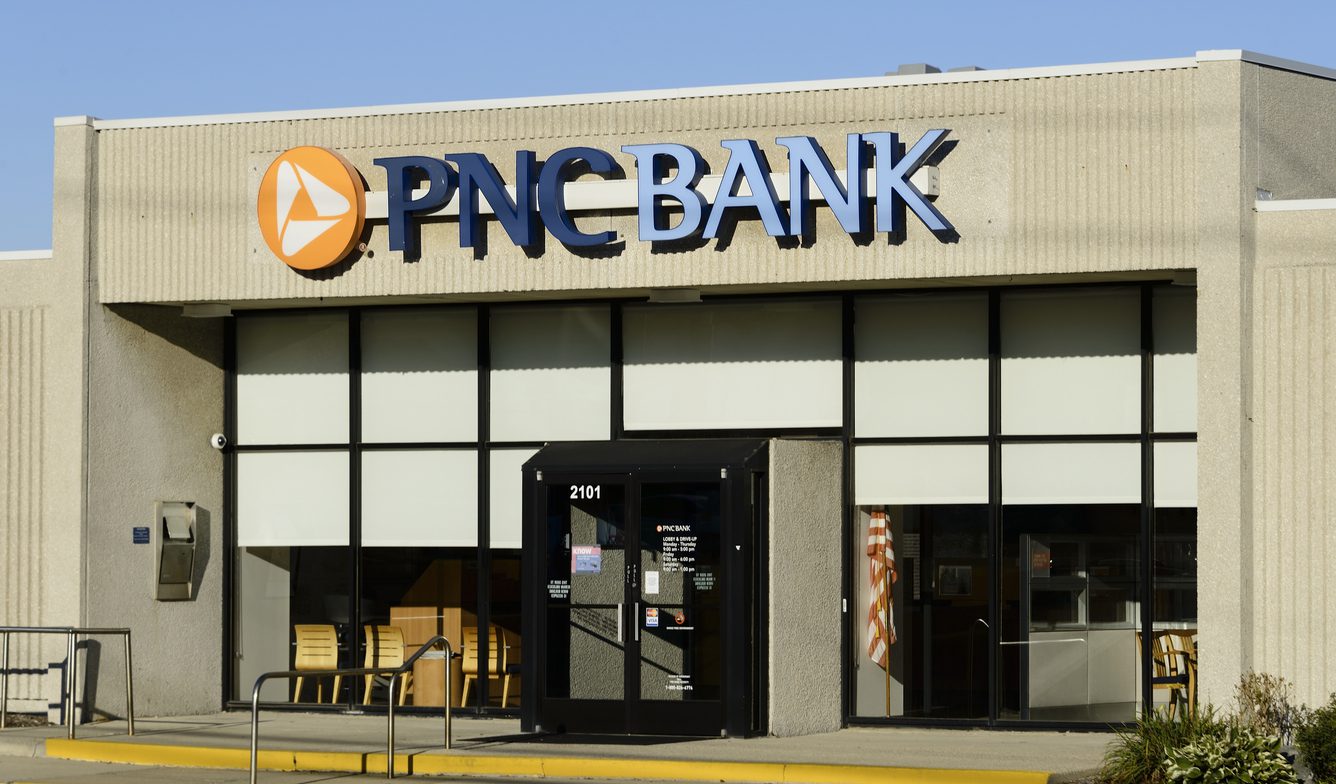
Despite its heavy investment in digital banking, PNC maintains a strong belief in the value of physical branches. Their “Solution Centers” represent a modern take on the bank branch—smaller footprints focused more on financial consultation and education than on simple teller transactions. This hybrid model ensures that customers have access to high-tech tools for daily banking while still being able to meet with a financial professional for complex decisions like buying a home or planning for retirement.
Through its “PNC Grow Up Great” initiative, the bank also invests significantly in early childhood education, demonstrating a commitment to the economic health of the communities it serves. From a financial perspective, a bank that invests in its community is often seen as more stable and reliable, fostering long-term brand loyalty.
In conclusion, PNC Bank is far more than just a place to store money. It is a comprehensive financial engine that provides the tools, expertise, and technology necessary for individuals and businesses to thrive. Whether through its innovative Virtual Wallet, its sophisticated wealth management services, or its expansive corporate banking division, PNC continues to define what it means to be a leading financial institution in the modern era. For anyone looking to take control of their financial future, understanding the breadth and depth of PNC’s offerings is a vital step toward achieving long-term fiscal health and prosperity.
aViewFromTheCave is a participant in the Amazon Services LLC Associates Program, an affiliate advertising program designed to provide a means for sites to earn advertising fees by advertising and linking to Amazon.com. Amazon, the Amazon logo, AmazonSupply, and the AmazonSupply logo are trademarks of Amazon.com, Inc. or its affiliates. As an Amazon Associate we earn affiliate commissions from qualifying purchases.