
In the modern financial landscape, immediate access to your banking institution is not just a convenience—it is a necessity. Whether you are dealing with a potential fraudulent transaction, navigating a complex mortgage application, or simply needing assistance with an international wire transfer, knowing the correct contact information for your bank is the first step in effective financial management. For customers of JPMorgan Chase, one of the world’s largest financial institutions, the primary point of contact for general customer service is 1-800-935-9935.
However, a single phone number is often just the entry point into a vast ecosystem of specialized departments. To manage your money effectively, you must understand which specific lines to call, how to navigate automated systems to reach a human representative, and how to utilize digital alternatives that can often resolve issues faster than a traditional phone call.
Essential Chase Bank Contact Directory
Chase Bank operates multiple specialized departments to handle the diverse needs of its millions of customers. Using the correct direct line can save you significant time and ensure that you are speaking with an expert qualified to handle your specific financial product.
General Personal Banking
For questions regarding your checking or savings accounts, debit card issues, or general branch inquiries, the primary customer service line is 1-800-935-9935. This line is generally available 24/7 for automated services, with representative availability typically spanning standard business hours and extended weekend windows.
Credit Card Services
Chase is a dominant player in the credit card market, offering everything from the Sapphire line to the Freedom and Ink series. Because credit card issues often involve high-priority fraud concerns or complex reward redemptions, they have dedicated lines:
-
Personal Credit Cards: 1-800-432-3117.
-
Business Credit Cards: 1-888-269-8690.
-
International Support: If you are traveling abroad and your card is lost or stolen, call the collect number at 1-302-594-8200.
Home Lending and Mortgages
Mortgage inquiries are often the most complex interactions a customer will have with a bank. Whether you are inquiring about a new loan or managing an existing escrow account, use these numbers:
-
New Mortgages: 1-800-873-6577.
-
Existing Mortgage Servicing: 1-800-848-9136.
Auto Loans and Lease Support
For those managing vehicle financing, Chase provides a streamlined support system for payments, title releases, and payoff quotes:
- Auto Loan Support: 1-800-336-6675.
Navigating the Automated System and Reaching a Live Representative
The sheer volume of calls handled by Chase Bank necessitates the use of an Interactive Voice Response (IVR) system. While these systems are designed to resolve simple queries—like checking a balance or confirming a recent deposit—many users find them frustrating when dealing with nuanced financial problems.
Strategies for Bypassing the IVR
To reach a live human representative more quickly, there are several “shortcuts” that typically work within the Chase system. When prompted by the automated voice:
-
Press “0” or say “Representative”: Repeating the word “Representative” or “Operator” multiple times often triggers the system to move your call into a live queue.
-
Enter Account Information Promptly: While it may seem tedious, entering your full debit card number or account number when prompted often verifies your identity in advance, allowing the agent who picks up to assist you immediately rather than spending the first five minutes on authentication.
-
Use the “Lost or Stolen Card” Option: If you have an urgent security concern, selecting the option for a lost or stolen card typically grants you the fastest path to a live person, as these calls are prioritized for risk management.
The Best Times to Call
Wait times can fluctuate wildly based on the time of day and the day of the week. Generally, the shortest wait times occur Tuesday through Thursday during the mid-morning hours (roughly 9:00 AM to 11:00 AM EST). Conversely, Mondays are traditionally the busiest days for banking call centers as customers address issues that arose over the weekend. End-of-month and the beginning of the month also see higher call volumes due to mortgage payments and statement cycles.
Digital Alternatives: Beyond the Phone Call
In the contemporary era of personal finance, the most efficient “phone number” is often the app on your smartphone. Chase has invested billions into its digital infrastructure, allowing users to perform complex financial tasks without ever speaking to a representative.

The Chase Mobile App
The Chase Mobile app is a robust financial tool that serves as a 24/7 digital teller. Most tasks that previously required a phone call can now be completed within the app:
-
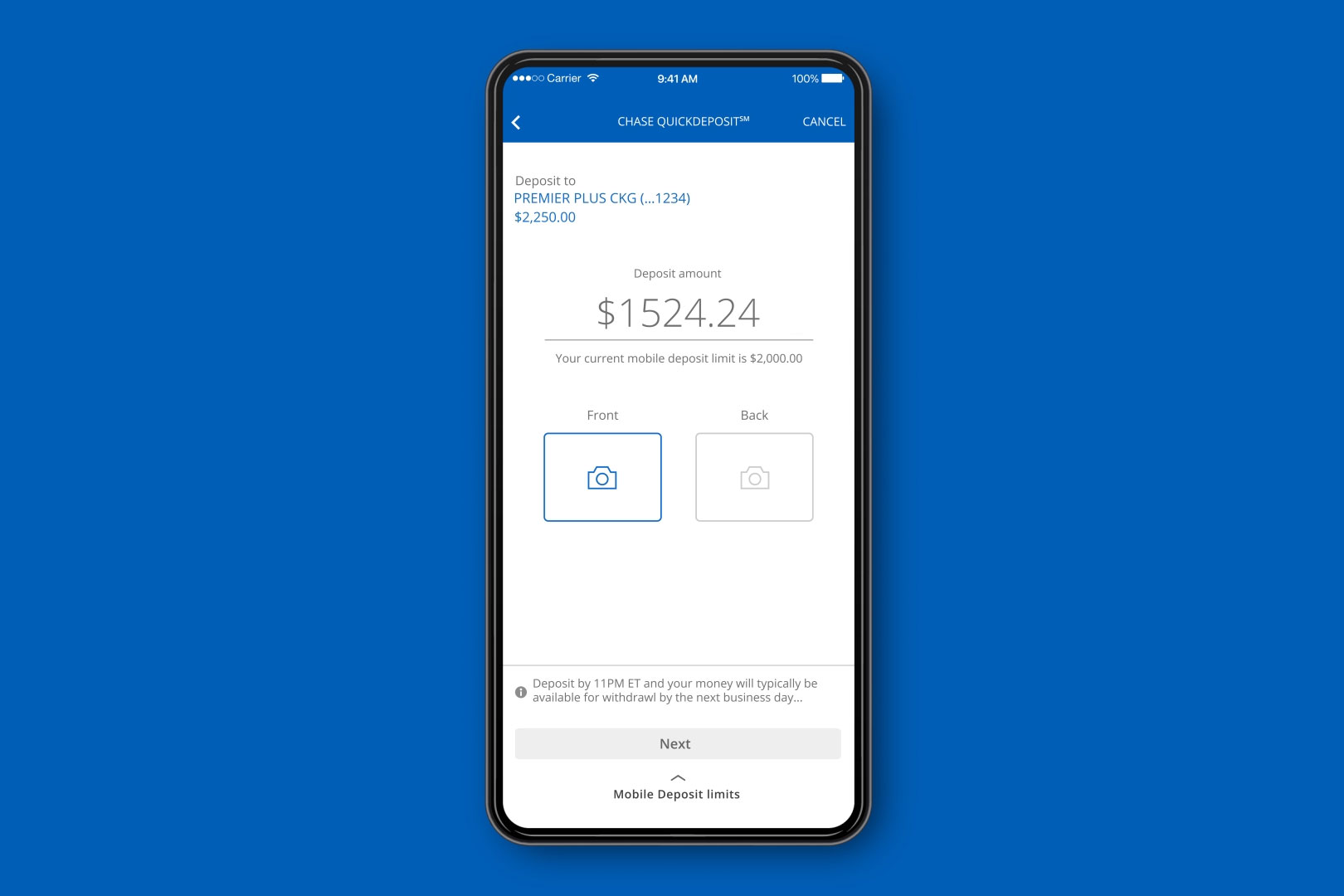
Depositing Checks: Using the QuickDeposit feature, you can deposit a physical check by taking a photo, eliminating the need to call or visit a branch.
-
Freezing a Card: If you misplace your card, you can instantly “lock” it through the app to prevent unauthorized charges, which is faster than calling the support line.
-
Disputing Transactions: The app allows you to select a specific transaction and initiate a dispute directly, which automatically routes the claim to the back-office fraud department.
Secure Messaging and Real-Time Chat
For those who prefer not to wait on hold, Chase offers a “Secure Message Center” through their online banking portal. This is ideal for non-urgent inquiries, such as requesting a credit limit increase or asking for a breakdown of specific fees. While not instantaneous, it provides a written record of your interaction, which can be useful for your personal financial documentation.
Social Media and Public Support
While you should never share sensitive account information on public platforms, Chase maintains an active presence on social media platforms like X (formerly Twitter) via @ChaseSupport. This can be an effective way to get general information or to alert the bank to systemic issues, such as an outage in the mobile app or widespread technical glitches.
Security Protocols and Fraud Prevention
When calling a bank, security should be your primary concern. Financial “vishing” (voice phishing) is a common tactic where scammers spoof the official Chase phone number to trick customers into revealing sensitive data.
Verifying the Source
One of the most important rules in personal finance is to never provide information to a caller who reached out to you first. If you receive a call that appears to be from “Chase Bank” claiming there is a problem with your account, the safest course of action is to hang up and manually dial the number found on the back of your physical debit or credit card. This ensures you are connected to the legitimate Chase network.
What Chase Will and Will Not Ask
To protect your assets, it is vital to know the boundaries of a legitimate bank inquiry.
-
A legitimate Chase representative will: Ask for your name, the last four digits of your social security number, or a one-time passcode sent to your registered mobile device to verify your identity.
-
A legitimate Chase representative will NEVER: Ask for your full account password, your PIN number, or ask you to transfer money to “yourself” or a “safe account” via Zelle or wire transfer to “protect” it.
The Role of Fraud Alerts
Chase utilizes AI-driven fraud detection that monitors your spending patterns. If a suspicious transaction occurs, the bank may send a text alert. These alerts usually ask for a “Yes” or “No” response to verify the charge. If you reply “No,” the card is automatically blocked, and you will typically receive a prompt to call the fraud department. Always ensure your mobile number is updated in your profile to receive these critical financial safeguards.
Why You Might Need to Contact Chase: Common Financial Scenarios
Understanding the financial triggers that necessitate a call to your bank can help you manage your money more proactively.
International Travel Notices
While Chase has improved its automated detection to the point where travel notices are often unnecessary for credit cards, it is still a best practice for debit card users to notify the bank of upcoming international travel. This prevents your card from being declined at an overseas ATM, ensuring you have access to cash in foreign currencies.
Large Transaction Verification
If you are planning a significant purchase—such as a down payment for a car or a high-value piece of jewelry—that falls outside your normal spending habits, calling the bank beforehand can prevent the transaction from being flagged and declined. This proactive approach to money management minimizes stress at the point of sale.
Fee Reversal Requests
Even the most diligent budgeters occasionally incur a late fee or an overdraft charge. If you have a long-standing positive relationship with the bank, a simple phone call to the customer service line can often result in a “courtesy waiver.” While not guaranteed, bank representatives have the discretion to reverse certain fees for loyal customers who have a history of responsible account management.
Credit Limit Adjustments
Managing your credit utilization ratio is a key component of maintaining a high credit score. Contacting the Chase credit card department to request an increase in your credit limit can lower your utilization and potentially boost your score. Conversely, if you are practicing strict debt management, you might call to lower your limit to prevent overspending.
By understanding the diverse ways to contact Chase Bank—from the primary 1-800-935-9935 number to the sophisticated features of the mobile app—you empower yourself to manage your finances with greater precision and security. In the world of personal finance, information is the most valuable asset you can possess.
aViewFromTheCave is a participant in the Amazon Services LLC Associates Program, an affiliate advertising program designed to provide a means for sites to earn advertising fees by advertising and linking to Amazon.com. Amazon, the Amazon logo, AmazonSupply, and the AmazonSupply logo are trademarks of Amazon.com, Inc. or its affiliates. As an Amazon Associate we earn affiliate commissions from qualifying purchases.