
Sulfuric acid (H₂SO₄) is arguably one of the most important industrial chemicals globally, a silent workhorse driving countless technological advancements. Its applications span from manufacturing fertilizers and detergents to refining petroleum, processing metals, and, notably, as an electrolyte in lead-acid batteries that power our vehicles and backup systems. But at its fundamental chemical core lies a defining characteristic: its extremely low pH.
In its most concentrated form, sulfuric acid exhibits a pH far below 1, often approaching values of 0 or even negative numbers. This signifies its immense acidity and its highly corrosive nature. While the exact pH can vary slightly depending on concentration and temperature, the critical takeaway is that sulfuric acid is a very strong acid, dissociating almost completely in water to release hydrogen ions (H⁺), which are the hallmark of acidity. Understanding this fundamental chemical property is not merely an academic exercise; it underpins the design, safety, and efficiency of numerous technological processes that rely on this ubiquitous compound.

This article delves into the precise nature of sulfuric acid’s pH, but more importantly, it explores the profound technological implications of this property. We will examine how this chemical characteristic drives innovation in sensing, control, and application across diverse tech sectors, emphasizing the crucial role of advanced technology in harnessing its power safely and effectively.
The Fundamental Chemistry of Sulfuric Acid and pH
To fully appreciate the technological significance of sulfuric acid’s pH, a brief revisit to its chemical fundamentals is essential. The concept of pH is the bedrock upon which many industrial processes are built, and sulfuric acid stands at one extreme of this scale.
Defining pH: A Measure of Acidity
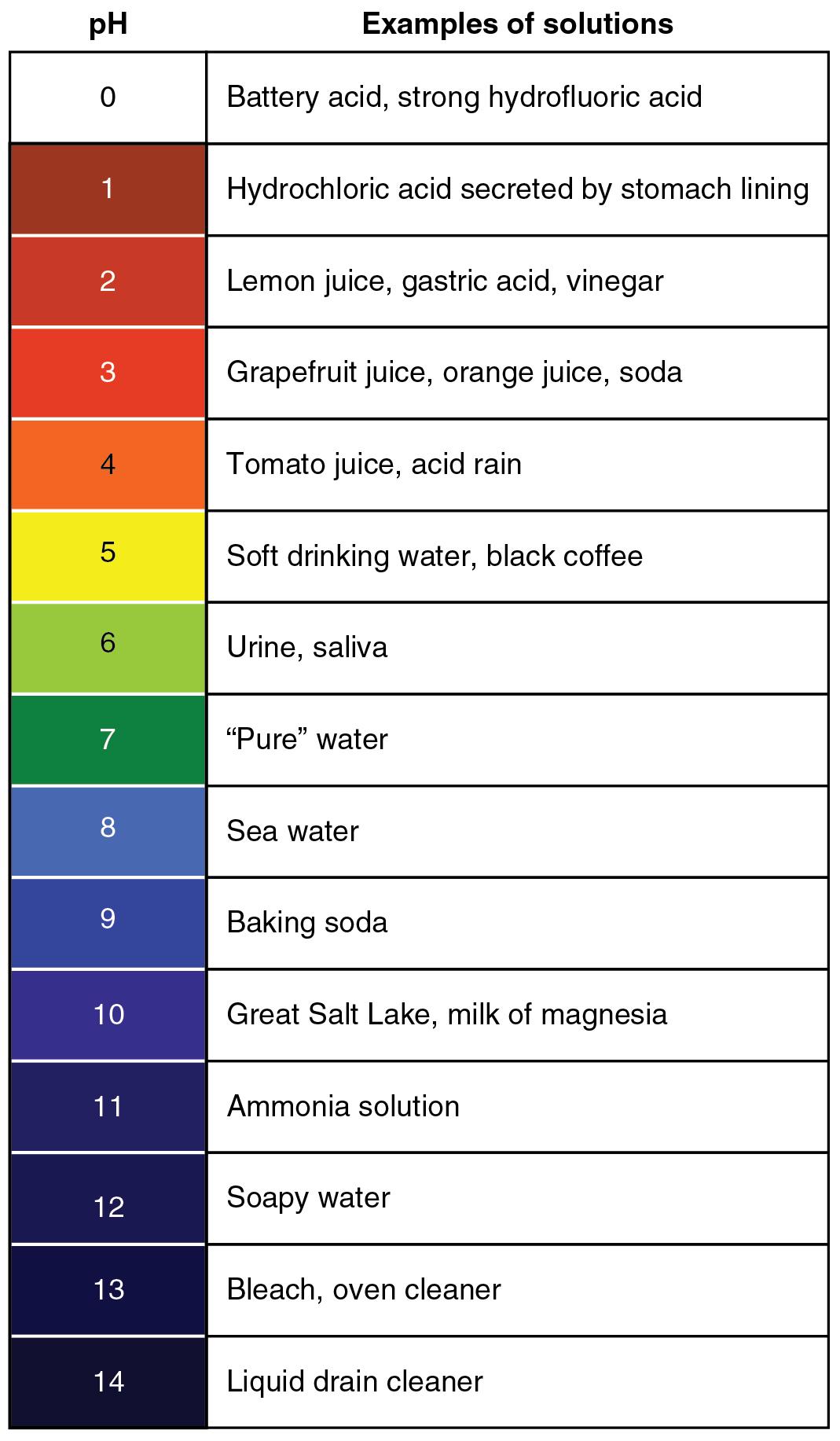
pH is a scale used to specify the acidity or basicity of an aqueous solution. It is quantitatively equal to the negative base-10 logarithm of the molar concentration of hydrogen ions (H⁺) – or more accurately, hydronium ions (H₃O⁺) – expressed as: pH = -log[H⁺]. The scale typically ranges from 0 to 14, where 7 is neutral (like pure water), values below 7 indicate acidity, and values above 7 indicate alkalinity (or basicity). Each unit change in pH represents a tenfold change in acidity or alkalinity. For instance, a solution with a pH of 3 is ten times more acidic than a solution with a pH of 4.
Sulfuric Acid: A Powerful Mineral Acid
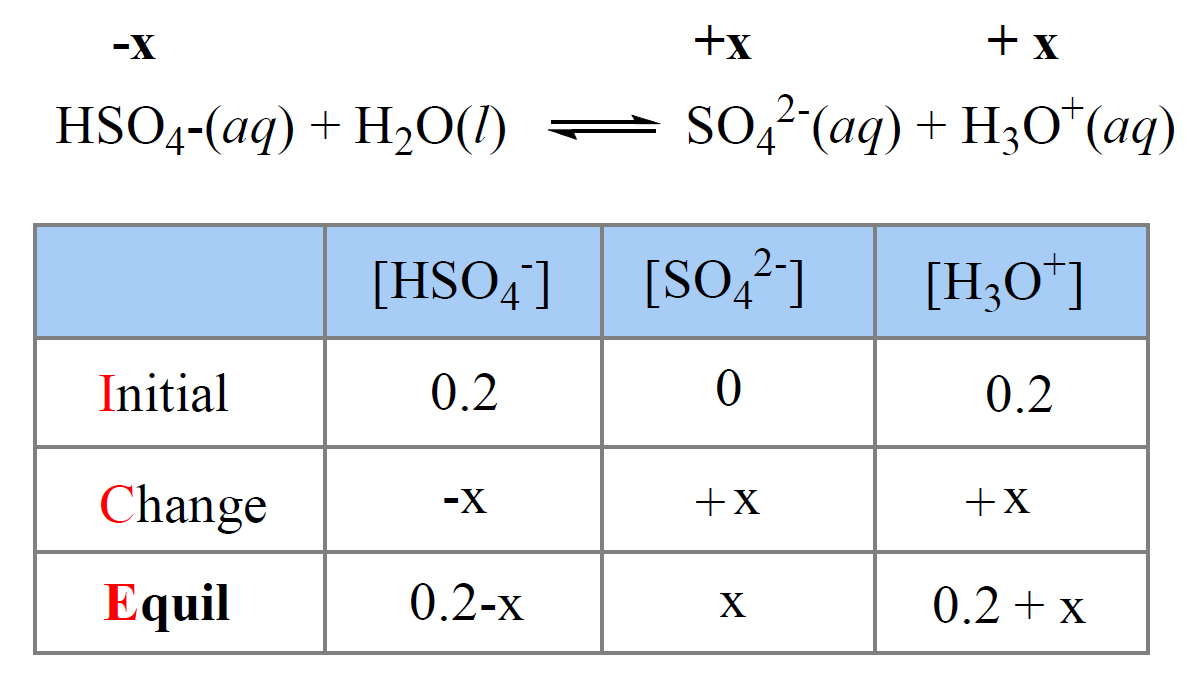
Sulfuric acid is a diprotic mineral acid, meaning each molecule can donate two protons (H⁺ ions) when dissolved in water. Its strength stems from its almost complete dissociation in an aqueous solution. The first dissociation is essentially 100% complete, meaning every H₂SO₄ molecule readily gives up its first proton. The second dissociation is also significant, contributing further to the high concentration of hydrogen ions. This high degree of ionization is what makes it a “strong” acid, differentiating it from “weak” acids that only partially dissociate. This fundamental property makes it an indispensable tool in industrial chemistry, enabling reactions that require a highly acidic environment.
The Extremely Low pH of Sulfuric Acid Explained
Given its strong and diprotic nature, concentrated sulfuric acid will produce a very high concentration of H⁺ ions in solution. For a 1 M (molar) solution of sulfuric acid, assuming complete dissociation of both protons, the theoretical [H⁺] would be 2 M. Plugging this into the pH formula: pH = -log(2) ≈ -0.3. This illustrates why the pH of concentrated sulfuric acid is not just low, but can even be negative. A 98% concentrated sulfuric acid, commonly used in industry, has an even higher molarity and thus an even lower, more negative pH. This extreme acidity is precisely why technological solutions are paramount for its handling, application, and environmental management.
Sulfuric Acid’s Critical Role in Modern Technology and Industry
The profound acidity of sulfuric acid isn’t just a chemical curiosity; it’s a cornerstone of numerous technological processes that shape our modern world. From the energy storage devices in our cars to the microchips in our computers, H₂SO₄ plays an indispensable role.
Powering Our World: Sulfuric Acid in Battery Technology
Perhaps one of the most recognizable applications of sulfuric acid is its use as the electrolyte in lead-acid batteries. These batteries, found in virtually every automobile, as well as in uninterruptible power supplies (UPS) and grid-scale energy storage systems, rely on the chemical reaction between lead plates and a sulfuric acid solution. During discharge, the sulfuric acid reacts with lead dioxide (PbO₂) and lead (Pb) to form lead sulfate (PbSO₄) and water. The concentration and, by extension, the pH of the sulfuric acid electrolyte are crucial for the battery’s performance, capacity, and lifespan. Technological advancements in battery design, monitoring systems, and charging algorithms are all geared towards optimizing and maintaining the ideal conditions of this electrochemical reaction, directly influencing the efficiency of our transportation and power infrastructure.
Precision in Production: Semiconductors and Microelectronics
The fabrication of semiconductors, the tiny brains of all modern electronics, is an incredibly intricate process demanding extreme precision and cleanliness. Sulfuric acid plays a vital role in several steps, particularly in cleaning and etching silicon wafers. For instance, it’s used in conjunction with hydrogen peroxide in a solution known as “Piranha solution” to remove organic residues from silicon surfaces. The precise control of concentration, temperature, and crucially, pH, of these chemical baths is paramount. Even slight deviations can lead to defects that render expensive microchips unusable. Advanced robotic systems, real-time chemical monitoring, and ultra-pure chemical supply chains represent the technological effort dedicated to harnessing sulfuric acid’s properties for creating the foundational components of the digital age.
Industrial Workhorse: Chemical Synthesis and Manufacturing
Sulfuric acid is the most produced chemical worldwide, often serving as a key reagent in the synthesis of countless other chemicals. It’s used to manufacture phosphoric acid (for fertilizers), synthetic detergents, pigments, dyes, explosives, and is critical in petroleum refining to remove impurities. The sheer scale of these operations necessitates highly engineered and automated plants. From giant catalytic converters in sulfuric acid production facilities to complex reactors for downstream synthesis, technology is at the forefront. Process control systems, material science for corrosion resistance, and sophisticated waste treatment technologies are all developed to manage the highly reactive nature and environmental impact of this fundamental industrial acid.
Environmental Stewardship: Wastewater Treatment and pH Control
Industrial and municipal wastewater often contains pollutants that must be neutralized or treated before discharge. Many industrial processes generate acidic or alkaline effluents, and sulfuric acid is frequently used to adjust the pH of alkaline wastewater, bringing it into an acceptable range (typically 6-9) for environmental discharge or further biological treatment. This involves sophisticated sensor networks, automated dosing pumps, and programmable logic controllers (PLCs) that continuously monitor the wastewater’s pH and precisely add acid as needed. This application highlights environmental technology’s reliance on precise pH management, ensuring compliance with regulations and protecting ecosystems from harmful discharges.
Technological Advancements in pH Measurement and Control
Given the critical importance of pH in industrial and technological processes, the evolution of pH measurement and control technologies has been remarkable, moving from rudimentary tests to highly sophisticated, interconnected systems.
Evolution of pH Sensing: From Litmus to Digital Probes
For centuries, pH was roughly estimated using indicators like litmus paper, which change color based on acidity. While simple and quick, these methods lacked precision. The advent of the glass electrode in the early 20th century revolutionized pH measurement, allowing for accurate, quantitative readings. Modern pH sensors, however, are far more advanced. They include durable industrial-grade glass electrodes designed for harsh environments, solid-state sensors (like ISFETs – Ion-Sensitive Field-Effect Transistors) for miniaturization and specific applications, and optical sensors that utilize fluorescence. These sensors are built with advanced materials science to withstand corrosion, provide stable readings over time, and operate reliably in extreme conditions, such as those found in highly concentrated sulfuric acid solutions.
Automated Systems for Real-time Monitoring and Regulation
In many critical applications of sulfuric acid, manual pH adjustment is simply not feasible or safe. This has led to the development of sophisticated automated pH control systems. These systems integrate advanced pH sensors with controllers (like PLCs or Distributed Control Systems – DCS) that interpret sensor data in real-time. Based on programmed setpoints, these controllers activate precise dosing pumps or valves to add sulfuric acid (or a neutralizing agent) to maintain the desired pH level. This closed-loop feedback mechanism ensures optimal process conditions, minimizes chemical waste, and significantly enhances safety by reducing human exposure to hazardous materials. These systems are integral to modern chemical manufacturing, water treatment plants, and even specialized biotechnological processes.
IoT and AI in Predictive pH Management
The integration of the Internet of Things (IoT) and Artificial Intelligence (AI) is taking pH management to the next level. IoT-enabled pH sensors can transmit data wirelessly to cloud platforms, allowing for remote monitoring and control from anywhere in the world. This provides operators with real-time insights into process conditions and enables proactive adjustments. Furthermore, AI and machine learning algorithms are being trained on vast datasets of pH measurements, chemical additions, and process outcomes. These intelligent systems can identify subtle trends, predict potential pH excursions before they occur, optimize chemical dosing strategies for greater efficiency, and even diagnose sensor malfunctions. This transition from reactive to predictive pH management represents a significant leap in industrial automation and operational intelligence, particularly crucial when dealing with a powerful substance like sulfuric acid.
The Safety Technology Imperative for Handling Strong Acids
The extremely low pH of sulfuric acid makes it highly corrosive and hazardous. Its ability to cause severe burns upon contact and its reactivity with certain materials necessitate an unwavering focus on safety, driven by cutting-edge technology and rigorous protocols.
Advanced Materials for Containment and Transport
One of the primary technological challenges with sulfuric acid is its safe containment and transport. Traditional materials often succumb to its corrosive nature. This has spurred innovations in materials science, leading to specialized alloys (like certain stainless steels and exotic metals), polymers (such as fluoropolymers like PTFE, or high-density polyethylene for lower concentrations), and glass-lined equipment. These materials are engineered to resist chemical attack, prevent leaks, and ensure the integrity of storage tanks, pipelines, and reaction vessels. The development of advanced coatings and linings also plays a crucial role in extending the life of equipment and enhancing safety in environments where sulfuric acid is present.
Personal Protective Equipment and Smart Safety Systems
Protecting personnel from direct exposure to sulfuric acid is paramount. This requires robust personal protective equipment (PPE), including chemical-resistant gloves, aprons, face shields, and respirators, all designed and certified to specific safety standards. Beyond individual PPE, technological advancements are creating “smart” safety systems. These include gas detectors that monitor for acid mists, emergency showers and eyewash stations that are easily accessible and highly visible, and automated ventilation systems that ensure adequate air exchange in working areas. Digital safety training platforms, often incorporating virtual reality (VR) or augmented reality (AR), can simulate hazardous scenarios, allowing workers to practice emergency procedures without risk, significantly enhancing preparedness.
Emergency Response Technologies and Protocols
Despite all preventive measures, accidents can occur. Advanced emergency response technologies and protocols are therefore critical. This includes specialized spill kits equipped with neutralizing agents and absorbent materials, drone technology for assessing large-scale spills in hard-to-reach areas, and sophisticated communication systems to coordinate emergency services. Additionally, real-time chemical tracking software assists responders in understanding the nature and quantity of the spilled acid, guiding appropriate mitigation strategies. The development of advanced medical treatments for acid burns also represents a continuous technological effort to minimize harm from accidental exposure.
Future Innovations: Sustainable Solutions and Advanced Applications
As technology continues to advance, so too will our approaches to producing, using, and managing sulfuric acid, with an increasing focus on sustainability and efficiency.
Greener Chemistry and Alternative Technologies
The environmental footprint of industrial acid production and usage is a significant concern. Future technological innovations will increasingly focus on “green chemistry” principles – designing chemical products and processes that reduce or eliminate the use and generation of hazardous substances. This includes research into more energy-efficient production methods for sulfuric acid, the development of catalysts that reduce by-products, and the exploration of alternative, less hazardous acids or processes for specific applications where sulfuric acid is currently used. While unlikely to be fully replaced given its fundamental utility, efforts will aim to minimize its overall environmental impact through technological innovation.
AI-Driven Process Optimization and Material Discovery
Artificial intelligence and machine learning will continue to play an expanded role in optimizing processes involving sulfuric acid. AI algorithms can analyze vast datasets from plant operations to identify subtle inefficiencies, predict equipment failures, and fine-tune reaction conditions for maximum yield and minimum waste. In material science, AI can accelerate the discovery of new, more corrosion-resistant materials for sulfuric acid containment and processing, drastically reducing development cycles. This includes computational modeling to predict material performance under extreme conditions, paving the way for safer and more durable industrial infrastructure.
Expanding Frontiers: New Technological Applications
While sulfuric acid is a centuries-old chemical, new technological applications continue to emerge. For example, its role in emerging battery chemistries beyond traditional lead-acid, or its potential in advanced materials synthesis for next-generation electronics or aerospace components, represents exciting frontiers. Research into advanced oxidation processes for water treatment, which might utilize sulfuric acid in conjunction with other technologies, is another area of active development. These evolving applications underscore that even fundamental chemicals like sulfuric acid remain fertile ground for technological innovation, constantly adapting to meet new challenges and opportunities.
In conclusion, the pH of sulfuric acid, a simple yet profoundly significant chemical property, is not merely a number. It is the fundamental characteristic that dictates its vast utility, the challenges it presents, and the technological solutions developed to harness its power. From powering our vehicles to fabricating our microchips, and from purifying our water to ensuring industrial safety, the journey of sulfuric acid through the modern world is inextricably linked to the relentless march of technological innovation. Understanding its pH is the first step in appreciating its far-reaching impact on our technologically driven society.
aViewFromTheCave is a participant in the Amazon Services LLC Associates Program, an affiliate advertising program designed to provide a means for sites to earn advertising fees by advertising and linking to Amazon.com. Amazon, the Amazon logo, AmazonSupply, and the AmazonSupply logo are trademarks of Amazon.com, Inc. or its affiliates. As an Amazon Associate we earn affiliate commissions from qualifying purchases.