
The humble refrigerator stands as a cornerstone of modern domestic technology, silently working day and night to preserve our food and safeguard our health. Yet, for an appliance so central to our lives, many users operate it without a precise understanding of its optimal settings, particularly concerning temperature. Far from being a mere dial to turn, the “perfect” fridge temperature is a critical technological parameter, balancing food safety, longevity, energy efficiency, and even the operational lifespan of the appliance itself. Understanding and maintaining this ideal temperature is a deep dive into the practical application of thermodynamics, microbiology, and appliance engineering.
This comprehensive guide will explore the technological nuances behind optimal refrigeration, delving into the science, the smart features of modern appliances, and the best practices to ensure your fridge operates at peak performance, keeping your food fresher, safer, and your energy bills lower.
The Science Behind Optimal Refrigeration: A Technological Imperative
At its core, refrigeration is a technological solution to a biological problem: food spoilage. The rate at which food degrades and becomes unsafe to eat is directly influenced by temperature. Understanding this relationship is the first step toward appreciating the importance of precise temperature control.
Understanding Microbial Growth and Food Spoilage
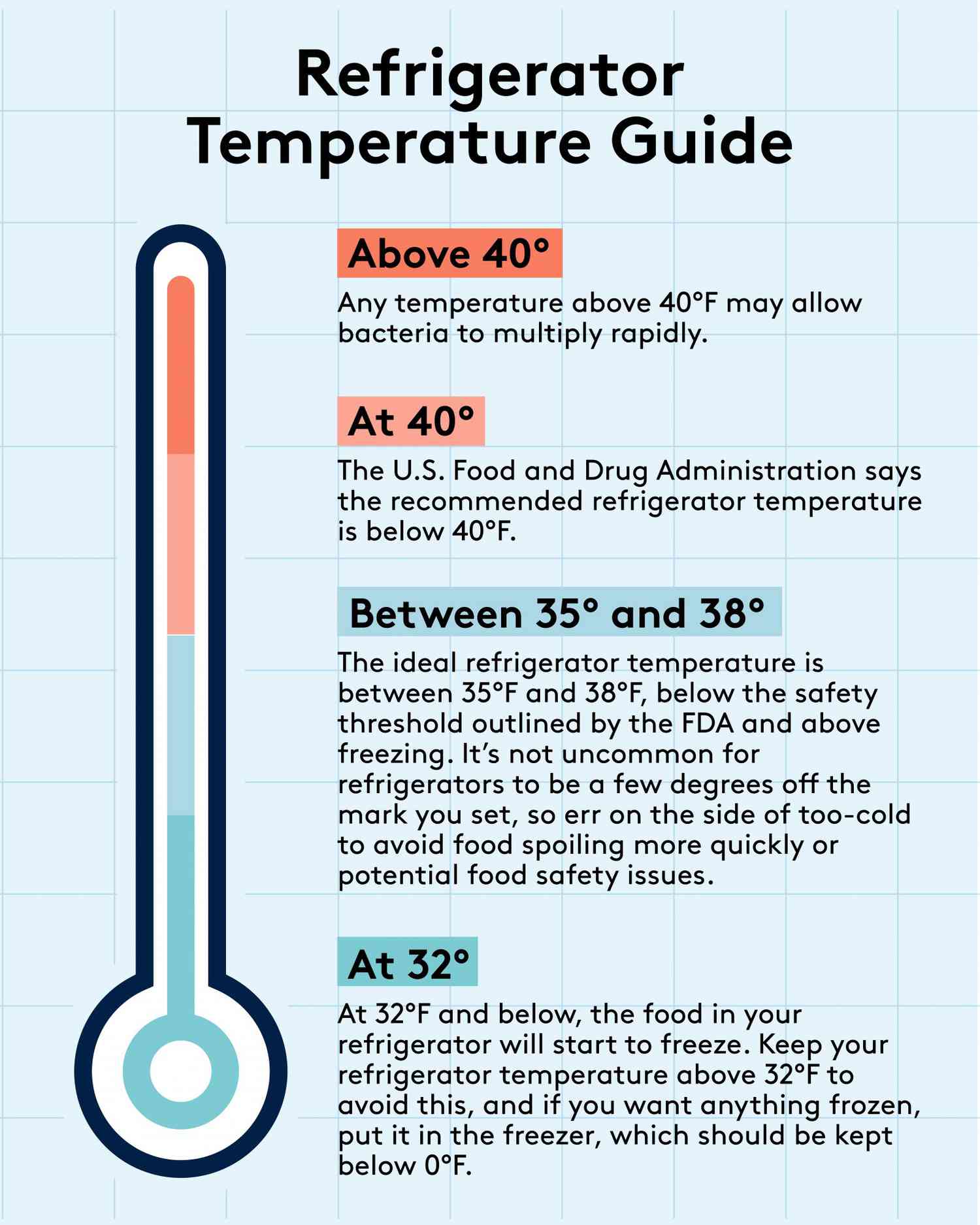
The primary culprits behind food spoilage and foodborne illnesses are microorganisms like bacteria, yeasts, and molds. These microscopic organisms thrive within a specific temperature range, often referred to as the “danger zone,” which typically spans from 5°C (41°F) to 60°C (140°F). Within this zone, bacteria can multiply rapidly, sometimes doubling their population every 20 minutes. Refrigeration technologies are designed to pull food temperatures below this danger zone, significantly slowing down or halting microbial proliferation.
The perfect fridge temperature aims to push food items far enough below 5°C (41°F) to inhibit most pathogenic bacteria, without freezing the food, which can alter its texture and quality for many fresh items. This delicate balance is a testament to the engineering that goes into modern refrigeration systems.
The Role of Temperature in Enzyme Activity
Beyond microbial action, food spoilage is also driven by enzymatic reactions inherent in the food itself. Enzymes naturally present in fruits, vegetables, and meats continue to function post-harvest or post-slaughter, leading to ripening, browning, and eventual degradation. While these enzymes are crucial for natural processes, their uncontrolled activity in stored food contributes to spoilage. Lowering the temperature significantly reduces the activity of these enzymes, effectively slowing down metabolic processes and preserving the food’s quality, texture, and nutritional value for longer periods. This metabolic slowdown is a key technological benefit of refrigeration.
Why Specific Temperatures Matter for Different Foods
While a general “perfect” temperature exists for the fridge compartment, it’s crucial to acknowledge that an ideal technological setup often involves zones tailored for specific food types. For instance, leafy greens benefit from higher humidity and slightly warmer temperatures than raw meats, which demand colder, drier conditions to prevent bacterial growth. Modern refrigerators, particularly those with advanced tech features, are designed with this in mind, offering specialized drawers and compartments. This multi-zone approach represents an evolution in refrigeration technology, moving beyond a single, uniform temperature to a more nuanced, optimized environment.
Setting Your Fridge: Beyond the Knob and Into Precision Tech
Gone are the days when a simple dial was your only interface for temperature control. Modern refrigeration technology offers greater precision and numerous tools to ensure your appliance is operating optimally.
Ideal Temperature Ranges: The 4°C/40°F Golden Rule
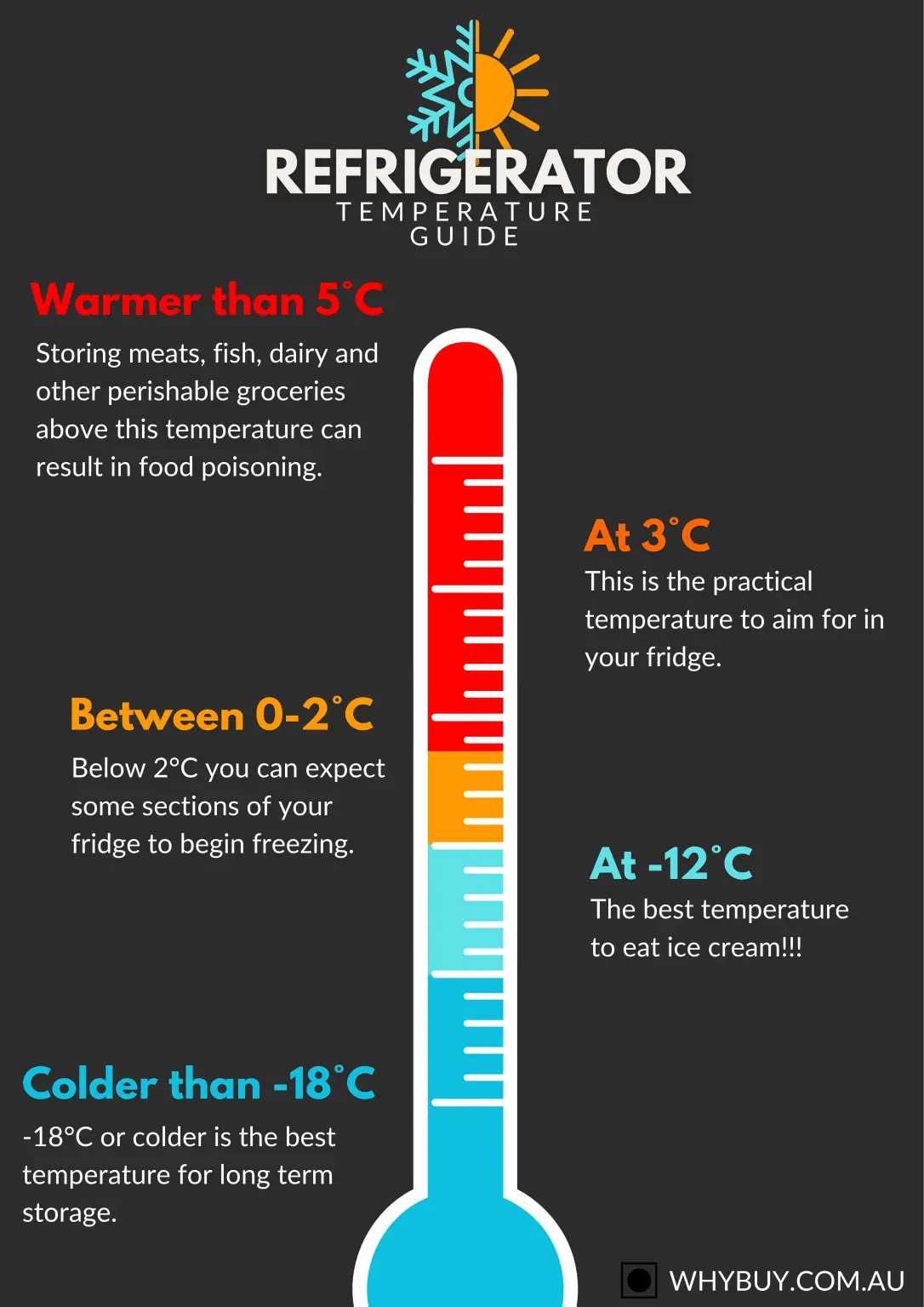
The universally accepted standard for optimal refrigerator temperature is 4°C (40°F) or below. This temperature is cold enough to significantly slow the growth of most harmful bacteria without freezing typical fresh foods. For the freezer, the recommended temperature is -18°C (0°F). Maintaining these thresholds is the most critical step in ensuring food safety. Digital temperature displays and precise electronic controls on newer models make achieving and verifying this standard much easier than older, less accurate mechanical thermostats.
Digital vs. Analog Controls: Precision and Accuracy
Older refrigerators often feature analog, numbered dials that provide a rough estimate of the temperature setting. These can be notoriously inaccurate, leading to temperatures that are either too warm (posing a safety risk) or too cold (wasting energy and potentially freezing food).
Modern refrigerators, however, increasingly incorporate digital temperature controls and displays. These allow users to set the temperature to the precise degree, often with integrated sensors that monitor and report the internal temperature in real-time. This technological advancement offers superior accuracy, making it easier to adhere to food safety guidelines and fine-tune settings for energy efficiency. Some high-end models even employ multiple sensors throughout the compartments to ensure uniform temperature distribution, combating hot spots that can compromise food quality.
Internal Thermometers: Your Unsung Hero
Regardless of whether your fridge has digital controls, an independent, appliance-specific thermometer is an invaluable piece of tech. These inexpensive gadgets allow you to verify the actual internal temperature, compensating for any inaccuracies in your fridge’s built-in thermostat or display. Placing one in the main compartment and another in the freezer provides a definitive check, ensuring your food is consistently stored at safe temperatures. Think of it as a diagnostic tool, providing objective data on your fridge’s performance.
The Impact of Door Seals and Placement
The technological efficiency of your fridge isn’t just about its internal mechanics; external factors play a crucial role. Worn or damaged door seals (gaskets) can allow cold air to escape and warm air to enter, forcing the compressor to work harder and more frequently. This not only compromises internal temperatures but also leads to increased energy consumption and premature wear of the appliance’s components. Regular inspection and replacement of seals are essential maintenance tasks.
Similarly, the placement of your fridge in a cool, well-ventilated area, away from heat sources like ovens or direct sunlight, significantly impacts its ability to maintain temperature efficiently. Technology can only do so much; environmental factors are a critical consideration for optimal performance.
Smart Refrigeration: The Future of Food Preservation Technology
The “perfect fridge temperature” is no longer a static setting but an dynamic, intelligent system in the most advanced appliances. The integration of IoT (Internet of Things) and AI (Artificial Intelligence) is transforming how we manage food preservation.
IoT-Enabled Fridges: Remote Monitoring and Control
The rise of smart home technology has brought us refrigerators connected to the internet. These IoT-enabled appliances allow users to monitor and adjust internal temperatures remotely via smartphone apps. Imagine being able to check if your fridge is cold enough after a power outage, or lowering the temperature slightly before a large grocery haul, all from your office. This connectivity not only offers convenience but also a new layer of control and diagnostic capability, alerting users to potential issues like an open door or a temperature fluctuation.
AI-Powered Temperature Regulation and Inventory Management
Looking further into the future, AI is poised to revolutionize refrigeration. AI algorithms can learn user habits, anticipate needs, and proactively adjust temperatures. For example, an AI could learn that you typically restock your fridge on Saturdays and pre-cool the compartment to compensate for the influx of new, warmer items.
Beyond temperature, AI can be integrated with internal cameras and sensors for inventory management. Imagine a fridge that not only maintains optimal temperature for your items but also identifies what you have, tracks expiration dates, suggests recipes, and even generates a grocery list for you. This level of intelligent management reduces food waste and optimizes freshness, making the fridge a truly smart hub for food preservation.
Specialized Zones: Tailoring Environments for Diverse Foods
Modern high-end refrigerators are moving beyond simple fridge and freezer compartments. They feature dedicated zones with independent temperature and humidity controls. These might include:
- Convertible Zones: Sections that can switch between fridge, soft-freeze, or freezer temperatures, offering unparalleled flexibility.
- Crisper Drawers with Humidity Control: Designed to maintain optimal humidity levels for fruits and vegetables, preventing them from drying out or wilting too quickly.
- Chiller Drawers: Kept at temperatures just above freezing, ideal for meats and seafood, prolonging their shelf life.
- Beverage Centers: Often slightly warmer than the main fridge, optimized for drinks.
These specialized zones represent a significant technological leap, acknowledging that “perfect temperature” is not one-size-fits-all but rather a spectrum of optimal environments tailored to specific food types.
Common Pitfalls and Troubleshooting: Ensuring Consistent Performance
Even with advanced technology, issues can arise. Recognizing common problems and understanding basic troubleshooting can help maintain the “perfect” fridge temperature.
Inconsistent Temperatures: Diagnosing the Problem
If your fridge isn’t maintaining a consistent temperature, several technological components could be at fault:
- Thermostat Malfunction: The electronic or mechanical thermostat might be faulty, providing incorrect readings to the compressor.
- Evaporator Fan Issues: This fan circulates cold air throughout the compartment. If it’s obstructed or broken, cold air won’t reach all areas, leading to warm spots.
- Condenser Coils: Dust and debris on these coils reduce the fridge’s ability to dissipate heat, making it work harder and less efficiently. Regular cleaning is crucial maintenance.
- Defrost System Problems: In frost-free models, a faulty defrost heater or timer can lead to ice buildup on the evaporator coils, blocking airflow and raising temperatures.
Modern fridges often have diagnostic modes or error codes accessible via their digital interfaces, which can help pinpoint these issues.
Over-Chilling and Freezing: Waste Prevention
If your fridge is consistently too cold, it’s not just an energy drain; it can damage food by freezing it, altering texture and taste. This usually points to a thermostat set too low or a sensor malfunction. In older models, a faulty damper control (which regulates cold air flow) could be the culprit. Adjusting the setting or, if necessary, replacing a component can resolve this, preventing food waste and optimizing energy usage.
Energy Efficiency and Temperature Settings
Maintaining the “perfect” fridge temperature isn’t just about food safety; it’s also about energy efficiency. Running your fridge colder than necessary consumes more electricity. Every degree below the optimal 4°C (40°F) can increase energy consumption by a measurable amount. Smart fridges with energy monitoring features can even provide data on this, empowering users to make more informed choices about their settings. Ensuring the appliance is correctly leveled, has proper clearance for ventilation, and has clean condenser coils all contribute to its energy-efficient operation.
Maximizing Freshness: Beyond Temperature but Still Tech-Driven
While temperature is paramount, optimal food preservation leverages other technological aspects that complement precise temperature control.
Proper Food Storage Techniques
How you pack and arrange food within the fridge impacts air circulation and temperature stability. Overpacking can restrict airflow, creating warmer pockets. Using appropriate containers also plays a role; airtight containers protect food from moisture loss and cross-contamination. This is where the design of the fridge’s shelves and drawers becomes important, facilitating organized, airflow-friendly storage.
Air Circulation and Humidity Control
Beyond raw temperature, the technological design of air circulation systems is vital. Modern fridges employ multi-flow air systems to ensure even cooling throughout the entire compartment. Humidity control, especially in crisper drawers, directly affects the longevity of produce. Advanced systems can automatically adjust humidity based on sensor readings or offer manual controls for customization, showcasing sophisticated environmental management within the appliance.

Regular Maintenance for Peak Performance
Like any sophisticated piece of technology, a refrigerator requires periodic maintenance to perform optimally. This includes:
- Cleaning Condenser Coils: Annually, to ensure efficient heat exchange.
- Checking Door Seals: Bi-annually, to prevent air leaks.
- Cleaning the Interior: Prevents odors and microbial buildup.
- Defrosting (for manual defrost models): Prevents ice buildup that reduces efficiency.
These simple tasks ensure the intricate cooling system and its components function as designed, maintaining that critical “perfect fridge temperature” reliably for years to come.
In conclusion, “what is the perfect fridge temperature?” is a question that opens a gateway into the fascinating world of appliance technology. It’s about leveraging scientific principles, understanding sophisticated controls, embracing smart features, and performing diligent maintenance to transform a basic appliance into a highly efficient, food-preserving powerhouse. By taking the time to understand and optimize your fridge’s temperature, you’re not just preserving food; you’re maximizing the utility of a vital piece of home technology, ensuring safety, quality, and longevity for both your groceries and your appliance.
aViewFromTheCave is a participant in the Amazon Services LLC Associates Program, an affiliate advertising program designed to provide a means for sites to earn advertising fees by advertising and linking to Amazon.com. Amazon, the Amazon logo, AmazonSupply, and the AmazonSupply logo are trademarks of Amazon.com, Inc. or its affiliates. As an Amazon Associate we earn affiliate commissions from qualifying purchases.