
In the world of finance, the absolute value of a dollar often pales in comparison to the power of a percentage. Whether you are looking at the growth of a retirement fund, the cost of a mortgage, or the efficiency of a side hustle, “the percentage” is the universal language of progress and risk. Understanding how these figures operate is the difference between passive participation in the economy and active wealth creation.
To master your money, you must stop looking at your bank balance in isolation and start looking at the ratios that govern your financial health. From the interest rates that dictate your debt to the return on investment (ROI) that fuels your future, this guide explores the critical percentages every investor and earner must master.
The Power of the Interest Rate: Why the Percentage is Your Greatest Ally (or Enemy)
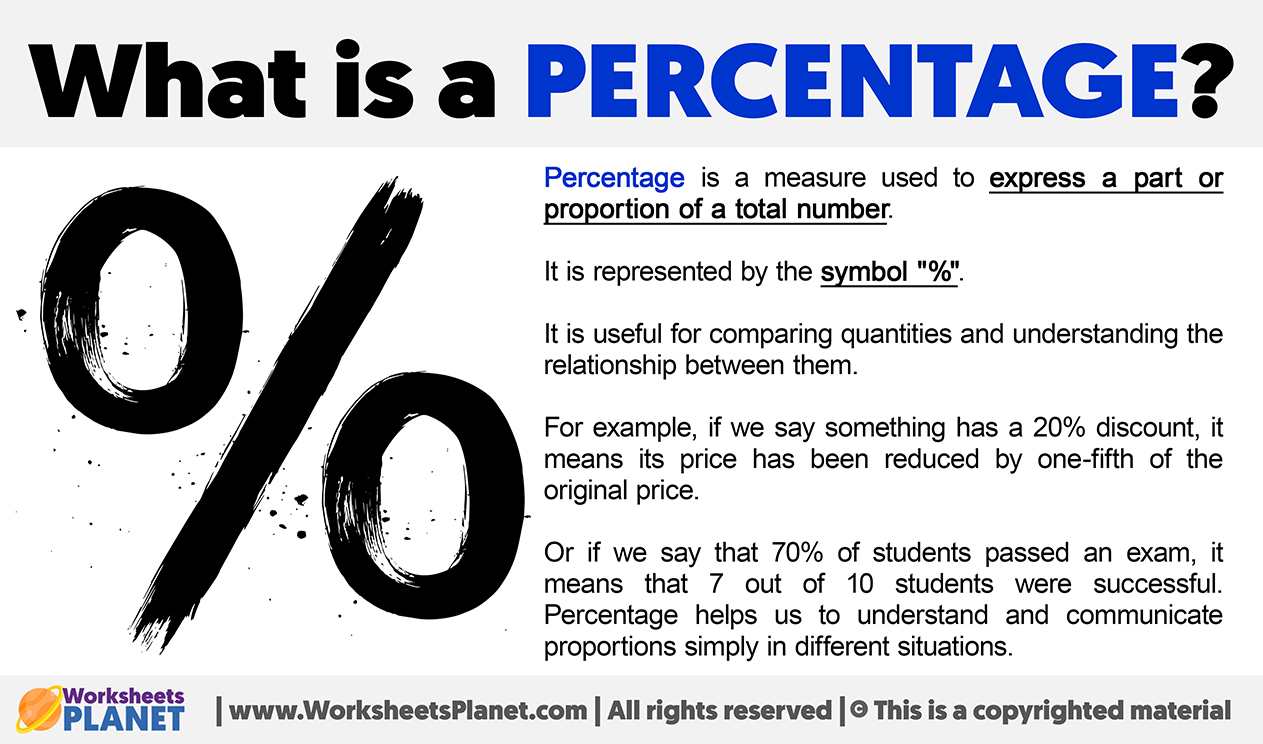
The most fundamental percentage in the financial world is the interest rate. It is the cost of borrowing money or the reward for lending it. Depending on which side of the equation you stand, a small shift in this percentage can result in either a windfall or a financial catastrophe.
Compound Interest: The Eighth Wonder of the World
Albert Einstein famously called compound interest the “eighth wonder of the world.” The reason is simple: it is a percentage that applies not just to your principal investment, but to the accumulated interest of previous periods.
When you invest $10,000 at a 7% annual return, you don’t just earn $700 every year. In the second year, that 7% applies to $10,700, and in the third, to $11,449. Over thirty years, that original $10,000 grows to over $76,000 without you adding a single penny. The “percentage” here is the engine of exponential growth. For the long-term investor, the goal is to maximize this percentage while minimizing the time the money sits idle.
The Hidden Cost of Debt: APR and APY Explained
While compound interest builds wealth, it can also destroy it when applied to debt. This is most evident in credit cards, where the Annual Percentage Rate (APR) often exceeds 20%. At this percentage, debt can double in less than four years.
Understanding the difference between APR (Annual Percentage Rate) and APY (Annual Percentage Yield) is crucial. APR represents the simple interest rate over a year, while APY accounts for the effect of compounding within that year. When you are looking at a savings account, you want a high APY. When you are looking at a loan, you want a low APR. Even a 1% difference in a mortgage rate can save or cost a homeowner hundreds of thousands of dollars over the life of a 30-year loan.
Strategic Asset Allocation: Finding Your Perfect Portfolio Percentage
Investing is not about picking the “best” stock; it is about building a resilient structure through asset allocation. This involves dividing your investment portfolio among different asset categories, such as stocks, bonds, and cash. The “percentage” you assign to each category will determine your risk profile and long-term returns.
The Classic 60/40 Split and Modern Alternatives
For decades, the “60/40” rule was the gold standard: 60% of your portfolio in stocks for growth and 40% in bonds for stability. This percentage-based strategy was designed to weather market volatility. When stocks crashed, bonds usually held their value, preventing the total portfolio from plummeting.
However, in today’s low-yield environment, many financial advisors are shifting these percentages. Younger investors might lean toward a 90/10 split to capture more growth, while those nearing retirement might flip the ratio to preserve capital. The key is recognizing that there is no “perfect” percentage—only the percentage that aligns with your specific time horizon and risk tolerance.
Rebalancing: Maintaining Your Target Percentages Over Time
Market fluctuations will naturally change your portfolio’s percentages. If the stock market has a banner year, your 60% stock allocation might grow to 70% of your total wealth. This leaves you over-exposed to a potential market correction.
Rebalancing is the process of selling a portion of your “winners” and buying more of your “underperformers” to return to your target percentages. While it feels counterintuitive to sell what is performing well, it is a disciplined way to “buy low and sell high,” ensuring that your risk remains within your comfort zone.
Performance Metrics: Measuring ROI and Growth
In the realm of personal finance and online income, the question “What is the percentage?” usually refers to performance. If you start a side hustle or invest in a rental property, you need a way to measure whether your capital and time are being used efficiently.
Return on Investment (ROI): The Ultimate Success Metric
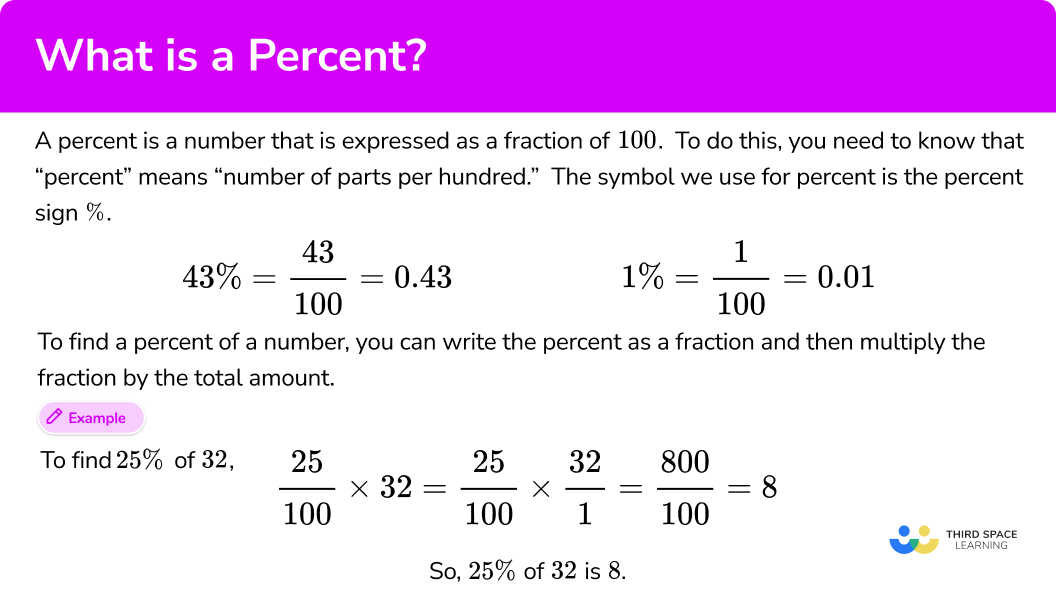
ROI is the most vital percentage for any wealth builder. It is calculated by dividing the net profit of an investment by its initial cost. If you spend $1,000 on a stock and sell it for $1,200, your ROI is 20%.
But ROI must be viewed in context. A 20% return over one month is spectacular; a 20% return over ten years is mediocre, as it fails to beat the historical average of the stock market. When evaluating side hustles or business ventures, always calculate the ROI of both your money and your time. If a business yields a high dollar amount but requires 80 hours of work a week for a 5% margin, the “percentage” suggests your capital might be better spent elsewhere.
Real vs. Nominal Returns: Factoring in Inflation
One of the most dangerous mistakes an investor can make is ignoring the percentage of inflation. If your savings account offers a 4% interest rate, but inflation is running at 5%, your “real” return is actually -1%. Your purchasing power is shrinking despite the fact that your balance is growing. To build true wealth, your investment percentages must consistently exceed the inflation percentage. This is why “cash is trash” over long periods; the percentage of inflation slowly erodes its value.
The 50/30/20 Rule: A Percentage-Based Approach to Budgeting
Effective financial management starts with a plan for your income. Many people struggle with budgeting because they focus on rigid dollar amounts. A more flexible and sustainable approach is to use percentages, specifically the 50/30/20 rule.
Needs, Wants, and Savings: The Core Framework
This rule suggests that you should allocate your after-tax income into three buckets:
- 50% for Needs: This includes non-negotiable expenses like housing, utilities, groceries, and insurance.
- 30% for Wants: This is your lifestyle fund—dining out, hobbies, and entertainment.
- 20% for Savings and Debt Repayment: This is the portion that builds your future, including retirement contributions and extra payments on high-interest debt.
By focusing on these percentages, you create a scalable budget. If your income increases, your lifestyle can expand (the 30% bucket grows), but your savings also increase proportionally (the 20% bucket grows).
Adapting the Rule for High-Income and Low-Income Earners
The 50/30/20 rule is a baseline, not a law. For high-income earners, a 50% allocation for “needs” might be unnecessarily high, allowing them to push their “savings” percentage to 40% or 50% to accelerate financial independence. Conversely, in high-cost-of-living areas, “needs” might consume 70% of a paycheck. In these cases, the goal is to gradually move the percentages toward the 50/30/20 ideal by either increasing income or aggressively cutting recurring costs.
Tax Brackets and Effective Rates: The Percentage You Actually Keep
Finally, we must consider the percentage that goes to the government. Understanding taxes is essential because it’s not about how much you make; it’s about how much you keep.
Marginal vs. Effective Tax Rates
Many people fear moving into a higher tax bracket because they believe their entire income will be taxed at that higher percentage. This is a misunderstanding of “marginal” tax rates. In a progressive tax system, only the income within a specific range is taxed at that bracket’s percentage.
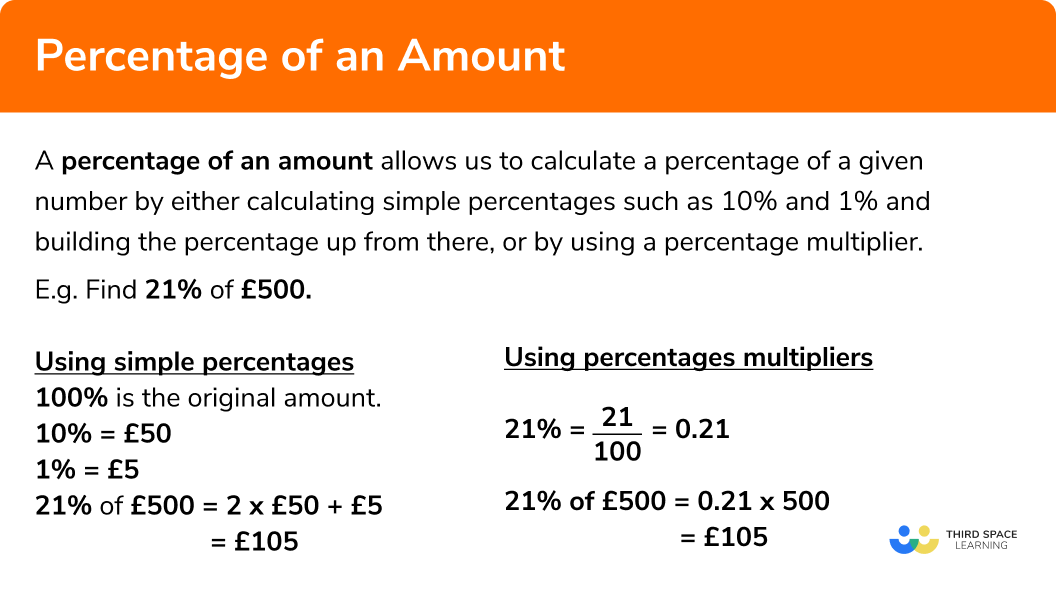
Your “effective” tax rate is the actual percentage of your total income that goes to taxes. For example, you might be in the 24% marginal bracket, but your effective tax rate might only be 18% after deductions and lower-tier brackets are factored in. Knowing these percentages helps you make better decisions about retirement accounts, such as choosing between a Traditional IRA (tax-deductible now) or a Roth IRA (tax-free later).
Tax-Loss Harvesting: Managing the Percentage of Capital Gains
For investors, the capital gains tax is a critical percentage to manage. If you sell an investment for a profit, the government takes a cut—often 15% to 20%. To mitigate this, savvy investors use “tax-loss harvesting.” This involves selling underperforming assets at a loss to offset the gains from winners. By managing these percentages strategically, you can significantly reduce your tax liability and keep more of your money compounding in the market.
Conclusion: The Precision of Percentages
When you ask, “What is the percentage?” you are asking for clarity. You are looking past the noise of big numbers and focusing on the underlying efficiency of your financial life. Whether it is the interest rate on your mortgage, the allocation of your portfolio, the ROI of your business, or the tax rate on your earnings, these percentages are the levers of wealth.
By shifting your mindset from dollars to percentages, you gain a professional-grade tool for decision-making. You stop guessing and start calculating. In the long run, those who master the percentages are the ones who master their financial destiny.
aViewFromTheCave is a participant in the Amazon Services LLC Associates Program, an affiliate advertising program designed to provide a means for sites to earn advertising fees by advertising and linking to Amazon.com. Amazon, the Amazon logo, AmazonSupply, and the AmazonSupply logo are trademarks of Amazon.com, Inc. or its affiliates. As an Amazon Associate we earn affiliate commissions from qualifying purchases.