
In the intricate tapestry of our financial lives, few concepts are as pervasive, yet often as misunderstood, as “the percent.” From the daily decisions we make as consumers to the grand strategies of corporate finance and global economics, percentages serve as the universal language of proportion, change, and value. To truly master one’s finances, to invest wisely, or to manage a business effectively, one must move beyond a superficial understanding of percentages and embrace their profound implications. This article delves into the essence of “what is the percent,” exploring its fundamental definition, ubiquitous applications across personal and business finance, and the critical insights it offers for informed decision-making.
The Foundation: Deconstructing “Percent”
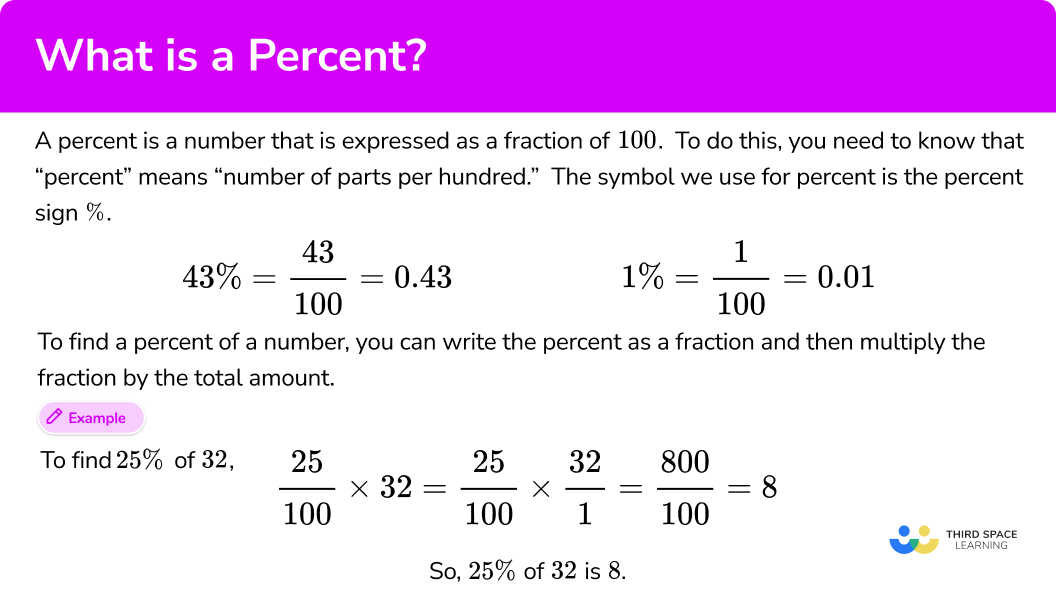
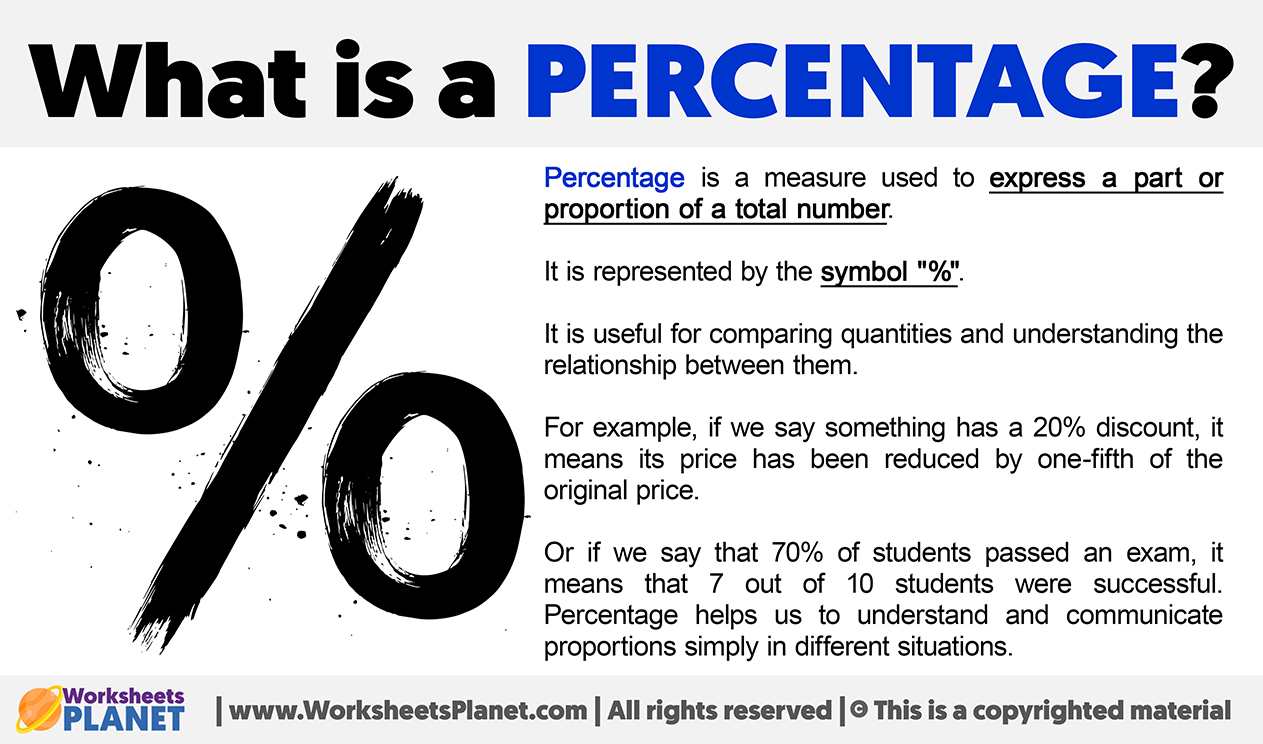
At its heart, “percent” is a simple mathematical concept with profound practical implications. Derived from the Latin phrase “per centum,” meaning “by the hundred,” a percent represents a fraction of a whole expressed as a number out of 100. It provides a standardized way to compare parts to a whole, regardless of the size of the whole itself.
From Latin Roots to Modern Relevance
The concept of expressing parts of a whole in terms of a fixed denominator (like 100) has ancient roots, facilitating commerce and taxation even before the formalization of the “%” symbol. In modern finance, this standardization is incredibly powerful. Imagine trying to compare a 1/8 share in one company to a 3/20 share in another; converting them to percentages (12.5% vs. 15%) instantly clarifies which represents a larger proportion. This universal scaling allows for clear, concise communication and comparison across diverse financial contexts, from interest rates on loans to quarterly growth figures for multi-billion-dollar corporations.
The Simple Math: Fractions, Decimals, and Ratios
Understanding percentages often begins with their relationship to fractions and decimals. A percentage is simply a specific way of writing a fraction where the denominator is 100.
- Fraction: $ frac{x}{y} $
- Decimal: $ x div y $
- Percent: $ (x div y) times 100% $
For instance, if you get 75 out of 100 questions correct on a test, that’s $ frac{75}{100} $, or 0.75 as a decimal, which translates to 75%. If you earn $15 from an initial $100 investment, your return is $ frac{15}{100} $, or 15%. This straightforward conversion underpins all financial calculations involving percentages. Whether it’s calculating a discount, an interest payment, or a profit margin, the ability to fluently move between these forms is a fundamental financial literacy skill, unlocking the power to dissect and understand the numbers that govern our monetary world.
Percentages in Personal Finance: Everyday Impact
For individuals, percentages are not abstract mathematical constructs but tangible forces that shape daily financial realities. They influence how much we pay for goods, how quickly our debt grows, and how effectively we save for the future.
Managing Debt: Interest Rates and APRs
One of the most immediate encounters with percentages for many individuals is through debt. Whether it’s a mortgage, a car loan, or a credit card balance, the interest rate – expressed as a percentage – dictates the cost of borrowing money. A 5% mortgage rate means you pay 5% of the outstanding principal each year in interest. The Annual Percentage Rate (APR) on credit cards provides an even more comprehensive measure, factoring in not just the interest rate but also certain fees, giving you the true annual cost of borrowing. Understanding these percentages is paramount. A seemingly small difference, say between a 15% and an 18% APR on a credit card, can translate to hundreds or thousands of dollars in extra interest payments over time, highlighting the critical importance of seeking lower percentage rates when borrowing.
Budgeting and Savings: Allocating Your Income
Percentages are invaluable tools for effective personal budgeting and saving. Many financial experts recommend allocating specific percentages of income to different categories. The “50/30/20 rule,” for instance, suggests devoting 50% of after-tax income to needs, 30% to wants, and 20% to savings and debt repayment. Such percentage-based frameworks provide a flexible yet disciplined approach to managing cash flow, adapting easily to varying income levels without requiring constant recalculation of absolute dollar amounts. Similarly, calculating what percentage of your income you are saving – aiming for at least 10-15% for long-term goals – offers a clear benchmark for financial health and progress towards future aspirations like retirement or a down payment on a home.
Consumer Decisions: Discounts, Sales Tax, and Tips
Every shopping trip, dining experience, or online purchase brings percentages into play. Discounts are frequently advertised as percentages off the original price (e.g., “25% off all items”). Calculating the final price requires converting that percentage into a dollar amount and subtracting it. Sales tax, applied as a percentage of the purchase price, is added to the total. And for service industries, tipping commonly involves calculating 15-20% of the bill. Accurately understanding and quickly calculating these percentages empowers consumers to make informed decisions, verify correct pricing, and manage their spending effectively, preventing unpleasant surprises at the checkout or on their bank statements.
Percentages in Investing: Fueling Growth and Measuring Risk
In the world of investments, percentages are the lifeblood of analysis, performance measurement, and strategic planning. They allow investors to quantify returns, assess risk, and construct diversified portfolios designed for growth.
Returns on Investment (ROI) and Growth Rates
The primary metric for evaluating any investment is its Return on Investment (ROI), almost universally expressed as a percentage. Whether it’s the 8% annual return on a stock portfolio, the 3% yield on a bond, or the 12% profit margin on a real estate flip, ROI clearly communicates the profitability relative to the initial capital invested. Similarly, tracking the growth rate of a company’s revenue or earnings over a quarter or a year, presented as a percentage, helps investors gauge its health and potential. Understanding compound annual growth rate (CAGR) allows for the evaluation of investments over multiple periods, providing a smoothed percentage rate of return that accounts for compounding effects, which is crucial for long-term investment analysis.
Understanding Volatility and Risk Metrics
Beyond mere returns, percentages are critical for quantifying investment risk. Volatility, often measured as the standard deviation of returns, is expressed as a percentage, indicating how much an investment’s value fluctuates around its average. A stock with 20% annual volatility suggests wider price swings than one with 10% volatility, signifying higher risk. Metrics like Beta, which measures a stock’s volatility relative to the overall market, are also presented as percentages or ratios, guiding investors in understanding how a particular asset might perform during market downturns or upturns. By using these percentage-based risk measures, investors can make more informed decisions about how much risk they are willing to take for a given potential return, aligning their portfolio with their personal risk tolerance.
Portfolio Allocation and Diversification Strategies
Strategic portfolio management heavily relies on percentages to achieve diversification. Investors allocate their capital across different asset classes – stocks, bonds, real estate, commodities – based on a desired percentage split. For example, a common strategy might involve a 60% allocation to stocks and 40% to bonds, adjusted based on age, goals, and risk profile. This percentage-based allocation ensures a balanced approach, spreading risk across various investments. Rebalancing the portfolio periodically involves adjusting these percentages back to their target levels, selling assets that have grown significantly to buy those that have underperformed, thereby maintaining the desired risk-return profile. Without the language of percentages, effective diversification and rebalancing would be incredibly complex, if not impossible.
Percentages in Business Finance: Operational Insights and Strategic Decisions
For businesses, percentages are indispensable tools for operational analysis, financial reporting, and strategic decision-making. They translate raw financial data into actionable insights, enabling companies to monitor performance, identify trends, and benchmark against competitors.
Profit Margins and Revenue Growth
Key performance indicators (KPIs) in business are almost universally expressed as percentages. Gross profit margin (gross profit as a percentage of revenue) indicates the profitability of sales after accounting for the cost of goods sold. Operating profit margin (operating income as a percentage of revenue) reveals efficiency in managing operational expenses. And net profit margin (net income as a percentage of revenue) shows the ultimate profitability after all expenses, taxes, and interest. These margins provide a clear snapshot of a company’s efficiency and financial health. Similarly, tracking revenue growth year-over-year or quarter-over-quarter as a percentage is vital for assessing a company’s market penetration and expansion capabilities, guiding decisions on investment in new products, markets, or infrastructure.
Market Share and Competitive Analysis
In competitive markets, understanding a company’s position relative to its rivals is crucial. Market share, expressed as the percentage of total sales in an industry that a particular company captures, is a primary metric for competitive analysis. A company with a growing market share percentage indicates successful strategy and competitive strength, while a declining percentage might signal problems. Comparing profit margins, growth rates, and other financial percentages against competitors and industry averages (benchmarking) allows businesses to identify areas of strength to leverage and weaknesses to address, informing strategic planning and resource allocation to gain a competitive edge.
Financial Ratios: Liquidity, Solvency, and Efficiency
Financial ratios, all percentage-based or ratio-based figures, provide a comprehensive diagnostic tool for business health.
- Liquidity Ratios like the current ratio (current assets / current liabilities) assess a company’s ability to meet short-term obligations.
- Solvency Ratios such as the debt-to-equity ratio (total debt / shareholder equity) evaluate a company’s long-term financial stability and reliance on debt.
- Efficiency Ratios like inventory turnover (cost of goods sold / average inventory) measure how effectively a company utilizes its assets.
These ratios, when analyzed over time and compared to industry benchmarks, offer critical insights into operational efficiency, risk exposure, and overall financial performance. A high debt-to-equity percentage, for example, might signal excessive leverage and increased financial risk, prompting management to consider debt reduction strategies. Such percentage-driven analysis is fundamental for investors, creditors, and internal management alike to make sound financial judgments.
Mastering Percentages for Financial Empowerment
True financial literacy transcends merely knowing how to calculate a percentage; it encompasses the ability to interpret them critically, understand their context, and leverage them for strategic advantage. Mastering percentages transforms raw data into meaningful insights, empowering individuals and businesses to make smarter financial decisions.
Practical Calculation Techniques and Tools
While the fundamental math behind percentages is straightforward, efficiency and accuracy are key. For quick calculations, understanding that “of” means multiply and “is” means equals can simplify many problems (e.g., “what is 20% of 50?” becomes $ x = 0.20 times 50 $). The use of calculators, spreadsheets (like Excel with its percentage formatting), and online financial tools has made complex percentage calculations, such as compound interest over decades or discounted cash flow analysis, accessible to everyone. Learning to utilize these tools effectively can significantly enhance one’s ability to analyze financial scenarios, from comparing loan options to projecting investment returns.
Recognizing Misleading Statistics and Context
One of the most crucial aspects of mastering percentages is developing a critical eye. Percentages can be incredibly powerful in conveying information, but they can also be used to mislead or misrepresent data if not understood in context. For instance, a “50% increase” sounds impressive, but if it’s a 50% increase from a very small base, the absolute change might be negligible. Conversely, a “1% decrease” in a very large number (like a national GDP) represents a massive economic shift. Understanding the base upon which a percentage is calculated, distinguishing between absolute and relative changes, and being aware of the timeframe are all vital for avoiding misinterpretation and making truly informed decisions.

The Power of Compound Interest: A Percentage Phenomenon
Perhaps no financial concept illustrates the profound impact of percentages better than compound interest. Often called the “eighth wonder of the world,” compound interest refers to the process where the interest earned on an investment (or paid on a loan) is added to the principal, and then the next interest calculation is based on this new, larger principal. This continuous cycle, driven by a percentage rate, leads to exponential growth over time. A seemingly modest 7% annual return, compounded over 30 years, can transform a small initial investment into a substantial nest egg. Conversely, compound interest works against borrowers, causing debt to escalate rapidly if only minimum payments are made. Understanding and harnessing the power of compounding percentages is arguably the most important lesson in personal finance, a testament to how “the percent” can profoundly shape one’s financial destiny.
In conclusion, “what is the percent?” is far more than a simple mathematical query. It is an invitation to understand the fundamental mechanics of money, value, and change. From managing personal budgets and investing for the future to guiding corporate strategy and analyzing market trends, percentages are the indispensable language that enables clarity, comparison, and informed decision-making across all facets of finance. By embracing and mastering this seemingly simple concept, individuals and organizations alike can unlock a deeper understanding of their financial world and pave the way for greater economic success and security.
aViewFromTheCave is a participant in the Amazon Services LLC Associates Program, an affiliate advertising program designed to provide a means for sites to earn advertising fees by advertising and linking to Amazon.com. Amazon, the Amazon logo, AmazonSupply, and the AmazonSupply logo are trademarks of Amazon.com, Inc. or its affiliates. As an Amazon Associate we earn affiliate commissions from qualifying purchases.