
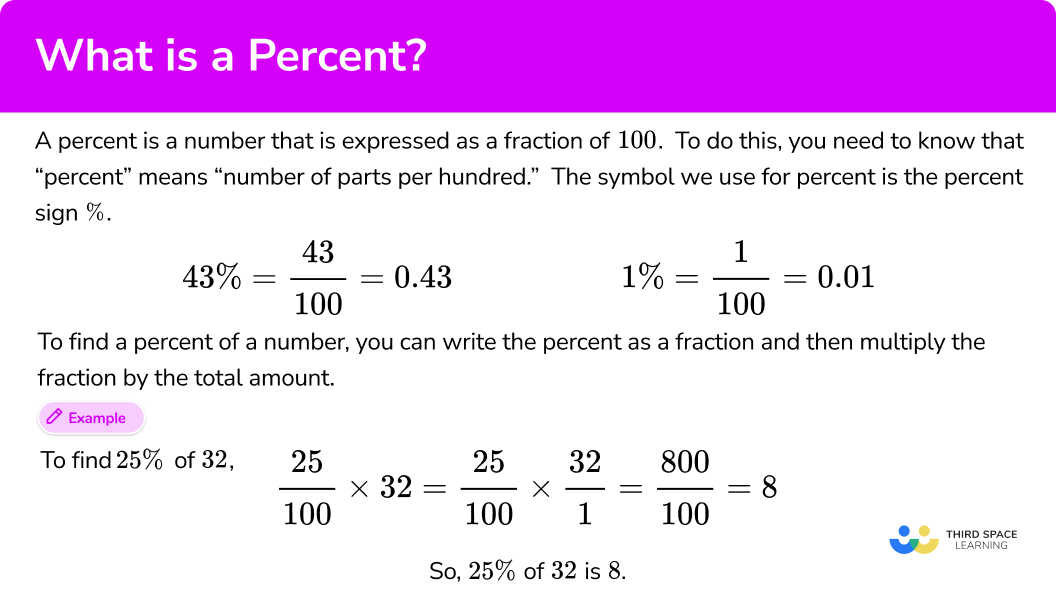
In the world of personal finance and wealth management, everything boils down to a single mathematical concept: the percentage. Whether you are calculating the interest on a high-yield savings account, determining the appropriate asset allocation for your retirement portfolio, or measuring the impact of inflation on your purchasing power, understanding “what is the percent” of any given financial metric is the difference between stagnation and growth.
Numbers in isolation tell very little of a story. Knowing you have $1,000 is less important than knowing that $1,000 represents 10% of your total debt or 100% of your monthly emergency fund. To achieve financial mastery, one must look past the raw currency and focus on the ratios. This guide explores the critical percentages that define financial health, from personal budgeting and investment returns to the macro-economic shifts that dictate your cost of living.
The Golden Ratios: What Percent of Your Income Should Go Where?
Budgeting is often viewed as a restrictive exercise, but it is more accurately described as a strategic allocation of resources. The most successful financial planners don’t track every penny; they track the percentages. By categorizing your income into specific buckets, you create a sustainable framework for wealth building.
The 50/30/20 Rule: A Benchmark for Financial Stability
The most widely recognized percentage-based budget is the 50/30/20 rule. This framework suggests that 50% of your after-tax income should be dedicated to “Needs” (housing, utilities, groceries), 30% to “Wants” (entertainment, dining out, hobbies), and 20% to “Savings and Debt Repayment.”
The power of this rule lies in its simplicity. If your “Needs” exceed 50%, it is a clear indicator that you may be “house poor” or overextended on fixed costs. Conversely, if you can shrink your “Needs” to 40% and move that extra 10% into the savings bucket, you accelerate your path to financial independence exponentially.
The Percent of Debt-to-Income: Navigating Credit Health
Lenders look at one specific percentage more than any other when deciding your worthiness for a loan: the Debt-to-Income (DTI) ratio. This is the percentage of your gross monthly income that goes toward paying debts. Generally, a DTI of 36% or less is considered healthy.
Once this percentage creeps above 43%, most traditional lenders view you as a high-risk borrower. Understanding what percent of your paycheck is “owned” by creditors before you even receive it is essential for long-term planning. Lowering this percentage doesn’t just save you interest; it increases your financial flexibility.
Investing for the Future: Calculating the Percent of Returns
If budgeting is about managing the present, investing is about maximizing the percentage of growth for the future. In the realm of investing, the “percent” is the engine of the vehicle.
Compound Interest: The Power of Percentage Growth Over Time
Albert Einstein famously called compound interest the eighth wonder of the world. At its core, compounding is the process where the percentage of return is calculated not just on your initial principal, but on the accumulated interest of previous periods.
For example, a 7% annual return might seem modest in a single year. However, when that 7% is applied consistently over 30 years, the original investment doesn’t just triple; it grows by nearly 800%. Understanding the percentage of your “yield” and the frequency of compounding is the most critical factor in retirement planning.
Asset Allocation: What Percent of Your Portfolio Should Be in Stocks vs. Bonds?
Risk management is entirely a game of percentages. Asset allocation is the strategy of dividing your investment portfolio among different asset categories. The “percent” you allocate to equities (stocks) versus fixed income (bonds) determines your exposure to market volatility.
A classic rule of thumb was the “100 minus age” rule, where the percentage of stocks in your portfolio should be 100 minus your current age. In a modern financial landscape with longer lifespans, many advisors now suggest “110 or 120 minus age.” If you are 30 years old, holding 80% to 90% in stocks allows for aggressive growth, while a 60-year-old might shift to a 50/50 split to protect capital.
The Impact of External Percentages: Inflation and Interest Rates
While you can control your internal percentages (savings and spending), your financial success is also tied to external percentages controlled by central banks and global markets.

The Consumer Price Index (CPI): Understanding the Percent of Inflation
Inflation is the percentage at which the general level of prices for goods and services rises, subsequently eroding purchasing power. If the annual inflation rate is 3%, your money loses 3% of its value every year.
For an investor, the “real rate of return” is the most important number. If your savings account offers a 4% interest rate but inflation is at 5%, your “real” return is actually -1%. You are technically losing wealth despite the nominal increase in your balance. Keeping a close eye on the percent of inflation allows you to adjust your investment strategy to ensure your wealth grows faster than the cost of living.
Federal Interest Rates: How Small Percentages Change Your Buying Power
The Federal Reserve’s interest rate decisions ripple through the entire economy. A mere 1% increase in the federal funds rate can result in thousands of dollars in extra interest over the life of a mortgage. Conversely, higher interest rates often mean higher percentages of return on “safe” investments like Certificates of Deposit (CDs) and Treasury bonds. Understanding these shifts helps you decide when to lock in a loan or when to pivot toward fixed-income assets.
Optimizing Your Business or Side Hustle: Profit Margins and Tax Percentages
For entrepreneurs and freelancers, the question of “what is the percent” applies directly to the bottom line. Revenue is a “vanity metric,” while percentage-based margins represent “sanity.”
Net vs. Gross: What Percent of Your Revenue is Actually Profit?
A business making $1 million a year might seem successful, but if its expenses are $950,000, its profit margin is only 5%. A leaner business making $200,000 with $50,000 in expenses has a 75% margin and is arguably in a much stronger financial position.
Monitoring your gross profit margin (revenue minus cost of goods sold) and your net profit margin (the percentage of revenue left after all expenses and taxes) is vital. High-margin businesses are more resilient to economic downturns because they have a larger “buffer” of percentage points to lose before they become unprofitable.
Planning for the Tax Man: What Percent of Freelance Income Should You Set Aside?
One of the most common pitfalls for new entrepreneurs is failing to account for the percentage of their income that belongs to the government. Unlike traditional employees who have taxes withheld, freelancers must manage their own “tax percentage.”
A professional approach involves setting aside 25% to 30% of every dollar earned into a separate, untouched account. By treating this percentage as a non-negotiable expense rather than “extra money,” business owners avoid the devastating “tax season shock” that bankrupts many small ventures.
The Percent of Withdrawal: Planning for Retirement
The final stage of the financial journey is the transition from accumulation to distribution. Here, the percentages change from “how much can I add?” to “how much can I take?”
The 4% Rule: Is It Still Relevant for Today’s Retirees?
The “4% Rule” is a classic benchmark for retirement spending. It suggests that if you withdraw 4% of your total investment portfolio in the first year of retirement and adjust that amount for inflation every year thereafter, your money has a very high probability of lasting 30 years.
While market conditions and increased longevity have led some experts to suggest a more conservative 3.3% or 3.5%, the principle remains: your retirement is not a dollar amount; it is a sustainable percentage. If you have $1,000,000, a 4% withdrawal gives you $40,000 a year. Understanding this ratio helps you work backward to find your “retirement number.”
Social Security and Pension Replacement Ratios
Most retirees cannot live on personal savings alone. They rely on “replacement ratios”—the percentage of their pre-retirement income that is replaced by Social Security or pensions. Most financial planners aim for a total replacement ratio of 70% to 85%. By calculating what percent of your needs will be met by guaranteed government payments, you can more accurately determine what percent of your lifestyle must be funded by your private portfolio.
Conclusion: Mastering the Math of Wealth
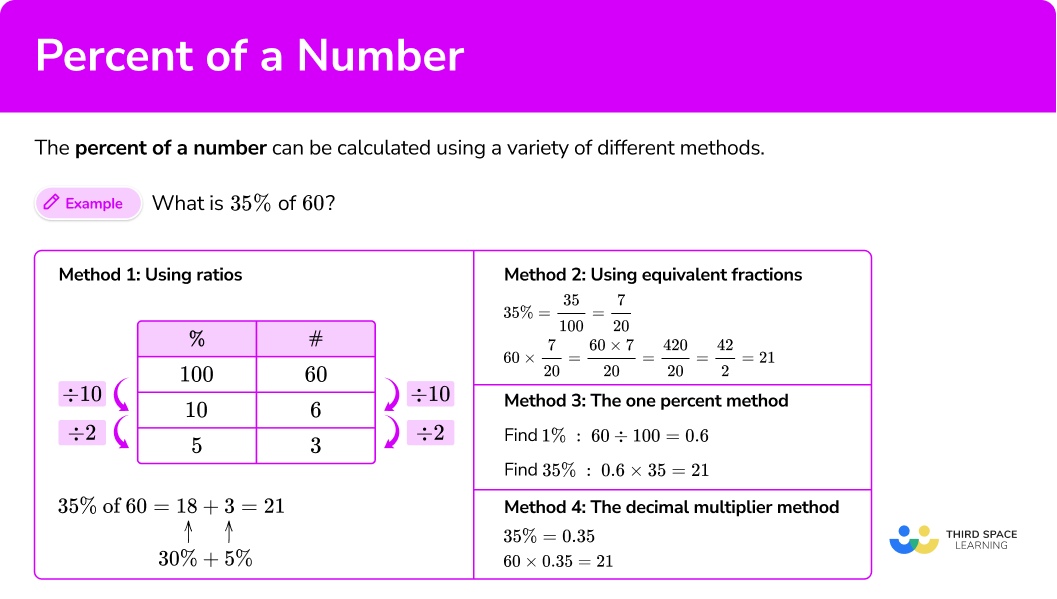
At its heart, financial literacy is the ability to interpret and manipulate percentages. Whether you are aiming to increase your savings rate by 5%, seeking a 10% return on an investment, or trying to lower your debt-to-income ratio to under 30%, the goals are always relative.
By shifting your perspective from “how much do I have?” to “what is the percent of my growth, cost, and risk?”, you gain a level of clarity that raw numbers cannot provide. Wealth is built through the disciplined application of these ratios over time. Start today by calculating your own “golden ratios”—once you know your percentages, you finally have the roadmap to your financial destination.
aViewFromTheCave is a participant in the Amazon Services LLC Associates Program, an affiliate advertising program designed to provide a means for sites to earn advertising fees by advertising and linking to Amazon.com. Amazon, the Amazon logo, AmazonSupply, and the AmazonSupply logo are trademarks of Amazon.com, Inc. or its affiliates. As an Amazon Associate we earn affiliate commissions from qualifying purchases.