
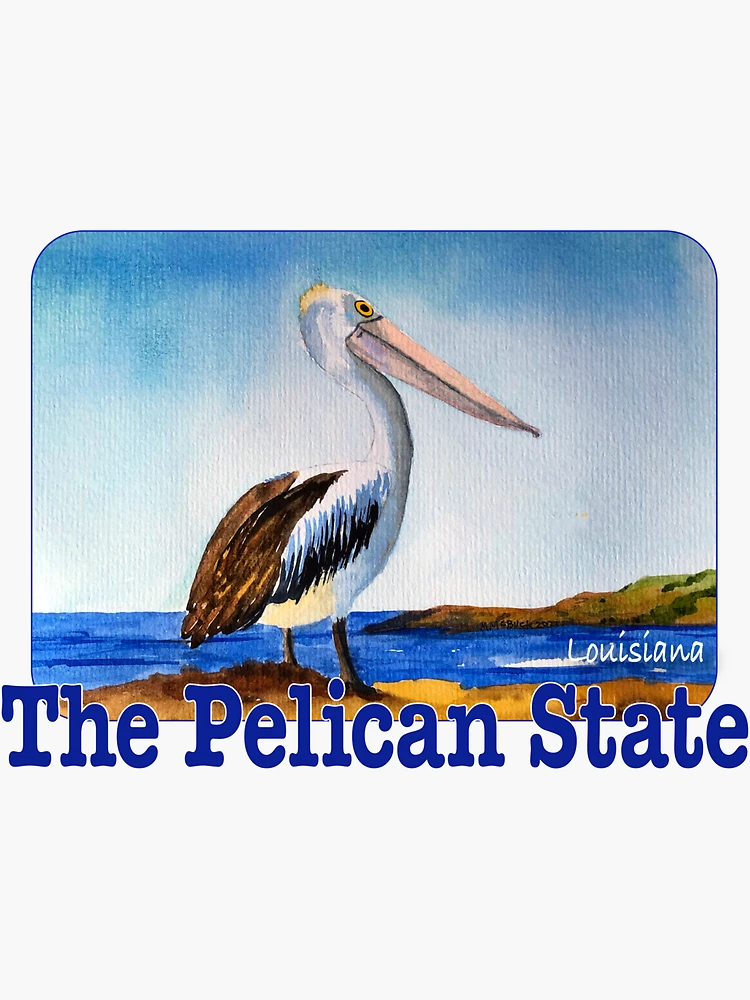
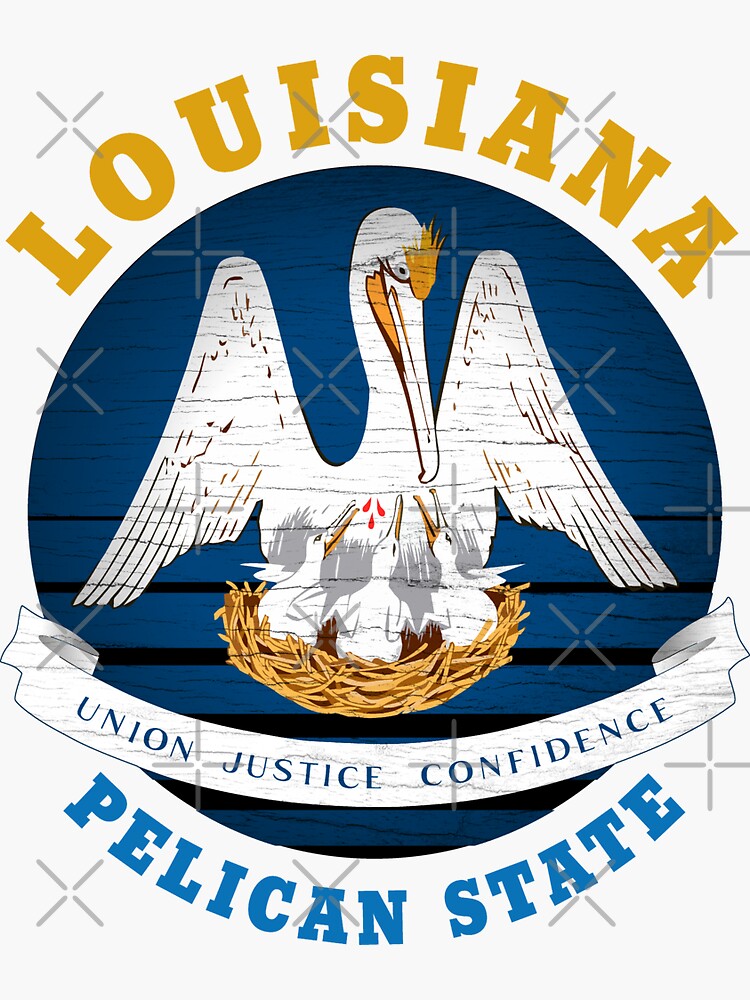
While the nickname “The Pelican State” evokes images of brown pelicans gliding over coastal marshes and the rich cultural tapestry of the Mississippi Delta, in the world of finance and commerce, the name represents a unique and burgeoning economic frontier. Louisiana, the state behind the moniker, offers a complex financial landscape shaped by its geographical advantages, legacy industries, and a modernizing approach to personal and corporate wealth. Understanding the Pelican State from a monetary perspective requires an analysis of its industrial backbone, its specialized banking sector, and the emerging opportunities for investors and entrepreneurs within the Gulf South.

Understanding the Economic Foundation of the Pelican State
To understand the financial pulse of the Pelican State, one must first look at the massive industrial engines that drive its Gross Domestic Product (GDP). Louisiana’s economy is historically rooted in its natural resources, but the way these resources are monetized has evolved into a sophisticated global operation.
The Energy Sector and Industrial Powerhouse
Louisiana is a titan in the American energy landscape. As one of the top producers of crude oil and natural gas, the state’s financial health is closely tied to global energy markets. The presence of the Henry Hub—a distribution hub on the natural gas pipeline system in Erath, Louisiana—serves as the pricing point for natural gas futures on the New York Mercantile Exchange. For investors, the Pelican State is not just a location; it is a critical variable in the global energy pricing equation. The transition toward “Blue Hydrogen” and carbon capture technology is also attracting billions in new capital investment, signaling a shift from traditional extraction to sustainable energy finance.
Trade, Logistics, and the Mississippi River
The Mississippi River is the lifeblood of the Pelican State’s trade economy. The Port of South Louisiana is one of the largest tonnage ports in the Western Hemisphere. Economically, this means the state is a central node in international trade, particularly for agricultural exports from the Midwest. For business finance professionals, the logistics and maritime sectors in Louisiana offer stable, long-term investment opportunities. The infrastructure required to maintain these ports creates a secondary economy of construction, engineering, and specialized financial services that support heavy industry.
Banking and Personal Finance in the Pelican State
For residents and small business owners, the “Pelican State” identity is often synonymous with a robust community banking and credit union system. Navigating personal finance in this region requires an understanding of local institutions that prioritize regional growth over national homogenization.
The Rise of Credit Unions and Community Banking
One cannot discuss the Pelican State without mentioning the significance of credit unions, such as the aptly named Pelican State Credit Union. These member-owned institutions play a pivotal role in the state’s financial ecosystem. Unlike massive national banks, these organizations often provide more personalized lending products, specifically tailored to the needs of Louisiana’s workforce. They are instrumental in promoting financial literacy, offering credit-building programs, and providing mortgage products that account for the unique geographical challenges of the region, such as flood insurance requirements and coastal living costs.
Navigating Personal Finance Tools for Louisiana Residents
The cost of living in the Pelican State is generally lower than the national average, which provides a unique advantage for personal wealth building. However, financial planning in Louisiana requires specialized knowledge of state-specific tax structures and insurance markets. Residents often focus on “homestead exemptions,” which can significantly reduce property tax burdens for primary residences. From a wealth management perspective, the goal for many in the Pelican State is to leverage the low overhead of living in the South to maximize contributions to diversified portfolios, taking advantage of the delta between local earnings and national investment returns.
Strategic Investing and Business Incentives in the Gulf South
For the savvy investor or corporate entity, the Pelican State offers some of the most aggressive and lucrative financial incentives in the United States. The state’s government has historically used tax policy as a primary tool for economic development.
Tax Credits and Corporate Incentives
Louisiana is famous in the financial world for its “Motion Picture Investor Tax Credit,” which transformed the state into “Hollywood South.” While this is a niche market, it demonstrates the state’s commitment to using fiscal policy to attract capital. Beyond film, the “Quality Jobs” program and the “Industrial Tax Exemption Program” (ITEP) provide significant payroll rebates and property tax abatements for businesses that relocate to or expand within the state. For business finance strategists, the Pelican State represents a high-incentive environment where the “effective” cost of doing business can be significantly lowered through proactive tax planning.
Real Estate Trends: Investing in Louisiana’s Urban and Rural Markets
The real estate market in the Pelican State offers a bifurcated opportunity for investors. In urban centers like New Orleans and Baton Rouge, the focus is on historical preservation and short-term rental yields driven by a relentless tourism industry. Conversely, the North Louisiana corridor (including Shreveport and Monroe) offers value-based residential and commercial investments. Furthermore, the state’s vast agricultural and timber lands offer “soft commodity” investment opportunities. Land in the Pelican State remains a premier hedge against inflation, providing both lease income and long-term capital appreciation.
Entrepreneurship and Side Hustles in the Bayou State
The entrepreneurial spirit is deeply embedded in the culture of the Pelican State. In recent years, this has shifted from traditional brick-and-mortar trade to a more diversified digital and creative economy.
The Digital Transformation of Local Small Businesses
As high-speed internet reaches more rural areas of the state, a new wave of digital entrepreneurship is taking hold. Local artisans, food producers, and consultants are leveraging e-commerce platforms to sell the “Louisiana Brand” to a global audience. This shift has created a demand for digital financial tools, from specialized payment processors to cloud-based accounting software tailored for small-scale exporters. The “Pelican State” brand itself serves as a powerful marketing tool, signifying authenticity and craftsmanship, which entrepreneurs are now successfully monetizing online.
Creative Economy and Tourism-Based Income Streams
Tourism is a multi-billion dollar industry in Louisiana, but the money doesn’t just flow to large hotel chains. The “gig economy” is thriving in the Pelican State. From boutique Airbnbs in the Garden District to independent tour operators in the swamps, individuals are finding innovative ways to generate side income. For those looking to establish a side hustle, the state’s unique cultural exports—food, music, and festivals—provide a built-in market. Financing these small ventures often involves a mix of micro-loans and “bootstrapping,” a common practice in the resilient economic culture of the region.
The Future of the Pelican State Economy: Resilience and Innovation
As we look toward the future, the financial identity of the Pelican State is being redefined by resilience. Economic shocks, whether from market volatility or environmental factors, have forced the state to develop a sophisticated approach to risk management and financial recovery.
For the modern investor, the Pelican State represents a market of “calculated opportunities.” The convergence of traditional industrial strength with aggressive new-age tax incentives and a burgeoning tech-savvy workforce makes it a compelling case study in regional economic development. Whether it is the billions of dollars flowing into liquefied natural gas (LNG) export terminals or the steady growth of community-focused credit unions, the “Pelican State” is far more than a nickname—it is a brand of financial tenacity.
In conclusion, “What is the Pelican State?” from a monetary perspective is an answer rooted in diversity. It is a state where legacy wealth from oil and land meets the modern “Side Hustle” economy; where global trade routes intersect with local credit unions; and where strategic tax incentives create a playground for corporate expansion. For anyone looking to understand the financial heartbeat of the American South, the Pelican State offers a masterclass in leveraging regional identity for economic gain. By focusing on the unique intersection of geography and fiscal policy, Louisiana continues to carve out a profitable niche in the national economy, proving that there is significant wealth to be found beneath the wings of the brown pelican.
aViewFromTheCave is a participant in the Amazon Services LLC Associates Program, an affiliate advertising program designed to provide a means for sites to earn advertising fees by advertising and linking to Amazon.com. Amazon, the Amazon logo, AmazonSupply, and the AmazonSupply logo are trademarks of Amazon.com, Inc. or its affiliates. As an Amazon Associate we earn affiliate commissions from qualifying purchases.