
The landscape of modern healthcare is increasingly defined by its technological infrastructure, with Electronic Health Record (EHR) systems like Epic at its core. Within this complex digital environment, tools designed to streamline information and enhance clinical decision-making are paramount. One such powerful feature, the patient storyboard in Epic, represents a sophisticated approach to data visualization, moving beyond mere data entry to create a dynamic, at-a-glance summary of a patient’s journey within the healthcare system. It’s a critical component for clinicians, nurses, and support staff striving for comprehensive understanding and efficient care delivery in often high-pressure environments.
Understanding Epic and the EHR Landscape
Epic Systems Corporation has emerged as a dominant force in the healthcare IT sector, providing comprehensive software solutions that manage patient records across a vast network of hospitals, clinics, and academic medical centers. Its EHR suite, commonly known as Epic, serves as the central repository for clinical data, administrative information, and operational insights, facilitating everything from scheduling appointments to documenting complex surgical procedures.
The Role of Epic in Healthcare IT
Epic’s software architecture is designed to integrate various facets of patient care into a single, cohesive platform. This integration is crucial for ensuring continuity of care, reducing medical errors, and improving operational efficiency. Clinicians rely on Epic to access patient histories, current medications, lab results, imaging studies, and physician’s notes. Its robust capabilities extend to order entry, clinical decision support, billing, and population health management, making it an indispensable tool for healthcare organizations worldwide. The sheer volume and diversity of data managed by Epic underscore the need for intuitive interfaces and powerful summarization tools to prevent information overload.
Moving Beyond Basic EHR Data
Traditional EHR interfaces, while rich in detail, can sometimes present information in a fragmented manner, requiring users to navigate multiple screens and tabs to piece together a complete picture of a patient’s status. This linear, data-intensive approach can be time-consuming and may obscure critical trends or urgent developments, especially during rapid changes in a patient’s condition or during shift handovers. The evolution of EHR design has therefore focused on developing features that synthesize vast amounts of data into digestible, actionable formats. The patient storyboard is a prime example of this advancement, aiming to transform raw data into a coherent narrative of the patient’s experience within the care setting.
Deconstructing the Patient Storyboard Concept
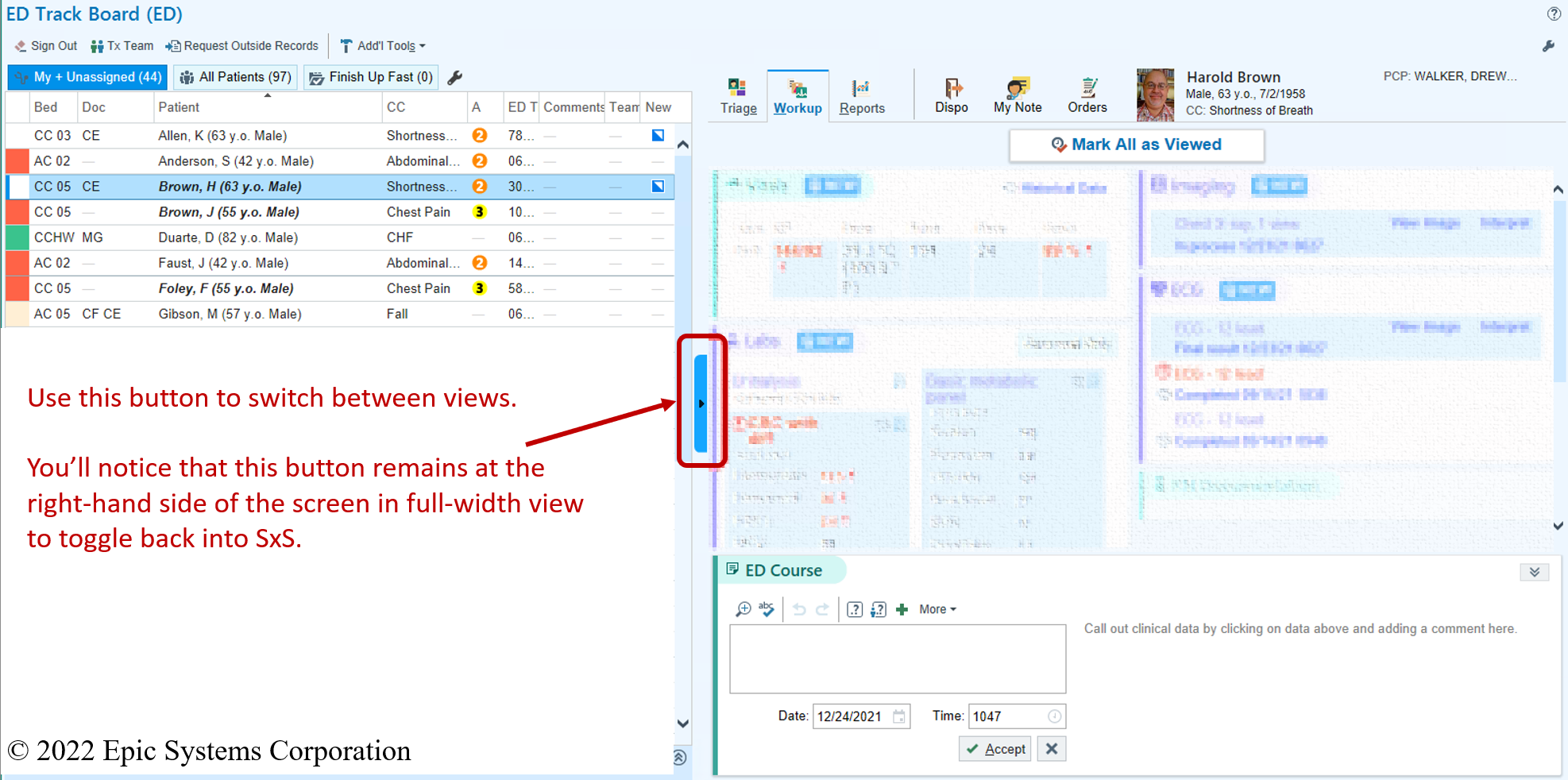
The patient storyboard in Epic is essentially a high-level, visual summary designed to provide clinicians with an immediate snapshot of a patient’s current status and critical historical context. It’s an interactive dashboard that curates and displays key information points, enabling rapid comprehension without deep dives into individual charts or lengthy documentation.
Visualizing the Patient Journey
At its core, the patient storyboard aims to visualize the patient’s journey during a specific episode of care, often an inpatient stay or a series of outpatient visits for a particular condition. It’s not just a collection of data points but an intelligent presentation that highlights the most relevant clinical information in a chronological or thematic order. This visual representation helps clinicians quickly grasp the progression of a patient’s condition, understand critical interventions, and anticipate future needs. The goal is to distill complex clinical scenarios into an easily interpretable format, mirroring the way one might follow a narrative story.
Key Components and Data Points
While customizable by each healthcare organization, typical elements of an Epic patient storyboard might include:
- Current Status Indicators: Vital signs trends, current medications, active problems, allergies, and code status.
- Key Milestones: Admission date, transfers between units, major procedures, significant diagnostic findings (e.g., positive cultures, abnormal imaging).
- Impending Tasks/Orders: Upcoming labs, imaging, consultations, or medication administrations.
- Risk Factors: Fall risk, pressure injury risk, infection prevention status.
- Discharge Planning Elements: Expected discharge date, post-discharge needs, identified barriers.
- Team Communication: Who the primary care team members are, and perhaps recent critical communications.
- Graphical Trends: Miniature graphs showing trends in lab values, weight, or vital signs over time.
The selection and display of these components are meticulously designed to provide maximum impact and relevance, allowing clinicians to tailor their view to specific roles or patient populations.
Distinguishing from Clinical Flowsheets
It’s important to distinguish the patient storyboard from clinical flowsheets, though both provide structured data. Flowsheets in Epic are detailed tables used for systematic, periodic documentation of specific parameters like vital signs, intake/output, or pain scores. They capture granular data over time. The storyboard, conversely, aggregates and summarizes this granular data, often presenting trends or highlights rather than every single entry. It functions more as a dashboard for high-level awareness and quick decision-making, while flowsheets are for comprehensive documentation and detailed review of specific data streams.
How the Patient Storyboard Enhances Clinical Workflow and Decision-Making
The strategic design of the patient storyboard directly impacts the efficiency and effectiveness of clinical operations, offering significant improvements in situational awareness and team collaboration.
Improving Situational Awareness
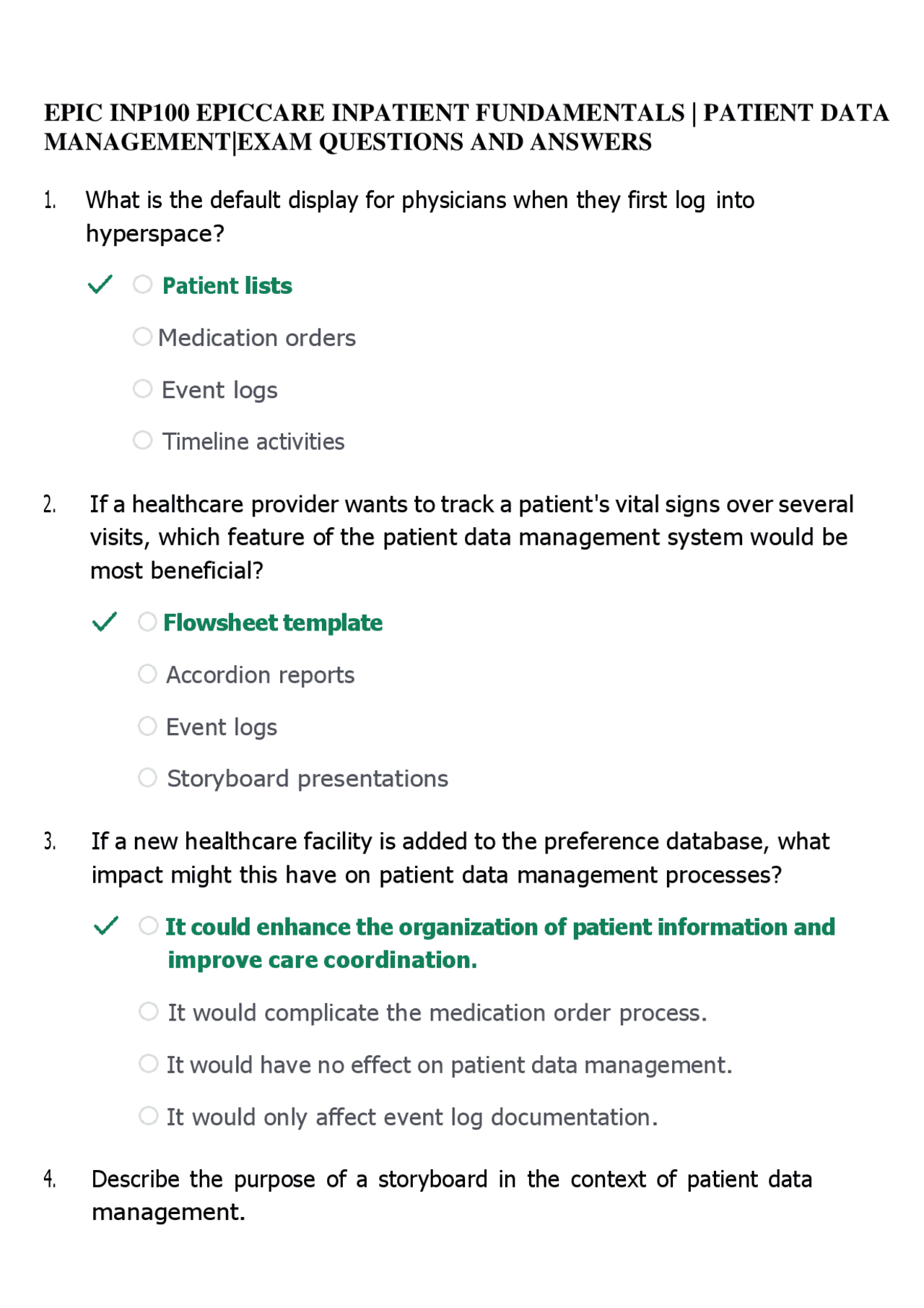
In fast-paced clinical environments, having immediate access to a comprehensive yet concise overview of a patient is invaluable. The patient storyboard serves this purpose by consolidating critical information, reducing the cognitive load on clinicians. Instead of toggling between multiple screens or sifting through extensive documentation, providers can quickly absorb the essential elements of a patient’s condition. This improved situational awareness is particularly crucial in emergency situations, during patient rounds, or when evaluating complex cases, allowing clinicians to make more informed decisions rapidly. It fosters a proactive approach to care, enabling earlier identification of potential issues and timely interventions.
Facilitating Team Communication and Handoffs
Effective communication is the cornerstone of patient safety and quality care. The patient storyboard plays a vital role in standardizing and streamlining communication, especially during shift changes or when patients are transferred between care units. During handoffs, clinicians can use the storyboard as a structured guide to review key patient data, ensuring that all relevant information is consistently communicated to the incoming team. This reduces the risk of missed details, improves continuity of care, and supports a shared mental model among all members of the care team. It acts as a common reference point, promoting clarity and efficiency in collaborative care.
Supporting Holistic Patient Care
Beyond immediate clinical parameters, the patient storyboard can be configured to display information that contributes to a more holistic understanding of the patient. This might include social determinants of health, discharge planning progress, or patient-reported outcomes. By presenting these broader contextual elements alongside clinical data, the storyboard helps care teams address not just the immediate medical needs but also the patient’s overall well-being and long-term recovery trajectory. This comprehensive view supports patient-centered care models, encouraging interventions that consider the full scope of a patient’s life and circumstances.
Technical Implementation and Customization
The patient storyboard isn’t a static, one-size-fits-all feature; its utility is greatly enhanced by Epic’s robust configuration capabilities, allowing healthcare organizations to tailor it precisely to their specific needs and workflows.
Configuration within Epic’s Hyperspace
The visual layout and data elements presented in the patient storyboard are highly configurable within Epic’s Hyperspace environment, the primary user interface. Epic administrators and analysts work closely with clinical stakeholders to define which data points are most critical for various user roles (e.g., nurses, physicians, intensivists) and specialties. This involves selecting specific flowsheet rows, lab results, medication classes, problem list items, and other discrete data elements to be displayed. The ability to customize fonts, colors, icons, and conditional formatting allows for intuitive visual cues, highlighting critical values or abnormal trends that require immediate attention. This tailored approach ensures the storyboard remains relevant and effective for its diverse user base.
Integrating Diverse Data Sources
One of the technical strengths of the patient storyboard lies in its ability to pull data from myriad sources within the Epic ecosystem. This includes data from inpatient charting modules (e.g., nursing documentation, physician orders), outpatient visits, laboratory information systems, radiology systems, and even external interfaces. The power of the storyboard is in its aggregation capabilities, seamlessly integrating disparate pieces of information into a coherent view. This cross-module data integration eliminates the need for clinicians to manually compile information from various parts of the EHR, significantly enhancing efficiency and reducing the potential for data omissions or errors that can occur when data is siloed.
User Experience and Interface Design Considerations
The success of the patient storyboard hinges on its user experience (UX) design. It must be intuitive, clutter-free, and logically organized to ensure rapid comprehension. Epic’s design philosophy typically emphasizes clean interfaces and efficient navigation. For the storyboard, this translates into careful consideration of information hierarchy, visual grouping of related data, and the use of familiar icons or color-coding to convey meaning quickly. Performance is also a critical technical consideration; the storyboard must load quickly and refresh in real-time or near real-time to reflect the most current patient status. A well-designed storyboard minimizes clicks and mental effort, allowing clinicians to focus more on patient care and less on navigating the software.
The Future of Patient Storyboarding in Healthcare Tech
As healthcare technology continues its rapid evolution, the patient storyboard is poised to become even more sophisticated, integrating advanced analytics and expanding its utility across broader care settings.
Potential for AI and Predictive Analytics
The vast amounts of data aggregated by the patient storyboard make it an ideal candidate for integration with artificial intelligence (AI) and predictive analytics. Future iterations could leverage machine learning algorithms to identify subtle patterns and predict potential patient deterioration, readmission risks, or the likelihood of adverse events even before they are clinically apparent. AI-driven insights could appear directly on the storyboard, alerting clinicians to high-risk scenarios and providing data-driven recommendations for proactive interventions. This shift from descriptive summaries to predictive insights would represent a significant leap forward in preventative care and personalized medicine.
Expanding Beyond Acute Care Settings
While currently most prevalent in acute inpatient settings, the utility of the patient storyboard concept is likely to expand into outpatient clinics, home health, and chronic disease management. In these contexts, storyboards could track long-term trends, adherence to treatment plans, and patient-reported outcomes over extended periods. For chronic conditions like diabetes or heart failure, a longitudinal storyboard could provide a comprehensive view of disease progression, lifestyle interventions, and the impact of various therapies, empowering both patients and providers in managing complex health trajectories outside the traditional hospital walls.
Enhancing Patient Engagement Through Transparency
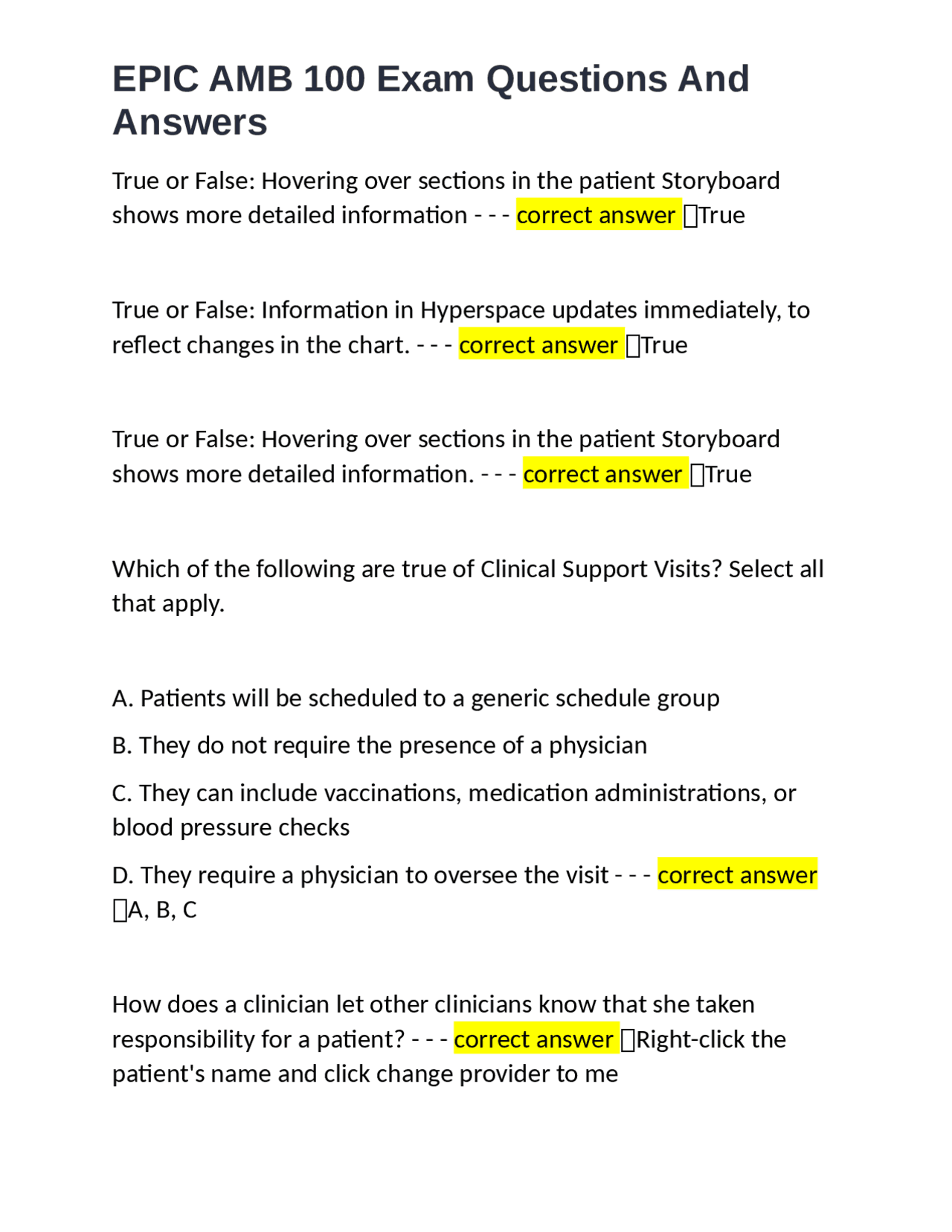
Looking ahead, elements of the patient storyboard could potentially be adapted for patient-facing portals (like Epic’s MyChart). A simplified, patient-friendly version could offer individuals a clearer understanding of their own health journey, upcoming appointments, medication schedules, and key health metrics. This transparency could significantly enhance patient engagement, foster shared decision-making, and empower patients to take a more active role in their care, ultimately contributing to better health outcomes and a more collaborative patient-provider relationship. The patient storyboard, in essence, is a foundational technology that will continue to adapt and grow as healthcare moves towards more integrated, intelligent, and patient-centric models.
aViewFromTheCave is a participant in the Amazon Services LLC Associates Program, an affiliate advertising program designed to provide a means for sites to earn advertising fees by advertising and linking to Amazon.com. Amazon, the Amazon logo, AmazonSupply, and the AmazonSupply logo are trademarks of Amazon.com, Inc. or its affiliates. As an Amazon Associate we earn affiliate commissions from qualifying purchases.