
In moments of profound grief and remembrance, the small, often understated document handed to attendees at a funeral or memorial service serves a crucial, multi-faceted role. Far from being a mere pamphlet, this piece of collateral functions as a carefully curated narrative, a guide to the proceedings, and a lasting keepsake. While often casually referred to as a “pamphlet,” its formal and most commonly accepted name is a funeral program or memorial program. However, its significance extends far beyond its nomenclature, touching upon principles of design, communication, and the enduring power of personal legacy, elements intrinsically linked to the broader concept of branding.
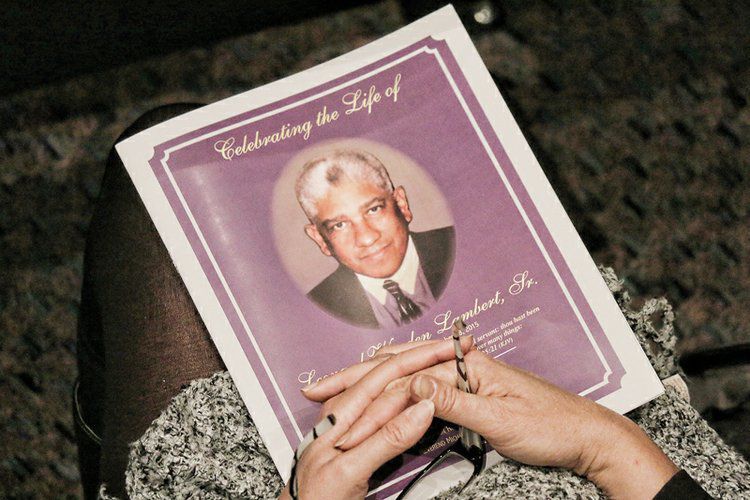
Beyond the Name: The Funeral Program as a Legacy Document
To understand the true nature of this funeral collateral, it’s essential to look past its common monikers and delve into its strategic purpose. While “pamphlet” might imply a generic, mass-produced leaflet, a funeral program is typically a deeply personal, customized creation.
Common Terminology and Their Nuances
The terms used to describe this document vary regionally and culturally, each carrying slightly different connotations:
- Funeral Program / Memorial Program: These are the most widely accepted and professional terms. They suggest a structured document that outlines the order of service and provides information about the deceased. A “funeral program” is used when the body is present, typically within a short time after death, while a “memorial program” is often used for services held without the body or at a later date, focusing more on remembrance.
- Order of Service: This term emphasizes the sequence of events during the ceremony, such as hymns, readings, eulogies, and prayers. It highlights the functional aspect of guiding attendees through the service.
- Funeral Booklet / Memorial Booklet: These terms imply a multi-page format, often stapled, providing more space for content like photos, extended obituaries, or a message from the family.
- Funeral Brochure: While “brochure” is sometimes used, it carries commercial connotations, which can feel out of place for such a solemn occasion. It typically refers to a folded piece of paper with promotional content.
- Celebration of Life Program: This term is increasingly popular, reflecting a shift towards focusing on the joyous aspects of the deceased’s life rather than solely on grief. It implies a program designed with a more uplifting tone and aesthetic.
Regardless of the specific term, the underlying function remains consistent: to communicate, commemorate, and provide comfort. From a “brand” perspective, this document serves as a critical piece of communication design, articulating the essence of an individual’s life and the family’s wishes.
The Core Purpose: Communication and Remembrance
At its heart, the funeral program is a potent communication tool. It fulfills several vital functions:
- Guiding Attendees: It lays out the order of service, ensuring guests can follow along and participate appropriately. This includes listing hymns, prayers, and speakers.
- Commemorating the Deceased: It provides biographical details, photographs, significant achievements, and often a personal message or poem that reflects the individual’s spirit and values. This is where the “personal brand” of the deceased is most clearly articulated.
- Expressing Gratitude: Many programs include a section for the family to thank attendees for their support, often listing pallbearers or other key contributors.
- Creating a Keepsake: For many, the program becomes a tangible memento, a physical reminder of the person and the farewell service. Its design and content contribute significantly to its enduring value as a keepsake.
Understanding these purposes is crucial for anyone tasked with designing or curating this important piece of memorial collateral. It’s not just information dissemination; it’s an act of storytelling and legacy building.
Design as a Narrative Tool: Crafting the Deceased’s Story
In the realm of branding, design is paramount. It’s how a message is conveyed, an emotion evoked, and an identity established. The funeral program, though non-commercial, functions in much the same way. Its design elements—from typography to imagery—work together to tell a story and evoke a specific sentiment, reflecting the “brand identity” of the individual being remembered.
Visual Identity: Fonts, Imagery, and Color Palette
Just as a corporate brand develops a distinct visual language, a thoughtfully designed funeral program leverages visual elements to convey personality and tone:
- Typography: The choice of fonts can significantly impact the mood. Elegant serifs might suggest tradition and reverence, while a more modern sans-serif could convey simplicity or a contemporary spirit. Script fonts might hint at a personal touch or a softer, more intimate feel. The font selection is critical in establishing the overall voice and respect for the individual.
- Imagery: Photographs are often the most impactful visual element. A carefully chosen front cover photo instantly communicates an aspect of the deceased’s life or personality. Inside, additional photos can illustrate different life stages, hobbies, or significant relationships, adding depth to the narrative. The quality and style of imagery should align with the desired tone—whether it’s celebratory, reflective, or serene.
- Color Palette: While often subdued, the use of color can be symbolic. Traditional programs might stick to monochrome or subtle pastels. However, a “celebration of life” might incorporate brighter, more vibrant colors that reflect the deceased’s joy for life or a favorite hue. The colors chosen contribute to the emotional backdrop, much like a brand’s color strategy aims to elicit specific feelings.
- Layout and White Space: The arrangement of elements on the page, and the judicious use of white space, contribute to readability and the overall aesthetic. A clean, uncluttered layout can convey serenity and respect, while a denser, information-rich design might suit a life packed with accomplishments. These design choices directly influence how the message is received and processed.
Each of these visual elements plays a part in shaping the perceived “brand” of the individual being honored, crafting an impression that is both authentic and resonant.
Structural Integrity: Guiding the Attendee Experience
Beyond aesthetics, the structure and organization of the program guide the attendee experience. Much like a well-designed website or annual report, a funeral program must be intuitive and easy to navigate.
- Logical Flow: The typical structure moves from an introduction (cover photo, name, dates), to the order of service, biographical details, perhaps a poem or reflection, and a message from the family. This logical progression ensures attendees can easily find the information they need and follow the ceremony.
- Hierarchy of Information: Important information, such as the deceased’s name and the date of the service, should be immediately apparent. Headings and subheadings help break up text and guide the reader’s eye, ensuring key messages are easily absorbed.
- Accessibility: Ensuring the text is readable and the layout is clear caters to all attendees, including those who may be visually impaired or easily overwhelmed. This consideration for the “user experience” is fundamental to effective communication.
A well-structured program reduces confusion and allows attendees to focus on the purpose of the gathering: remembrance and support.

The Program’s Role in Personal Branding and Legacy
While “branding” often evokes images of commercial enterprises, at its core, it’s about identity, perception, and enduring values. A funeral program, in its unique way, acts as a powerful tool for personal branding and legacy building, albeit for a life concluded rather than a product launched.
Curating the Final Impression
The program is often the last piece of curated communication about an individual that attendees will receive. As such, it offers a final opportunity to shape perception and reinforce cherished memories.
- Authenticity: The most impactful programs reflect the true essence of the person. Was they humorous? Reverent? Adventurous? The tone, imagery, and selected content should genuinely represent who they were, fostering an authentic and memorable final impression.
- Consistency: If the family or the deceased (prior to their passing) had specific wishes or a clear vision for how they wanted to be remembered, the program should consistently uphold that vision. This might involve using specific colors, symbols, or language that were meaningful to them. This consistency strengthens the “brand message” of their life.
- Emotional Connection: Good branding aims to create an emotional bond with its audience. Similarly, a well-designed funeral program should evoke appropriate emotions—whether it’s solace, joy for a life well-lived, or profound respect. This emotional resonance is key to leaving a lasting legacy.
The program, therefore, is not merely a formality; it is a deliberate act of memory-making and impression management, aiming to crystallize the individual’s “brand” in the minds of those left behind.
Emotional Resonance and Brand Recall (in a Legacy Sense)
“Brand recall” in a commercial context refers to how easily a consumer remembers a brand. In the context of a legacy document, it translates to how effectively the program helps attendees remember and connect with the deceased.
- Symbolic Elements: The inclusion of symbols, motifs, or imagery that were particularly meaningful to the deceased can create powerful points of recall. A favorite flower, a symbol of their hobby, or a specific quote can instantly transport attendees back to memories of that person.
- Storytelling: By weaving a coherent narrative through biographical details, anecdotes, and chosen readings, the program reinforces the story of the individual’s life. This narrative structure aids in recalling specific aspects of their character and journey.
- Lasting Impact: A beautifully designed and thoughtfully curated program is more likely to be kept and revisited, extending its “shelf life” and reinforcing the memory of the individual over time. This makes it a powerful tool for ensuring the legacy endures.
The program’s ability to resonate emotionally and facilitate recall of the individual’s unique qualities underscores its profound value beyond a simple informational handout.
Strategic Considerations for Memorial Collateral
Creating a funeral program requires strategic thinking, akin to developing a brand’s marketing collateral. Every decision, from the paper stock to the content order, contributes to the overall message and impact.
Consistency and Authenticity
A strong brand is built on consistency and authenticity. For a funeral program, this means ensuring that the design, tone, and content genuinely reflect the deceased and the family’s wishes.
- Reflecting Personality: If the deceased was vibrant and unconventional, a traditional, somber program might feel inauthentic. Conversely, if they were reserved and traditional, an overly modern or flashy design would be inappropriate. The program should be a visual and textual extension of their personality.
- Family’s Voice: The program also represents the grieving family. Their voice, through personal messages or chosen elements, should come through authentically, providing comfort and connection to attendees.
- Harmonizing Elements: All elements—text, images, colors, and layout—should work in harmony to create a consistent message and feeling. Any dissonance can distract from the solemnity and purpose of the service.
This careful alignment ensures the program serves its purpose respectfully and effectively.
Materiality and Tactile Experience
In an increasingly digital world, the physical nature of a funeral program offers a unique tactile experience, much like the quality of a business card reflects a brand’s professionalism.
- Paper Stock: The weight and texture of the paper can convey different levels of quality and reverence. A thicker, textured cardstock feels more substantial and luxurious, elevating the program from a temporary handout to a cherished keepsake.
- Finish: Matte, gloss, or uncoated finishes also contribute to the tactile and visual experience. A matte finish might feel more understated and elegant, while a slight sheen could make colors pop.
- Binding: Whether it’s a simple fold, a staple, or a saddle-stitched booklet, the binding method contributes to the program’s durability and overall presentation.
These material considerations are subtle but powerful in reinforcing the perceived value and respect embedded in the memorial collateral. They enhance the overall “brand experience” for attendees.

The Enduring Value of a Thoughtfully Designed Program
The pamphlet at a funeral, most accurately termed a funeral or memorial program, is a profound piece of communication design. It transcends its utilitarian function to become a significant artifact of remembrance. Through thoughtful design, careful content curation, and strategic consideration of its various elements, it contributes to the lasting personal brand and legacy of the deceased. It guides, commemorates, and comforts, ensuring that the final farewell is as meaningful and memorable as the life it honors. In a world saturated with fleeting digital interactions, the tangible, meticulously crafted funeral program stands as a testament to a life lived and a legacy cherished.
aViewFromTheCave is a participant in the Amazon Services LLC Associates Program, an affiliate advertising program designed to provide a means for sites to earn advertising fees by advertising and linking to Amazon.com. Amazon, the Amazon logo, AmazonSupply, and the AmazonSupply logo are trademarks of Amazon.com, Inc. or its affiliates. As an Amazon Associate we earn affiliate commissions from qualifying purchases.