
Pennsylvania, often dubbed the Keystone State, is a hub of economic activity, from bustling urban centers to serene rural communities. For anyone living, working, or doing business within its borders, understanding the intricacies of the state’s sales tax is not just a legal obligation but a fundamental aspect of sound financial management. Whether you’re a consumer making everyday purchases, a small business owner navigating compliance, or an investor looking at the economic landscape, a comprehensive grasp of the Pennsylvania Sales, Use, and Hotel Occupancy Tax – commonly known as PA sales tax – is indispensable.
This article delves deep into the mechanisms of PA sales tax, demystifying its purpose, application, and implications for both individuals and businesses. We’ll explore what makes goods and services taxable, highlight key exemptions, and provide practical insights for compliance and financial planning, all within the broader context of personal and business finance.
Understanding Pennsylvania’s Sales Tax Landscape
At its core, sales tax is a consumption tax, meaning it’s levied on the sale of goods and services. It’s a significant revenue generator for state governments, funding essential public services and infrastructure. Pennsylvania’s sales tax system, while seemingly straightforward, carries nuances that demand attention.
The Basics of Sales Tax in the Keystone State
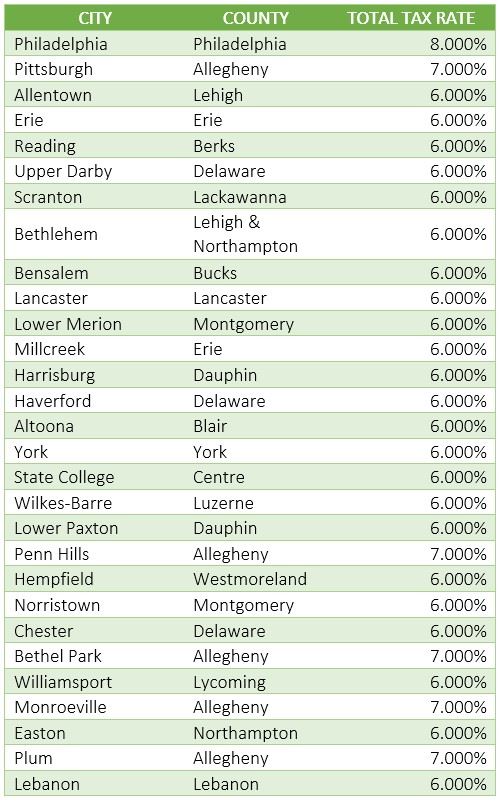
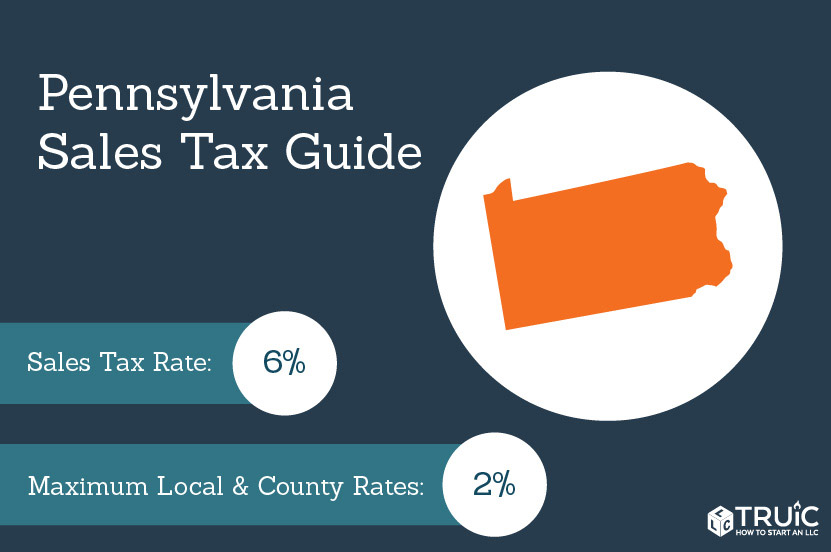
The Pennsylvania sales tax rate stands at a consistent 6% statewide. Unlike some states, Pennsylvania does not permit local municipalities or counties to impose their own additional sales taxes, simplifying the landscape considerably for businesses operating across different regions of the state. However, there is one notable exception: an additional 1% local sales tax is imposed on sales made within the City of Philadelphia, bringing the combined rate to 7% for transactions occurring in that specific jurisdiction. This single variation is crucial for businesses with a physical presence or significant sales activities within Philadelphia.
The primary purpose of this tax, like most state sales taxes, is to generate revenue for the state treasury. These funds are crucial for supporting a wide array of public services, including education, transportation infrastructure, healthcare, public safety, and various social programs. Essentially, every time a consumer purchases a taxable item or service, they are contributing to the collective good and the maintenance of the state’s operations.
Who Pays and Who Collects?
The burden of the sales tax ultimately falls on the consumer. When you purchase a taxable item, the seller adds the sales tax to the sale price, and you pay the total amount. However, the legal responsibility for collecting and remitting this tax to the state lies with the seller.
Businesses, whether brick-and-mortar stores, online retailers with a nexus in Pennsylvania, or service providers, act as agents of the state. They are mandated to calculate, collect, and hold the sales tax in trust for the Pennsylvania Department of Revenue. This means that while consumers are the payers, businesses are the collectors, and their compliance is vital for the proper functioning of the tax system. Failure by a business to collect or remit sales tax can result in significant penalties, interest, and even legal action, underscoring the importance of meticulous record-keeping and timely filings.
Evolution of PA Sales Tax: A Brief History
Pennsylvania first introduced its sales tax in 1953 at a rate of 1%. Over the decades, the rate has seen periodic adjustments to meet the state’s evolving financial needs. The current 6% rate (and 7% in Philadelphia) has been in place for a considerable time, providing a degree of stability for consumers and businesses alike.
Historically, sales tax systems were predominantly designed for transactions occurring at physical locations. However, the advent of e-commerce presented new challenges. For many years, online retailers without a physical presence (nexus) in a state were not required to collect sales tax from customers in that state. This changed dramatically with the 2018 U.S. Supreme Court ruling in South Dakota v. Wayfair, Inc. This landmark decision empowered states to require out-of-state retailers to collect sales tax, even if they lacked a physical presence, provided they met certain economic thresholds (e.g., a certain number of transactions or sales volume) within the state. Pennsylvania subsequently implemented its own economic nexus laws, bringing many more online sellers into the fold of sales tax collection responsibilities, a significant development for both business finance and consumer spending.
Navigating Taxable vs. Exempt Items and Services
One of the most complex aspects of sales tax for both consumers and businesses is determining what is taxable and what is exempt. Pennsylvania’s tax code outlines specific categories of goods and services subject to sales tax and provides clear exemptions designed to mitigate the tax burden on essential items or specific populations.
Common Taxable Goods and Services
Generally, most tangible personal property sold in Pennsylvania is subject to the 6% (or 7% in Philadelphia) sales tax. This includes a vast array of items consumers purchase daily:
- Clothing and Apparel: While certain essential clothing items are often exempt in other states, most clothing purchases in PA are taxable.
- Electronics: Computers, smartphones, televisions, and other electronic devices.
- Furniture and Home Goods: From sofas to kitchenware.
- Vehicles: Cars, trucks, motorcycles, and related accessories.
- Prepared Foods and Beverages: Meals purchased at restaurants, fast-food establishments, cafes, and ready-to-eat items from grocery stores (e.g., hot foods, deli sandwiches).
- Digital Products: Subscriptions to streaming services, software downloads, digital books, music, and apps generally fall under the taxable category if they provide access to tangible personal property or certain enumerated services.
- Certain Services: While many services are exempt, some specific ones are taxable, such as dry cleaning, linen supply, pest control, building maintenance, and certain telecommunication services.
Understanding these broad categories is the first step, but the devil is often in the details, especially when considering hybrid products or services.
Key Exemptions You Should Know
Pennsylvania’s tax law provides numerous exemptions, often aimed at easing the financial burden on consumers for necessities or supporting specific industries.
- Food for Home Consumption: This is one of the most significant exemptions. Most groceries purchased for preparation and consumption at home, such as fresh produce, meats, dairy, baked goods, and pantry staples, are exempt from sales tax. The distinction here is crucial: a hot coffee from a cafe is taxable, but a bag of coffee beans from a grocery store is not.
- Prescription and Over-the-Counter Drugs: All prescription medications and many non-prescription medications (e.g., aspirin, cough syrup) are exempt. Medical supplies and prosthetic devices are also generally exempt.
- Residential Utilities: Electricity, natural gas, fuel oil, and steam used for residential purposes are exempt. This is a considerable saving for homeowners and renters.
- Clothing (Limited): While most clothing is taxable, certain specific items, such as cloth diapers and certain formal wear rentals, may qualify for exemption under very specific conditions. However, this is not a broad exemption.
- Newspapers and Magazines: Sales of newspapers and certain magazines are exempt.
- Non-Profit Organizations: Qualified charitable organizations and government agencies can make purchases exempt from sales tax if they hold appropriate exemption certificates.
- Educational Textbooks: Sales of textbooks to students by educational institutions are exempt.
- Sales for Resale: Businesses purchasing items with the intent to resell them are exempt from paying sales tax at the time of purchase, provided they present a valid resale certificate to their supplier. They then collect tax from the end consumer.
Special Cases and Nuances
Beyond the broad categories, specific situations can lead to confusion. For instance, shipping and handling charges can be taxable if the item being shipped is taxable, but may be exempt if the item is exempt. Repairs often involve a mix of taxable parts and non-taxable labor, requiring careful itemization. Digital products, as mentioned, are increasingly scrutinized; a subscription to a streaming service that gives access to content is generally taxable, but accessing a professional service online might not be. These gray areas often necessitate consulting the official guidance from the PA Department of Revenue.
For Businesses: Collection, Remittance, and Compliance
For businesses operating in Pennsylvania, sales tax is not just a line item; it’s a critical compliance obligation that impacts cash flow, pricing strategies, and overall financial health. Mastering the processes of collection, remittance, and meticulous record-keeping is paramount.
Registering for a Sales Tax License
Before a business can legally collect sales tax in Pennsylvania, it must register with the PA Department of Revenue and obtain a sales tax license (also known as a sales tax permit or seller’s permit). This is a mandatory step for any business with “nexus” in Pennsylvania – meaning a sufficient physical or economic presence that requires it to collect taxes. Nexus can be established by having a physical store, office, warehouse, employees, or, as per Wayfair, exceeding specific sales thresholds within the state. The registration process is typically done online through the Department of Revenue’s e-TIDES system and is relatively straightforward. Operating without a valid license can lead to severe penalties.
Calculating and Collecting Sales Tax
Accurate calculation and collection are vital. Businesses must:
- Identify Taxable Sales: Clearly distinguish between taxable and exempt goods and services for every transaction. This requires internal training for staff and well-configured point-of-sale (POS) systems.
- Apply the Correct Rate: Ensure the 6% statewide rate is applied, and specifically the 7% rate for sales made within Philadelphia.
- Handle Exemptions Correctly: For sales that qualify for exemption (e.g., sales for resale, sales to non-profits), businesses must obtain and retain valid exemption certificates from the buyer. These certificates are crucial documentation in case of an audit.
- Integrate with POS/Accounting Systems: Modern accounting software and POS systems are indispensable tools for automating sales tax calculations, helping businesses remain compliant and reduce human error.
Filing and Remitting Sales Tax Returns
Once collected, the sales tax is held in trust by the business until it is remitted to the state.
- Filing Frequency: The Department of Revenue assigns a filing frequency (monthly, quarterly, or annually) based on a business’s sales tax liability. High-volume sellers will typically file monthly, while smaller businesses may file quarterly or annually.
- Deadlines: Returns are due on the 20th of the month following the close of the reporting period. Timeliness is critical; late filings incur penalties and interest.
- Methods of Remittance: Businesses can file and pay electronically through the e-TIDES system, which is the preferred and most efficient method. Other options may include filing by mail.
- No-Tax-Due Returns: Even if a business has no sales tax to remit for a given period, it must still file a “zero return” to remain compliant.
Record-Keeping and Audits
Meticulous record-keeping is not just a best practice; it’s a legal requirement. Businesses must maintain detailed records of all sales, taxable and exempt, for a minimum of three years (though often longer is recommended). This includes sales receipts, exemption certificates, tax returns, and any supporting documentation. In the event of an audit by the Department of Revenue, these records are the primary evidence of compliance. An audit can be triggered by discrepancies in filings, industry benchmarks, or random selection. Robust record-keeping is the best defense against adverse audit findings and potential assessments.
Impact on Consumers and the Economy
The PA sales tax, like any broad-based tax, has far-reaching implications that extend beyond individual transactions, influencing consumer behavior and the state’s economic health.
Budgeting for Sales Tax: A Consumer’s Perspective
For consumers, sales tax represents an additional cost layered onto the advertised price of goods and services. A 6% tax might seem small on an individual purchase, but it adds up quickly over time. For instance, a $1,000 electronics purchase will incur an additional $60 in tax. Savvy consumers factor sales tax into their budgeting, especially for larger purchases, understanding that the sticker price is rarely the final price. This awareness fosters better financial planning and helps prevent unexpected expenses from derailing personal budgets. The exemptions, particularly for groceries and utilities, also provide some relief on essential living costs, which is a consideration for households managing their finances.
Economic Implications for Pennsylvania
From an economic standpoint, sales tax is a cornerstone of state funding. In Pennsylvania, it consistently ranks among the top revenue sources, alongside personal income tax. The funds generated are critical for maintaining and improving the state’s infrastructure (roads, bridges), supporting public education systems, funding healthcare initiatives, and ensuring the continued operation of government services. Without this revenue, the state would struggle to provide the services its citizens rely upon, potentially leading to cuts in essential programs or increased reliance on other forms of taxation. The stability of the sales tax rate also provides predictability for both state budget planners and businesses.
The Wayfair decision, by enabling Pennsylvania to collect sales tax from a broader range of online retailers, has significantly boosted state revenue. This evens the playing field between brick-and-mortar stores and online competitors, ensuring that local businesses are not at a disadvantage and that all sales contributing to Pennsylvania’s economy are equitably taxed, ultimately benefiting local communities.
Interstate Commerce and Online Sales
The landscape of sales tax has dramatically shifted with the rise of e-commerce. Before Wayfair, Pennsylvania consumers often benefited from not paying sales tax on purchases from out-of-state online retailers that lacked a physical presence. However, Pennsylvania had a use tax – a complementary tax designed to be paid by consumers on purchases where sales tax was not collected by the seller. While legally obligated, consumer compliance with use tax was historically very low.
Post-Wayfair, the onus shifted to the sellers. Now, if an out-of-state online retailer meets Pennsylvania’s economic nexus thresholds (currently $100,000 in gross sales or 200 separate transactions into the state in the current or prior calendar year), they are legally required to register and collect PA sales tax. This change has had a profound impact, ensuring that a greater share of online retail activity contributes to Pennsylvania’s revenue and promoting fairer competition within the retail sector.
Practical Tips and Resources
Navigating the nuances of PA sales tax can be complex, but with the right approach and resources, both consumers and businesses can ensure compliance and make informed financial decisions.
Staying Informed: Where to Find Official Information
The most reliable source for information on Pennsylvania sales tax is the Pennsylvania Department of Revenue. Their website (revenue.pa.gov) provides comprehensive guides, frequently asked questions, tax forms, bulletins, and specific rulings that clarify various aspects of the tax code. Businesses can also access the e-TIDES system for online registration, filing, and payment. Subscribing to their newsletters or alerts is an excellent way to stay updated on changes to tax laws or filing procedures.
Common Mistakes to Avoid
For businesses, common pitfalls include:
- Misinterpreting Exemptions: Incorrectly assuming an item or service is exempt, or failing to collect valid exemption certificates.
- Incorrect Rates: Applying the wrong sales tax rate, especially forgetting the Philadelphia 1% addition.
- Late Filings/Payments: Incurring penalties and interest due to missed deadlines.
- Inadequate Record-Keeping: Being unprepared for an audit due to disorganized or incomplete records.
- Ignoring Economic Nexus: Out-of-state online sellers failing to recognize their obligation to collect tax once they meet Pennsylvania’s economic nexus thresholds.
Consumers, while having fewer direct responsibilities, should avoid assuming all online purchases are tax-free and should factor sales tax into their budgeting for significant purchases.

Leveraging Financial Tools for Tax Management
Modern financial tools can significantly simplify sales tax compliance.
- Accounting Software: Programs like QuickBooks, Xero, or Sage can automate sales tax calculations, track taxable sales, and generate reports necessary for filing. Many integrate directly with POS systems.
- Point-of-Sale (POS) Systems: Advanced POS systems are configured to correctly apply sales tax rates based on location and item type, reducing errors at the transaction level.
- E-commerce Platforms: Most major e-commerce platforms (Shopify, WooCommerce, etc.) have built-in sales tax features that can be configured to comply with Pennsylvania’s requirements, including economic nexus rules for out-of-state sellers.
- Tax Compliance Software: Dedicated sales tax automation platforms (e.g., Avalara, TaxJar) offer advanced features for nexus determination, rate calculation across multiple states, filing, and audit support, particularly beneficial for businesses operating across many jurisdictions.
By utilizing these tools, businesses can streamline their sales tax processes, minimize compliance risks, and free up valuable time and resources that can be redirected toward growth and core operations, all contributing to a healthier financial outlook.
In conclusion, the Pennsylvania sales tax is a dynamic component of the state’s financial ecosystem. A thorough understanding of its framework, including what’s taxable, what’s exempt, and the responsibilities of both consumers and businesses, is crucial for effective personal finance and sound business operations within the Keystone State. Staying informed and leveraging available resources ensures compliance and contributes to the economic vitality of Pennsylvania.
aViewFromTheCave is a participant in the Amazon Services LLC Associates Program, an affiliate advertising program designed to provide a means for sites to earn advertising fees by advertising and linking to Amazon.com. Amazon, the Amazon logo, AmazonSupply, and the AmazonSupply logo are trademarks of Amazon.com, Inc. or its affiliates. As an Amazon Associate we earn affiliate commissions from qualifying purchases.