
When discussing the evolution of the modern action thriller, few franchises hold as much weight as the original Bourne Trilogy. For tech enthusiasts and cinephiles alike, the series represents more than just a sequence of high-octane chase scenes; it serves as a historical document of the transition from analog espionage to the high-bandwidth, algorithmically driven surveillance state of the 21st century. To understand the “order” of the Bourne trilogy is to understand the progression of surveillance technology, digital cinematography, and the birth of the “tech-realistic” action sub-genre.
The trilogy follows a strict chronological order:
- The Bourne Identity (2002)
- The Bourne Supremacy (2004)
- The Bourne Ultimatum (2007)
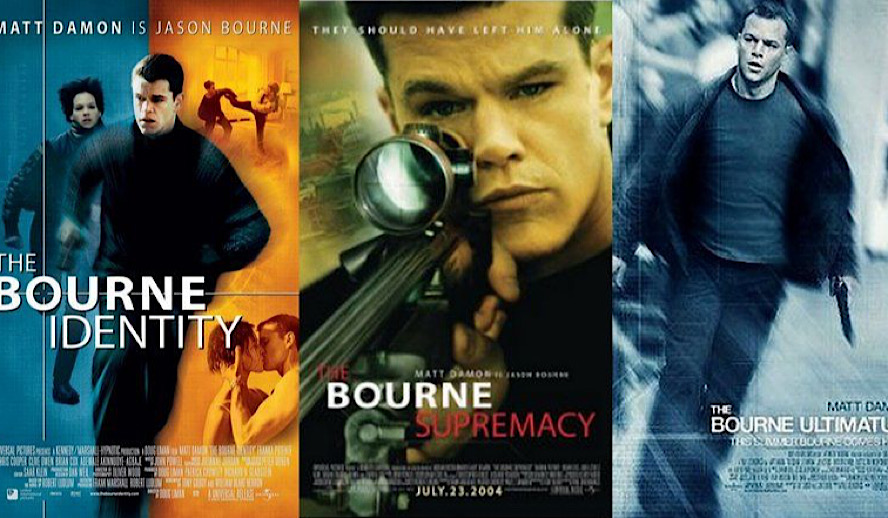
While later installments like The Bourne Legacy and Jason Bourne expanded the universe, the core trilogy remains the definitive blueprint for tech-integrated storytelling.
1. The Bourne Identity: The Dawn of Modern Digital Espionage
Released in 2002, The Bourne Identity introduced audiences to Jason Bourne (Matt Damon) and, more importantly, a new way of visualizing information technology on screen. Unlike the gadgets of James Bond, which often leaned toward the fantastical, the technology in the first Bourne film felt grounded in the burgeoning digital infrastructure of the early 2000s.
From Analog to Early Digital: The 2002 Tech Landscape
In The Bourne Identity, we see the “old world” of espionage clashing with the new. The film opens with Bourne being found with a laser-pointer projector embedded in his hip—a piece of hardware that displays a Swiss bank account number. By today’s standards, a laser-light projector for data storage seems bulky compared to a micro-SD card, but in 2002, it represented the cutting edge of miniaturized hardware. This era was defined by “low-fi” tech: bulky CRT monitors in the CIA’s Langley headquarters, the use of basic GPS tracking, and the reliance on physical passports and hard-copy dossiers.
Biosignatures and Identity Verification Protocols
The “Identity” in the title refers not just to Bourne’s amnesia, but to the technological challenge of tracking a human ghost. The film highlights the early iterations of biometric analysis. When Bourne enters the bank in Zurich, the surveillance tech is rudimentary—closed-circuit television (CCTV) that requires manual review rather than real-time AI facial recognition. This film sets the technological baseline for the trilogy: a world where information is becoming digitized but still requires human hands to move the “data” across physical borders.
2. The Bourne Supremacy: Signal Intelligence and Cinematic Innovation
By the time The Bourne Supremacy arrived in 2004, the technological landscape had shifted significantly. The sequel didn’t just move the story forward; it moved the tech stack forward, reflecting the post-9/11 surge in global monitoring and signal intelligence (SIGINT).
Signal Intelligence (SIGINT) and Global Monitoring
In Supremacy, the CIA’s ability to “see” Bourne expands. We see the introduction of more sophisticated IP-based tracking and the integration of satellite imagery with ground-level telecommunications. The plot hinges on “The Neski Files,” a digital trail that demonstrates how data theft and corruption are no longer about paper folders, but about encrypted digital assets. The film showcases the power of remote access—how a technician in Langley can trigger a “burn notice” or track a cell phone ping halfway across the world in Berlin using early triangulation algorithms.
The “Shaky Cam” Aesthetic: A Technological Revolution in Cinematography
From a tech-production standpoint, The Bourne Supremacy changed how movies are made. Director Paul Greengrass introduced a “run-and-gun” style using handheld cameras and rapid-fire digital editing. This wasn’t just a stylistic choice; it was enabled by advancements in camera stabilization (or intentional lack thereof) and non-linear editing (NLE) software like Avid Media Composer. This technological approach created a “sensor overload” for the audience, mimicking the high-stress environment of a digital-age operative who must process a million data points per second.

3. The Bourne Ultimatum: The Peak of Real-Time Facial Recognition
The final installment of the original trilogy, The Bourne Ultimatum (2007), represents the pinnacle of the series’ technological propheticism. It moved away from the “clunky” tech of the first film and entered the era of the “all-seeing eye.”
Biometrics and Real-Time Facial Recognition
The centerpiece of Ultimatum is the sequence at Waterloo Station. Here, the CIA utilizes a massive network of public cameras integrated with real-time facial recognition software. In 2007, this felt like science fiction; today, it is a standard component of “Smart City” infrastructure and AI-driven policing. The film accurately predicted the shift toward automated surveillance, where the “system” flags a target based on biometric markers long before a human operative spots them on a screen.
Encryption and the “Blackbriar” Digital Infrastructure
Ultimatum introduces Operation Blackbriar, an upgrade to the Treadstone program. The tech behind Blackbriar involves advanced data mining—scouring the globe for “keywords” in telecommunications. This was a cinematic precursor to the real-world revelations of the NSA’s PRISM program. The film also highlights the vulnerability of digital storage; Bourne’s mission culminates in the “theft” of digital files that are transferred via high-speed encrypted channels, demonstrating that in the modern era, information is the most lethal weapon in an operative’s arsenal.
4. The Legacy of Bourne in Modern Tech and Cybersecurity
Looking back at the Bourne trilogy in its proper order, we can see how it shaped the public perception of technology. It moved the “spy gadget” away from exploding pens and toward the power of the smartphone and the server farm.
Influencing Modern Tech: From Spy Tools to Consumer Apps
Many of the technologies visualized in the Bourne trilogy have since become consumer-grade. The high-resolution satellite mapping seen in Supremacy is now available to anyone with a 5G connection and Google Earth. The “untraceable” burner phones that Bourne used are now a staple of cybersecurity discussions regarding end-to-end encryption and privacy-focused hardware. The trilogy demystified the tech of the elite and showed a world where the clever application of existing technology (like using a toaster to create a diversion) is just as important as the high-end software.
Data Privacy and the “Treadstone” Warning for the AI Era
The Bourne trilogy serves as an early warning for the age of Big Data. It explored the “digital twin”—the version of us that exists in government databases, bank records, and flight manifests—long before social media made our digital footprints permanent. For a tech-savvy audience, the “order” of the films tracks the loss of digital privacy. In Identity, Bourne is lost and trying to find his data; by Ultimatum, the data has found him, and his only recourse is to “delete” the system itself. This narrative arc mirrors our modern struggle with data sovereignty and the ethics of AI-driven surveillance.
5. Streaming the Trilogy: Optimized Viewing and Digital Restoration
For those looking to revisit the trilogy, the technological “order” extends to how the films are consumed today. The transition from DVD to 4K Ultra HD Blu-ray and high-bitrate streaming has given the Bourne series a new lease on life.
Resolution and Codecs: 4K Remastering
The Bourne trilogy has been meticulously remastered for 4K. This is particularly important for the later films, Supremacy and Ultimatum, where the fast-paced editing and handheld camera work can become “mushy” in lower bitrates. The 4K HDR (High Dynamic Range) versions allow for better contrast in the dark, gritty environments of Berlin and Moscow, showcasing the technical mastery of the films’ color grading and cinematography.

Algorithm Curation: Why the Bourne Order Matters for Discovery
In the age of Netflix, Amazon Prime, and Peacock, the “Bourne” order is often maintained by streaming algorithms that group these films as a cohesive unit. The franchise’s success is a case study in “algorithmic stickiness”—how a well-sequenced trilogy keeps users on a platform. Because the tech-heavy themes of Bourne remain relevant (and perhaps even more frighteningly accurate) in the 2020s, the films continue to perform well in the “Recommended for You” sections of tech-forward streaming services.
In conclusion, the order of the Bourne trilogy—Identity, Supremacy, and Ultimatum—is a chronological journey through the evolution of the 21st century’s technological landscape. It is a masterclass in how to integrate software, surveillance, and digital infrastructure into a narrative, proving that the most effective weapon in a secret agent’s holster isn’t a gun, but the ability to navigate a world made of data.
aViewFromTheCave is a participant in the Amazon Services LLC Associates Program, an affiliate advertising program designed to provide a means for sites to earn advertising fees by advertising and linking to Amazon.com. Amazon, the Amazon logo, AmazonSupply, and the AmazonSupply logo are trademarks of Amazon.com, Inc. or its affiliates. As an Amazon Associate we earn affiliate commissions from qualifying purchases.