
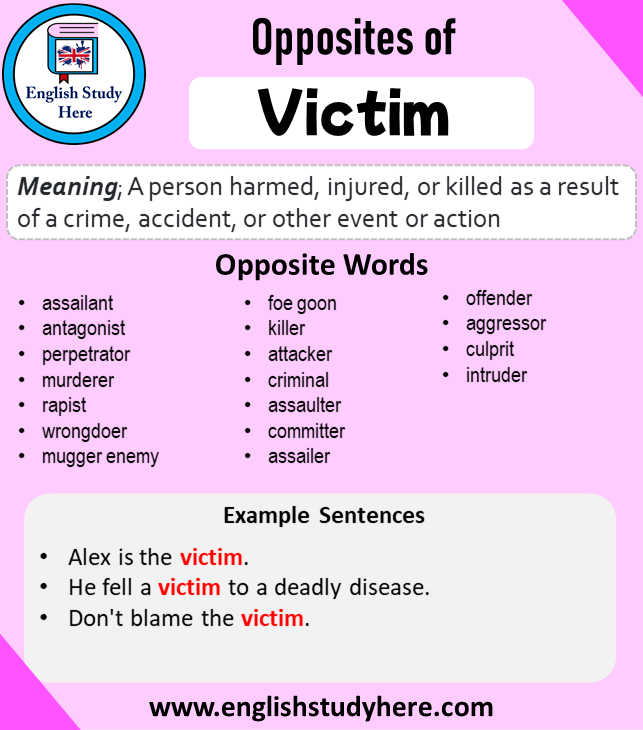
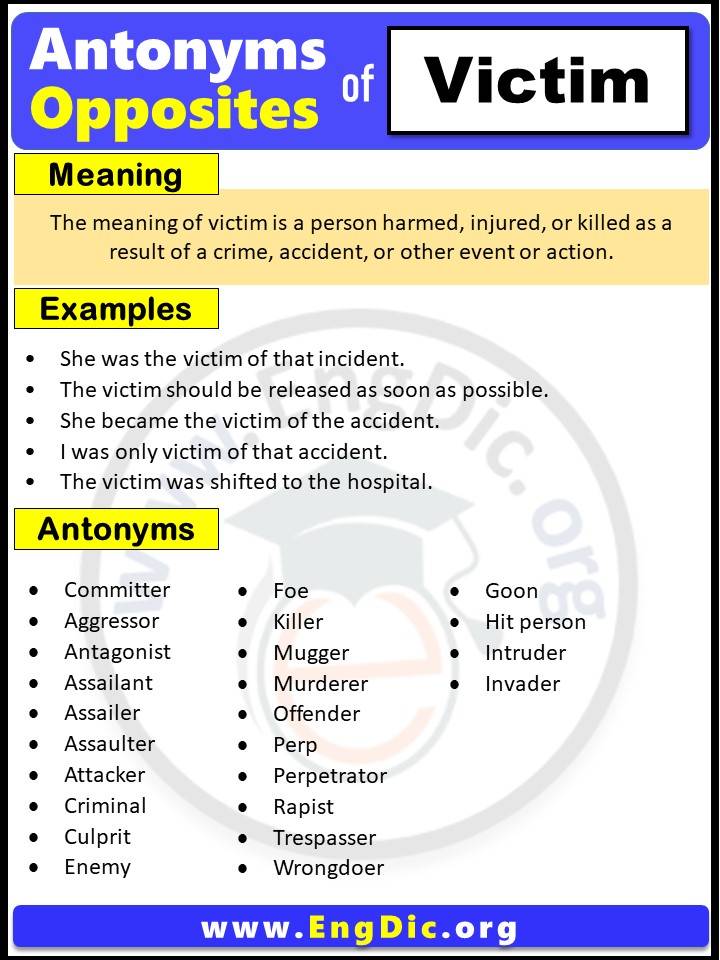
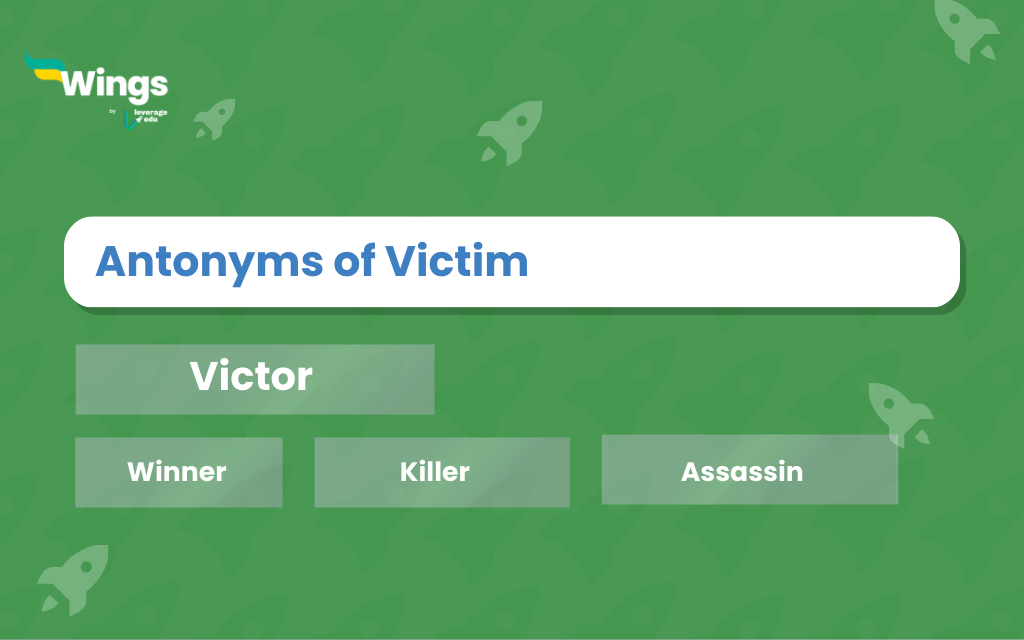
In the lexicon of psychology, the opposite of a victim is often cited as a “creator” or an “agent.” However, when we translate this dynamic into the world of brand strategy and corporate identity, the definition becomes more nuanced. In the marketplace, a brand that occupies the role of a “victim” is one that is reactive, fragile, and at the mercy of external shifts—be it market volatility, competitor moves, or consumer whims.
The true opposite of a victim in branding is the Sovereign Brand. A Sovereign Brand is the architect of its own category, the master of its narrative, and a proactive force that dictates terms to the market rather than asking for permission. To move from a state of victimhood to one of brand sovereignty requires a fundamental shift in how an organization or individual views its agency, its story, and its relationship with its audience.
The Architecture of Agency: Defining the Victorious Brand Identity
At its core, victimhood in branding is characterized by a “reactive” posture. These are the brands that only change when they are forced to, that blame “the economy” or “the algorithm” for their lack of growth, and that constantly find themselves defending their territory rather than expanding it. The opposite of this is a brand rooted in high agency.
Shifting from Reactive to Proactive Positioning
A proactive brand identity is built on the premise that the organization is the primary driver of its destiny. While a “victim” brand waits for a trend to emerge and then scrambles to copy it—often too late—the Sovereign Brand anticipates needs or, better yet, creates them. This shift requires a deep commitment to market research that looks beyond what customers say they want today and focuses on the underlying problems they will face tomorrow.
Positioning yourself as the opposite of a victim means moving away from the “commodity trap.” Commodities are victims of price wars and supply chain fluctuations. A Sovereign Brand, through unique value propositions and distinct emotional resonance, removes itself from comparison. It stops saying, “We are better than Brand X,” and begins saying, “We are the only ones who do Y.”
The Psychology of the Authority Figure
In personal branding and corporate identity alike, the opposite of a victim is the Authority. Victims seek validation; Authorities provide direction. When a brand adopts an authoritative tone, it stops apologizing for its existence or its price point. It moves into a space of leadership where it provides the framework through which the customer views the world.
This authority is not earned through arrogance, but through consistent, high-value output and a clear stance on industry issues. A brand that takes a stand—even if it alienates a portion of the market—is asserting its agency. It is choosing its tribe rather than begging for the attention of everyone. This selectivity is the hallmark of the non-victim mindset.
Brand Storytelling: Moving from Crisis to Heroism
Narrative is the most powerful tool in brand strategy. Every brand tells a story, whether intentionally or not. Victim brands tell stories of “survival” or “perseverance against unfair odds.” While this can garner temporary sympathy, it rarely builds long-term brand equity or consumer trust. The opposite of a victim narrative is the Empowerment Narrative.
The Narrative Arc of Empowerment
In the classic “Hero’s Journey,” the hero often starts in a state of lack or victimhood, but the story only begins when they accept the call to action and exert their will. In branding, you must decide who the hero is. A victim brand tries to be the hero that needs saving by the customer (“Please buy from us to keep us afloat”). A Sovereign Brand positions the customer as the hero and itself as the “Wise Guide” or the “Magical Tool” that enables the hero to win.
By positioning yourself as the enabler of victory, you move out of the victim’s shadow. You become the catalyst for change. This requires a narrative shift from “Look what happened to us” to “Look what we can achieve together.” This transition is essential for brands facing PR crises or industry disruption. Instead of offering excuses, the brand offers a vision of the future.
Overcoming the ‘Market Forces’ Excuse
We often see brands play the victim when they fail to innovate. They cite “digital disruption” or “changing consumer habits” as if these were unforeseen natural disasters. The opposite of this mindset is radical responsibility. A brand that refuses to be a victim views market disruption as a data point, not a death sentence.
When a brand takes ownership of its narrative, it reframes challenges as opportunities for rebranding. If a traditional retail brand loses market share to e-commerce, the “victim” response is to lobby for protections. The “Sovereign” response is to redefine the physical shopping experience into something e-commerce cannot replicate—turning a perceived weakness into a unique brand asset.
Personal Branding: Reclaiming the Narrative as a Thought Leader
In the realm of personal branding, the “victim vs. agent” dichotomy is even more pronounced. Many professionals treat their careers as something that happens to them, dictated by bosses, HR departments, and industry trends. The opposite of a victim in this context is the Self-Sovereign Professional.
Ownership as a Competitive Advantage
The most successful personal brands are built by individuals who realize they are a “Company of One.” When you stop viewing yourself as an employee and start viewing yourself as a brand, your relationship with the market changes. You are no longer a victim of a layoff or a bad manager; you are a service provider with a portable set of assets.
Ownership involves building an “owned” audience—through newsletters, LinkedIn presence, or speaking engagements—that exists independently of any single employer. This is the ultimate “anti-victim” move in personal branding. It creates a safety net of reputation that makes the individual resilient to the whims of any single organization.
Transforming Setbacks into Brand Equity
A key differentiator for the non-victim personal brand is how they handle failure. In a victim narrative, a failed startup or a fired executive is a “tragedy.” In an agency-driven narrative, that same failure is “tuition.”
Thought leaders who are the opposite of victims use their setbacks as case studies. They openly discuss what went wrong, what they learned, and how it has refined their current methodology. This transparency builds immense trust. It signals to the market that this individual is not a passenger in their career, but the driver, capable of navigating through storms and emerging with better maps.
Corporate Sovereignty: Building a Brand Resilient to External Flux
For large organizations, being the opposite of a victim means achieving a level of “Antifragility”—a term coined by Nassim Taleb. An antifragile brand doesn’t just withstand shocks; it gets stronger because of them.
Cultivating Internal Brand Culture
A brand’s external identity is often a reflection of its internal culture. A victim culture is one of blame, silos, and fear. An agentic culture—the opposite—is one of psychological safety and extreme ownership. When employees are empowered to take risks and own their outcomes, the brand becomes more agile.
This internal resilience translates to a stronger corporate brand. Customers can sense the difference between a company that is struggling to keep its head above water and one that is operating with a sense of purpose and confidence. A Sovereign Brand invests in its people so that they become brand ambassadors who can articulate the company’s mission even in times of uncertainty.
Strategic Moats and the End of Fragility
Finally, the opposite of a victim brand is one that proactively builds “moats.” These are strategic advantages—intellectual property, network effects, or deep emotional loyalty—that protect the brand from being victimized by competitors.
A brand with a strong moat doesn’t worry about a new competitor entering the space with a lower price. Because they have spent years building a brand that stands for something specific and irreplaceable, they are shielded from the “victimization” of price commoditization. They have moved from being a participant in a market to being the curator of a community.
Conclusion: The Choice of Identity
What is the opposite of a victim in the world of branding? It is the Architect. It is the entity that realizes that while we cannot control the wind, we can always adjust the sails.
Whether you are a global corporation or an individual building a personal brand, the transition away from victimhood begins with a choice: to stop explaining why things are the way they are and to start declaring how they will be. By embracing high agency, sovereign storytelling, and radical ownership, you move from being a casualty of the market to becoming its most compelling leader. In the end, a brand is not what happens to you; a brand is the story you have the courage to write for yourself.
aViewFromTheCave is a participant in the Amazon Services LLC Associates Program, an affiliate advertising program designed to provide a means for sites to earn advertising fees by advertising and linking to Amazon.com. Amazon, the Amazon logo, AmazonSupply, and the AmazonSupply logo are trademarks of Amazon.com, Inc. or its affiliates. As an Amazon Associate we earn affiliate commissions from qualifying purchases.