
At the intersection of behavioral psychology and modern marketing lies the potent mechanism of operant conditioning. Often referred to as instrumental conditioning, this learning process is the bedrock of consumer behavior, brand loyalty, and the architecture of the digital user experience. By understanding how consequences—rewards and punishments—shape human actions, brands can strategically design interactions that transform casual visitors into long-term, high-value customers.
The Foundations of Behavioral Reinforcement
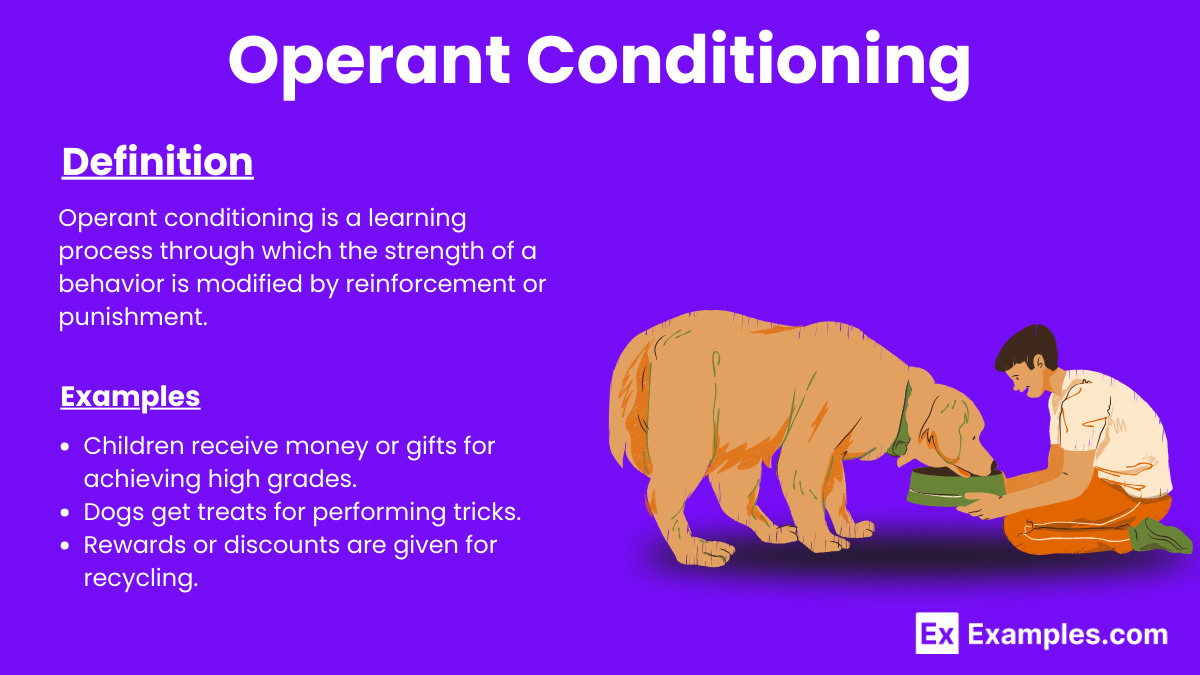
Operant conditioning, a theory pioneered by B.F. Skinner, posits that the probability of a behavior occurring again is determined by its consequences. In the context of brand strategy, this is not merely an academic exercise; it is the fundamental framework for customer lifecycle management and conversion rate optimization.

Positive Reinforcement: The Engine of Loyalty
Positive reinforcement involves the addition of a reinforcing stimulus following a behavior that makes it more likely that the behavior will occur again in the future. For brands, this is the most effective tool for building positive sentiment. When a customer interacts with a brand—perhaps by signing up for a newsletter or making a first purchase—and receives an immediate benefit, such as a discount code, exclusive content, or a seamless user interface, the brand is positively reinforcing the action. The reward solidifies the neural pathway associated with the brand, making the customer more likely to repeat the engagement.
Negative Reinforcement: Removing Barriers to Action
Negative reinforcement is frequently misunderstood as punishment, but in behavioral terms, it is the removal of an unpleasant stimulus to encourage a behavior. In digital marketing and product design, this manifests as reducing friction. For example, a “One-Click Checkout” feature removes the unpleasant effort of manually entering payment details. By removing the “punishment” of a tedious form, the brand reinforces the customer’s decision to complete the purchase. The ease of use serves as the reinforcer, nudging the user to return to the platform because the path of least resistance is inherently rewarding.
Designing the Architecture of Consumer Habits
In the digital era, brands operate within a feedback loop. Every interaction, from a push notification to a loyalty points update, is an opportunity to condition user behavior. To build a robust brand, organizations must move beyond reactive marketing and adopt a proactive stance on behavioral design.
The Role of Variable Rewards
Skinner’s experiments demonstrated that intermittent or variable reinforcement schedules are far more powerful than continuous ones. This is why slot machines are addictive, and it is why social media platforms and gamified loyalty apps are so effective. When a customer does not know exactly what reward they will receive, or when it will appear, their engagement levels spike. Brands that incorporate “surprise and delight” elements—such as mystery bonuses in an email campaign or unannounced flash sales—leverage this psychological principle to maintain a high level of top-of-mind awareness.
Punishment and Extinction: The Risks of Poor Strategy
Punishment is the application of an unpleasant stimulus to decrease a behavior, while extinction occurs when a previously reinforced behavior is no longer met with a consequence. In business, “punishment” often occurs unintentionally: a clunky mobile app, aggressive pop-up advertisements that obstruct content, or slow customer service response times. When these occur, the consumer is conditioned to avoid the brand.
Similarly, “extinction” happens when a brand fails to acknowledge a loyal customer. If a regular patron consistently makes purchases but receives no recognition or reward, the lack of reinforcement eventually leads to the cessation of that behavior. A brand that fails to maintain its reward structures effectively will eventually see the “extinction” of its customer base.

Strategic Application in Brand Loyalty Programs
Loyalty programs are perhaps the most overt application of operant conditioning in the corporate world. They are essentially structured systems of reinforcement designed to map specific consumer behaviors to tangible rewards.
Mapping Behavior to Incentives
To effectively apply operant conditioning, a brand must first identify the “target behavior.” Is the goal to increase purchase frequency, encourage social sharing, or drive app adoption? Once the goal is defined, the brand must ensure that the reward is delivered with appropriate proximity to the action. Delayed gratification is less effective than immediate reinforcement. A loyalty program that updates points in real-time provides a far more potent psychological “jolt” than one that credits accounts at the end of the month.
The Psychology of Gamification
Gamification is the practical application of operant conditioning principles to non-game contexts. By introducing progress bars, badges, and leaderboards, brands create artificial milestones that trigger the brain’s dopamine response. When a user sees a “completion” percentage—such as “80% of your profile complete”—the desire to reach 100% acts as a powerful motivator. This is a form of reinforcement where the completion of a minor, low-stakes task is rewarded with a sense of achievement, which in turn reinforces the usage of the product or platform.
Ethical Considerations and Long-term Brand Integrity
While operant conditioning is an incredibly effective tool for driving metrics, it carries the weight of ethical responsibility. Behavioral engineering, if used manipulatively, can lead to consumer backlash and long-term brand erosion.
Avoiding Dark Patterns
“Dark patterns” are user interface designs that intentionally trick or nudge users into making decisions they might not otherwise make. While these might yield short-term gains, they function as a form of negative conditioning that eventually erodes trust. If a brand conditions a user to fear missing out through deceptive countdown timers or coerced sign-ups, the user learns to associate the brand with anxiety rather than value. Over time, this leads to a decrease in brand equity and a loss of customer lifetime value.
Creating Authentic Value
True brand loyalty is built when operant conditioning is aligned with authentic value. The reinforcement should not merely be a gimmick to drive a click; it should be a reflection of a genuine value exchange. When a brand provides consistent, high-quality experiences, the reinforcement cycle becomes a virtuous loop. The customer is rewarded by the quality of the product, which reinforces the habit of purchasing, which in turn sustains the brand’s ability to continue providing that quality.
The Future of Behavioral Engagement
As we look toward the future, the integration of Artificial Intelligence and predictive analytics will allow for “personalized conditioning.” Brands will soon be able to tailor reinforcement schedules to the specific psychological profiles of individual customers.
Dynamic Reinforcement Schedules
AI tools can now analyze a user’s history to determine exactly what type of incentive triggers a conversion. For one customer, a discount might be the primary reinforcer; for another, early access to a new product might be more effective. By dynamically adjusting the reward structure based on behavioral data, brands can optimize their conversion funnels with surgical precision.
Closing the Loop
The study of operant conditioning provides a timeless framework for understanding the human elements of the digital marketplace. Whether through the removal of friction in the user journey, the strategic use of variable rewards, or the careful avoidance of punitive design, brands that understand these principles will always hold a competitive advantage. In the end, a brand is not merely what a company sells; it is the sum of the conditioned responses its users have developed over time. By mastering the science of consequence, companies can build not just a customer base, but a community of users whose habits are deeply and positively intertwined with the brand’s purpose. Through intentional, ethical application of these behavioral tools, businesses can ensure that their interactions remain both profitable and perpetually engaging.
aViewFromTheCave is a participant in the Amazon Services LLC Associates Program, an affiliate advertising program designed to provide a means for sites to earn advertising fees by advertising and linking to Amazon.com. Amazon, the Amazon logo, AmazonSupply, and the AmazonSupply logo are trademarks of Amazon.com, Inc. or its affiliates. As an Amazon Associate we earn affiliate commissions from qualifying purchases.