
In the ever-evolving landscape of American culture, pinpointing the “number one sport” is a nuanced endeavor, far more complex than a simple tally of viewership figures or attendance records. From a brand perspective, it’s a fiercely contested arena where leagues, teams, and even individual athletes vie for mindshare, loyalty, and cultural dominance. The concept of “number one” isn’t merely about current popularity; it encompasses a sport’s brand equity, its strategic market positioning, its ability to engage diverse demographics, and its enduring cultural resonance. This article delves into the intricate brand strategies that define the leading sports in America, examining how they build, maintain, and expand their influence to capture the coveted top spot.

The Branding Battleground: Defining “Number One”
To understand what constitutes the “number one” sport, we must first look beyond traditional metrics and adopt a comprehensive brand lens. A sport’s true dominance is reflected in its brand strength—its ability to evoke passion, create community, and sustain relevance across generations. This involves a delicate interplay of marketing prowess, strategic content creation, and an authentic connection with its audience.
Beyond Viewership: Metrics of Brand Dominance
While television ratings and game attendance remain critical indicators, the modern sports brand evaluates success through a broader spectrum of engagement metrics. Digital platforms have revolutionized how fans interact with sports, making social media engagement, streaming numbers, and fantasy sports participation equally vital. A strong brand permeates daily life; it’s seen in merchandise sales, local sports participation rates, and even in casual conversations. The “number one” sport brand is one that seamlessly integrates into the cultural fabric, becoming a default topic, a source of collective identity, and a consistent touchpoint for millions. Its economic footprint, encompassing sponsorships, media rights, and related industries, further underscores its brand power, demonstrating its capacity to generate significant value beyond the game itself.
The Power of Narrative: Crafting a Sport’s Brand Story
At the heart of every successful sports brand lies a compelling narrative. Whether it’s the underdog story of a team overcoming adversity, the intense rivalry between two titans, or the transcendent journey of a legendary athlete, these stories create emotional connections that transcend the win-loss column. Leagues and teams invest heavily in developing and amplifying these narratives through sophisticated marketing campaigns, documentaries, and digital content. The goal is to build an emotional rapport that transforms casual viewers into passionate fans, fostering a sense of belonging and loyalty. This storytelling creates a rich tapestry that gives meaning to the game, making it not just a spectacle of athletic prowess but a dramatic human endeavor that reflects broader societal values and aspirations.
NFL: The Undisputed Branding Champion?
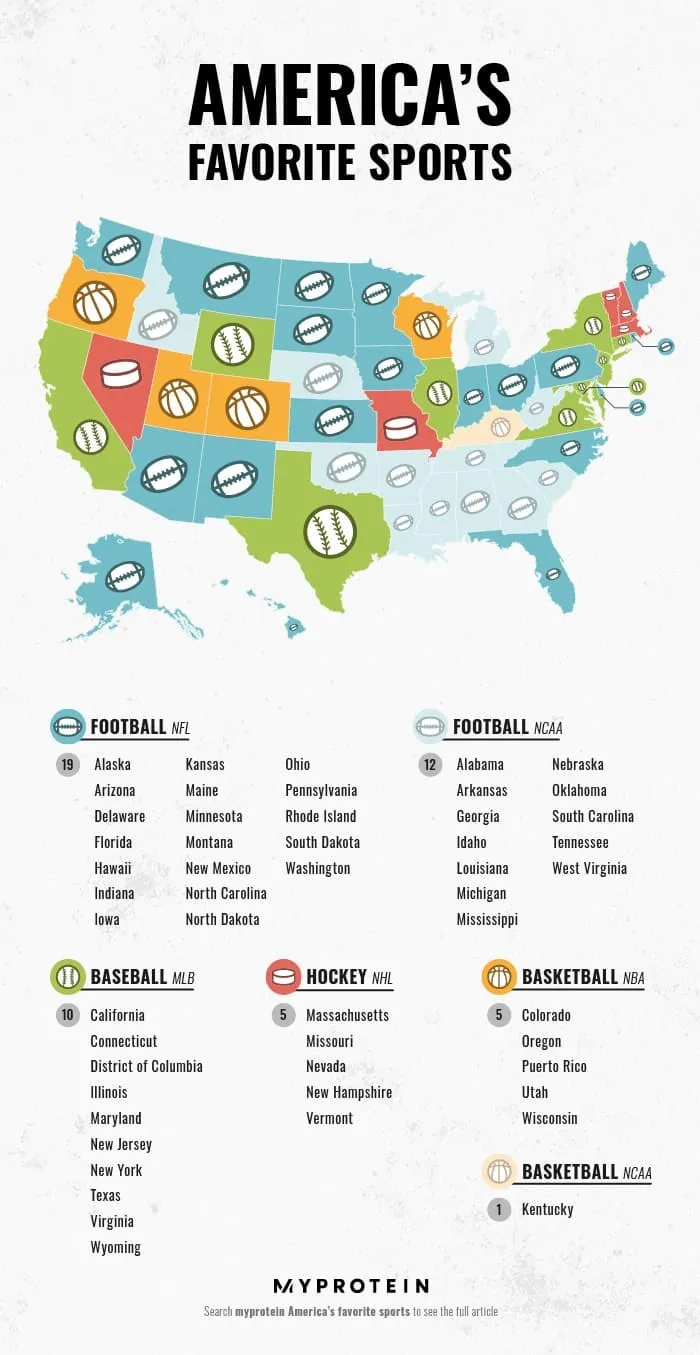
When viewed through the prism of brand strength, cultural ubiquity, and economic impact, American football, specifically the National Football League (NFL), consistently emerges as the most dominant sports brand in America. Its strategic brilliance in marketing, fan engagement, and cultural integration has cemented its position at the pinnacle.
Strategic Marketing and Ubiquitous Presence
The NFL’s branding strategy is a masterclass in market penetration and event creation. From the ubiquitous Super Bowl, which transcends sport to become a national holiday and a prime advertising showcase, to the carefully curated prime-time slots for games (Thursday, Sunday, Monday nights), the league ensures constant visibility. Its content strategy extends beyond live games, encompassing everything from the NFL Draft, which has evolved into a major annual event, to fantasy football, which turns passive viewers into active participants and year-round engagers. The league’s aggressive licensing of merchandise, video games, and digital content ensures that the NFL brand is present in virtually every aspect of a fan’s life, creating a continuous feedback loop of engagement and loyalty. This multi-platform, multi-channel approach guarantees that the NFL is not just watched, but experienced and lived.
Fan Loyalty and Community Building
The NFL has masterfully cultivated an unparalleled level of fan loyalty and community. Team identities are deeply interwoven with local culture, passed down through generations. Wearing a team’s jersey is more than just supporting athletes; it’s an expression of civic pride and family tradition. Tailgating, game-day rituals, and shared experiences in stadiums or living rooms foster a powerful sense of camaraderie and belonging. The league understands that sports fandom is tribal, and it harnesses this tribalism to create fiercely loyal communities. This deep emotional connection makes the NFL brand incredibly resilient, capable of weathering controversies and retaining its core audience, because the bond is not just with a product, but with a shared identity and collective experience.

Contenders for the Throne: Baseball, Basketball, and Soccer’s Brand Aspirations
While the NFL holds a commanding lead, other sports leagues continuously innovate their branding strategies to attract new audiences and strengthen their positions. Major League Baseball (MLB), the National Basketball Association (NBA), and Major League Soccer (MLS) represent distinct approaches to brand building, each with its unique challenges and opportunities.
MLB’s Enduring Legacy and Brand Refresh
Baseball, long heralded as “America’s Pastime,” carries a powerful legacy brand. Its appeal traditionally lies in its slower pace, historical continuity, and statistical richness. However, in an increasingly fast-paced, digital world, the MLB brand faces the challenge of modernizing its appeal without alienating its traditional fanbase. Its brand strategy now includes efforts to speed up the game, promote its young, dynamic stars more effectively, and leverage digital platforms for engaging content. The league is working to reposition itself as a sport that blends tradition with contemporary athleticism and excitement, aiming to capture the attention of younger demographics while retaining the nostalgic charm that defines its core brand. This involves highlighting the personal brands of its diverse players and showcasing the dramatic narratives unfolding on the field in a more digestible and shareable format.
NBA’s Global Brand Ascendancy
The NBA has emerged as a global branding phenomenon, particularly successful in attracting younger, more diverse audiences. Its strategy is heavily reliant on star power, fashion, and social media. NBA players are not just athletes; they are global icons, trendsetters, and cultural influencers who actively build their personal brands, which in turn elevates the league’s brand. The NBA encourages individuality and authenticity, allowing players to express themselves on and off the court, resonating strongly with youth culture. Its early adoption of social media and strategic partnerships with fashion and entertainment industries have cemented its image as a vibrant, dynamic, and forward-thinking brand. The league’s focus on storytelling through individual journeys and its willingness to engage with social issues further enhance its appeal, creating a powerful, globally recognized brand that transcends sports.
Soccer (MLS): The Rising Challenger’s Brand Strategy
Soccer, through Major League Soccer (MLS), represents the most significant challenger brand with immense growth potential in the American sports landscape. Its brand strategy is centered on tapping into the nation’s increasing diversity and the sport’s global popularity. MLS has strategically invested in bringing international stars to its clubs, creating local rivalries, and building fervent fan bases, particularly among younger and immigrant communities. The league’s brand emphasizes accessibility, local identity, and a passionate, carnival-like atmosphere at games. By focusing on grassroots development, community engagement, and leveraging the global appeal of “the beautiful game,” MLS is steadily building a robust brand, demonstrating that a strong brand doesn’t always need legacy; it can be built on future potential and cultural resonance. Its brand narrative is one of growth, diversity, and an evolving American identity.
The Future of Sports Branding: Innovation and Engagement
The competition for the “number one” sport brand is relentless, pushing leagues to constantly innovate their branding and engagement strategies. The future of sports branding lies in leveraging technology, fostering authentic connections, and embracing social responsibility.
Digital Transformation and Fan Experience
Digital transformation is not just an option but a necessity for sports brands. Streaming services, interactive apps, virtual reality (VR), and augmented reality (AR) are redefining the fan experience, making it more immersive and personalized. Leagues are investing in platforms that offer behind-the-scenes content, real-time statistics, personalized alerts, and opportunities for direct interaction with players and teams. The goal is to move beyond passive consumption to active participation, transforming spectators into engaged brand advocates. Esports, too, represents a burgeoning area for traditional sports brands to extend their reach, creating new digital touchpoints and attracting younger, digitally native audiences. This digital ecosystem is crucial for maintaining relevance and expanding the brand’s reach in an increasingly fragmented media landscape.
Social Impact and Authenticity: Modern Brand Imperatives
Modern consumers, particularly younger generations, expect brands to stand for something more than just profit or entertainment. Sports brands are increasingly recognizing the importance of social impact, diversity, and authenticity. Leagues and teams that engage in social justice initiatives, promote inclusivity, and demonstrate environmental responsibility are building deeper, more meaningful connections with their audiences. This aligns with the broader trend of purpose-driven branding, where authenticity and shared values become critical drivers of loyalty. By authentically integrating social causes into their brand identity, sports leagues can foster trust, enhance their reputation, and create a brand that resonates on an emotional and ethical level, transcending the boundaries of the game itself.
In conclusion, while American football, through the NFL, currently holds the most dominant brand position in the American sports landscape, the battle for the “number one” spot is dynamic and fiercely contested. Success hinges on a sophisticated understanding of brand strategy, encompassing compelling storytelling, innovative fan engagement, digital prowess, and a commitment to cultural relevance. As consumer behaviors and technological landscapes continue to evolve, the sports brands that innovate, connect authentically, and adapt to changing expectations will be the ones that ultimately capture and retain the hearts and minds of America.
aViewFromTheCave is a participant in the Amazon Services LLC Associates Program, an affiliate advertising program designed to provide a means for sites to earn advertising fees by advertising and linking to Amazon.com. Amazon, the Amazon logo, AmazonSupply, and the AmazonSupply logo are trademarks of Amazon.com, Inc. or its affiliates. As an Amazon Associate we earn affiliate commissions from qualifying purchases.