
In the modern travel technology landscape, Booking.com stands as a titan, facilitating millions of reservations across the globe through a sophisticated digital infrastructure. For many users, the search for a direct phone number is the first step in resolving a complex logistical issue. However, navigating the support ecosystem of a global tech giant involves more than just finding a sequence of digits; it requires an understanding of how digital platforms manage user experience, data security, and automated troubleshooting.
Finding the specific “number” for Booking.com is often a dynamic process. Because the company operates in nearly every country, they do not maintain a single global hotline. Instead, they utilize a geo-targeted support system designed to route users to the appropriate regional center. This guide explores how to access these resources, the technology driving their customer service, and the critical security measures users must take when seeking assistance.

Navigating the Booking.com Support Ecosystem
For many digital-native users, the primary instinct is to search a search engine for “Booking.com customer service number.” While this may yield results, the most secure and efficient way to find the correct contact information is through the platform’s internal interface. Booking.com employs a tiered support strategy that prioritizes digital self-service tools before escalating to human interaction.
Using the App and Desktop Interface
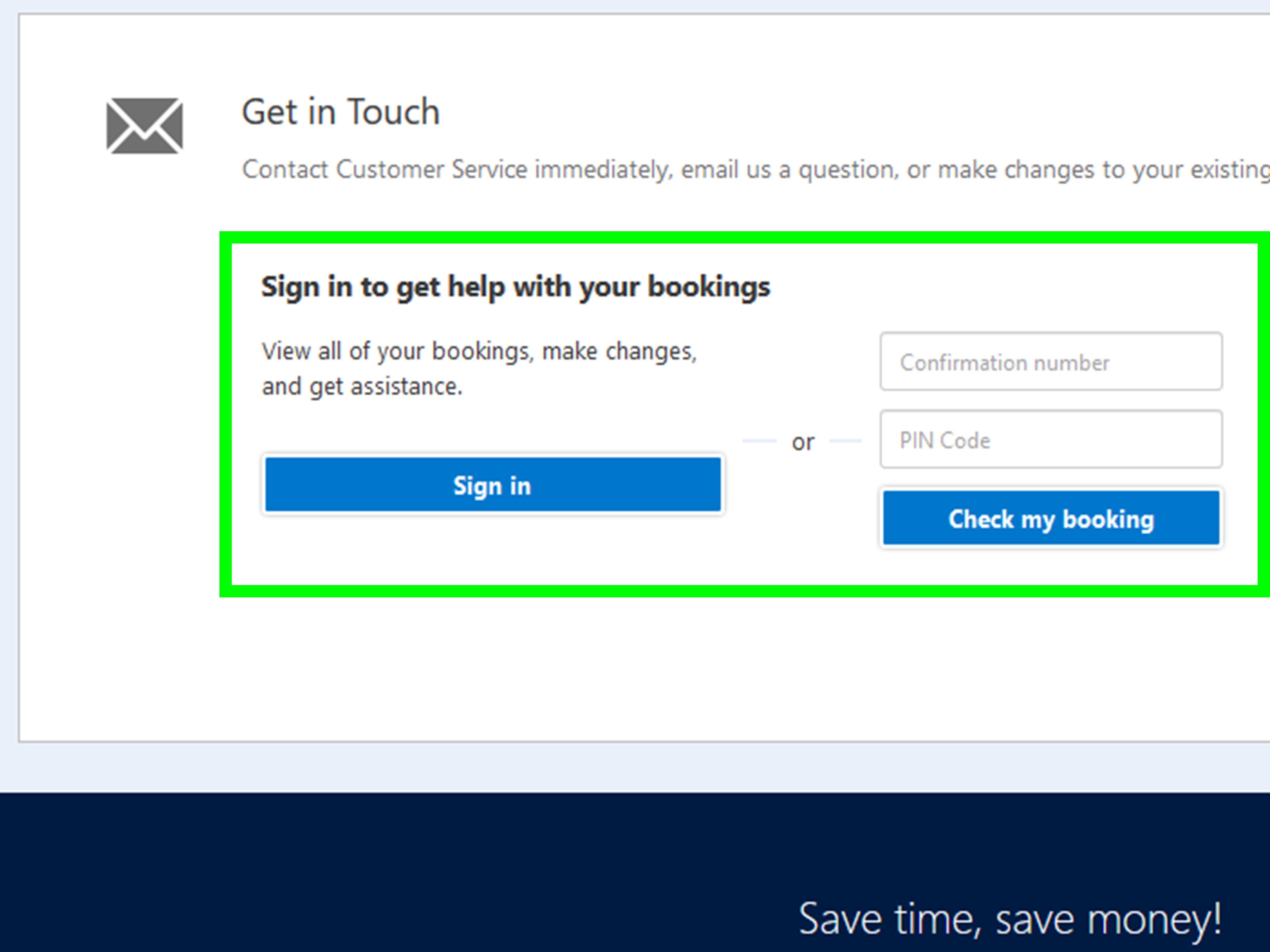
The quickest way to find a localized phone number is through the “Help Center” or “Customer Service Help” section of the website or mobile app. When you are logged into your account, the platform recognizes your active bookings. By selecting a specific reservation, the system generates a tailored contact page.
For confirmed bookings, the phone number is typically listed under the “Contact Us” section within the booking details. This is the most reliable method because the system may provide a number specifically allocated to your region or the region of the property you are visiting. Furthermore, the platform often provides a “Booking ID” and a “PIN,” both of which are required by the automated phone system to verify your identity before connecting you to an agent.
The Role of Dynamic Routing
Booking.com utilizes sophisticated call-routing technology. When a user dials a support number, the backend system uses the caller’s phone metadata and account information to route the call to a center that speaks the user’s language or handles the specific geographic area of the reservation. This technical infrastructure ensures that despite the massive volume of inquiries, the wait times are minimized through load balancing across global call centers.
Accessing Help Without a Login
If you cannot access your account, the platform provides a general help page. While it may be more difficult to find a direct number here—as the platform encourages using the “Manage Booking” tool—there are usually options for “International Support.” These lines are active 24/7, reflecting the “always-on” nature of global travel software.
The Evolution of Travel Tech: From Phone Lines to AI Chatbots
As a leader in travel technology, Booking.com has shifted its focus toward AI-driven support. The goal is to provide instantaneous resolutions to common queries, such as cancellation requests, date changes, or invoice inquiries, without the need for a human intermediary.
Natural Language Processing (NLP) and the “Genie”
Booking.com has integrated advanced AI chatbots into its interface. These bots use Natural Language Processing (NLP) to understand the intent behind a user’s query. If a user asks, “Can I bring my dog?” the AI scans the property’s metadata and the specific terms of the booking to provide an immediate answer.
This shift to AI is not merely a cost-saving measure; it is a scalability solution. In a world where millions of transactions occur daily, the technology must handle the bulk of repetitive tasks. This allows human agents to focus on high-stakes issues, such as emergency relocations or complex payment disputes that require nuanced judgment.
Automated Message Synchronization
Another key feature of the Booking.com tech stack is the messaging platform that connects guests directly with property owners. This system acts as an asynchronous support tool. When a guest sends a message through the app, it is logged, timestamped, and often translated in real-time if the parties speak different languages. This reduces the need for phone calls by providing a written, verifiable record of communication that the Booking.com support team can reference if a dispute arises.
Digital Security: Protecting Your Data When Contacting Support

In the tech world, the search for a customer service number is a known vulnerability point for social engineering and phishing attacks. Users must be hyper-aware of where they source their information to avoid falling victim to fraudulent schemes.
The Danger of Third-Party Search Results
One of the most prevalent threats in the digital travel space involves malicious actors posting fake customer service numbers on social media, community forums, or even Google Maps listings. When a user calls these numbers, they may reach a scammer posing as a Booking.com representative. These “agents” often ask for credit card details, account passwords, or even remote access to the user’s computer under the guise of “fixing” a booking error.
To remain secure, always ensure that any number you dial originates directly from the official booking.com domain or the official mobile application. Authentic Booking.com agents will never ask for your password or full credit card number over the phone; they already have access to the necessary transaction IDs to manage your booking.
Verification Protocols and 2FA
When you do reach a legitimate Booking.com representative, you will likely be asked to verify your identity via the Booking ID and PIN found in your confirmation email. This acts as a form of two-factor authentication (2FA) for voice communication. By requiring these specific digital keys, the platform ensures that the caller is indeed the person associated with the reservation, protecting the privacy and financial information of the account holder.
Secure In-App Communication
The safest way to handle any issue is to stay within the platform’s ecosystem. Using the in-app chat function is inherently more secure than a phone call or an external email. The data is encrypted, and because it is hosted on Booking.com’s servers, the company can verify the authenticity of all messages. This provides a “paper trail” that is invaluable for security audits or when requesting a refund.
Optimizing the User Experience: Why Direct Contact Matters
While technology has streamlined much of the travel process, the “human element” remains a critical component of the user experience (UX). Booking.com’s challenge is to balance automated efficiency with the accessibility of human support.
The Friction of Finding a Number
From a UX design perspective, Booking.com intentionally places phone numbers deep within the help hierarchy. This is known as “friction-based filtering.” By guiding users through a series of FAQs and automated prompts first, the platform ensures that the phone lines are reserved for issues that cannot be solved through a simple toggle in the app. While this can be frustrating for a user in a hurry, it is a necessary structural design for a platform of this scale.
Accessibility and Global Standards
The tech behind Booking.com’s support also accounts for accessibility. For users with hearing or speech impairments, the platform’s chat-based support and clear, text-heavy FAQs provide an alternative to traditional phone lines. This commitment to inclusive design is a hallmark of top-tier software companies, ensuring that the service is usable by a diverse global demographic.
Integration with Mobile Wallets and Payments
The support experience is also heavily integrated with the platform’s financial tech. When a user calls to request a refund, the agent uses a backend tool that connects directly to the payment gateway (such as Stripe, Adyen, or internal processing). This integration allows for real-time status updates on financial transactions, providing the user with a sense of security and transparency that would be impossible with disconnected systems.
The Future of Support in Travel Technology
As we look toward the future, the way we “find the number” for Booking.com will continue to evolve. We are moving toward a “voice-first” and “AI-first” world where the traditional phone call may become obsolete.
Voice Assistants and Proactive Support
In the near future, we may see deeper integration with voice assistants like Alexa or Google Assistant. Instead of dialing a number, a user might simply say, “Ask Booking to change my arrival time,” and the platform’s API will handle the request in the background. Furthermore, predictive analytics—a branch of AI—will allow the platform to offer proactive support. If the system detects a flight delay (via data integration), it could automatically prompt the user with a button to call the hotel or adjust the check-in time, preempting the need for the user to search for a support number at all.
Blockchain and Decentralized Verification
There is also potential for blockchain technology to play a role in verifying identities during support interactions. A decentralized digital identity could allow a user to verify themselves to a support agent without sharing any sensitive data, further hardening the platform against the social engineering attacks mentioned earlier.
Conclusion
The number for Booking.com is more than just a direct line to a call center; it is a gateway into a complex, multi-layered support system built on cutting-edge technology. By understanding how to navigate the app to find localized contact details, utilizing the platform’s AI tools, and adhering to strict digital security protocols, users can ensure their travel issues are resolved safely and efficiently. In an era where digital platforms are our primary travel companions, knowing how to interact with their technical infrastructure is an essential skill for any modern traveler. Always remember to source your contact information from the official app, keep your Booking ID and PIN ready, and leverage the power of the platform’s automated systems for the fastest results.
aViewFromTheCave is a participant in the Amazon Services LLC Associates Program, an affiliate advertising program designed to provide a means for sites to earn advertising fees by advertising and linking to Amazon.com. Amazon, the Amazon logo, AmazonSupply, and the AmazonSupply logo are trademarks of Amazon.com, Inc. or its affiliates. As an Amazon Associate we earn affiliate commissions from qualifying purchases.