
Maintaining systemic homeostasis is the bedrock of physiological stability, and arguably the most critical variable in this delicate balance is the pH of human blood. In medical and biological terms, pH—or the potential of hydrogen—is a numerical scale used to specify the acidity or basicity of an aqueous solution. For the human body, this scale is remarkably narrow. A deviation of even a few points can lead to catastrophic metabolic consequences, illustrating why the body invests so much energy into tight regulatory mechanisms.
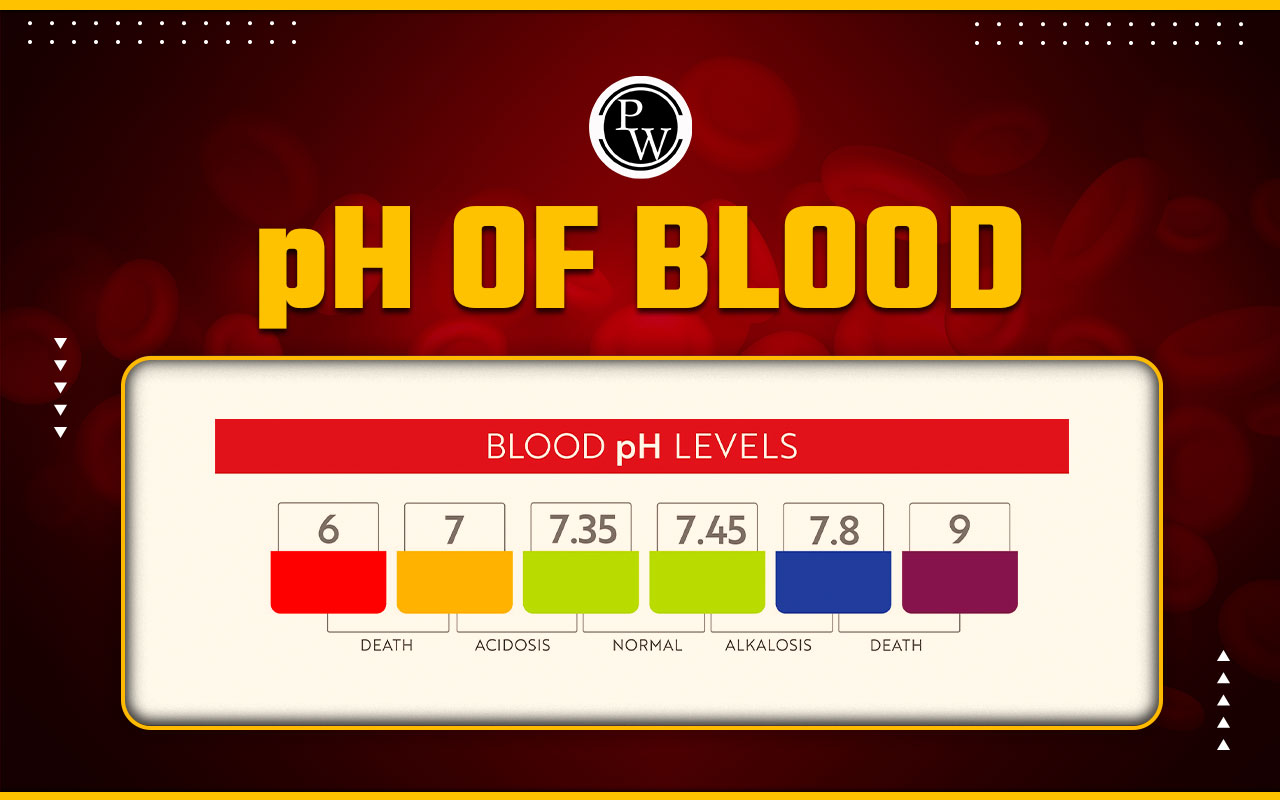
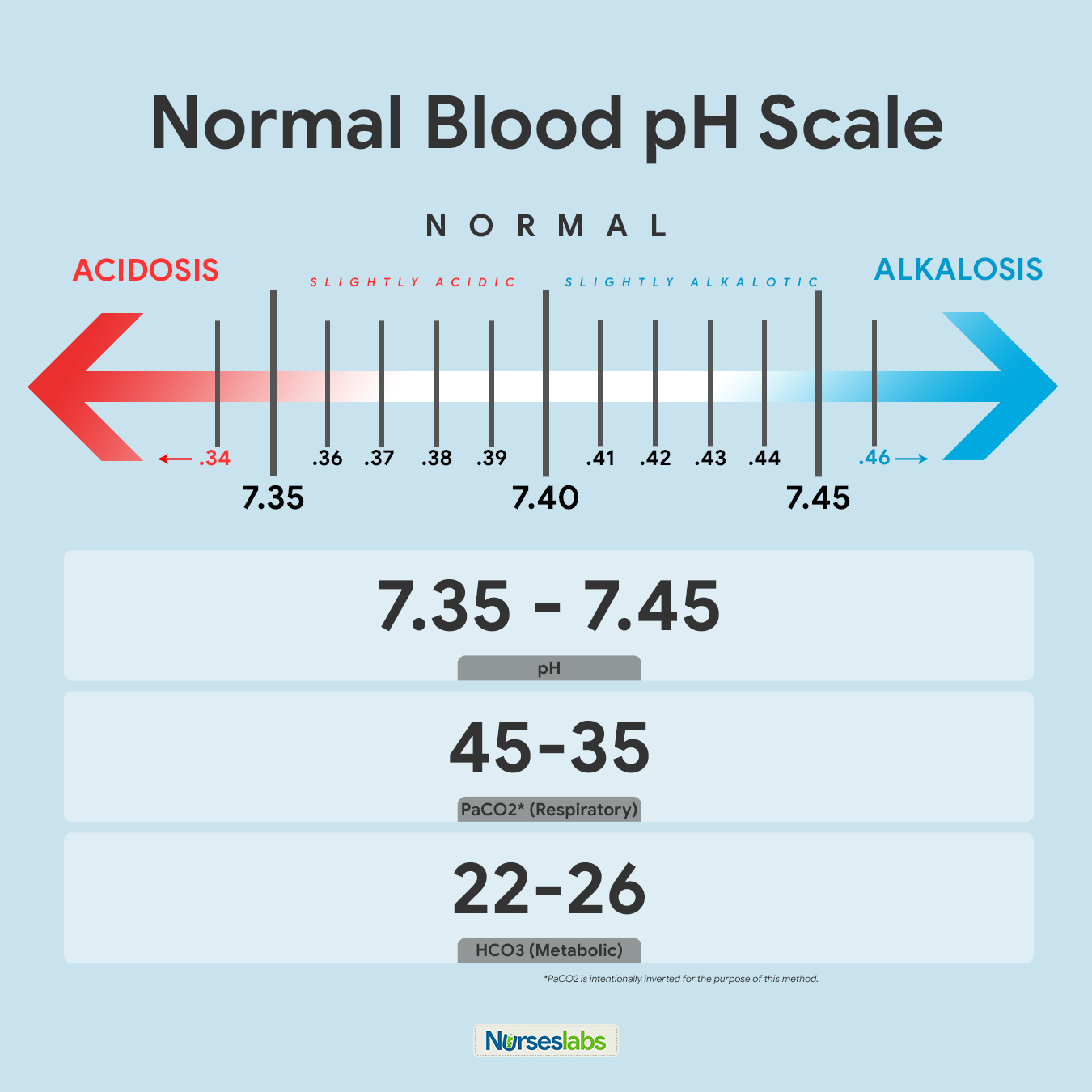
The normal physiological range for human arterial blood pH is strictly maintained between 7.35 and 7.45. This indicates that human blood is slightly alkaline (basic) by nature. If the pH drops below 7.35, the condition is known as acidosis; if it rises above 7.45, it is referred to as alkalosis. Understanding why this specific range is mandatory for life requires a deeper look into the biochemical machinery that governs human health.
The Mechanisms of Acid-Base Homeostasis
The human body is essentially a furnace of metabolic activity. Every moment, cells are consuming oxygen, producing carbon dioxide, and generating various acidic byproducts. Despite the constant flux of these substances, the blood maintains its equilibrium through three primary defense mechanisms: the buffer systems, the respiratory system, and the renal system.
The Role of Chemical Buffers
Buffer systems act as the first line of defense, providing an instantaneous response to changes in pH. The most significant buffer system in the blood is the bicarbonate-carbonic acid system. In this process, bicarbonate ions react with excess hydrogen ions to form carbonic acid, which can then be broken down into water and carbon dioxide. This rapid reaction prevents drastic swings in acidity before the physiological organs can intervene. Other buffers, such as hemoglobin and plasma proteins, also assist by binding to excess hydrogen ions, effectively sequestering them until they can be excreted.
Respiratory Compensation
The respiratory system acts as a high-speed regulator. Carbon dioxide (CO2) is a byproduct of cellular metabolism and is acidic in nature when dissolved in the blood. By adjusting the rate and depth of ventilation, the lungs control the concentration of CO2 in the blood. If the blood becomes too acidic, the brain signals the lungs to breathe faster and deeper, “blowing off” excess CO2. Conversely, if the blood becomes too alkaline, respiratory rates decrease to retain CO2. This mechanism is incredibly efficient, allowing for minute-to-minute adjustments in acid-base status.
Renal Regulation
While the lungs react in seconds, the kidneys provide a slower, more permanent solution to acid-base disturbances. The kidneys regulate blood pH by either reabsorbing bicarbonate back into the bloodstream or excreting hydrogen ions through the urine. By selectively filtering the blood, the kidneys can alter the chemical composition of urine, making it more or less acidic depending on what the body requires. This process can take hours or even days to reach full effectiveness, but it is the ultimate arbiter of long-term acid-base balance.
The Clinical Significance of Acidosis
Acidosis occurs when the pH of arterial blood falls below 7.35. This state is generally categorized into two distinct types: metabolic and respiratory. Regardless of the cause, the clinical implications are severe, as enzymes and structural proteins in the body rely on a specific pH to maintain their shape and function.
Metabolic Acidosis
Metabolic acidosis often arises from an accumulation of acids within the body or a loss of bicarbonate. Common triggers include uncontrolled diabetes—where the body produces ketones due to a lack of insulin—severe dehydration, or kidney failure. In these scenarios, the body’s metabolic processes are fundamentally altered, causing the blood to become increasingly acidic. Symptoms are often systemic, ranging from fatigue and confusion to rapid breathing as the body attempts to compensate via the lungs.

Respiratory Acidosis
Respiratory acidosis is primarily caused by hypoventilation. When the lungs fail to expel CO2 efficiently, the gas builds up in the blood, leading to a rise in carbonic acid levels. Conditions such as Chronic Obstructive Pulmonary Disease (COPD), severe asthma, or central nervous system depression (often due to medication or trauma) are frequent culprits. Because the root cause is ventilation-related, the body’s primary buffer systems are often quickly overwhelmed, necessitating medical intervention to improve lung function or provide mechanical ventilation.
The Dynamics of Alkalosis
While acidosis is frequently discussed, alkalosis—a blood pH above 7.45—is equally dangerous. Alkalosis shifts the chemical equilibrium in ways that inhibit the delivery of oxygen to tissues and disrupt neurological signaling.
Understanding Hypocapnia and Bicarbonate Excess
Alkalosis is broadly classified into respiratory and metabolic subtypes. Respiratory alkalosis is most commonly caused by hyperventilation, often linked to acute anxiety, panic attacks, or even high-altitude exposure. By breathing too quickly, the body removes CO2 at a rate faster than it can be produced, causing the blood to become overly alkaline.
Metabolic alkalosis, on the other hand, is usually the result of losing too much acid or gaining too much bicarbonate. Prolonged vomiting, which removes hydrochloric acid from the stomach, is a classic cause. Misuse of diuretics or antacids can also shift the pH balance upward. The clinical result is often muscle twitching, numbness, and in severe cases, dangerous cardiac arrhythmias.
Why the Narrow Range Is Non-Negotiable
The obsession of the human body with maintaining a blood pH between 7.35 and 7.45 is not arbitrary. Life, at the molecular level, is a series of chemical reactions catalyzed by enzymes. These enzymes possess specific “optimal pH” points. If the environment shifts even slightly, the protein structure of these enzymes can become distorted, a process known as denaturation.
Impact on Cellular Metabolism
When enzymes lose their structure, they lose their function. This leads to the cessation of vital metabolic pathways, such as glycolysis and the citric acid cycle, which are necessary for energy production. Furthermore, the binding affinity of hemoglobin to oxygen is highly pH-dependent. In an acidic environment, hemoglobin releases oxygen prematurely; in an alkaline environment, it holds onto it too tightly. Both extremes effectively starve tissues of the oxygen they require to survive.
Electrical Signaling and Ion Channels
Human health also depends heavily on the electrical gradients of cells. Ion channels, which govern nerve impulses and muscle contractions, are sensitive to the concentration of hydrogen ions. Deviations in pH interfere with the movement of potassium, sodium, and calcium ions across cell membranes. This is why individuals experiencing extreme pH imbalances often report tremors, irregular heartbeats, or loss of consciousness; their body’s electrical communication system is effectively short-circuiting.
Conclusion: The Precision of Human Physiology
The fact that the human body can keep blood pH within a narrow margin of 7.35 to 7.45—even during intense exercise, disease, or extreme environmental change—is a testament to the sophistication of our internal systems. From the instantaneous chemical buffering of the blood to the complex, coordinated actions of the lungs and kidneys, these systems work in perpetual harmony.
Monitoring this pH is a fundamental aspect of clinical medicine. When the body fails to maintain this range on its own, it serves as a clinical signpost for deeper pathology. Whether dealing with respiratory issues or metabolic dysfunctions, the maintenance of blood pH remains the silent, constant indicator of health. Recognizing the importance of this balance provides a deeper appreciation for the physiological resilience that allows human life to persist, adapting to both internal demands and the external environment. Through the interplay of these complex systems, the body ensures that the most basic chemical requirement for life—a stable, slightly alkaline blood environment—remains steadfast.
aViewFromTheCave is a participant in the Amazon Services LLC Associates Program, an affiliate advertising program designed to provide a means for sites to earn advertising fees by advertising and linking to Amazon.com. Amazon, the Amazon logo, AmazonSupply, and the AmazonSupply logo are trademarks of Amazon.com, Inc. or its affiliates. As an Amazon Associate we earn affiliate commissions from qualifying purchases.