
The question of what constitutes a “normal” level of iron in the blood has traditionally been the domain of clinical pathology and general practitioners. However, as we move deeper into the era of HealthTech and personalized medicine, the answer is increasingly being shaped by sophisticated software, artificial intelligence (AI), and wearable sensor technology. In the modern technical landscape, “normal” is no longer just a static range on a printed lab report; it is a dynamic data point integrated into a vast ecosystem of digital health monitoring.
The Digital Infrastructure of Modern Hematology
To understand how technology defines the normal level of iron in the blood, one must first look at the digital infrastructure of modern diagnostic laboratories. The process of measuring serum iron, ferritin, and total iron-binding capacity (TIBC) has moved away from manual chemical assays toward high-throughput, automated analyzers.
Automated Immunoassay Systems and Spectrophotometry
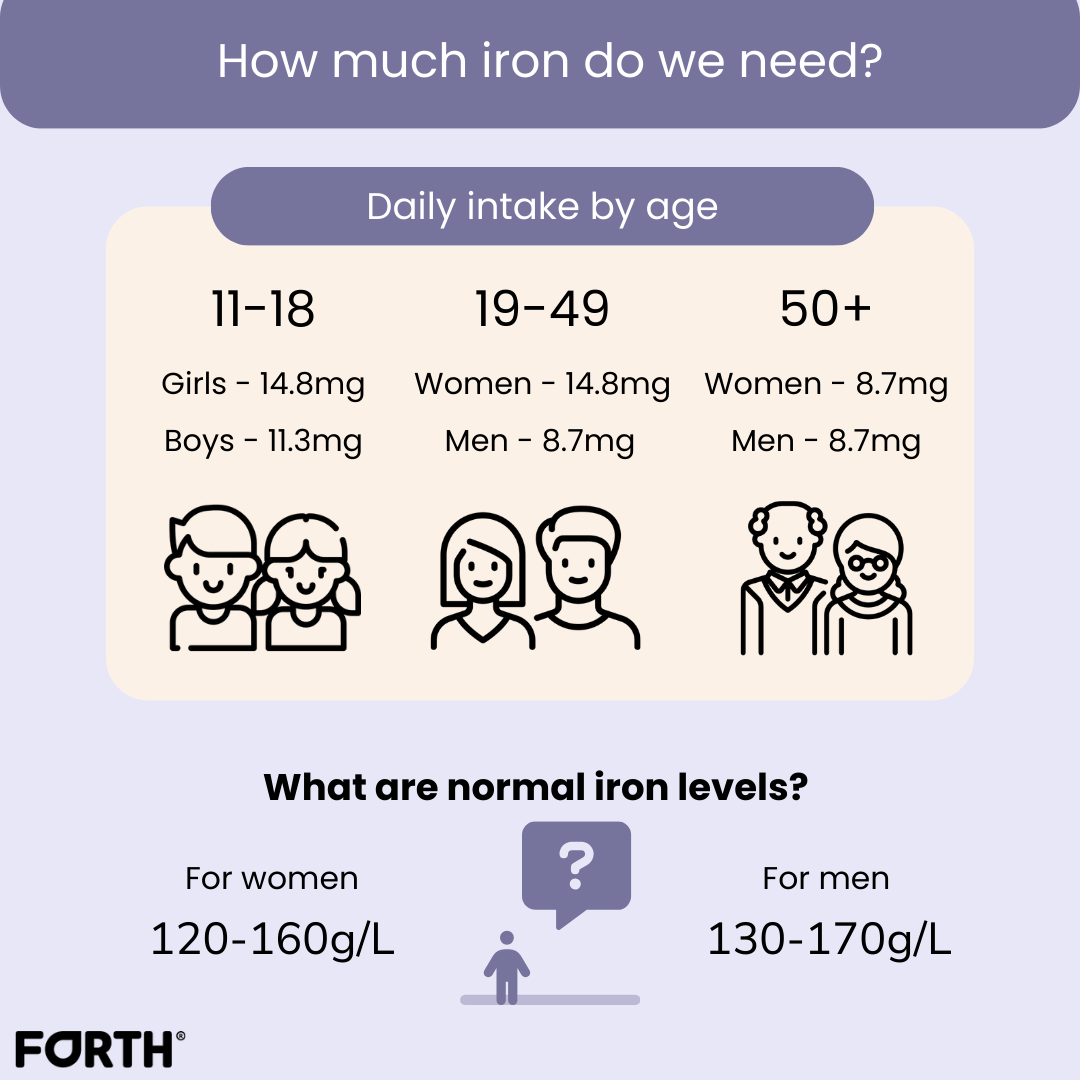
Modern laboratories utilize advanced robotics and optical sensors to determine iron concentrations. Systems such as the Roche Cobas or Siemens Atellica utilize spectrophotometry—a technique that measures how much a chemical substance absorbs light. In these systems, software algorithms translate light intensity into precise numerical data. These machines are capable of processing thousands of samples an hour, with integrated software that flags “abnormal” results based on pre-programmed demographic parameters. This automation minimizes human error and ensures that the baseline for what we consider “normal” (typically 60 to 170 micrograms per deciliter for adults) is measured with extreme precision.
The Role of LIMS in Data Management
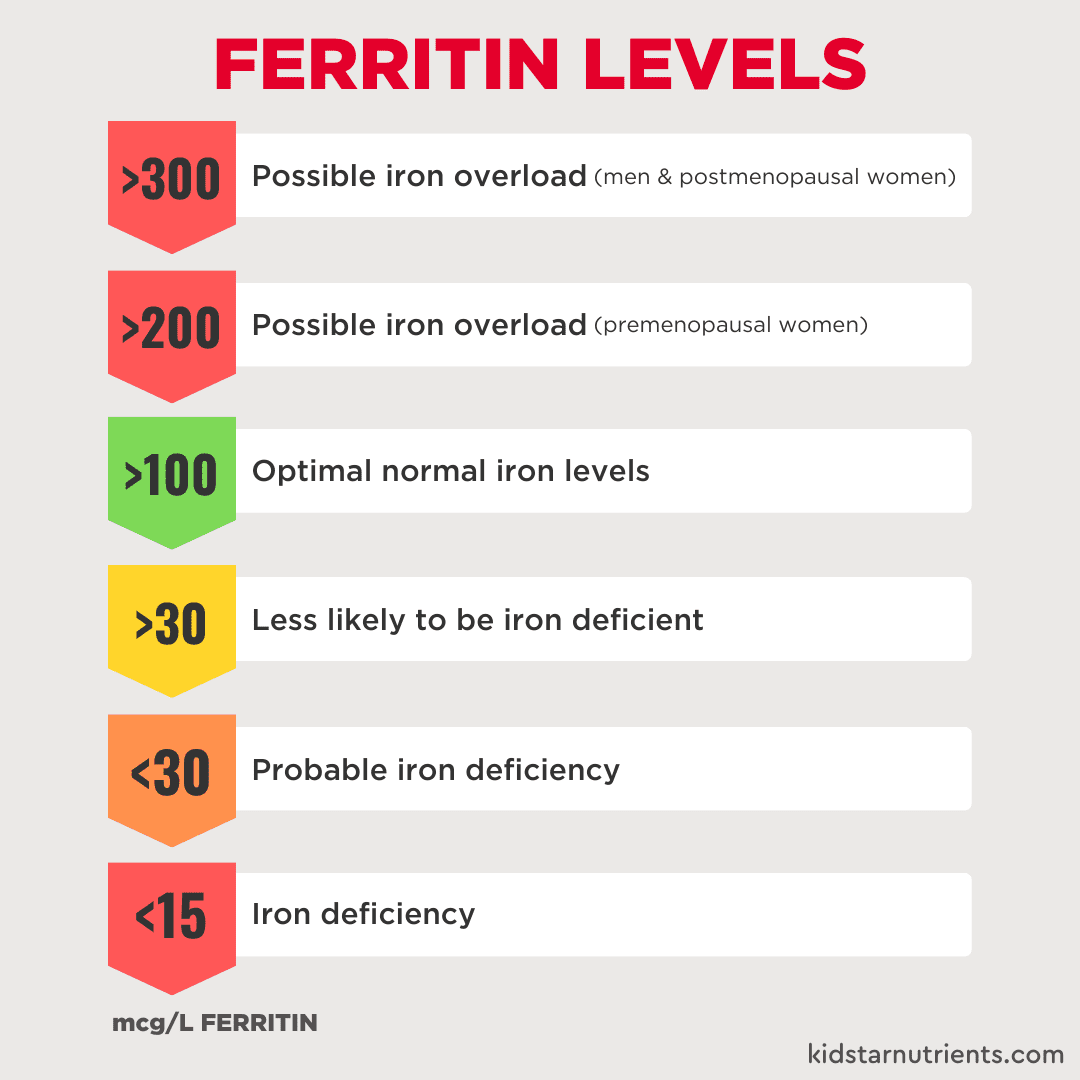
Laboratory Information Management Systems (LIMS) are the backbone of this diagnostic tech. A LIMS does more than just store a number; it contextualizes it. When a blood sample is analyzed for iron, the LIMS compares the result against historical data for that specific patient, accounting for age, gender, and even previous medical software flags. This digital tracking allows for a “longitudinal” view of health, where the technology can detect a downward trend in iron levels long before they drop below the official clinical threshold for anemia.
AI and the Shift Toward Personalized “Normal” Ranges
One of the most significant trends in Tech today is the application of Artificial Intelligence and Machine Learning (ML) to biological data. Traditionally, a “normal” iron level is defined by a bell curve of the general population. However, AI is shifting the paradigm toward personalized baselines.
Machine Learning Algorithms for Predictive Diagnostics
Tech firms are now developing ML models that analyze iron levels in conjunction with thousands of other data points, such as hemoglobin levels, mean corpuscular volume (MCV), and even genomic data. By training these models on massive datasets, AI can predict if an individual’s current “normal” iron level is actually suboptimal for their specific genetic makeup or activity level. For instance, an athlete’s “normal” might require a higher ferritin ceiling than a sedentary individual’s. AI tools analyze these nuances, providing a more granular definition of health that static medical textbooks cannot match.
Deep Learning in Image Recognition
Beyond simple chemical analysis, technology is improving how we view the effects of iron levels at a cellular level. High-resolution digital pathology uses deep learning to scan blood smears. These AI systems can identify subtle changes in red blood cell morphology—such as microcytosis (small cells)—which often indicates iron deficiency. By automating the visual inspection of blood cells, software provides a secondary layer of validation for the numerical iron data produced by chemical analyzers.

The Consumer Tech Frontier: Wearables and Point-of-Care Devices
The most visible transformation in the “Tech” niche regarding iron monitoring is the move from the lab to the palm of the hand. We are seeing a surge in Point-of-Care (POC) devices and consumer-facing apps designed to track and manage blood chemistry.
Smartphone-Linked Diagnostic Tools
Several startups are developing hardware peripherals that turn a smartphone into a mini-lab. Using a finger-prick sample and a disposable cartridge, these devices use the phone’s camera and a specialized app to perform colorimetric analysis of iron levels. This “Lab-on-a-Chip” technology allows users to monitor their iron status in real-time, syncing the data directly to health platforms like Apple Health or Google Fit. This democratizes access to health data, allowing individuals to track how diet and supplementation affect their blood chemistry on a weekly basis rather than waiting for annual checkups.
The Future of Non-Invasive Sensors
The “holy grail” of wearable tech is non-invasive blood analysis. Companies are currently iterating on optical sensors—similar to those used for heart rate and oxygen saturation—that can estimate hemoglobin levels through the skin using multi-wavelength light. Since a significant portion of the body’s iron is stored in hemoglobin, these wearables provide a proxy measurement for iron status. While the technology is still being refined for clinical-grade accuracy, the integration of these sensors into future smartwatches would allow for continuous monitoring of iron-related health metrics, alerting users to potential fatigue-inducing drops in iron before symptoms even manifest.
Data Privacy, Security, and the Bio-Data Ecosystem
As we digitize the monitoring of iron levels, we move into the critical tech sub-sector of digital security. Blood chemistry data is among the most sensitive types of Personal Health Information (PHI).
Encryption and HIPAA Compliance in Health Apps
Any software or app that tracks iron levels must adhere to strict regulatory standards, such as HIPAA in the United States or GDPR in Europe. For developers in the Tech space, this means implementing end-to-end encryption for all data transmitted from a diagnostic device to the cloud. The “normal level of iron” is not just a health stat; it is a piece of identity. Tech companies are increasingly using “Zero-Knowledge” architectures, where the service provider cannot see the actual health data of the user, ensuring that an individual’s iron deficiency or hereditary hemochromatosis status remains private.
Blockchain and Decentralized Health Records
There is a growing movement toward using blockchain technology to give patients total sovereignty over their blood data. By storing diagnostic results on a decentralized ledger, a patient can grant temporary access to a specialist or a health app without the data being siloed in a single corporate database. This tech-forward approach ensures that as you move between different diagnostic platforms—from a hospital lab to a home-testing kit—your history of iron levels remains a cohesive, secure, and portable digital asset.
Conclusion: The Convergence of Biology and Bit
The question of what is a normal level of iron in the blood is being answered with increasing complexity by the tech industry. We are no longer reliant solely on a doctor’s intuition or a static range on a page. Through the integration of automated laboratory hardware, AI-driven personalized analytics, and consumer-facing wearable tech, the monitoring of iron has become a sophisticated data science.
As software continues to eat the world, it is also digesting our biology, turning iron levels into actionable data streams. For the tech-savvy individual, “normal” is now a personalized, secure, and digitally tracked metric that serves as a cornerstone of the quantified self. The future of hematology is not just in the blood; it is in the code that analyzes it.
aViewFromTheCave is a participant in the Amazon Services LLC Associates Program, an affiliate advertising program designed to provide a means for sites to earn advertising fees by advertising and linking to Amazon.com. Amazon, the Amazon logo, AmazonSupply, and the AmazonSupply logo are trademarks of Amazon.com, Inc. or its affiliates. As an Amazon Associate we earn affiliate commissions from qualifying purchases.