
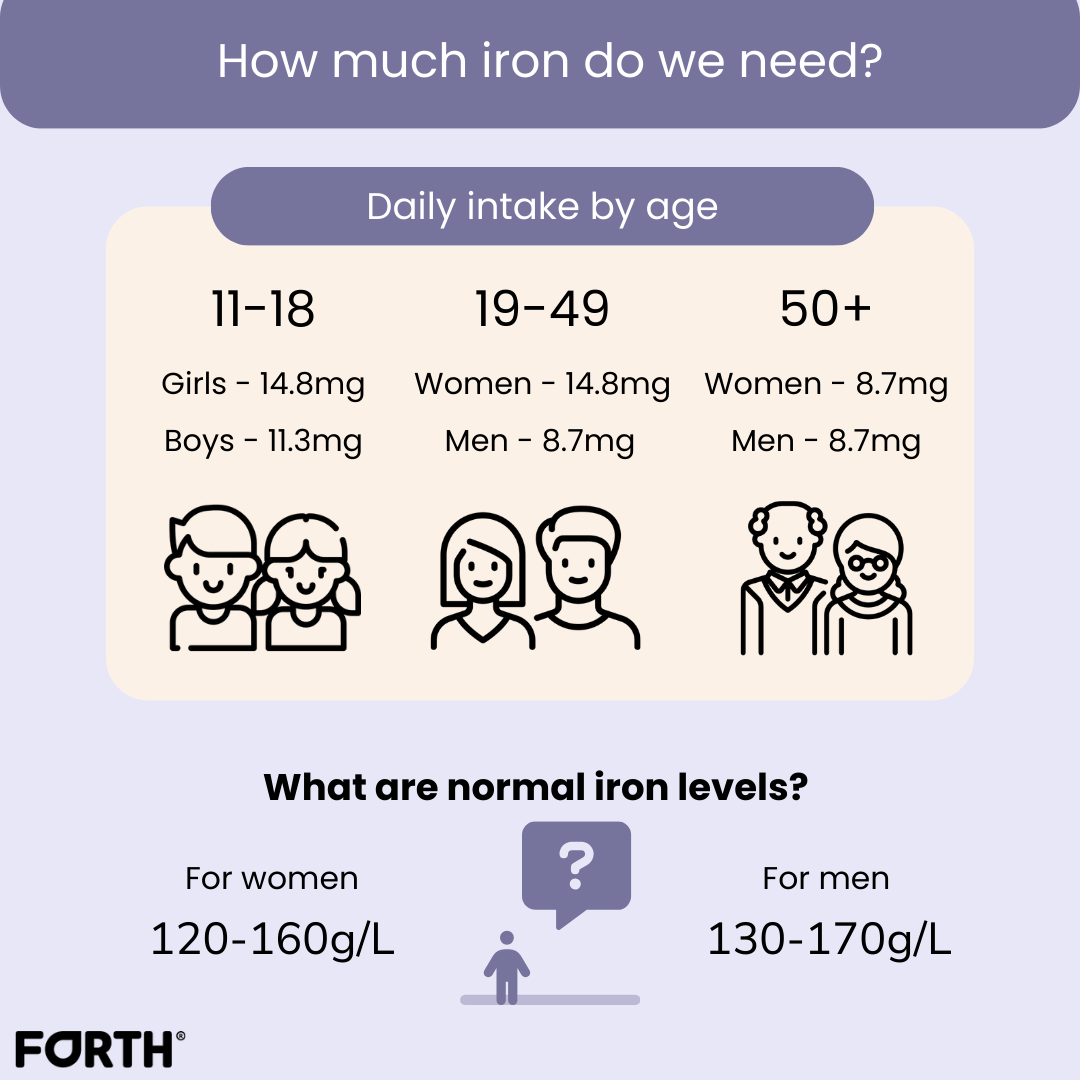
The question of “what is the normal level for iron in the blood” has traditionally been answered in a sterile laboratory setting, with results delivered via a paper report days after a blood draw. For the average adult, a normal range is typically cited between 60 to 170 micrograms per deciliter (mcg/dL). However, in the era of the “Quantified Self,” technology is fundamentally reshaping how we define, measure, and respond to these vital biological markers.
We are transitioning from a reactive healthcare model—where a patient discovers an iron deficiency only after feeling fatigued—to a proactive, tech-driven ecosystem. This shift is powered by breakthroughs in wearable sensors, artificial intelligence (AI) diagnostics, and decentralized health data platforms.
Digital Biomarkers: Moving Beyond the Traditional Blood Test
The gold standard for measuring iron has always been the serum iron test, often accompanied by ferritin and transferrin saturation checks. While accurate, these are “snapshots” in time. Modern HealthTech is moving toward “digital biomarkers,” which allow for continuous or more frequent monitoring without the friction of clinical visits.
Non-Invasive Monitoring and Optical Sensors
One of the most exciting frontiers in medical technology is the development of non-invasive sensors capable of detecting blood constituents through the skin. Utilizing spectroscopy—specifically Near-Infrared (NIR) light—tech companies are working on sensors that can measure hemoglobin levels and, by extension, estimate iron status. By analyzing how light is absorbed by the blood flowing through capillaries, these devices can provide real-time data to a smartphone app, alerting users to dips in iron-related markers before clinical symptoms manifest.
The Role of Wearable Tech in Ferritin Tracking
While we are not yet at a point where an Apple Watch can provide a precise ferritin count, the integration of multi-modal data is bridging the gap. High-end wearables now track heart rate variability (HRV), resting heart rate, and respiratory rates. Tech startups are developing algorithms that correlate these physiological signals with historical blood data. For example, if a user’s resting heart rate trends upward while their exercise recovery time slows, AI-driven platforms can suggest a targeted blood test to check for iron deficiency anemia, acting as an early-warning system powered by big data.
AI and Machine Learning in Hematology Diagnostics
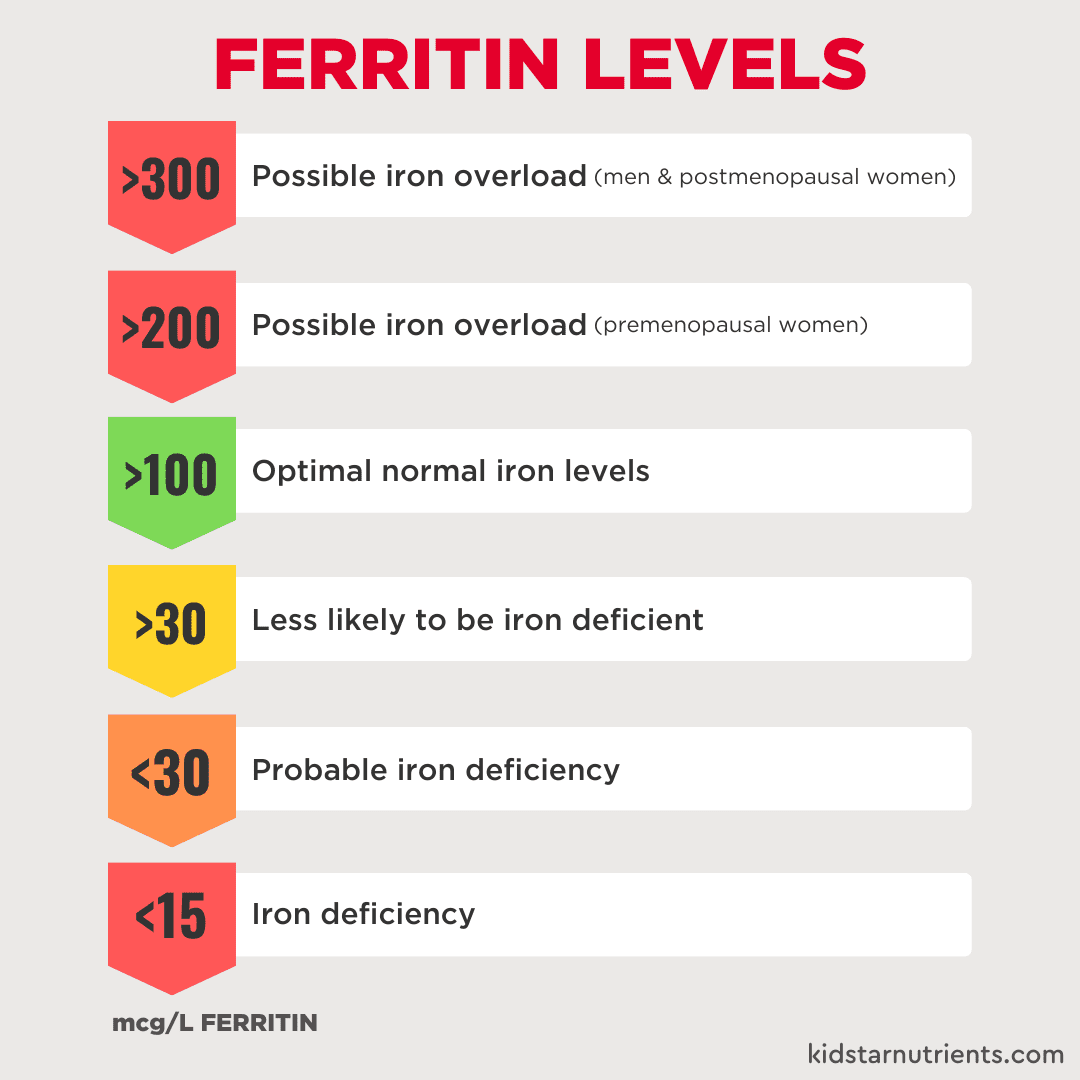
The interpretation of what constitutes a “normal” iron level is becoming increasingly sophisticated thanks to Machine Learning (ML). A static range (e.g., 60–170 mcg/dL) does not account for individual biological baselines, athletic demands, or genetic predispositions.
Predictive Analytics for Iron Deficiency Anemia
Machine learning models are now being trained on massive datasets comprising millions of blood samples. These models can identify patterns that human clinicians might overlook. For instance, an AI can detect “subclinical” iron deficiency—where a patient’s levels are technically within the “normal” range but are trending downward at a trajectory that predicts future pathology. By analyzing the relationship between iron levels, Mean Corpuscular Volume (MCV), and hemoglobin over time, predictive software provides a longitudinal view of health that static lab reports cannot match.
Precision Medicine: Redefining “Normal” through Data
The tech industry is pushing the medical community toward “Precision Medicine.” In this framework, “normal” is no longer a population average; it is a personalized data point. Through the use of cloud-based health platforms, users can aggregate years of blood work. Software then applies Gaussian distribution models to the individual’s own data to determine their unique optimal range. This tech-centric approach ensures that a high-performance athlete and a sedentary office worker are not held to the same generic standard, despite what a traditional lab reference sheet might suggest.
The Rise of Personal Health Dashboards and DIY Testing
The decentralization of healthcare technology has led to a surge in direct-to-consumer (DTC) testing kits and sophisticated digital interfaces that make hematology data accessible to the layperson.
From Lab to App: Interpreting Serum Iron Results
Companies like InsideTracker, Thriva, and WellnessFX have revolutionized the user experience of blood testing. After a user provides a sample (often via a localized lab partner or a finger-prick kit), the data is ingested into a high-tech dashboard. These platforms use data visualization tools to turn “120 mcg/dL” into an interactive story. They provide context, such as how iron levels affect sleep quality or cognitive function, and offer evidence-based digital recommendations. This “UX-ification” of blood data empowers users to take ownership of their biology through a tech interface they already understand.
Data Security and Privacy in Personal Health Monitoring
As we move iron monitoring into the digital realm, the tech industry faces the challenge of data integrity and security. Blood iron levels are sensitive health data. The implementation of blockchain technology and end-to-end encryption is becoming standard for HealthTech startups. Ensuring that a user’s iron trends are accessible to their physician but shielded from insurance algorithms is a critical hurdle that the next generation of “MedTech” is currently solving through decentralized identity protocols and secure API integrations.
Smart Supplementation: IoT and the Future of Treatment
Monitoring iron is only half the battle; the other half is intervention. The Internet of Things (IoT) and smart software are now optimizing how people supplement and maintain their iron levels.
Integration with Nutrition Apps and Smart Hardware
The modern tech ecosystem allows for seamless integration between blood data and lifestyle apps. If a digital blood test reveals low iron, that data can automatically sync with a user’s nutrition tracking app (like MyFitnessPal or Cronometer). The app’s algorithm can then prioritize iron-rich food suggestions or adjust macronutrient targets to include enhancers like Vitamin C, which aids iron absorption. We are seeing the emergence of “closed-loop” systems where the biological data (iron levels) directly influences the digital inputs (dietary planning).
Real-Time Feedback Loops for Iron Absorption
Iron supplementation is notoriously difficult due to poor absorption rates and gastrointestinal side effects. Tech innovators are developing “Smart Pills” and digital health assistants that use timing algorithms. These tools analyze a user’s circadian rhythm and meal times via wearable data to ping the user’s phone at the precise moment when iron absorption will be most effective and least disruptive to the gut. By turning supplementation into a data-optimized process, technology is increasing the efficacy of treatments for those struggling to maintain normal levels.

Conclusion: The Silicon Valley of the Bloodstream
Knowing “what is the normal level for iron in the blood” is no longer just about reading a number on a page. It is about engaging with a sophisticated suite of technological tools designed to optimize human performance and longevity. From the AI that predicts a crash in ferritin levels to the optical sensors that may one day eliminate the need for needles, technology is the new lens through which we view our internal health.
As we look toward the future, the boundary between “tech” and “biology” will continue to blur. The goal is a world where iron deficiency is solved not by reactive medicine, but by a proactive, invisible layer of technology that monitors, analyzes, and optimizes our blood chemistry in real-time. In this future, “normal” isn’t a range; it’s a personalized, data-driven state of peak well-being.
aViewFromTheCave is a participant in the Amazon Services LLC Associates Program, an affiliate advertising program designed to provide a means for sites to earn advertising fees by advertising and linking to Amazon.com. Amazon, the Amazon logo, AmazonSupply, and the AmazonSupply logo are trademarks of Amazon.com, Inc. or its affiliates. As an Amazon Associate we earn affiliate commissions from qualifying purchases.