
The intersection of cardiovascular health and consumer technology has undergone a radical transformation over the last decade. Historically, obtaining an Electrocardiogram (ECG or EKG) was a clinical event—a procedure performed in a sterile environment using a bulky 12-lead machine managed by a trained technician. Today, the question “what is the normal ECG reading?” is no longer asked exclusively in doctor’s offices; it is being typed into search engines by millions of users wearing smartwatches.
As we navigate this digital health revolution, understanding the technology behind the “normal” reading is essential. Whether you are using an Apple Watch, a Fitbit, or a specialized medical-grade mobile device like AliveCor’s KardiaMobile, the shift from professional diagnostics to personal health tech has democratized data. However, this shift requires a new level of technical literacy to distinguish between a healthy rhythm and a software-generated anomaly.
The Evolution of ECG Technology: From Clinical Labs to Your Wrist
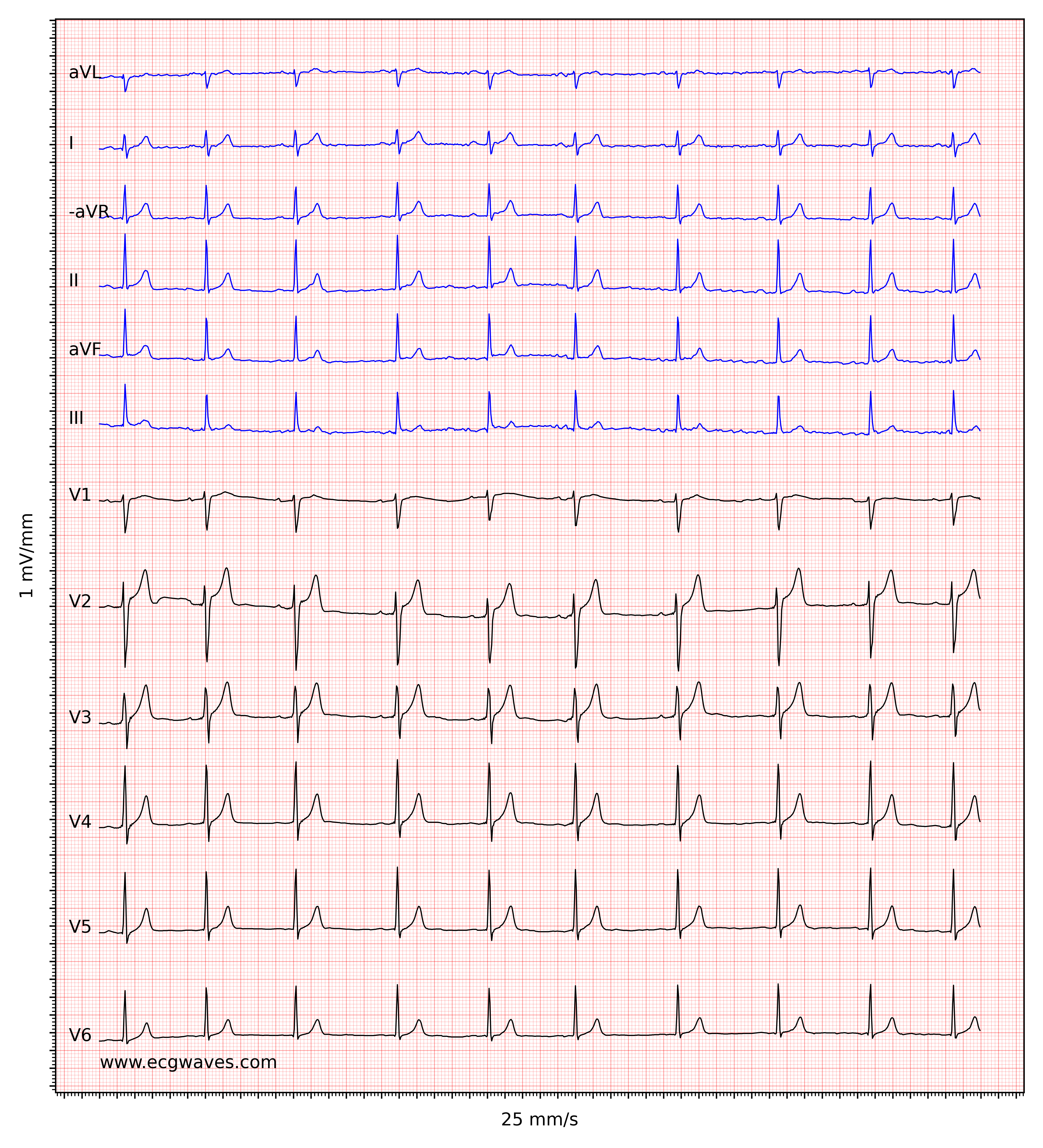
The fundamental technology of an ECG involves measuring the electrical activity of the heart over a period of time. In a clinical setting, ten electrodes are placed on the limbs and chest to provide twelve different “views” of the heart’s electrical vectors. In the tech world, we have condensed this complex architecture into “Single-Lead” ECGs.
How Smartwatches Simulate a Single-Lead ECG
Modern wearables utilize a biphasic approach to heart monitoring. While most watches use Green Light Sensors (Photoplethysmography or PPG) to measure heart rate by tracking blood flow volume, an actual ECG reading requires a physical electrical circuit. When you place your finger on the digital crown or a specific sensor on the watch frame, you complete a circuit that allows the device to measure the potential difference between your left and right arms.
This creates a Lead I ECG. While a Lead I reading cannot detect a heart attack (which usually requires the multi-angle view of a 12-lead machine), it is highly effective at identifying the electrical timing of the heart, specifically the rhythm of the upper and lower chambers.
The Role of Photoplethysmography (PPG) vs. Electrical Sensors
It is vital to distinguish between the “Pulse” and the “ECG” in your tech stack. PPG technology uses light to detect the expansion of blood vessels, providing a continuous stream of heart rate data. This is the tech that powers your “resting heart rate” graphs. However, an ECG reading is an on-demand, high-fidelity capture of electrical impulses. The software within the watch switches from passive light sensing to active electrical sensing, providing a much higher resolution of the heart’s internal “wiring.”
Interpreting the Data: What Constitutes a “Normal” Reading in a Digital Ecosystem?
When a device analyzes your heart rhythm, it is looking for a very specific sequence of electrical events. In the tech-heavy vernacular of digital health, a “normal” reading is typically classified as “Sinus Rhythm.”
Defining Sinus Rhythm in Software Terms
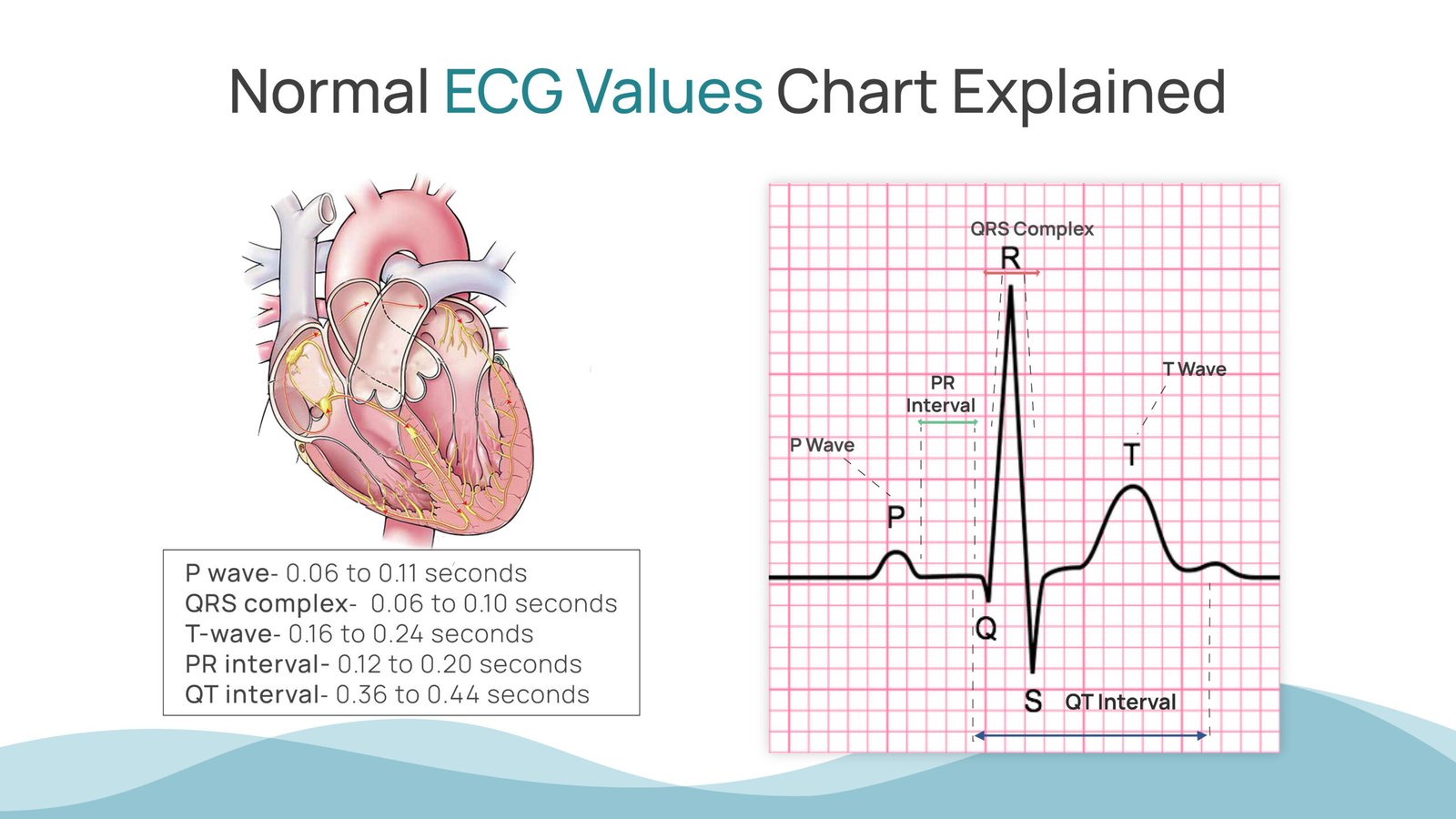
From a data processing perspective, a normal ECG reading signifies that the heart’s natural pacemaker—the Sinoatrial (SA) node—is firing correctly. The algorithm looks for three distinct components:
-
The P-Wave: A small bump that indicates the atria (upper chambers) are contracting.
-
The QRS Complex: A sharp spike that indicates the ventricles (lower chambers) are contracting.
-
The T-Wave: A final wave showing the heart is “recharging” or repolarizing.
A “Normal” digital reading means the software has identified a consistent P-wave followed by a QRS complex at a steady rate, typically between 50 and 100 beats per minute. If the intervals between these spikes are uniform, the AI classifies the result as Sinus Rhythm.
The Significance of Heart Rate Variability (HRV) Metrics
Advanced health tech does not just look at the ECG in isolation; it analyzes Heart Rate Variability (HRV). HRV is the millisecond-level variation between heartbeats. In the tech world, high HRV is generally a sign of a resilient autonomic nervous system. Modern health apps use the high-fidelity data from ECG sensors to calculate HRV with greater accuracy than optical sensors alone. This metric has become a cornerstone for “Biohacking” and “Recovery Tech,” allowing users to see how stress, sleep, and digital fatigue affect their heart’s rhythmic “texture.”

The Role of Artificial Intelligence and Machine Learning in Rhythm Analysis
The most significant advancement in the quest to identify a normal ECG reading is not the sensor hardware, but the Artificial Intelligence (AI) that interprets the signal. The “Normal” classification you see on your screen is the result of complex Machine Learning (ML) models trained on millions of cardiac data points.
AI Algorithms and Atrial Fibrillation Detection
The primary goal of most consumer ECG tech is the detection of Atrial Fibrillation (AFib). AFib occurs when the upper chambers of the heart quiver instead of beating effectively, leading to an irregular rhythm. Tech companies like Apple and Google have developed neural networks that can filter out “noise”—such as muscle movement or poor sensor contact—to identify the absence of a P-wave and the presence of irregular intervals.
When the software returns a “Normal” result, it isn’t just seeing a pattern; it is failing to find the markers of AFib after running the data through a diagnostic filter. This “exclusionary logic” is a hallmark of modern medical software engineering.
Reducing False Positives through Neural Networks
One of the greatest challenges in wearable tech is the “false positive.” If a user is moving their arm during an ECG, the electrical noise can look like a heart fluttering. Tech developers have solved this by implementing motion-compensation algorithms. Using the device’s accelerometer, the software can detect if the user is moving and will often invalidate the reading or prompt a restart. This ensures that the “Normal” reading is based on clean, high-integrity data, maintaining the credibility of the device as a health tool.
Data Security and Interoperability: Managing Your Cardiac Tech Footprint
Once your device determines whether your ECG is normal or irregular, that information becomes a piece of highly sensitive biometric data. In the current tech landscape, the security of this data is as important as its accuracy.
Privacy Concerns with Biometric Data
ECG readings are unique identifiers, almost as distinct as a fingerprint. As such, the tech companies behind these devices must adhere to stringent data protection standards, such as HIPAA in the United States or GDPR in Europe. For the user, a “normal” reading is a piece of mind; for a data architect, it is an encrypted packet of information that must be stored in a “Secure Enclave”—a hardware-level isolation within the device’s processor that prevents unauthorized apps from accessing your heart’s electrical signature.
Integrating Wearable Data into Electronic Health Records (EHR)
The ultimate utility of a digital ECG reading lies in its portability. Tech platforms are increasingly focusing on “Interoperability”—the ability for your watch’s “Normal” reading to be seamlessly shared with your doctor’s clinical software. Through APIs like Apple HealthKit or Google Fit, raw ECG data can be exported as a PDF or a structured data file, allowing a cardiologist to review a “normal” reading captured in the “wild” (at home, during work, or while resting) rather than just in the office. This “Real-World Evidence” (RWE) is a growing field in tech-driven clinical research.
Future Horizons: Beyond the Basic Rhythm
As we look toward the future of health tech, the definition of a “normal” ECG reading is expanding. We are moving beyond simple rhythm detection into the realm of predictive analytics.
AI-Driven Predictive Diagnostics
Research is currently underway to see if AI can detect subtle changes in an ECG—invisible to the human eye—that could predict conditions like heart failure or electrolyte imbalances before symptoms appear. In this future, your device might not just tell you that your reading is “Normal” today; it might analyze the trend over six months to detect a slight “drift” in your electrical pattern, suggesting a proactive tech-led intervention.
The “Digital Twin” Concept
The next frontier is the “Digital Twin,” a virtual model of your heart built from your continuous stream of wearable data. By comparing your real-time ECG readings against this digital model, AI can determine what is normal for you, rather than what is normal for the general population. This personalization represents the pinnacle of technology’s role in health: moving from broad categories to individualized precision.
In conclusion, a “normal ECG reading” in the modern tech era is more than just a medical benchmark. It is a triumph of miniaturized hardware, sophisticated AI, and robust data security. As wearable technology continues to evolve, our ability to monitor, interpret, and act upon the electrical rhythms of our hearts will only become more integrated into our daily digital lives. Understanding the technology behind that “Normal” notification allows us to be not just consumers of gadgets, but active participants in our own long-term health.
aViewFromTheCave is a participant in the Amazon Services LLC Associates Program, an affiliate advertising program designed to provide a means for sites to earn advertising fees by advertising and linking to Amazon.com. Amazon, the Amazon logo, AmazonSupply, and the AmazonSupply logo are trademarks of Amazon.com, Inc. or its affiliates. As an Amazon Associate we earn affiliate commissions from qualifying purchases.