
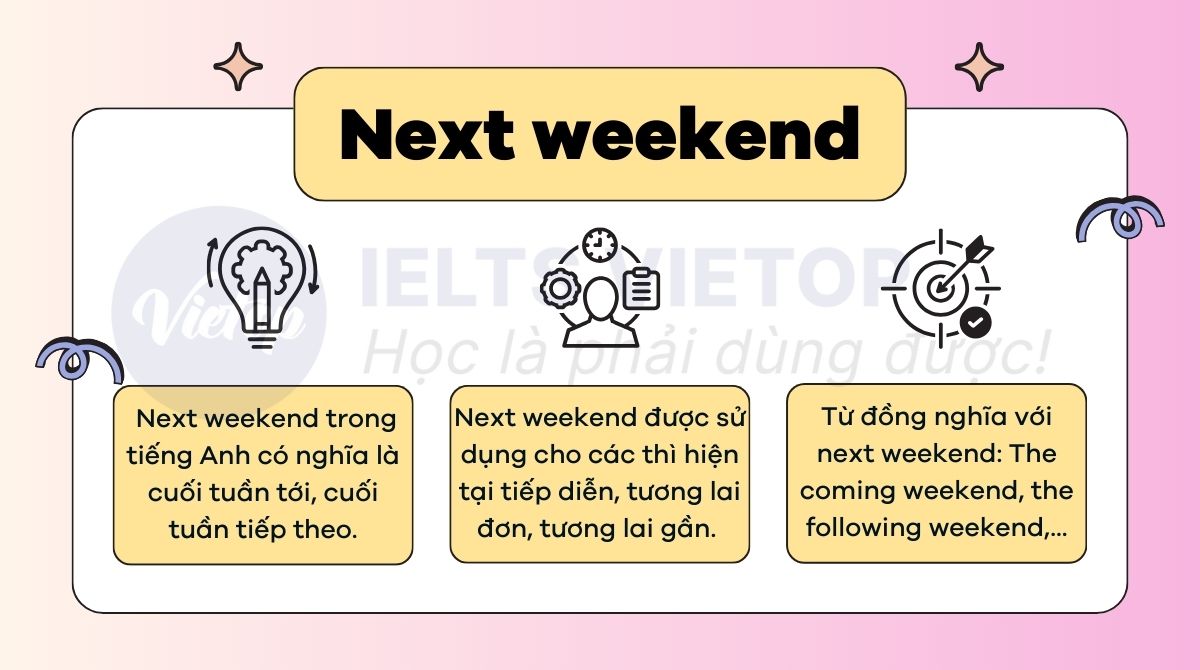
The concept of the “weekend” has long been a foundational pillar of modern society. Historically established during the Industrial Revolution as a hard-earned respite from the grueling demands of factory labor, the two-day break became the standard for the 20th-century workforce. However, as we move deeper into the 21st century, the definition of leisure is undergoing a profound transformation. We are entering the era of the “Next Weekend”—a tech-driven, hyper-personalized, and digitally integrated experience that challenges our traditional notions of time management and relaxation.
The Next Weekend is not just a chronological space between Friday and Monday; it is a technological frontier. Driven by advancements in Artificial Intelligence (AI), the Internet of Things (IoT), and spatial computing, the future of our downtime is being re-engineered to maximize fulfillment, minimize administrative friction, and bridge the gap between our physical and digital lives.
The Digital Erosion and the Rebirth of Boundaries
Before we can understand where the Next Weekend is going, we must acknowledge the current state of digital permeability. For the past two decades, the smartphone has effectively dissolved the wall between “work” and “life.” The same device used to navigate a hiking trail is the one that pings with an urgent Slack notification or a corporate email.
The Problem of Continuous Connectivity
The “Always-On” culture, powered by high-speed 5G and cloud computing, has led to a phenomenon known as “time-porosity.” Our leisure time is frequently interrupted by micro-tasks, leading to cognitive fragmentation. We are physically present in our weekend activities but digitally tethered to our professional obligations. This has created a demand for tech-based solutions that do more than just facilitate work—they must now actively protect our rest.
Tech-Enabled Boundary Setting
The Next Weekend will be characterized by “intelligent silence.” We are seeing the rise of sophisticated AI agents designed to act as digital gatekeepers. Future operating systems will likely move beyond simple “Do Not Disturb” modes to context-aware filters. These systems will use machine learning to understand the urgency of incoming data, automatically delegating non-essential tasks to an AI assistant or rescheduling notifications for Monday morning based on the user’s stress levels, which are monitored via biometric wearables.
AI-Driven Personalization: The Hyper-Curated Leisure Experience
One of the most significant shifts in the Next Weekend is the transition from “searching” for things to do to “receiving” curated experiences. In the past, planning a weekend required hours of research, booking, and logistical coordination. The Next Weekend replaces this friction with predictive analytics and generative AI.
Hyper-Personalized Itineraries
Generative AI models, integrated with real-time geolocation and personal preference data, are turning into ultimate concierge services. Instead of browsing multiple apps to find a restaurant or a hiking trail, users will interact with unified AI platforms that understand their specific mood, dietary restrictions, and energy levels.
Imagine an AI that sees you have had a high-stress week based on your calendar and sleep data. It might suggest a quiet, nature-focused weekend, automatically booking a cabin, mapping out a low-intensity trail, and ordering a specific grocery delivery to meet you there—all without a single manual search. This is the “Next Weekend” economy: a shift from choice paralysis to algorithmic serendipity.
Predictive Logistics and Smart Travel
For those who travel during their time off, the Next Weekend will be defined by seamless logistics. Integration between autonomous vehicle networks and smart city infrastructure will minimize the “travel tax”—the exhausted hours spent in traffic or navigating airports. AI-driven travel tools will monitor weather patterns, traffic flow, and even crowd density at popular landmarks in real-time, rerouting the user to ensure their leisure time remains uninterrupted by the frustrations of urban congestion.
Virtual Frontiers: The Rise of the Meta-Weekend
While physical travel remains a staple of leisure, the Next Weekend will increasingly involve the exploration of digital realms. The evolution of the Metaverse and spatial computing (led by devices like the Apple Vision Pro and Meta Quest) is creating a new category of “weekend getaways” that require no luggage and no carbon footprint.
Socializing in the Metaverse
The Next Weekend will see a surge in “phygital” social gatherings. Friends separated by thousands of miles will no longer settle for a flat Zoom call. Instead, they will meet in high-fidelity virtual environments that mimic the sensory experience of a lounge, a concert venue, or a fictional world. These experiences are becoming increasingly immersive, utilizing haptic feedback and spatial audio to create a genuine sense of “presence.” For the tech-savvy consumer, a Saturday night out might happen entirely within a VR headset, offering social complexity that rivals physical interaction.
Augmented Reality and Physical Enhancement
For those who prefer the outdoors, Augmented Reality (AR) will transform physical spaces into interactive playgrounds. The Next Weekend will feature “gamified” reality. Hikers might use AR glasses to see historical recreations of the land they are walking on, or birdwatchers might have AI-powered overlays that identify species in real-time. Tech is not replacing the physical weekend; it is adding a layer of digital information that makes the physical world more engaging and educational.
Productivity Automation: Reclaiming the 48-Hour Break
The biggest hurdle to a relaxing weekend is often the “life admin” that piles up during the week—laundry, grocery shopping, home maintenance, and financial planning. The Next Weekend leverages the smart home ecosystem to automate these chores, effectively “buying back” time for the user.
The Autonomous Home Ecosystem
The Next Weekend is supported by an invisible workforce of IoT devices. We are moving toward a state where the home manages itself. Smart refrigerators monitor inventory and trigger automated refills; robotic vacuum and mop systems maintain floor hygiene; and smart energy grids optimize the home’s temperature for maximum comfort before the occupants even wake up. When the home handles the mundane, the weekend can be dedicated entirely to high-value human experiences: creativity, connection, and rest.
Low-Code/No-Code Personal Automation
Beyond physical chores, the Next Weekend involves the automation of digital life. Low-code and no-code tools are allowing non-technical users to build personal “workflows.” A user might set up an automation that gathers all the interesting articles they saved during the week, summarizes them using an LLM (Large Language Model), and presents them as a “weekend digest.” This allows for intentional consumption rather than the mindless scrolling that characterizes much of our current downtime.
Ethical Tech and the Future of Digital Wellbeing
As we embrace these technological advancements, the Next Weekend must also address the necessity of “unplugging.” The ultimate tech-forward weekend is one where the technology knows when to get out of the way.
The Rise of Digital Detox Innovation
There is a growing market for tech that promotes “analog” experiences. We are seeing the emergence of “minimalist phones” and wearables that provide only the bare essentials, encouraging users to engage with their physical surroundings. The Next Weekend will likely see a trend toward “Tech-Light” zones—travel destinations or urban social clubs that use signal-jamming or locking pouches to ensure a completely offline experience.
Biometric Feedback and Mental Health
Wearable technology is evolving from simple step-tracking to sophisticated mental health monitoring. Future weekends will be informed by our biological data. If a wearable detects signs of burnout or high cortisol levels, it might suggest specific breathing exercises or alert the user that they have spent too much time in high-stimulation digital environments. In this sense, the Next Weekend is not just about entertainment; it is about proactive recovery.
Conclusion: Designing the Future of Rest
“What is the next weekend?” It is an evolution from a rigid, industrial time block to a fluid, tech-enhanced state of being. The Next Weekend is characterized by the intelligent application of AI to remove friction, the use of immersive technology to expand our horizons, and the deployment of automation to reclaim our most precious resource: time.
As we look forward, the challenge will not be whether the technology exists to improve our weekends, but whether we have the intentionality to use it correctly. The Next Weekend offers us the tools to be more present, more creative, and better rested. By integrating these innovations thoughtfully, we can transform the traditional two-day break into a powerful engine for personal growth and genuine rejuvenation in a high-speed digital world.
aViewFromTheCave is a participant in the Amazon Services LLC Associates Program, an affiliate advertising program designed to provide a means for sites to earn advertising fees by advertising and linking to Amazon.com. Amazon, the Amazon logo, AmazonSupply, and the AmazonSupply logo are trademarks of Amazon.com, Inc. or its affiliates. As an Amazon Associate we earn affiliate commissions from qualifying purchases.