
The concept of “New Urbanism” has traditionally been rooted in the physical layout of neighborhoods—walkable streets, mixed-use zoning, and diverse housing options. However, as we move deeper into the 21st century, the definition of New Urbanism is undergoing a radical transformation. No longer is it merely an architectural philosophy; it has evolved into a high-tech discipline. Today, New Urbanism is the intersection of software, artificial intelligence, and hardware, creating “Smart Cities” that are more efficient, sustainable, and responsive to human needs than ever before.
In this tech-centric era, New Urbanism leverages data as its primary building block. From IoT sensors that monitor air quality to AI algorithms that optimize traffic flow, technology is the invisible infrastructure supporting the modern urban experience.
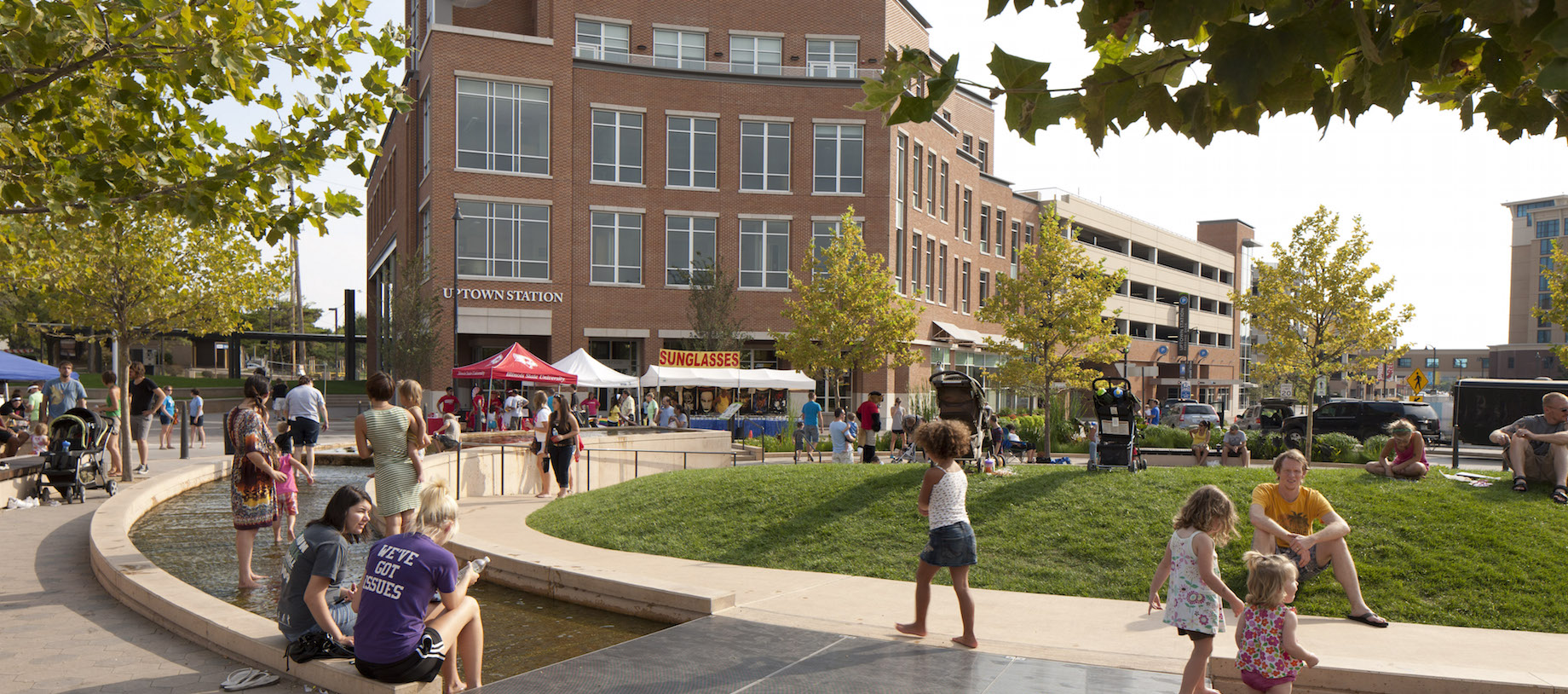
The Digital Backbone: IoT and the Sensor-Integrated City
At the heart of modern New Urbanism lies the Internet of Things (IoT). For a city to be truly “new” and “urbanist,” it must be able to listen and respond to its environment. This is achieved through a vast network of sensors integrated into the very fabric of the city—light poles, trash bins, water pipes, and pavement.
The Role of Real-Time Data Acquisition
In a traditional city, urban planning was reactive. Planners would wait for complaints or conduct surveys every decade to understand how a city was functioning. Tech-driven New Urbanism changes this by providing a continuous stream of real-time data. IoT sensors can track pedestrian density, noise levels, and localized weather patterns. This data allows city software systems to adjust services on the fly. For instance, smart streetlights can dim when no one is present, saving massive amounts of energy, or brighten when they detect a pedestrian, enhancing safety through automated software triggers.
Water and Waste Management Software
Infrastructure tech is often invisible but critical. New Urbanist developments now utilize smart water management systems that can detect microscopic leaks in a network using acoustic sensors and AI analysis. Similarly, “Smart Waste” tech uses ultrasonic sensors in bins to alert collection services only when they are full. This reduces the carbon footprint of garbage trucks and ensures that urban centers remain clean and navigable, fulfilling the New Urbanist promise of a high-quality public realm through algorithmic efficiency.
The Mobility Revolution: AI, Micro-Mobility, and Autonomous Systems
New Urbanism’s core tenet is the reduction of car dependency. In the past, this was achieved through density and zoning. Today, it is achieved through a “Mobility-as-a-Service” (MaaS) tech stack. Technology has enabled a shift away from private vehicle ownership toward a multi-modal, app-driven ecosystem.
AI-Optimized Public Transit
The “New” in New Urbanism relies heavily on AI to make public transit viable. Machine learning algorithms analyze historical and real-time transit data to predict delays and optimize routes. Modern urbanites use integrated apps that combine bus, rail, and bike-share data into a single interface. These software platforms use predictive analytics to ensure that a scooter or an e-bike is always available at a “last-mile” location when a commuter exits a train station. This seamless digital integration is what makes car-free living a practical reality rather than a theoretical ideal.
The Impact of Autonomous Micro-Mobility
As autonomous vehicle (AV) technology matures, its integration into New Urbanist designs is pivotal. We are seeing the rise of autonomous shuttles—small, electric, self-driving pods that operate on fixed or flexible loops within neighborhoods. Unlike traditional cars, these tech-driven solutions require less space for parking (a major New Urbanist goal) and can be summoned via software. By reclaiming the 30% of urban land currently dedicated to parking, technology allows for more parks, wider sidewalks, and increased housing density.
Digital Twins: Simulating the Future of Urban Living
One of the most powerful tools in the tech-urbanist toolkit is the “Digital Twin.” This is a sophisticated software replica of a physical city. By creating a 3D digital model that is updated in real-time with IoT data, planners and developers can simulate the impact of new buildings, transit lines, or climate events before a single brick is laid.
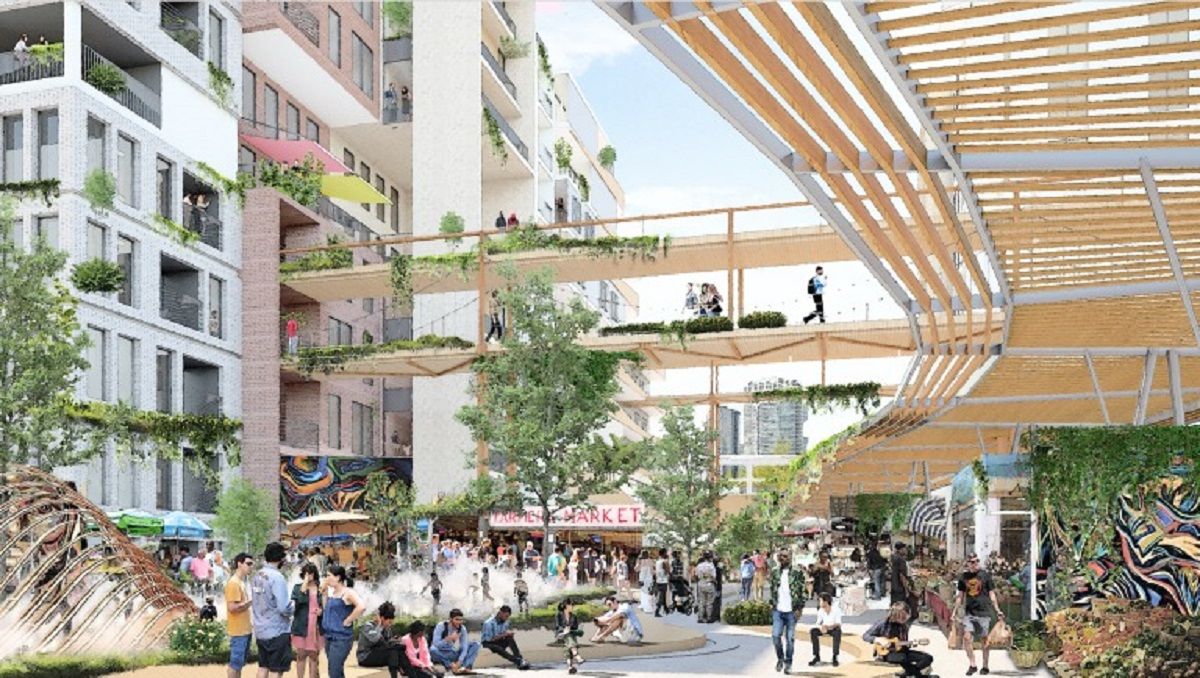
Predictive Modeling for Climate Resilience
New Urbanism emphasizes sustainability, and Digital Twin technology is the ultimate tool for climate tech. Developers can run simulations to see how a new high-rise will affect wind patterns or sunlight access for the surrounding streets. They can model flood scenarios with extreme precision, allowing for the design of “sponge city” infrastructures—areas designed to absorb and manage heavy rainfall—using data-driven landscaping. This level of software-based foresight ensures that New Urbanist communities are resilient against the volatile weather patterns of the future.
Virtual Reality and Public Participation
Traditionally, urban planning was a top-down process. Tech has democratized this through Virtual Reality (VR) and Augmented Reality (AR). Using these tools, residents can “walk” through a proposed neighborhood development using a headset or a mobile app. This immersive tech allows for immediate feedback on design elements, ensuring that the “human-centric” aspect of New Urbanism is actually dictated by the humans who will live there. It transforms urban design from a static blueprint into an iterative, software-like development cycle.
PropTech and the Evolution of Shared Spaces
The “New Urbanism” also redefines the buildings we live and work in. Property Technology, or PropTech, is changing the economic and social dynamics of urban living. In a New Urbanist community, buildings are no longer static boxes; they are platforms for service delivery and community interaction.
Smart Building Ecosystems
Modern urbanist developments utilize building management systems (BMS) that act as an “operating system” for a high-rise. These systems use AI to balance heating, cooling, and lighting based on occupancy levels. Beyond energy, these platforms often include tenant apps that facilitate the sharing economy—allowing neighbors to share tools, book communal workspaces, or organize local events. This digital layer fosters the sense of community that is central to the New Urbanist philosophy, using social tech to bridge the gap between physical proximity and actual social connection.
The Rise of the “15-Minute City” App
The “15-minute city” is a popular New Urbanist concept where everything a resident needs is within a 15-minute walk or bike ride. Technology makes this viable by providing “hyper-local” digital marketplaces. Software platforms now allow local artisans and retailers to compete with global e-commerce by providing ultra-fast, tech-enabled local delivery. By strengthening the local digital economy, these tools ensure that the mixed-use neighborhoods of New Urbanism remain economically vibrant and physically diverse.
Digital Security and Ethics in the New Urban Landscape
As New Urbanism becomes increasingly reliant on technology, the focus must shift toward the security of the digital infrastructure. A city run on software is a city that is vulnerable to cyber threats. The “New Urbanism” of the future must be as much about digital safety as it is about physical safety.
Cybersecurity for Urban Infrastructure
In a tech-integrated city, a cyberattack isn’t just a data breach—it could mean shutting down the power grid or disrupting autonomous transit systems. Therefore, the new urbanist framework must include robust digital security protocols. This includes end-to-end encryption for IoT devices and decentralized data storage (using blockchain or similar distributed ledger technologies) to ensure that city systems cannot be taken down by a single point of failure.
Privacy and Data Sovereignty
The “Smart City” model of New Urbanism collects a staggering amount of data on its citizens. A major challenge in this niche is balancing the benefits of data-driven efficiency with the right to privacy. The next generation of New Urbanist tech will likely focus on “Privacy by Design,” where data is anonymized at the source and citizens have “data sovereignty”—the ability to control what information they share with the city’s operating system. The ethics of surveillance tech and facial recognition are now at the forefront of urbanist debates, proving that technology is now the primary lens through which we view city planning.
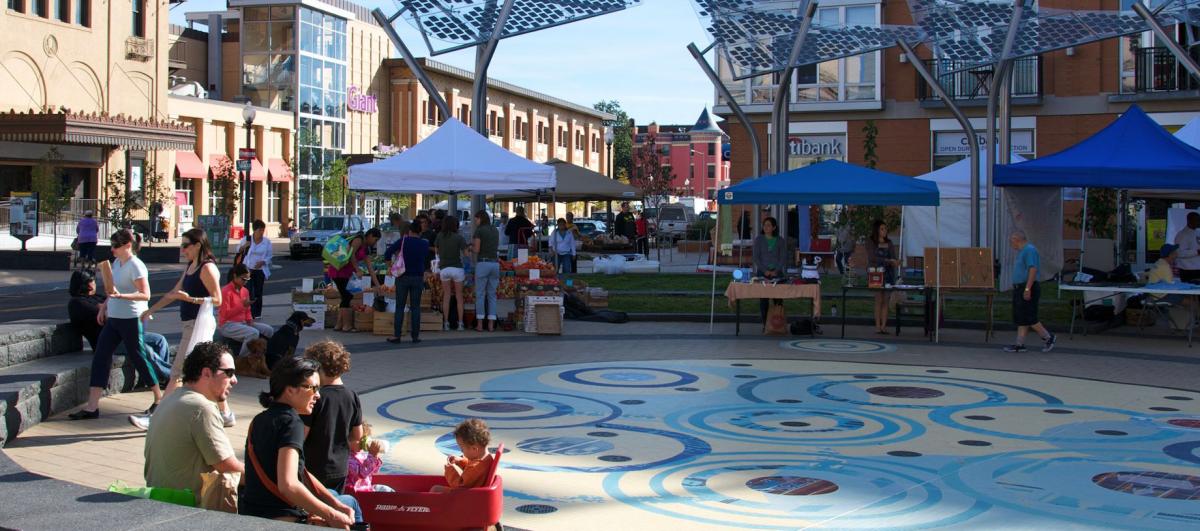
The Future of the Tech-Urban Interface
What is the New Urbanism? It is no longer just a way to build a street; it is a way to program a society. As software continues to eat the world, it is now eating the city—but in a way that aims to make it more human. By integrating AI, IoT, and PropTech, we are moving toward a version of urbanism that is infinitely adaptable, highly efficient, and deeply connected.
The success of the New Urbanism will not be measured by the beauty of the buildings alone, but by the uptime of its systems, the speed of its digital-physical transit, and the security of its data. We are entering an era where the architect and the software engineer must work hand-in-hand to build the habitats of tomorrow. In this new landscape, the city is the ultimate gadget, and the neighborhood is the ultimate app.
aViewFromTheCave is a participant in the Amazon Services LLC Associates Program, an affiliate advertising program designed to provide a means for sites to earn advertising fees by advertising and linking to Amazon.com. Amazon, the Amazon logo, AmazonSupply, and the AmazonSupply logo are trademarks of Amazon.com, Inc. or its affiliates. As an Amazon Associate we earn affiliate commissions from qualifying purchases.