
The world of refrigeration is undergoing a significant transformation, driven by the urgent need to reduce our environmental impact. For decades, refrigerants played a crucial role in everything from keeping our food fresh to enabling the comfort of air-conditioned homes and offices. However, many of the traditional refrigerants that powered these systems are now recognized as potent greenhouse gases, contributing to ozone depletion and global warming. This realization has spurred intense research and development, leading to the emergence of “new” refrigerants designed to be more sustainable and environmentally responsible. Understanding these advancements is vital for anyone involved in HVAC (Heating, Ventilation, and Air Conditioning), appliance manufacturing, or even simply as a consumer making informed purchasing decisions.

The Shifting Landscape of Refrigerant Technology
The evolution of refrigerants is not a singular event but a continuous process shaped by scientific discovery, regulatory pressures, and market demands. Historically, refrigerants have been categorized by their chemical composition and their impact on the environment. Each generation has brought improvements, but also new challenges, leading us to the current era of innovation focused on ultra-low Global Warming Potential (GWP) options.
From CFCs to HFCs: A Legacy of Environmental Concerns
The journey began with Chlorofluorocarbons (CFCs) and Hydrochlorofluorocarbons (HCFCs). These compounds, while highly effective refrigerants, were found to be major culprits in stratospheric ozone depletion. The Montreal Protocol, an international treaty signed in 1987, phased out the production and consumption of CFCs and HCFCs, marking a pivotal moment in environmental regulation.
Following the phase-out of CFCs and HCFCs, Hydrofluorocarbons (HFCs) rose to prominence. HFCs do not deplete the ozone layer, which was a significant environmental victory. However, they possess high GWPs, meaning they are powerful greenhouse gases that trap heat in the atmosphere far more effectively than carbon dioxide. Consequently, HFCs have become the focus of current environmental regulations, such as the Kigali Amendment to the Montreal Protocol, which mandates a phasedown of HFC production and consumption. This has created a significant demand for alternatives with much lower GWPs.
The Rise of HFOs and Natural Refrigerants
The current “new” refrigerants primarily fall into two broad categories: Hydrofluoroolefins (HFOs) and natural refrigerants. These alternatives are designed to significantly reduce or eliminate the environmental impact associated with previous generations.
Hydrofluoroolefins (HFOs): A New Generation of Synthetic Refrigerants
HFOs represent the latest generation of synthetic refrigerants. They are characterized by their very low GWPs, often in the single digits, compared to hundreds or thousands for many HFCs. This dramatically reduces their contribution to global warming. HFOs achieve this low GWP through their chemical structure, which includes a carbon-carbon double bond, making them more susceptible to breaking down in the atmosphere.
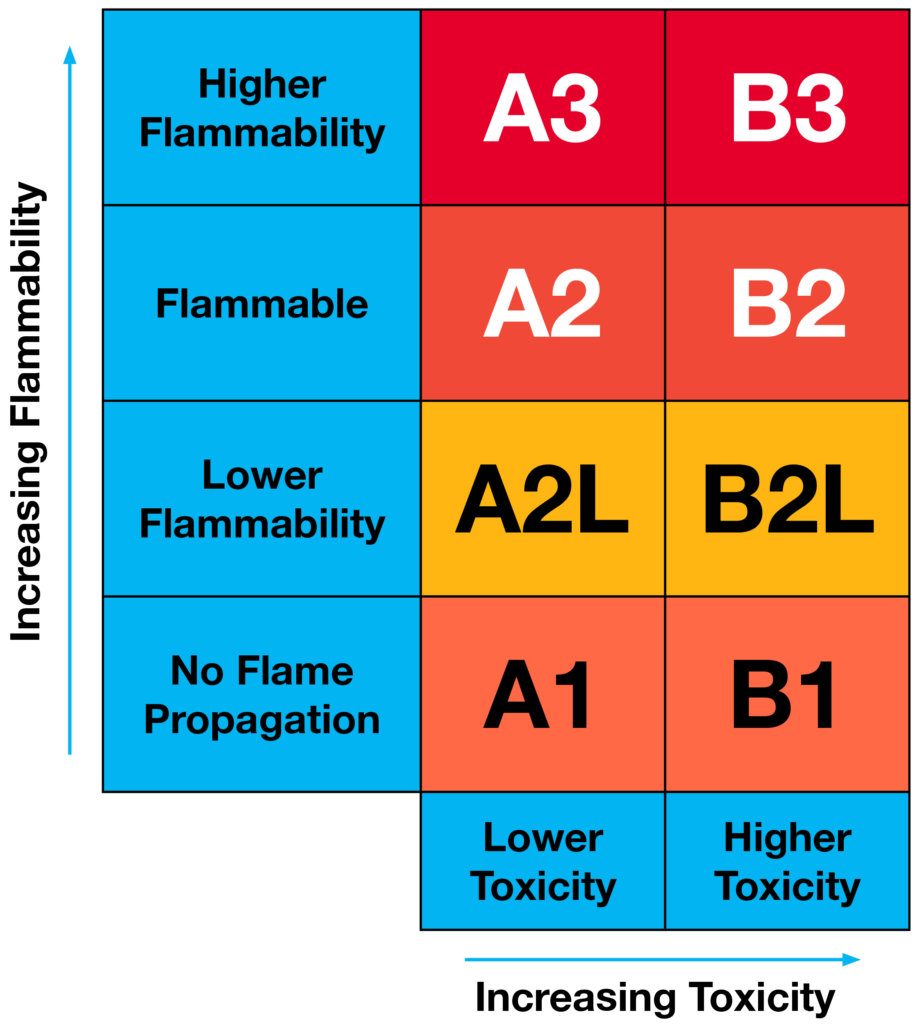
While HFOs offer excellent environmental benefits, their flammability can be a consideration. Many HFOs are classified as mildly flammable (A2L). This requires specific safety protocols, system designs, and technician training. However, advancements in blending HFOs with other refrigerants have also led to the development of non-flammable or very low flammability options that still boast significantly reduced GWPs compared to HFCs.
Natural Refrigerants: Time-Tested Solutions Reimagined
Natural refrigerants are substances that occur naturally in the environment and have been used for refrigeration purposes for a long time, even before the advent of synthetic refrigerants. They are favored for their zero ODP (Ozone Depletion Potential) and very low GWP. The most prominent natural refrigerants include:
- Hydrocarbons (HCs): Propane (R-290) and isobutane (R-600a) are widely used in domestic refrigerators and freezers, as well as in some commercial applications. They have very low GWPs (around 3) and are excellent refrigerants in terms of energy efficiency. However, their high flammability requires stringent safety measures and limits their charge size in certain applications.
- Carbon Dioxide (CO2) (R-744): CO2 has a GWP of 1 and is non-flammable and non-toxic, making it an attractive option. Its primary challenge lies in its high operating pressures, which necessitate specialized, robust equipment and design. CO2 systems are increasingly being adopted in commercial refrigeration and supermarket applications.
- Ammonia (NH3) (R-717): Ammonia is a highly efficient refrigerant with a GWP of 0 and ODP of 0. It has been a workhorse in large industrial refrigeration systems for decades. However, ammonia is toxic and has a pungent odor, meaning it is typically used in systems where leaks can be contained and in environments with appropriate safety precautions and ventilation. It is generally not suitable for residential or smaller commercial applications.
- Water (H2O) (R-718): Water is the ultimate natural refrigerant – zero GWP, zero ODP, non-toxic, and non-flammable. While it has been used historically in very specific large-scale applications (like absorption chillers), its thermodynamic properties limit its widespread use in typical air conditioning and refrigeration systems due to the high pressures required at ambient temperatures.
The Impact on the HVAC Industry and Beyond
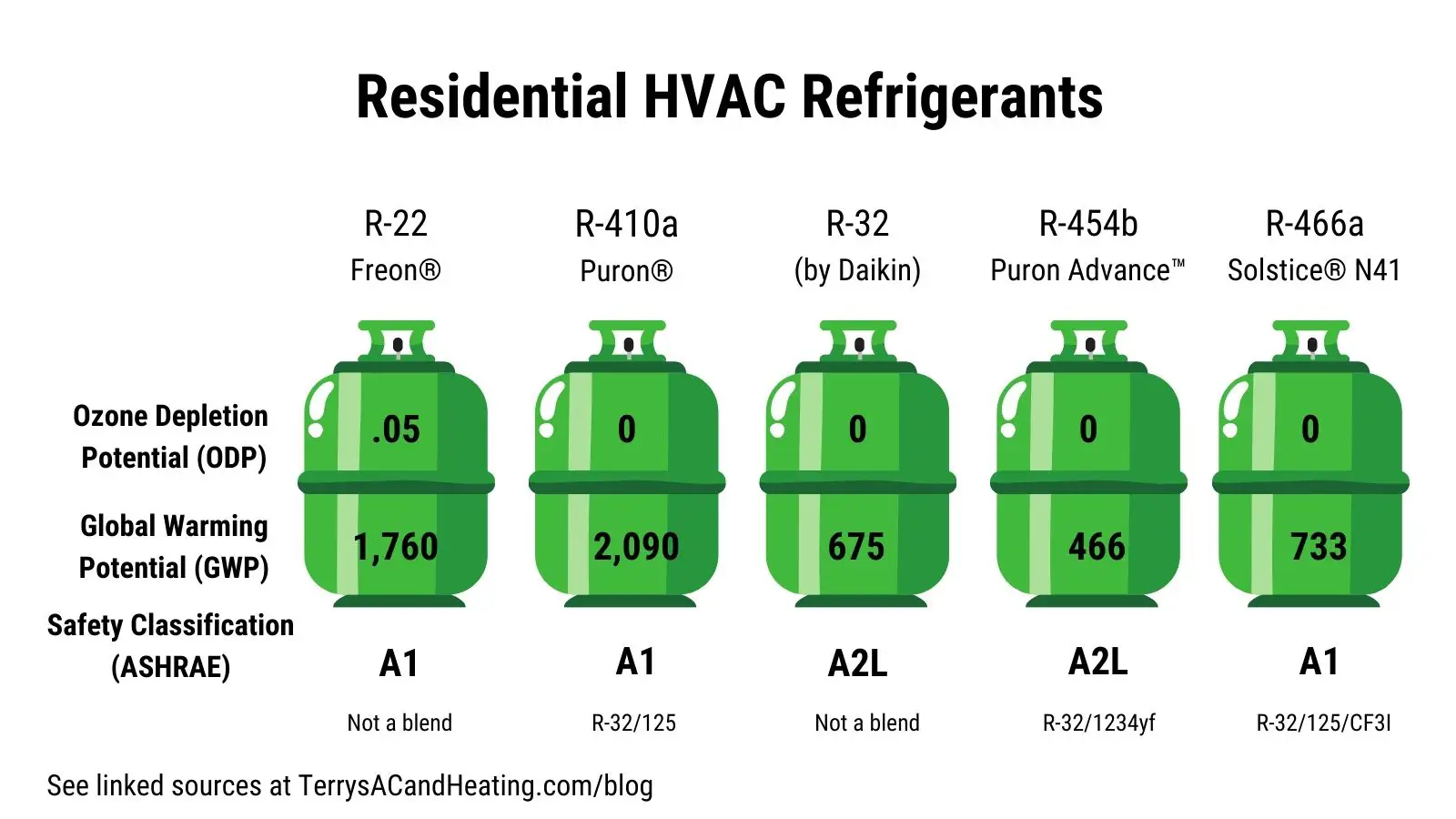
The transition to new refrigerants has profound implications across various sectors, from manufacturing and installation to maintenance and end-of-life disposal. The industry is actively adapting to these changes, investing in new equipment, training personnel, and revising established practices.
Regulatory Drivers and Market Demand
The shift is largely driven by global regulations. The Kigali Amendment to the Montreal Protocol, in particular, sets a clear timeline for the phasedown of HFCs. This has created a powerful market incentive for manufacturers to develop and adopt lower-GWP alternatives. Consumers are also becoming more environmentally conscious, influencing purchasing decisions and creating demand for “greener” appliances and HVAC systems.
System Design and Equipment Modifications
Implementing new refrigerants often requires significant modifications to system design and equipment. For instance, HFOs with mild flammability (A2L) necessitate enhanced safety features, such as leak detection sensors, improved ventilation, and specific installation guidelines. CO2 systems require components that can withstand very high operating pressures. Equipment manufacturers are investing heavily in research and development to create new lines of compressors, heat exchangers, and control systems compatible with these emerging refrigerants.
Technician Training and Certification
A crucial aspect of this transition is ensuring that HVAC technicians are adequately trained and certified to handle the new refrigerants. Working with flammable or high-pressure refrigerants requires specialized knowledge and adherence to new safety protocols. Training programs are evolving to cover the properties, handling, and safety procedures for HFOs, hydrocarbons, and CO2. This is not just about compliance; it’s about ensuring the safety of technicians, the public, and the integrity of the systems they maintain.
Challenges and Opportunities in the Refrigerant Transition
While the move towards more sustainable refrigerants is a positive step, it’s not without its hurdles. Navigating these challenges will be key to a successful and efficient transition.
Cost Considerations and Availability
The initial cost of newer refrigerants and the equipment designed to use them can sometimes be higher than legacy systems. This is often due to the research and development investment, smaller production volumes for niche refrigerants, and the need for more sophisticated manufacturing processes. As demand grows and production scales up, costs are expected to decrease. Ensuring a reliable and consistent global supply chain for these new refrigerants is also an ongoing effort.
Performance and Efficiency Considerations
While many new refrigerants offer comparable or even improved energy efficiency, there can be trade-offs. For example, some natural refrigerants might require larger heat exchangers or different operating strategies to achieve optimal performance. Engineers are continuously optimizing system designs to maximize efficiency and minimize energy consumption, regardless of the refrigerant used. The goal is not just environmental sustainability but also operational cost savings for the end-user.
The Future of Refrigerant Innovation
The quest for the perfect refrigerant continues. Research is ongoing into new chemical compounds and further optimization of existing natural refrigerants. The focus remains on achieving zero or near-zero GWP, excellent energy efficiency, inherent safety (low or no flammability, non-toxicity), and cost-effectiveness. Hybrid refrigerants, which blend different compounds to achieve a balance of desirable properties, are also a promising area of development.
The evolution of refrigerants represents a significant technological shift with far-reaching environmental and economic implications. As the world moves away from high-GWP HFCs, understanding the characteristics and applications of new refrigerants like HFOs and natural refrigerants is essential for industry professionals and informed consumers alike. This transition, while complex, offers a path towards a more sustainable future, where essential cooling technologies can coexist with a healthy planet.
aViewFromTheCave is a participant in the Amazon Services LLC Associates Program, an affiliate advertising program designed to provide a means for sites to earn advertising fees by advertising and linking to Amazon.com. Amazon, the Amazon logo, AmazonSupply, and the AmazonSupply logo are trademarks of Amazon.com, Inc. or its affiliates. As an Amazon Associate we earn affiliate commissions from qualifying purchases.