
The evolution of wearable technology has reached a pivotal milestone with the release of the latest Apple Watch lineup. Since its inception a decade ago, the Apple Watch has transitioned from a niche luxury accessory to an essential piece of personal technology that sits at the intersection of health, communication, and productivity. With the introduction of the Apple Watch Series 10 and the updated Ultra 2, Apple has pushed the boundaries of engineering, materials science, and software integration. This article explores the technical nuances, hardware breakthroughs, and software innovations that define the new Apple Watch ecosystem, providing a deep dive into why these devices represent the current pinnacle of wearable tech.
Hardware Innovations: Redesigning the Wrist Experience
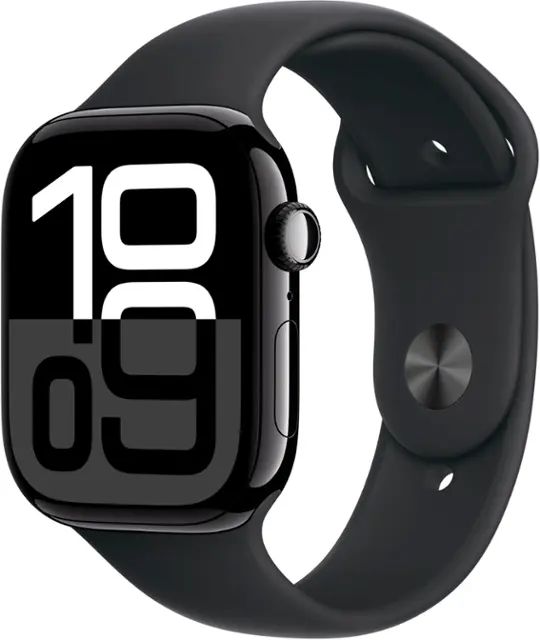
The Apple Watch Series 10 represents the most significant physical transformation the device has seen in years. Rather than merely iterating on the previous generation, Apple’s engineers focused on two primary hardware goals: making the watch thinner and making the display more functional.
The Thinnest Profile and Largest Display Yet
The Series 10 is nearly 10% thinner than its predecessors, a feat achieved by miniaturizing internal components and redesigning the speaker system. Despite this reduction in volume, the display area has increased. The new model features the largest screen ever on an Apple Watch—even slightly surpassing the screen real estate of the Ultra series.
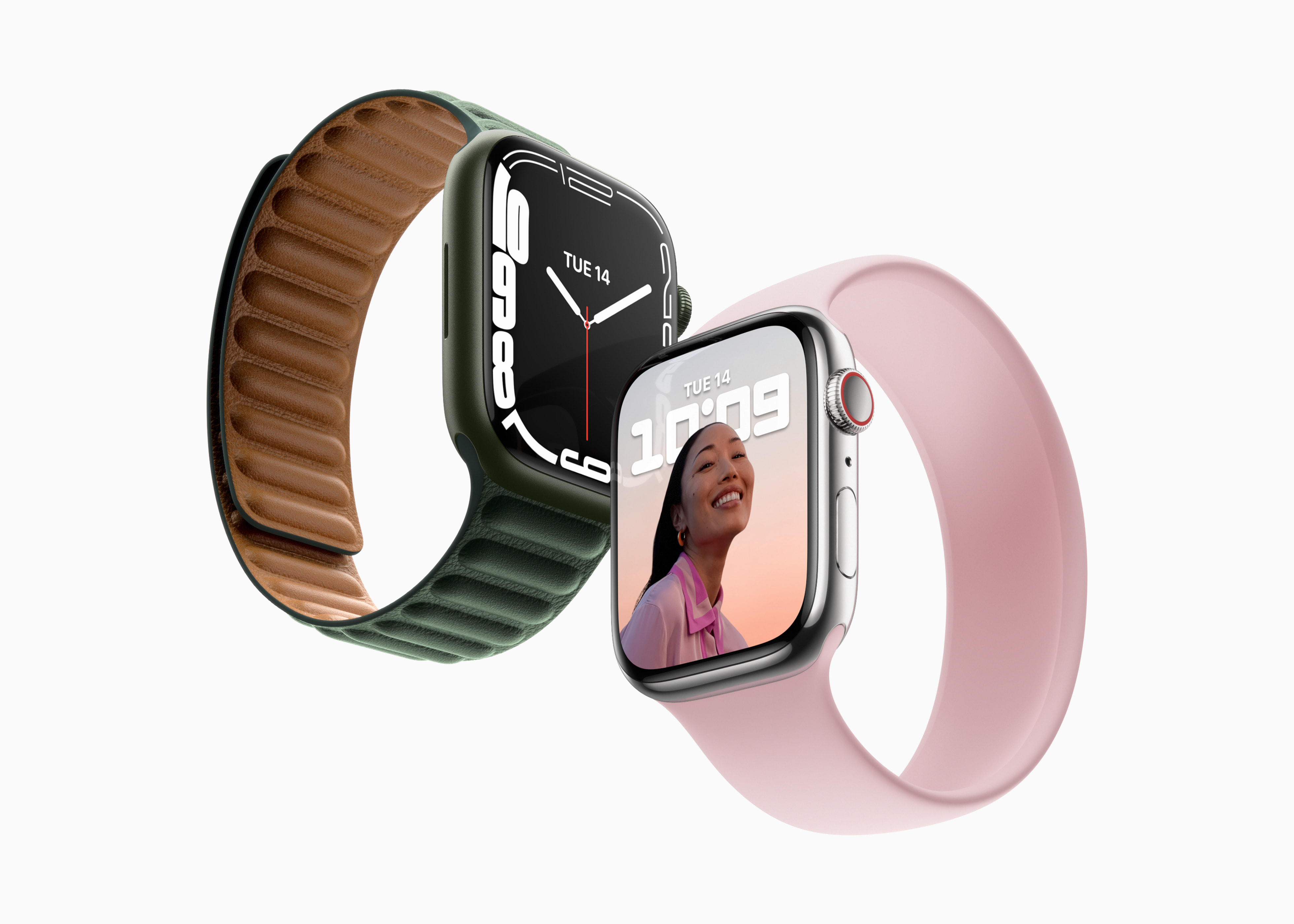
More importantly, the Series 10 introduces the first-ever Wide-Angle OLED display in a wearable. Traditional OLEDs lose brightness when viewed from an angle, but this new panel is up to 40% brighter when viewed off-axis. This is not just an aesthetic upgrade; it significantly improves legibility during workouts or when glancing at the wrist while typing. The display is also more power-efficient, allowing the “Always-On” feature to refresh once per second instead of once per minute, enabling a visible ticking second hand even in low-power mode.
Material Science: From Aluminum to Grade 5 Titanium
In a shift toward premium durability, Apple has replaced the stainless steel option with aerospace-grade polished titanium. Grade 5 titanium offers a superior strength-to-weight ratio, making the Series 10 almost 20% lighter than the previous stainless steel models. For users who prefer the classic look, the aluminum models now feature a “Jet Black” finish achieved through a multi-stage polishing and anodization process, giving the metal a mirror-like sheen previously reserved for glass.
Processing Power: The S10 SiP and Neural Engine
Under the hood, the Apple Watch Series 10 is powered by the S10 System in Package (SiP). While raw speed is always a factor, the real story lies in the 4-core Neural Engine. This dedicated AI hardware enables on-device Siri processing, which means commands like starting a workout or logging health data happen instantly without needing a round-trip to the cloud. It also powers the “Double Tap” gesture and enhanced noise suppression, which uses machine learning to isolate the user’s voice from background wind or traffic during calls.
Advanced Health and Wellness Sensors
The core value proposition of the Apple Watch has increasingly shifted toward becoming a proactive health monitor. The new hardware and software work in tandem to turn complex biological data into actionable insights.
Sleep Apnea Detection and Breath Tracking
One of the most significant technical additions to the new Apple Watch is the ability to detect signs of sleep apnea. Utilizing the accelerometer, the watch monitors a new metric called “Breathing Disturbances” while the user sleeps. Every 30 days, the device analyzes this data to identify patterns consistent with moderate to severe sleep apnea. This is a massive leap in preventative tech, as the majority of sleep apnea sufferers are currently undiagnosed. By using high-frequency motion sensing rather than a traditional pulse oximeter for this specific detection, Apple has bypassed certain power constraints while maintaining clinical-level accuracy.
The Vitals App: Contextualizing Biometrics
For years, the Apple Watch has collected heart rate, respiratory rate, and wrist temperature. However, the new “Vitals” app in watchOS 11 provides a centralized dashboard to help users understand these metrics. Instead of just showing numbers, the app establishes a personal baseline and alerts the user when multiple metrics fall outside their typical range. This “tech-first” approach to wellness allows users to see the immediate physiological impact of factors like alcohol consumption, illness, or overtraining.
Tides and Depth: Expanding into the Aquatic
The Series 10 has inherited several “pro” features from the Ultra line. It now includes a built-in depth gauge and water temperature sensor. The new Tides app provides seven days of forecasted tide data for coastlines worldwide, including high and low tides, sunrise, and sunset. This integration of environmental sensors demonstrates Apple’s commitment to making the watch a specialized tool for swimmers, snorkelers, and surfers, not just casual gym-goers.
Software Evolution: watchOS 11 and Intelligence
Hardware is only as good as the software that drives it. With watchOS 11, the Apple Watch becomes more autonomous and intelligent, utilizing machine learning to reduce “notification fatigue” and enhance utility.
Training Load and Performance Tracking
For athletes, the new Training Load feature is a game-changer. It uses a sophisticated algorithm to measure how the intensity and duration of workouts impact the body over time. By comparing a user’s 7-day “strain” to their 28-day average, the watch can tell the user if they are overtraining or if they have room to push harder. This removes the guesswork from fitness and provides a level of data analysis previously only available in high-end specialized sports watches.
The Smart Stack and Live Activities
The “Smart Stack”—the widget UI accessed by turning the Digital Crown—is now powered by machine learning. It uses time, location, and routine to predict which widget the user needs. If rain is approaching, the weather widget appears; if a flight is upcoming, the boarding pass appears. Furthermore, Live Activities from the iPhone are now mirrored on the watch, allowing users to track a food delivery or a sports score in real-time directly from the watch face without opening an app.
Translation and Communication
The new Apple Watch now includes the Translate app directly on the wrist. Using the S10 chip’s neural engine, it can perform speech-to-text translation for 20 languages offline. This is particularly useful for travelers who may not have cellular data in a foreign country. Coupled with the improved speaker, which can now play media directly (music and podcasts) without headphones, the watch is becoming more independent of the iPhone.
The Specialized Segment: Apple Watch Ultra 2 Enhancements
While the Series 10 focuses on elegance and daily utility, the Apple Watch Ultra 2 remains the choice for extreme environments. While the internal specs were updated last year, new technical refinements and a new “Satin Black” finish have reinforced its position as the ultimate rugged wearable.
Professional Navigation and GPS Accuracy
The Ultra 2 continues to lead the industry with dual-frequency (L1 and L5) GPS. This technology is critical for athletes in urban environments with tall buildings or hikers in dense forest cover where standard GPS signals bounce and fail. The watch uses advanced satellite signal processing to provide the most accurate distance, pace, and route maps in the industry.
The Action Button and Modular Customization
A key hardware feature of the Ultra 2 is the customizable Action Button. Technologically, this allows for “intent-based” computing. A runner can set it to start a workout instantly, while a diver can set it to mark a waypoint. In the new update, the Action Button can be programmed to switch functions on the fly—long-pressing can trigger a menu of secondary shortcuts, making it a highly versatile tool for power users.
Oceanic+ and the Diving Computer
The Ultra 2 isn’t just water-resistant; it is a certified diving computer (EN13319). Through the Oceanic+ app, the watch provides real-time decompression limits, ascent rates, and safety stops. The hardware’s ability to withstand pressures up to 40 meters while maintaining touch-screen and button functionality is a testament to the high-end mechanical engineering involved in its construction.
Conclusion: The Apple Watch as the Ultimate Tech Hub
The new Apple Watch—across both the Series 10 and Ultra 2—represents a shift from “accessory” to “essential technology.” By integrating advanced sensors, carbon-neutral manufacturing processes, and highly efficient silicon, Apple has created a device that manages to be both a medical-grade monitor and a high-performance computer.
The Series 10, with its groundbreaking Wide-Angle OLED and ultra-thin titanium chassis, sets a new standard for how much technology can be packed into a millimeter-thin device. Meanwhile, the Ultra 2 remains the benchmark for durability and precision navigation. As software like watchOS 11 continues to leverage the on-device AI capabilities of the S-series chips, the Apple Watch is no longer just a companion to the iPhone—it is an autonomous, intelligent hub that sits at the center of the modern digital life. For anyone looking to understand the current state of technology, one need look no further than the wrist.
aViewFromTheCave is a participant in the Amazon Services LLC Associates Program, an affiliate advertising program designed to provide a means for sites to earn advertising fees by advertising and linking to Amazon.com. Amazon, the Amazon logo, AmazonSupply, and the AmazonSupply logo are trademarks of Amazon.com, Inc. or its affiliates. As an Amazon Associate we earn affiliate commissions from qualifying purchases.