
In the vast landscape of education, the Grade Point Average (GPA) stands as a ubiquitous, often scrutinized, metric. It’s a numerical summary of a student’s academic performance, condensed into a single figure that can feel both empowering and daunting. But what does the “national average GPA” truly signify, and why should it matter beyond the confines of academic transcripts? This article delves into the nuances of the national average GPA, dissecting its relevance not just as a benchmark of scholastic achievement, but more critically, as a pivotal determinant in an individual’s financial trajectory. From unlocking scholarships to shaping career opportunities and influencing lifetime earnings, understanding GPA through a financial lens reveals its profound impact on personal finance and the return on educational investment.
The Significance of GPA Beyond Report Cards
At its core, GPA is designed to provide a standardized measure of academic success. Typically calculated on a 4.0 scale, where an ‘A’ is 4 points, a ‘B’ is 3, and so on, it aggregates performance across all courses taken over a specific period. While seemingly straightforward, its implications are far-reaching, extending well beyond a mere reflection of classroom effort.
A Key Indicator of Academic Achievement
For students, parents, and educational institutions alike, GPA serves as a primary indicator of academic achievement. It quantifies mastery of subject matter, diligence, and the ability to meet academic challenges. In high school, it’s a crucial component for college admissions; in college, it’s a gateway to graduate programs and specialized fields. While some argue for a more holistic evaluation, GPA remains a universally accepted metric, providing a concise snapshot of a student’s academic standing. Its calculation varies slightly between institutions (e.g., weighted vs. unweighted), but the underlying purpose to objectively measure academic prowess remains consistent.
More Than Just a Number: Future Pathways
Beyond its role as a grade aggregator, GPA functions as a powerful gatekeeper and key-holder for future pathways. A high GPA can unlock doors to prestigious universities, competitive internships, and advanced degree programs. Conversely, a lower GPA can limit options, necessitating alternative routes or additional efforts to compensate. This impact isn’t merely academic; it directly influences access to financial aid, career opportunities, and ultimately, the financial resources available throughout one’s life. Recognizing GPA as a tool that shapes these pathways is the first step in appreciating its broader financial significance.
The Financial Ripple Effect of GPA: Scholarships and Aid
One of the most immediate and tangible financial impacts of GPA is its direct correlation with educational funding. In an era of escalating tuition costs, the ability to secure financial assistance can dramatically alter an individual’s economic burden and future financial health.
Unlocking Scholarship Opportunities
A strong GPA is arguably the single most important factor in qualifying for academic scholarships. These merit-based awards, offered by universities, private organizations, and foundations, can range from partial tuition waivers to full-ride opportunities, significantly reducing or even eliminating the need for student loans. For example, many institutional scholarships require a minimum GPA, often 3.0 or higher, with more generous awards reserved for students with GPAs closer to a perfect 4.0. Proactive maintenance of a high GPA throughout high school and college, therefore, becomes a strategic financial move, an investment in academic excellence that yields substantial monetary returns by offsetting educational expenses.
Impact on Financial Aid Eligibility
Beyond scholarships, GPA can also influence eligibility for various forms of financial aid, including grants. While many federal grants (like the Pell Grant) are primarily need-based, institutions may factor in academic performance when distributing their own grant funds. Furthermore, students receiving federal student aid are often required to maintain Satisfactory Academic Progress (SAP), which includes a minimum GPA standard (typically 2.0 or 2.5). Falling below this threshold can result in the loss of financial aid eligibility, forcing students to either pay out-of-pocket, take out more expensive private loans, or even drop out. Thus, GPA isn’t just about earning extra money; it’s about preserving existing financial support essential for completing an education.
Mitigating Student Loan Debt
The inverse relationship between a strong GPA and student loan debt is profound. By increasing access to scholarships and grants, a high GPA directly reduces the reliance on loans. Every dollar awarded in scholarship or grant money is a dollar not borrowed, translating into less debt to repay upon graduation. Given that student loan debt is a significant financial burden for millions, influencing credit scores, purchasing power, and even retirement planning, minimizing this burden through academic achievement represents a sound personal finance strategy. Investing effort into maintaining a good GPA is, in essence, investing in a healthier post-graduation financial outlook.
GPA’s Role in Career Trajectory and Earning Potential
The financial implications of GPA extend far beyond the direct costs of education, permeating into an individual’s career prospects and long-term earning capacity. Employers and graduate schools often view GPA as a reliable proxy for diligence, intelligence, and a strong work ethic.

Entry-Level Job Market Competitiveness
For recent graduates entering the job market, especially in competitive fields like finance, engineering, or consulting, GPA frequently serves as an initial screening tool. Many companies set a minimum GPA requirement (e.g., 3.0 or 3.5) for entry-level positions, particularly for campus recruitment programs. While experience and soft skills gain prominence later in a career, a strong GPA can be the differentiator that secures an interview or a job offer straight out of college. It signals to prospective employers a candidate’s ability to learn quickly, maintain high standards, and succeed in a structured environment – qualities highly valued in professional settings.
Graduate School Admissions and Funding
Pursuing a master’s degree, Ph.D., or professional degree (e.g., JD, MD) often leads to higher earning potential and specialized career paths. GPA is a cornerstone of the application process for these advanced programs. Top-tier graduate schools typically demand exceptionally high undergraduate GPAs, often coupled with strong standardized test scores and letters of recommendation. Furthermore, academic performance is critical for securing graduate assistantships, fellowships, and research grants, which provide stipends and tuition waivers, enabling students to pursue advanced studies with less financial strain. Without a competitive GPA, the doors to these financially advantageous academic and career paths may remain closed.
Long-Term Income Projections and Return on Investment (ROI)
While GPA’s direct influence might wane as a career progresses and work experience accumulates, studies consistently suggest a correlation between higher academic achievement and increased lifetime earnings. Graduates with higher GPAs often secure better initial job placements, which can set a higher baseline for salary progression throughout their careers. This is not just about starting salary but about the cumulative effect of better opportunities, faster promotions, and greater access to high-earning sectors. Viewing education as an investment, a strong GPA enhances its Return on Investment (ROI) by maximizing financial benefits over the long term, making the years spent in study a more financially astute decision.
Understanding the “National Average GPA” and Its Context
Given the profound financial implications, understanding what constitutes a “national average GPA” provides a useful, albeit generalized, benchmark. It’s important to contextualize this figure, as it varies significantly by educational level, institution type, and even specific majors.
Data & Demographics: What the Averages Tell Us
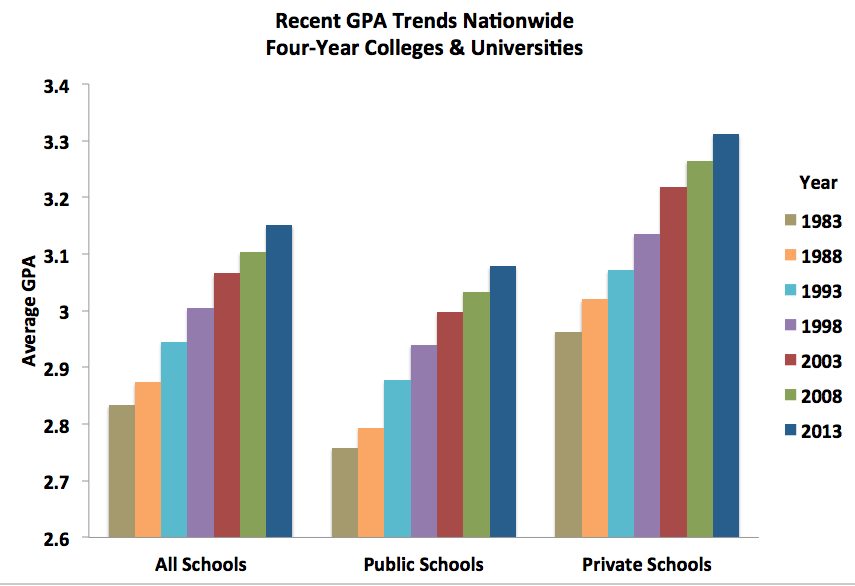
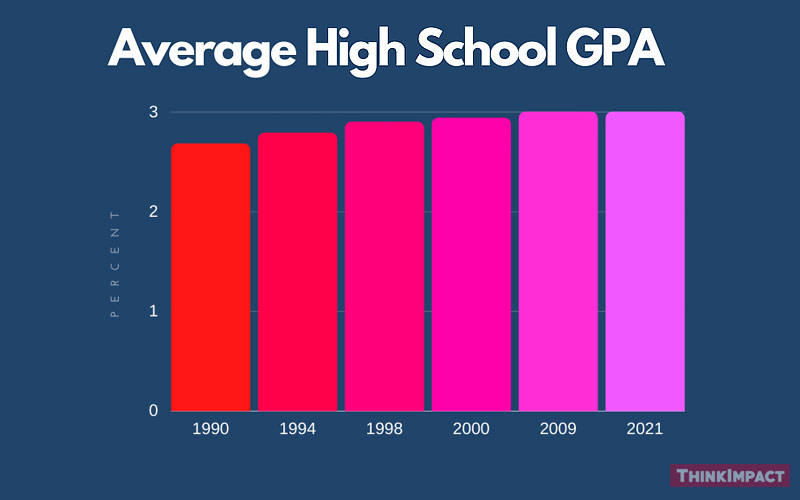
While precise, real-time national average GPA data can fluctuate, general trends indicate that the average high school GPA hovers around a 3.0 on an unweighted 4.0 scale. In college, the national average for undergraduate students typically ranges from 3.0 to 3.2. However, these figures are broad averages. For instance, GPAs in STEM fields might statistically be slightly lower than those in humanities, due to perceived differences in grading stringency. Similarly, students at highly selective universities might have higher average GPAs due to the academic rigor of their peer group. Understanding these nuances helps temper expectations and provides a more realistic perspective when benchmarking one’s own academic standing.
The “GPA Inflation” Debate
It’s also worth acknowledging the ongoing debate surrounding “grade inflation.” Some educators and researchers argue that average GPAs have steadily risen over the past few decades without a corresponding increase in student learning or academic rigor. This phenomenon, if true, could affect the perceived value of an “average” GPA, potentially requiring students to aim even higher to stand out. From a financial perspective, if inflation makes higher grades less distinctive, students might need to pair their GPA with other achievements (internships, extracurriculars, leadership roles) to secure the same financial advantages, such as top scholarships or competitive job offers.
Benchmarking Your Academic and Financial Future
While the national average GPA offers a point of reference, its primary utility lies in informing individual strategic planning rather than serving as a definitive goal. For an aspiring medical student, a 3.0 national average is irrelevant if top medical schools expect a 3.7 or higher. For a student seeking a specific scholarship, the average GPA of past recipients is a more valuable benchmark. Individuals should use national averages as a general guide, but focus their efforts on meeting the specific academic thresholds required for their desired financial outcomes, whether that’s minimizing student debt, gaining admission to a particular graduate program, or securing a high-paying entry-level job.
Strategies for Optimizing GPA and Financial Outcomes
Recognizing the deep connection between academic performance and financial well-being empowers students to adopt proactive strategies that leverage their GPA for maximum financial benefit.
Academic Excellence as a Financial Strategy
Improving GPA is not merely an academic pursuit; it’s a strategic financial decision. Practical steps include:
- Effective Study Habits: Time management, active learning, regular review, and seeking help when needed are fundamental.
- Strategic Course Selection: Balancing challenging courses with those that align with strengths to maintain a competitive GPA.
- Utilizing Academic Resources: Taking advantage of tutoring services, writing centers, and professor office hours.
- Understanding Grading Criteria: Clarifying expectations from instructors to maximize points on assignments and exams.
Each effort invested in academic excellence can translate into tangible financial gains, reducing costs and enhancing future income.
Leveraging Academic Success for Financial Advantage
Beyond simply achieving a high GPA, knowing how to effectively showcase it is crucial for financial gain. This involves:
- Targeted Scholarship Applications: Identifying scholarships that specifically reward high academic achievement.
- Highlighting GPA on Resumes and Applications: Strategically placing GPA (especially if 3.0 or higher) on professional documents, particularly for entry-level roles and graduate school.
- Networking and Mentorship: Using academic success as a talking point to connect with professionals who can offer internships, job leads, or references.
A strong GPA is an asset; understanding how to market that asset can significantly improve financial prospects.
Holistic Financial Planning for Education
Ultimately, GPA is one critical component within a larger framework of educational and financial planning. While striving for academic excellence is vital, it should be integrated with other financial considerations:
- Budgeting: Managing educational expenses, living costs, and discretionary spending.
- Student Loan Management: Understanding loan terms, interest rates, and repayment strategies if borrowing is necessary.
- Career Planning: Researching career paths, salary expectations, and required qualifications early on to align academic pursuits with financial goals.
By combining strong academic performance with comprehensive financial literacy and strategic planning, individuals can maximize the financial return on their educational investment, paving the way for a secure and prosperous future.