
In the fast-paced world of global finance, few names carry as much weight or evoke as much imagery of innovation and wealth creation as the Nasdaq. Whether you are watching the evening news or scrolling through a financial app, the “Nasdaq” is constantly cited alongside the Dow Jones Industrial Average and the S&P 500 as a primary pulse-check for the economy. However, for many retail investors, the term remains a bit of a monolith. Is it a building? A list of companies? A piece of software?
To master your personal finances and build a robust investment strategy, you must understand exactly what the Nasdaq is, how it functions, and why it has become the definitive benchmark for the 21st-century economy.

The Dual Nature of Nasdaq: Exchange vs. Index
One of the most common points of confusion for those new to investing is the distinction between the Nasdaq as a marketplace and the Nasdaq as a statistical measure. In the world of money, the term “Nasdaq” is actually used to describe two different but related entities.
The Nasdaq Stock Market (The Exchange)
Founded in 1971 by the National Association of Securities Dealers (NASD), the Nasdaq Stock Market was a pioneer. It was the world’s first electronic stock market. Unlike the New York Stock Exchange (NYSE), which for centuries relied on a physical trading floor with shouting floor traders and hand signals, the Nasdaq was built on a computer-based system.
Today, it is the second-largest stock exchange in the world by market capitalization, trailing only the NYSE. It is the listing home for over 3,000 companies, including many of the world’s most influential “Big Tech” firms. When a company “lists on the Nasdaq,” it means they have chosen this specific electronic venue to facilitate the buying and selling of their shares.
The Nasdaq Composite Index
When news anchors say, “The Nasdaq was up 2% today,” they are usually referring to the Nasdaq Composite Index. This is a market-capitalization-weighted index that includes almost all the stocks listed on the Nasdaq Stock Market. Because the exchange is heavily populated by technology, biotechnology, and growth-oriented companies, the Composite Index is widely viewed as a barometer for the health of the tech sector and the “new economy.”
The Nasdaq-100: The Powerhouse Index
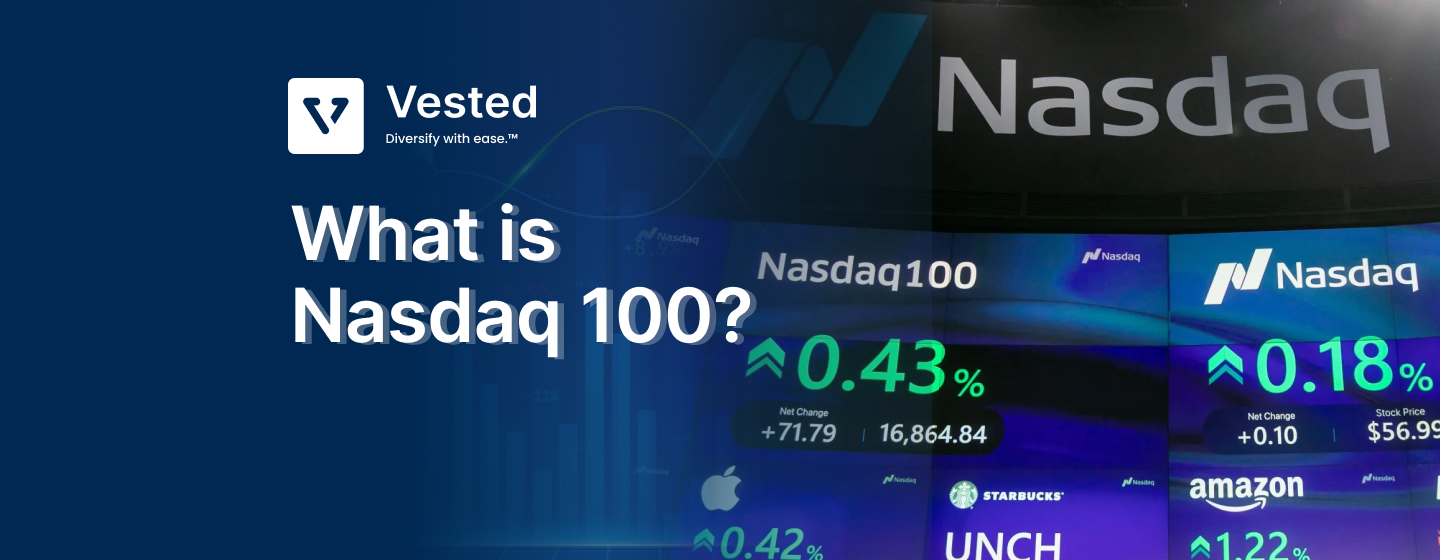
For many investors, the Nasdaq-100 is even more significant than the Composite. This index consists of the 100 largest non-financial companies listed on the Nasdaq exchange. It includes global giants across various industries, from retail (Amazon) and telecommunications to biotechnology and computer hardware. Because it excludes banks and financial institutions, it serves as a concentrated look at innovation-led growth.
How the Nasdaq Works: The Mechanics of Electronic Trading
To navigate the markets effectively, an investor must understand the “plumbing” of the exchange. The Nasdaq operates differently than traditional “auction” markets, and these differences impact how your trades are executed and how prices are determined.
The Dealer Market Model
The Nasdaq is a “dealer market.” In a dealer market, market makers (large financial institutions) hold an inventory of specific stocks. When you want to buy a share of a Nasdaq-listed company, you are technically buying it from a market maker at their “ask” price. When you sell, you sell it to them at their “bid” price.
This system was designed to ensure liquidity—the ability to buy or sell a stock quickly without causing a massive price swing. Even in volatile markets, these dealers are obligated to maintain a fair and orderly market, which provides a level of security for the individual investor’s capital.
Listing Requirements and Tiers
Not every company can list on the Nasdaq. The exchange maintains strict financial and liquidity requirements. To protect the integrity of the market and the safety of investors, the Nasdaq categorizes its listed companies into three distinct tiers:
- The Global Select Market: This tier has the most stringent requirements regarding financial health and liquidity. It represents the “blue chip” companies of the electronic age.
- The Global Market: A mid-tier category for companies with a significant international presence and solid financial footing.
- The Capital Market: Formerly known as the “SmallCap” market, this tier is for smaller companies with lower market caps that are still in their early growth phases.
Technology and Execution Speed
Because it was born in the digital age, the Nasdaq has always prioritized speed and transparency. Its trading platform can process tens of thousands of messages per second with microsecond latency. For the retail investor, this means that when you click “buy” on your smartphone app, the execution is virtually instantaneous. This technological edge has allowed the Nasdaq to capture a massive share of the daily trading volume in the global financial markets.
Why Investors Watch the Nasdaq: Growth, Tech, and Volatility
From a wealth-building perspective, the Nasdaq represents a specific flavor of investing: growth. While the Dow Jones might represent the steady, dividend-paying “Value” stocks of yesteryear, the Nasdaq represents the potential for exponential gains.
The Hub of Innovation
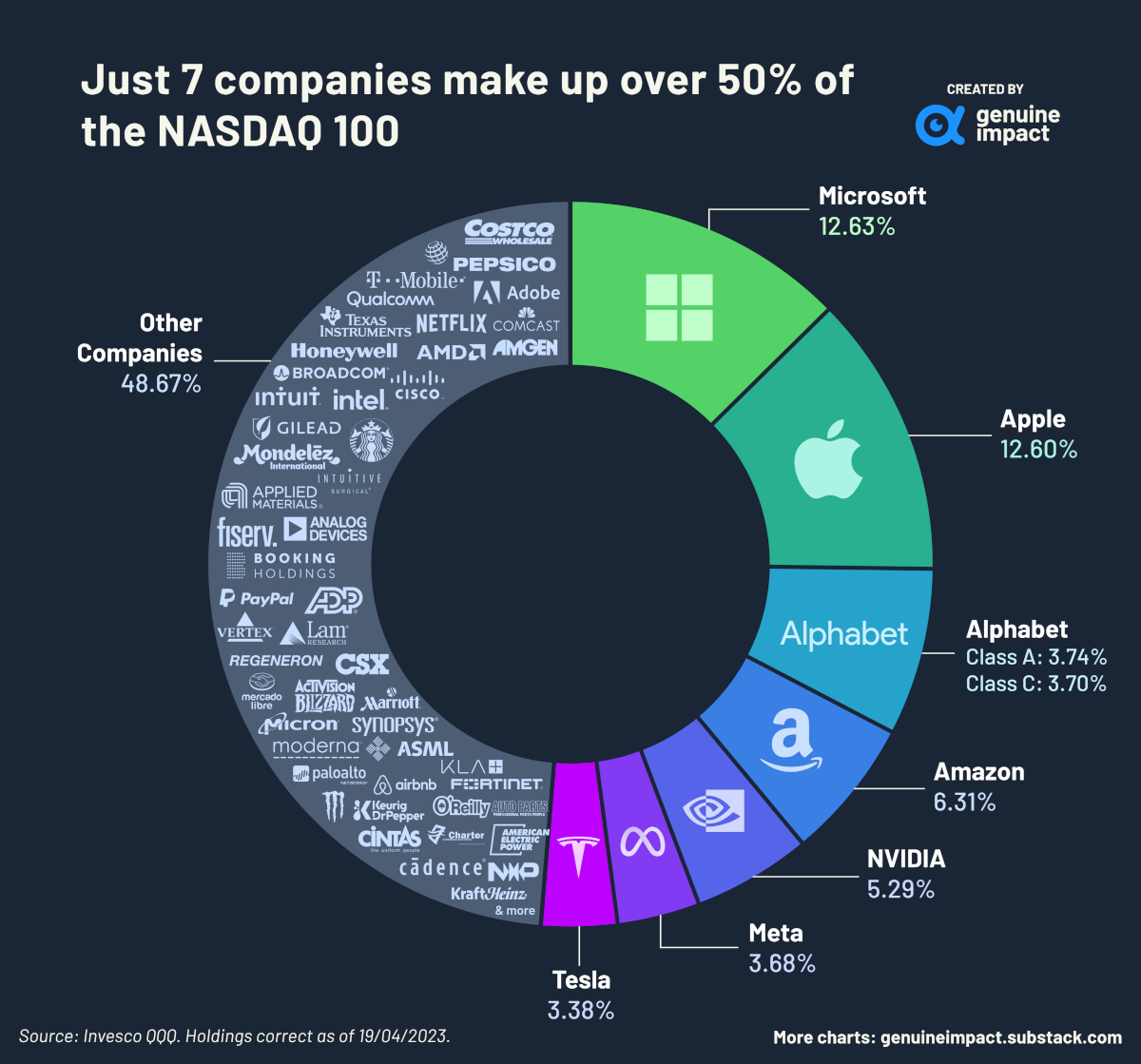
The Nasdaq is synonymous with the “Growth” investment style. It is the home of the “Magnificent Seven”—Apple, Microsoft, Alphabet (Google), Amazon, Nvidia, Meta (Facebook), and Tesla. These companies have driven the vast majority of the stock market’s gains over the last decade. If you want exposure to Artificial Intelligence (AI), cloud computing, or the green energy transition, the Nasdaq is where those companies live.
Understanding Market Capitalization Weighting
It is vital for investors to realize that the Nasdaq indices are “market-cap weighted.” This means that the larger a company is, the more influence it has on the index’s movement. For example, a 1% move in Apple’s stock price will have a much larger impact on the Nasdaq Composite than a 1% move in a small biotech firm.
For the savvy investor, this is a double-edged sword. It means the index is driven by the most successful companies in the world, but it also means the index is highly concentrated. If the top five tech companies have a bad day, the entire index will likely fall, regardless of how the other 2,995 companies performed.
Risk and Reward in Growth Investing
The Nasdaq typically experiences higher volatility than the S&P 500 or the Dow. Because growth companies are often valued based on their future earnings rather than their current profits, their stock prices are highly sensitive to interest rate changes. When interest rates rise, the present value of those future earnings drops, often leading to sharp sell-offs in Nasdaq stocks. However, the reward for this risk has historically been significant outperformance during bull markets.
Strategic Ways to Invest in the Nasdaq
Knowing what the Nasdaq is is only the first step; the next is determining how to incorporate it into your financial portfolio. You do not need to be a Wall Street pro to capitalize on the growth of the Nasdaq.
Exchange-Traded Funds (ETFs) and Index Funds
The most common way for personal investors to gain exposure to the Nasdaq is through ETFs. The most famous of these is the Invesco QQQ Trust (QQQ), which tracks the Nasdaq-100. By buying shares of an ETF like QQQ, you are effectively buying a small piece of the 100 largest non-financial companies on the exchange. This provides instant diversification, reducing the risk of any single company’s failure ruining your portfolio.
Direct Stock Ownership
For those who prefer a more “active” approach to their money, the Nasdaq offers a playground of individual stocks. Investors often use the Nasdaq as a hunting ground for “the next big thing.” By researching individual listings, an investor can attempt to find high-growth companies before they become household names. However, this requires significant due diligence and a high tolerance for risk.
The Role of the Nasdaq in a Diversified Portfolio
Most financial advisors recommend using the Nasdaq as a “growth engine” within a broader, diversified portfolio. While the S&P 500 provides broad market exposure and bonds provide stability, the Nasdaq provides the “alpha”—the potential for market-beating returns. Balancing Nasdaq-heavy investments with more conservative assets can help protect your capital during tech downturns while still allowing you to participate in the massive upside of the digital revolution.
The Future of the Nasdaq and Your Money
As we move deeper into the age of AI, blockchain, and biotechnology, the Nasdaq’s relevance only grows. It has transitioned from being a “tech exchange” to being the “innovation exchange.” For anyone serious about personal finance and investing, the Nasdaq is not just a list of tickers; it is a map of where the global economy is headed.
By understanding the mechanics of the exchange, the composition of its indices, and the risks inherent in growth-heavy investing, you can make more informed decisions about where to put your hard-earned money. Whether you are a conservative saver or an aggressive trader, the Nasdaq remains one of the most powerful tools ever created for the purpose of wealth accumulation and economic participation. In the world of money, the Nasdaq isn’t just a market—it’s the heartbeat of the future.
aViewFromTheCave is a participant in the Amazon Services LLC Associates Program, an affiliate advertising program designed to provide a means for sites to earn advertising fees by advertising and linking to Amazon.com. Amazon, the Amazon logo, AmazonSupply, and the AmazonSupply logo are trademarks of Amazon.com, Inc. or its affiliates. As an Amazon Associate we earn affiliate commissions from qualifying purchases.