
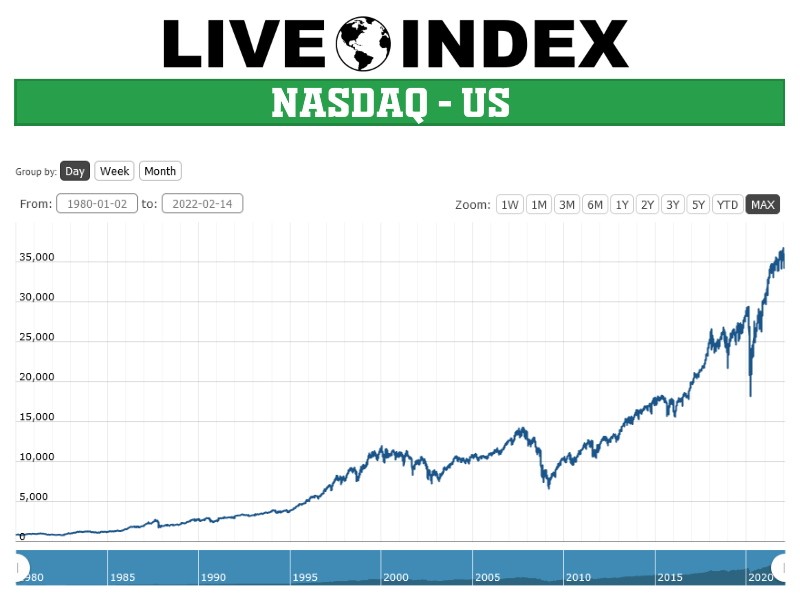
When investors ask, “What is the Nasdaq doing today?” they are rarely looking for a single numerical value. Instead, they are seeking a pulse check on the high-growth, technology-driven sector of the global economy. As one of the world’s most followed stock indices, the Nasdaq Composite—and its more concentrated sibling, the Nasdaq 100—serves as a barometer for innovation, risk appetite, and the future of digital commerce. Understanding the daily fluctuations of this index requires a deep dive into the macroeconomic forces, sector-specific trends, and psychological drivers that move the needle in the modern financial landscape.
Understanding the Nasdaq’s Current Trajectory: Macro Forces and Market Sentiment
To interpret what the Nasdaq is doing today, one must first understand its unique composition. Unlike the Dow Jones Industrial Average, which is price-weighted and leans toward “old economy” blue-chip firms, the Nasdaq is market-capitalization-weighted and heavily tilted toward technology, consumer services, and health care. Consequently, when the Nasdaq moves, it reflects the market’s collective conviction regarding the future value of growth.
The Impact of Monetary Policy and Interest Rates
One of the primary drivers of the Nasdaq’s performance on any given day is the prevailing interest rate environment. Because many companies on the Nasdaq are growth-oriented—meaning a significant portion of their projected cash flows will occur far into the future—they are highly sensitive to the “discount rate.” When the Federal Reserve signals a “hawkish” stance (higher interest rates), the present value of those future earnings decreases, often leading to a sell-off in tech stocks. Conversely, when inflation data cools or the Fed adopts a “dovish” tone, the Nasdaq often rallies as investors feel more comfortable paying a premium for growth.
The Role of the “Magnificent Seven”
In the current financial era, “what the Nasdaq is doing” is often a reflection of what a handful of mega-cap companies are doing. Apple, Microsoft, Alphabet, Amazon, Nvidia, Meta, and Tesla—collectively known as the Magnificent Seven—command a massive percentage of the index’s total weight. If Nvidia releases an exceptional earnings report or Apple announces a breakthrough in AI integration, the Nasdaq can soar even if the majority of its other constituent stocks are trading flat. Investors must distinguish between a broad-based rally and a top-heavy movement driven by these tech titans.
Key Indicators to Watch in Today’s Market
Monitoring the Nasdaq requires looking beyond the headline percentage gain or loss. Sophisticated investors utilize several key indicators to determine whether the day’s movement is a temporary “blip” or the start of a sustained trend.
Earnings Season and Forward Guidance
During quarterly earnings seasons, the Nasdaq’s daily activity is dictated by corporate balance sheets. However, the market is forward-looking. A company might beat its revenue and profit estimates, but if its “guidance”—its prediction for the next quarter—is weak, the stock (and the index) may fall. Today’s Nasdaq performance is often a reaction to the management commentary of leading firms regarding supply chain health, consumer spending power, and R&D investments.
Technical Levels: Support and Resistance
For those engaged in active business finance and trading, the Nasdaq’s movements are often confined by “technical” levels. Traders look at moving averages (such as the 50-day or 200-day lines) to see if the index is maintaining its momentum. If the Nasdaq “breaks” below a key support level, it can trigger automated sell orders, leading to a sharper decline. Understanding these psychological barriers helps investors contextualize whether a “red day” is a healthy correction or a cause for concern.
The VIX and Market Volatility
The CBOE Volatility Index (VIX), often called the “fear gauge,” shares an inverse relationship with the Nasdaq. When the VIX spikes, it indicates that investors are buying protection against market drops, usually leading to a downward trend in the Nasdaq. By checking the VIX alongside the Nasdaq, investors can gauge the level of anxiety or complacency in the market today.
Strategic Investing: Navigating Nasdaq Volatility
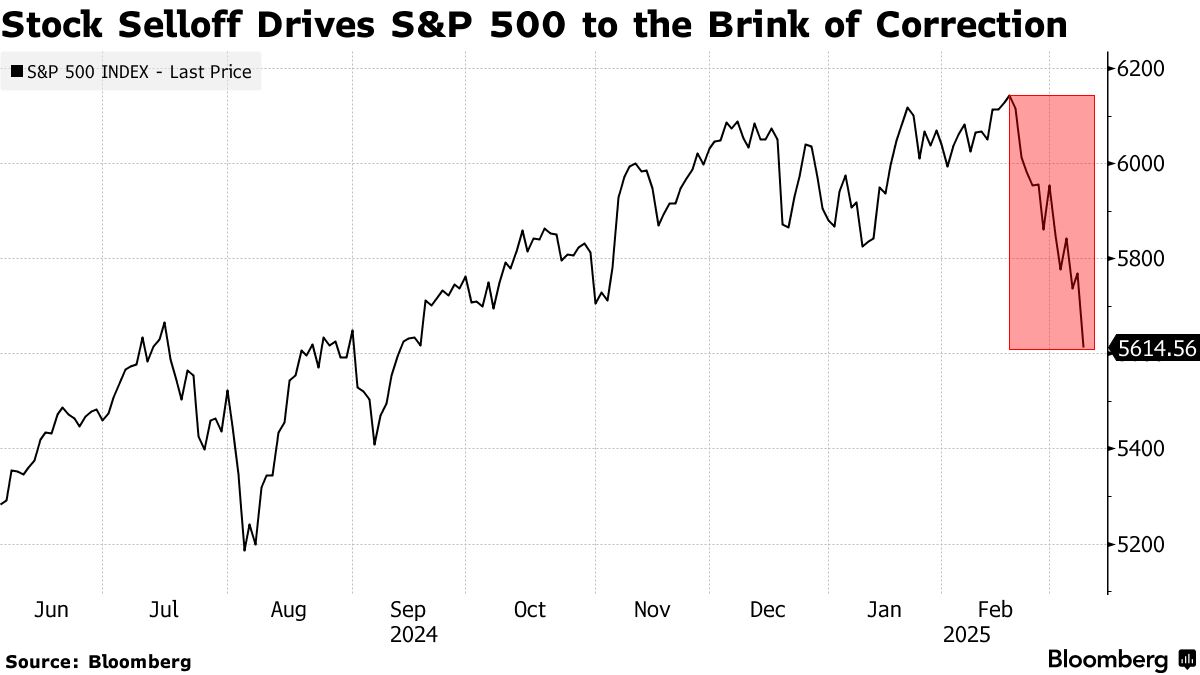
Because the Nasdaq is more volatile than the S&P 500 or the Dow, it requires a specific strategic approach. Whether the index is hitting all-time highs or entering a correction phase, the following financial strategies are essential for long-term wealth preservation and growth.
The Power of Dollar-Cost Averaging (DCA)
Given the tech sector’s propensity for “swingy” price action, trying to time the exact bottom or top of the Nasdaq is a losing game for most. Dollar-cost averaging—investing a fixed amount of money at regular intervals—is a proven method to mitigate the risk of buying at a peak. By continuing to invest when the Nasdaq is “down,” investors acquire more shares at a lower cost, which can significantly enhance returns when the market inevitably recovers.
Diversification Within the Tech Sector
While the Nasdaq is often synonymous with “Tech,” it actually contains various sub-sectors, including biotechnology, retail, and telecommunications. A prudent financial strategy involves ensuring that your portfolio isn’t overly concentrated in a single niche, such as semiconductor chips or social media. Diversifying across different industries within the Nasdaq allows investors to capture growth while insulating themselves from a localized downturn in one specific industry.
Utilizing ETFs and Index Funds
For the individual investor, picking winning stocks within the Nasdaq is challenging. Instead, many financial professionals recommend utilizing Exchange-Traded Funds (ETFs) like the QQQ, which tracks the Nasdaq 100. This provides instant exposure to the top non-financial companies on the exchange, offering a balance of high-growth potential and the safety of diversification.
The Future Outlook: What Drives the Nasdaq Long-Term?
While “today’s” performance is important for short-term sentiment, the true value of the Nasdaq lies in its long-term trajectory. Several structural shifts in the global economy suggest that the index will remain the primary engine for capital appreciation in the coming decade.
The Artificial Intelligence (AI) Revolution
We are currently witnessing a fundamental shift in how business is conducted, driven by Generative AI and machine learning. As companies across the Nasdaq integrate AI to optimize operations and create new revenue streams, we are seeing a “re-rating” of valuations. The Nasdaq’s performance today is heavily influenced by the market’s attempt to price in the productivity gains that AI is expected to deliver over the next five to ten years.
The Transition to a Digital-First Economy
From fintech and cloud computing to cybersecurity and e-commerce, the companies that comprise the Nasdaq are the architects of the digital-first economy. As traditional brick-and-mortar businesses continue to modernize, capital continues to flow toward the service providers listed on the Nasdaq. This structural tailwind provides a level of “secular growth” that remains independent of short-term economic cycles.
Regulatory and Geopolitical Risks
No analysis of the Nasdaq is complete without acknowledging the risks. Increased antitrust scrutiny on big tech firms and geopolitical tensions affecting semiconductor manufacturing (particularly in Taiwan) are constant “headwinds” for the index. When the Nasdaq underperforms today, it is often due to news cycles involving regulatory crackdowns or trade restrictions that could impact the global supply chain of technology.
Conclusion: Making Sense of the Daily Noise
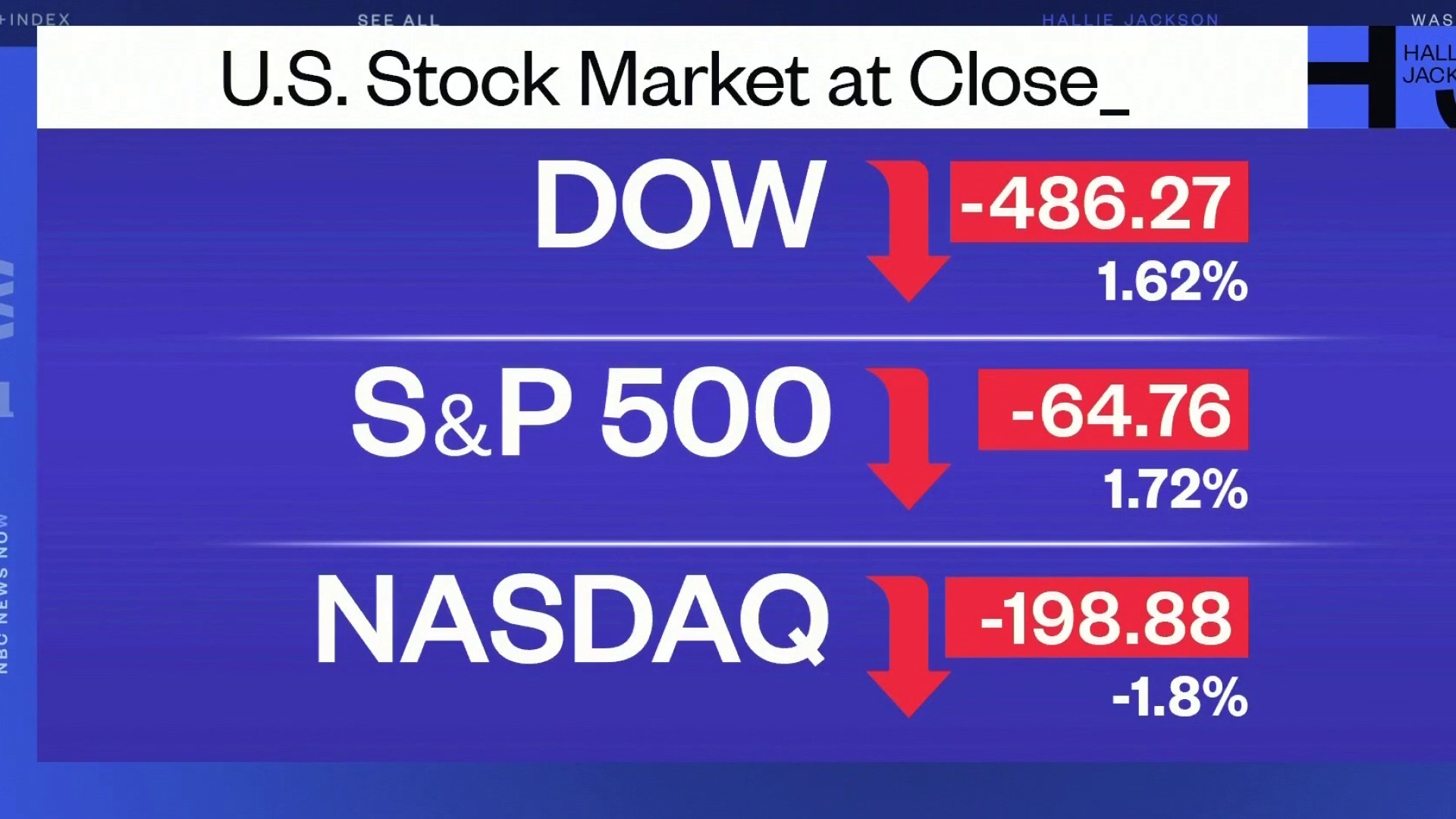
When you look at what the Nasdaq is doing today, remember that the stock market is a voting machine in the short term but a weighing machine in the long term. Daily fluctuations are often driven by headlines, emotion, and algorithmic trading. However, for the serious investor, these movements are merely data points in a larger narrative of technological advancement and economic evolution.
By staying focused on macroeconomic trends, understanding the weight of mega-cap stocks, and employing disciplined investing strategies like dollar-cost averaging, you can navigate the Nasdaq’s volatility with confidence. The Nasdaq is not just a collection of tickers; it is a reflection of human ingenuity and the relentless pursuit of “what’s next.” Whether the index is up or down today, its role as the heartbeat of the modern financial world remains undisputed. Success in the market comes not from reacting to every tick of the index, but from understanding the fundamental business finance principles that drive long-term value.
aViewFromTheCave is a participant in the Amazon Services LLC Associates Program, an affiliate advertising program designed to provide a means for sites to earn advertising fees by advertising and linking to Amazon.com. Amazon, the Amazon logo, AmazonSupply, and the AmazonSupply logo are trademarks of Amazon.com, Inc. or its affiliates. As an Amazon Associate we earn affiliate commissions from qualifying purchases.