
In the late 1990s, a tiny dog with a massive personality transformed a fast-food giant into a pop-culture juggernaut. If you were to ask any marketing historian, “What is the name of the Taco Bell Chihuahua?” they wouldn’t just give you a name—they would give you a case study in brand strategy. The dog’s name was Gidget, a female Chihuahua who portrayed a male dog in one of the most successful, yet controversial, advertising campaigns in history.
While Gidget became a household name through the catchphrase “Yo Quiero Taco Bell,” her journey offers profound insights into corporate identity, the risks of mascot-driven marketing, and the complex relationship between brand symbols and cultural perception. This article explores how a 12-pound dog redefined Taco Bell’s brand equity and what modern businesses can learn from this iconic era.
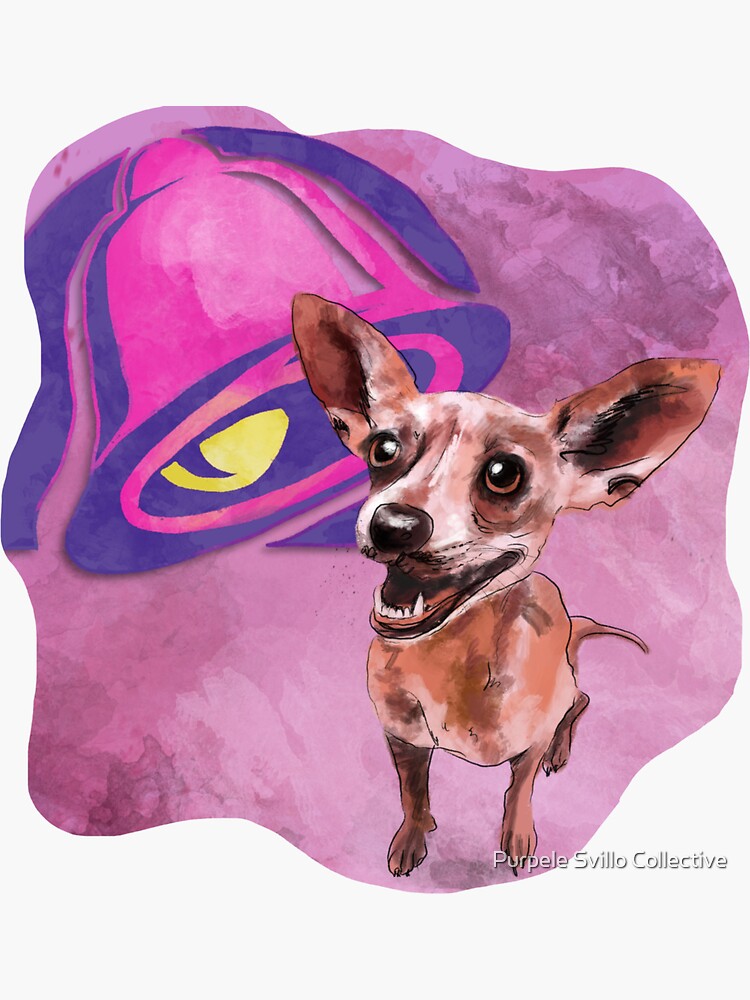
The Birth of an Icon: Gidget and the “Yo Quiero Taco Bell” Phenomenon
The story of the Taco Bell Chihuahua began in 1997 when the advertising agency TBWA/Chiat/Day was tasked with revitalizing a brand that was struggling to find its voice in a crowded fast-food landscape. The goal was to move away from traditional food-centric commercials and toward “personality-driven” marketing.
The Origin Story of Gidget
Gidget was not the first choice for the campaign, but her screen presence was undeniable. Originally cast for a background role, she quickly ascended to the lead position due to her ability to “work the camera.” By personifying the dog with a suave, urban voice (provided by actor Carlos Alazraqui), Taco Bell created a character that transcended the product itself. This was a deliberate brand strategy: the dog didn’t just want a taco; she embodied a specific “cool” factor that the brand wanted to associate with its target demographic.
Cultural Impact and the Catchphrase that Defined an Era
The phrase “Yo Quiero Taco Bell” (I want Taco Bell) became an overnight sensation. It wasn’t just an advertisement; it was a meme before the internet age of memes. The success of the campaign saw Taco Bell’s brand recognition soar. Merchandise, including plush toys that spoke the catchphrase, sold in the millions. This period demonstrated the power of a “Brand Mascot” to create an emotional shortcut between the consumer and the product. When people saw a Chihuahua, they immediately thought of tacos.
Brand Strategy and the Power of the Mascot
From a brand strategy perspective, the Taco Bell Chihuahua was a masterstroke in anthropomorphism—the attribution of human characteristics to non-human entities. This technique is used to make brands more relatable, memorable, and approachable.
Anthropomorphism in Marketing
Why does a dog sell tacos? In marketing, mascots serve as “brand anchors.” They provide a consistent visual and emotional touchpoint. For Taco Bell, the Chihuahua represented a “scrappy underdog” (quite literally) that resonated with a younger, rebellious audience. By giving Gidget a personality—hungry, persistent, and slightly mischievous—Taco Bell moved from being a utility (a place to get cheap food) to a personality (a brand that understands humor and pop culture).
Creating Emotional Resonance with the Consumer
Great branding isn’t about the product’s features; it’s about how the brand makes the consumer feel. The Chihuahua campaign shifted the focus from the ingredients of a burrito to the “vibe” of the brand. This emotional resonance allowed Taco Bell to command a larger share of the “mindspace” of American consumers. The brand became synonymous with late-night cravings and a playful attitude, a positioning that persists in their marketing strategy to this day.
The Controversy and the Pivot: When Brand Identity Faces Backlash
Despite its commercial success, the Chihuahua campaign eventually ran into significant headwinds. This phase of the story serves as a cautionary tale for brand managers regarding cultural sensitivity and the lifespan of a mascot.

Cultural Sensitivity and the “Stereotype” Debate
As the campaign grew in popularity, it also drew criticism from Hispanic advocacy groups, such as the League of United Latin American Citizens (LULAC). Critics argued that the Chihuahua used a stereotypical accent and reinforced one-dimensional tropes of Mexican culture. This highlights a critical challenge in brand strategy: the line between “cultural celebration” and “cultural appropriation” or “caricature.” When a mascot becomes the face of a brand, it must be able to withstand the scrutiny of a diverse global audience.
The Legal Battle: Wrench LLC vs. Taco Bell
Beyond cultural concerns, the brand faced a massive legal hurdle. Two Michigan creators, Joseph Shields and Thomas Rinks of Wrench LLC, claimed they had pitched the idea of a “psycho dog” mascot to Taco Bell years prior. The resulting breach-of-implied-contract lawsuit eventually led to a $42 million judgment against Taco Bell. For brand strategists, this is a landmark case emphasizing the importance of intellectual property (IP) management and the legal risks involved in “idea submission” during the creative process.
Lessons for Modern Brand Managers
The rise and fall of Gidget the Chihuahua provide timeless lessons for anyone involved in corporate identity or personal branding.
The Risks of Over-indexing on a Single Mascot
One of the primary reasons Taco Bell eventually retired the Chihuahua in 2000 was that the mascot had become bigger than the brand. Market research began to show that while consumers loved the dog, they weren’t necessarily buying more tacos because of her. This is a phenomenon known as “vampire creativity”—where the creative execution is so strong it sucks the life out of the actual product or brand message. A mascot should be a vehicle for the brand, not the destination itself.
Evolution vs. Consistency in Corporate Identity
Brands must evolve to survive. By the early 2000s, the “Yo Quiero” era had peaked. Taco Bell’s decision to move on, despite the dog’s popularity, was a strategic move to prevent the brand from becoming a “nostalgia act.” Effective brand management requires knowing when a symbol has served its purpose and having the courage to pivot toward a new identity that reflects changing consumer values and market trends.
The Post-Chihuahua Era: Taco Bell’s Rebranding Journey
Following the retirement of Gidget, Taco Bell underwent several identity shifts before landing on its current, highly successful “Live Mas” positioning.
Moving from Mascot-Driven to Lifestyle-Driven Marketing
Today, Taco Bell rarely uses a single mascot. Instead, they have transitioned to “lifestyle branding.” They focus on the experience of eating the food—the “Fourth Meal,” the innovative menu collaborations (like Doritos Locos Tacos), and the integration into digital culture. This shift represents a more mature brand strategy that relies on the product’s role in the consumer’s life rather than a fictional character’s antics.
The “Live Mas” Philosophy
The transition to “Live Mas” (Live More) in 2012 marked a definitive end to the mascot era. This slogan isn’t about a dog’s hunger; it’s about the consumer’s aspiration. It positions Taco Bell as a brand for people who want to experience more out of life. Interestingly, Gidget’s legacy still lingers in the brand’s DNA—the playfulness and the willingness to take risks that were established in the late 90s remain core components of Taco Bell’s corporate identity.

Conclusion: The Tiny Dog that Left a Massive Footprint
Gidget, the Taco Bell Chihuahua, passed away in 2009 at the age of 15, but her impact on the world of marketing and brand strategy is immortal. She proved that a well-executed mascot could turn a fast-food chain into a cultural icon almost overnight. However, her story also serves as a vital reminder that brand identity is a fragile thing. It requires a delicate balance of creativity, cultural awareness, legal diligence, and the strategic foresight to know when to say goodbye.
For modern businesses, the name “Gidget” represents more than just a dog; it represents the power of a bold idea and the complexity of managing a global brand in an ever-changing world. Whether you are building a personal brand or managing a multi-billion dollar corporation, the lessons of the “Yo Quiero” era remain as relevant today as they were in 1997.
aViewFromTheCave is a participant in the Amazon Services LLC Associates Program, an affiliate advertising program designed to provide a means for sites to earn advertising fees by advertising and linking to Amazon.com. Amazon, the Amazon logo, AmazonSupply, and the AmazonSupply logo are trademarks of Amazon.com, Inc. or its affiliates. As an Amazon Associate we earn affiliate commissions from qualifying purchases.