
In the history of cinema and global marketing, few entities possess a visual identity as instantly recognizable as the Great White shark from Steven Spielberg’s 1975 masterpiece, Jaws. While audiences around the world know the terrifying silhouette and the ominous two-note cello theme, many fans frequently ask: What is the name of the shark in Jaws?
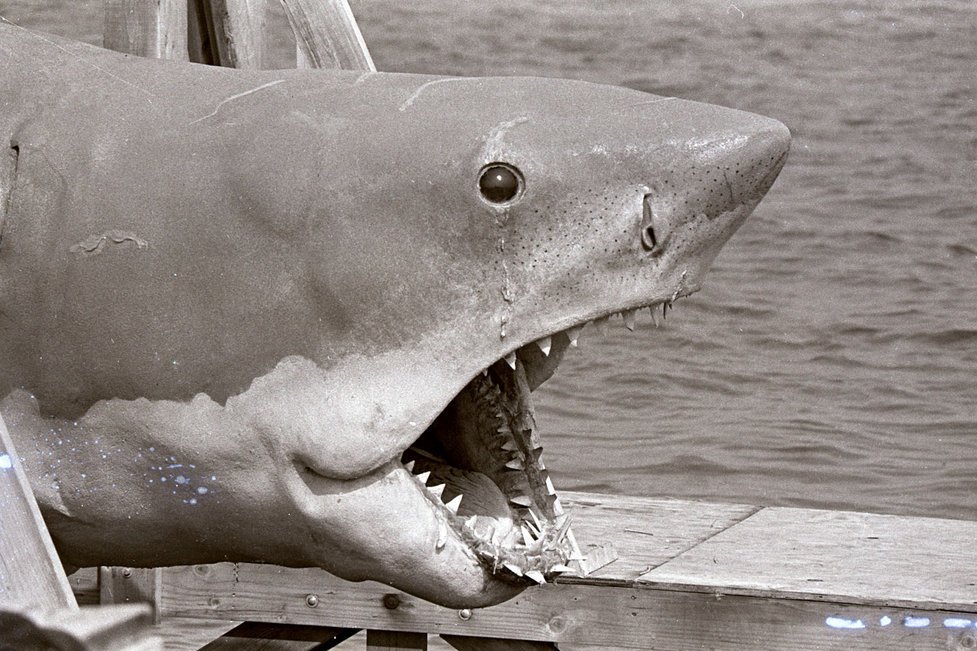
The answer is “Bruce.” Named after Steven Spielberg’s lawyer, Bruce Ramer, the mechanical shark became more than just a prop; it became a symbol of a paradigm shift in how entertainment is branded, marketed, and consumed. In the world of brand strategy, the story of Bruce is a masterclass in turning technical limitations into a legendary corporate identity and defining a new category of commercial success: the Summer Blockbuster.
The Identity Behind the Teeth: Why “Bruce” Matters to Branding
In branding, a name provides a vessel for personality, history, and emotional connection. While the shark is never named on-screen—referred to only as “the shark” or “the fish”—the behind-the-scenes designation of “Bruce” has become an integral part of the film’s brand heritage.
The Origin of the Name and Internal Culture
The naming of the shark after Spielberg’s lawyer, Bruce Ramer, was initially an internal joke among the crew. However, in professional brand strategy, these “origin stories” serve to humanize a project. By giving the mechanical monster a human name, the production team created an internal brand culture. This nickname transformed a difficult, often-malfunctioning piece of machinery into a “character” with its own temperament. For modern brands, this highlights the importance of internal storytelling—how a team perceives their product often dictates how the world eventually consumes it.
Anthropomorphizing the Antagonist
Naming an object is the first step toward anthropomorphism. By naming the shark Bruce, the creators gave a face to a primal fear. In marketing, anthropomorphism is used to create a bridge between a cold product and a warm consumer reaction. While Bruce was designed to evoke terror rather than warmth, the “branding” of the shark as a singular, named entity allowed it to transcend being a mere animal. It became a “villain” with a brand identity as distinct as Darth Vader or the Joker, proving that even an antagonist needs a clear, identifiable persona to maintain long-term brand equity.
Building a Brand Through Scarcity: The “Invisible” Shark
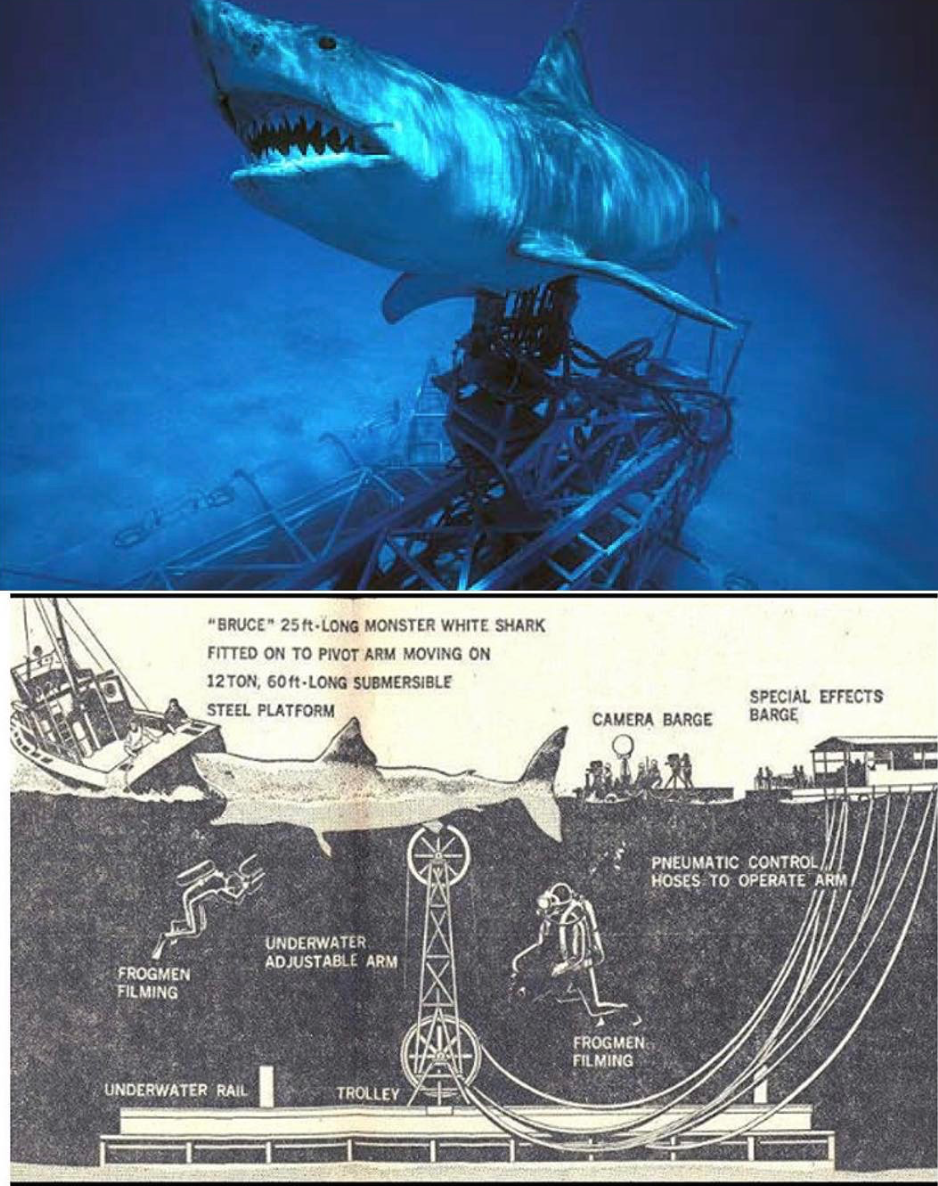
One of the most famous anecdotes in film history is that the mechanical shark rarely worked. This forced Spielberg to shoot around the shark, relying on POV shots, floating yellow barrels, and John Williams’ iconic score. From a brand strategy perspective, this is a perfect example of “Strategic Scarcity.”
Strategic Pivot: When the Tech Fails, the Brand Prevails
When a product doesn’t perform as expected, a brand must pivot. The “Bruce” brand was originally intended to be a visual spectacle, a literal monster movie. When the technology failed, the strategy shifted from “showing” to “suggesting.” This pivot created a more sophisticated brand image. It taught the marketing world that what a brand doesn’t show can be just as powerful as what it does. By keeping Bruce hidden for the first two acts, the “Jaws” brand built an unbearable amount of anticipation, a tactic used today by companies like Apple to build hype around unreleased products.
The Power of Suggestion in Consumer Psychology
The “Jaws” brand isn’t just about a shark; it’s about the fear of the shark. In brand design, this is known as “emotional resonance.” The brand became synonymous with the feeling of the unknown. By the time Bruce finally makes his full appearance, the audience’s imagination has already done the heavy lifting of brand-building. For modern marketers, this reinforces the idea that the consumer’s psychological involvement in the brand story is more valuable than any high-budget visual display.
The Jaws Effect: Creating a Global Brand Phenomenon
Jaws did not just sell movie tickets; it created a new blueprint for how brands dominate a season. Before 1975, summer was considered a “dead zone” for the film industry. Jaws changed the “Summer Blockbuster” from a concept into a global brand category.
Defining the Summer Blockbuster Category
Just as Kleenex is synonymous with tissues, Jaws became synonymous with the Summer Blockbuster. This is the pinnacle of brand strategy: category ownership. The “Bruce” phenomenon proved that a high-concept brand (a simple, easy-to-understand premise) could be scaled globally. The movie was marketed with a massive television advertising blitz—a rarity at the time—which established a “saturation” brand strategy that remains the gold standard for major product launches today.
Visual Consistency: The Poster and the Silhouette
The visual identity of the Jaws brand is centered on Roger Kastel’s iconic poster art: the shark rising toward a swimmer. This image is one of the most successful examples of minimalist branding in history. It uses a clear hierarchy, a distinct silhouette, and a high-contrast color palette. Even without the word “Jaws,” the image of Bruce rising from the depths communicates the entire brand promise. Consistency across all touchpoints—posters, trailers, and merchandise—ensured that Bruce’s “brand” was unbreakable.
Brand Legacy and the Evolution of the “Monster” Identity
The brand of Bruce did not end when the credits rolled in 1975. The shark has lived on through sequels, theme park attractions, and endless merchandising, demonstrating how to manage a long-term brand lifecycle.
From Bruce to Modern Cinema Icons
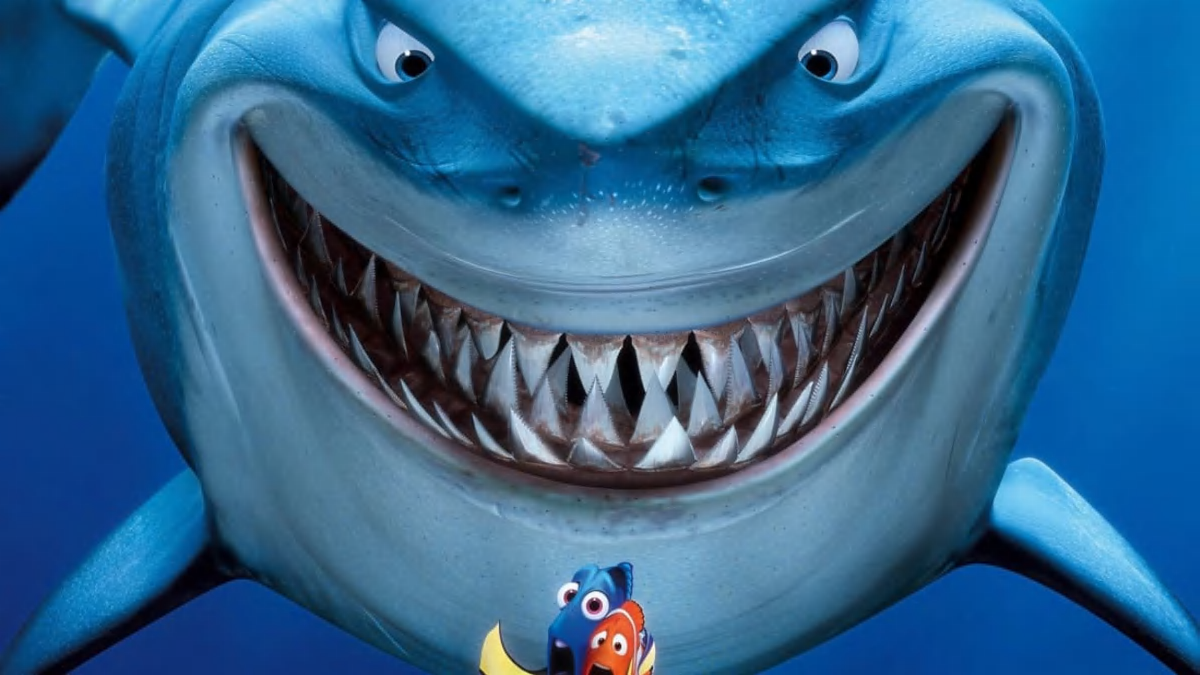
The legacy of Bruce can be seen in every “creature feature” that followed. However, few have managed to maintain the same level of brand prestige. The name “Bruce” was even paid homage in Pixar’s Finding Nemo, where the Great White shark is also named Bruce. This is a form of “Brand Echoing,” where a legendary brand influences the identity of new brands decades later. It shows that a well-constructed identity can become a permanent fixture in the cultural lexicon.
Protecting the IP: Merchandising and Long-term Value
The Jaws franchise was one of the first to truly understand the power of peripheral branding. From t-shirts to “shark tooth” necklaces, Bruce became a portable brand. For a brand to survive, it must be able to exist outside its primary medium. Universal Studios protected this intellectual property (IP) by ensuring that the likeness of the shark remained consistent, preventing “brand dilution” even when the sequels began to decline in quality. Bruce remained the “Gold Standard” of shark brands, regardless of the films he appeared in.
Lessons for Modern Marketers and Corporate Identity
Looking at the history of “Bruce” through the lens of brand strategy provides several actionable insights for today’s business leaders and marketing professionals.
Emotional Connection through Narrative
The success of Jaws wasn’t just about the shark; it was about the characters’ reaction to it. Similarly, a brand is not just a product; it is the consumer’s reaction to that product. Bruce represented an obstacle that required a team (Brody, Hooper, and Quint) to overcome. Brands that position themselves as a solution to a narrative conflict—rather than just a feature list—tend to build much deeper loyalty.
Resilience in Branding: Turning Flaws into Features
The fact that Bruce was a “broken” prop could have sunk the movie. Instead, it forced a creative constraint that defined the brand’s aesthetic. In corporate identity, resilience is the ability to take a weakness—perhaps a smaller budget or a niche market—and turn it into a defining characteristic. Spielberg didn’t apologize for the shark not working; he used it to create a more terrifying, “invisible” brand.
The Importance of a “Hero” Visual
Every brand needs its “Bruce”—a singular, iconic image that tells the whole story at a glance. Whether it’s the Nike Swoosh or the Jaws silhouette, simplicity is the key to global recognition. If your brand strategy is too complex to be summarized in a single, striking visual, it will struggle to achieve the “Blockbuster” status that Bruce secured nearly half a century ago.
In conclusion, the shark in Jaws is named Bruce, but his identity is much larger than a name. He is the foundational pillar of the modern blockbuster brand, a testament to the power of scarcity, and a reminder that even the most terrifying “monsters” need a well-executed brand strategy to truly become immortal.
aViewFromTheCave is a participant in the Amazon Services LLC Associates Program, an affiliate advertising program designed to provide a means for sites to earn advertising fees by advertising and linking to Amazon.com. Amazon, the Amazon logo, AmazonSupply, and the AmazonSupply logo are trademarks of Amazon.com, Inc. or its affiliates. As an Amazon Associate we earn affiliate commissions from qualifying purchases.