
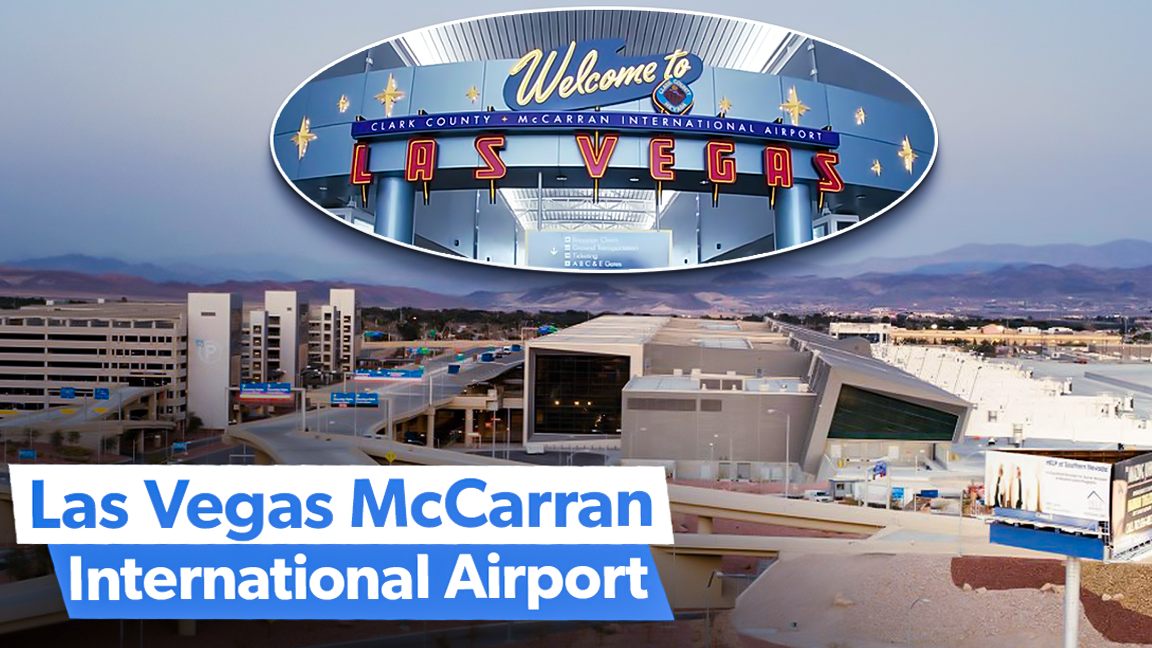
The name of the primary international airport serving Las Vegas, Nevada, is Harry Reid International Airport. Formerly known as McCarran International Airport, the facility underwent a significant rebranding process that concluded in late 2021. For travelers, businesses, and logistics professionals, understanding the branding evolution and the operational impact of this identity shift is essential for navigating the complexities of modern travel infrastructure.
The Strategic Rebranding of a Global Transportation Hub
The transition from McCarran to Harry Reid International Airport represents a pivotal case study in corporate and public identity management. Branding in the public sector is rarely just about a name change; it is about aligning the physical identity of a major asset with the evolving values of the community and the stakeholders it serves.
The Rationale Behind the Identity Shift
For decades, the airport carried the name of Pat McCarran, a former U.S. Senator whose legacy has become increasingly controversial due to his historical record on civil rights and isolationist policies. The decision to rename the airport after Harry Reid—the longest-serving senator in Nevada’s history—was a deliberate move to distance the city’s primary gateway from historical grievances while honoring a figure synonymous with the state’s modern development.
From a branding perspective, the change was an exercise in “reputational maintenance.” By choosing a name that reflects contemporary political and social values, the airport authority effectively mitigated long-term risks associated with a name that could alienate international business partners and diverse travelers.
Execution and Asset Management
Renaming a multi-billion-dollar transportation hub is an enormous logistical challenge. This process required a comprehensive audit of all “touchpoints” where the brand existed: digital assets, physical signage, wayfinding markers, and corporate literature. In the world of brand strategy, the lesson here is consistency. Even a partial delay in updating digital interfaces (such as flight booking platforms or global distribution systems) can lead to brand dilution. By synchronizing the physical transition with the digital shift, the airport authority ensured that the Harry Reid identity was adopted almost instantaneously by the travel industry.
Navigating the Logistics of Airport Branding
For businesses operating within the travel and logistics sector, the name of an airport is more than a geographic descriptor; it is a critical data point. The shift to Harry Reid International Airport forced a ripple effect across every airline, online travel agency (OTA), and global distribution system (GDS) worldwide.

Global Distribution Systems and Data Integrity
When an airport changes its legal and public name, the technological backbone of the aviation industry—the GDS—must be updated to ensure that “LAS” (the IATA code, which remained unchanged) correctly maps to the new moniker. This highlights the importance of standardized identification. Even though the brand name changed, the functional identifier remained constant. For investors and developers working on travel-tech applications, this distinction between the public-facing brand and the functional code is vital. It underscores the necessity of decoupling branding from backend operations to ensure seamless interoperability.
The Impact on Local Business Identity
The airport serves as the “front door” to the Las Vegas economy. Consequently, the local hospitality and gaming industries had to pivot their marketing collateral to align with the new name. Hotels, shuttle services, and convention centers, which rely heavily on the association between the destination and its primary transit node, were forced to undergo a branding audit. This demonstrates that an airport is not an isolated entity; it is a anchor point for a broader regional brand ecosystem. When the anchor rebrands, the ripple effect necessitates updates across the entire corporate identity of the surrounding destination.
Economic Implications of Gateway Identity
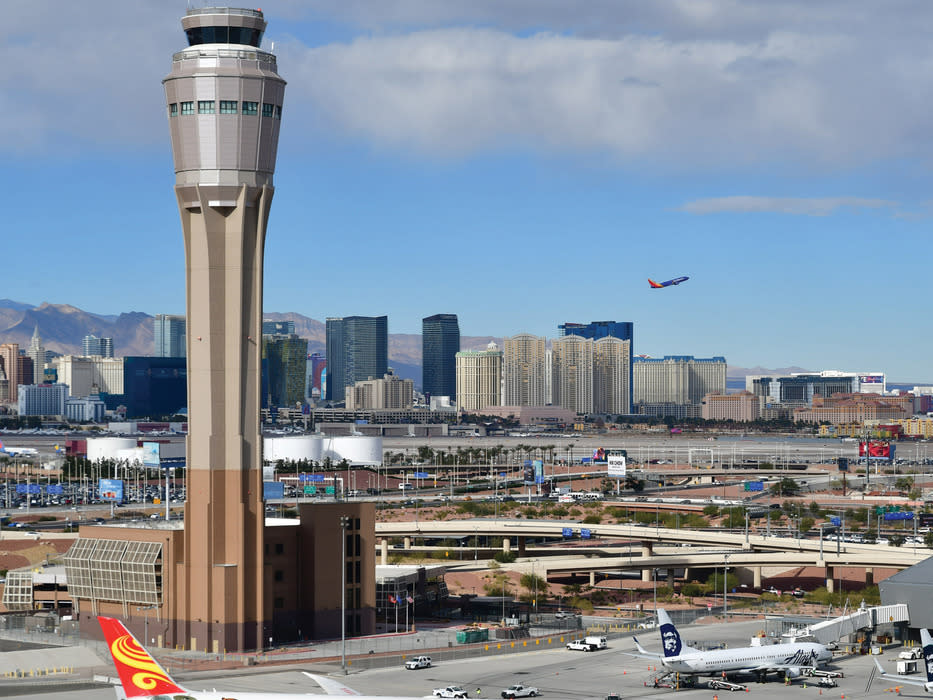
The rebranding of Las Vegas’s airport serves as a lesson in the economic power of naming rights and identity. Airports are high-traffic environments that function as the first point of contact for the millions of people who visit the city annually for business and leisure.
Marketing the Gateway
In the context of corporate identity, an airport name acts as a brand ambassador. Harry Reid International Airport carries a level of regional prestige that influences how visitors perceive their point of entry. By distancing itself from a controversial past, the city signaled to international investors and convention organizers that Las Vegas is a progressive, forward-thinking destination. This strategic positioning is essential for maintaining the city’s status as a top-tier global travel hub.
Financial Considerations in Branding
The cost of rebranding an airport is substantial, spanning everything from physical signage installation to the legal restructuring of contracts and intellectual property rights. However, when viewed as an investment in “brand equity,” the decision holds water. If a brand identity becomes a distraction or a source of negative public relations, it creates friction in the customer experience. By clearing this friction, the airport authority maintained the integrity of the Las Vegas brand, ensuring that the focus remains on the tourism and gaming experience rather than the administrative nomenclature of the transit hub.
Conclusion: The Evolution of Public Brand Identity
The case of Harry Reid International Airport demonstrates that even in the world of infrastructure and transit, branding is a critical component of strategic success. Whether it is a government entity or a private corporation, the name assigned to a primary asset carries significant weight.
For professionals analyzing this transition, three key takeaways emerge:
- Responsiveness to Stakeholders: Successful branding requires acknowledging when a current name no longer serves the interests of the broader community or brand mission.
- Operational Decoupling: Separating the brand identity (the name) from the functional infrastructure (the IATA code) allows for rebranding efforts that do not disrupt the actual, high-stakes operations of the facility.
- The Ripple Effect: A major branding change at a central hub forces a complete alignment of all connected stakeholders—from hotels and tourism boards to international airlines—demonstrating that brand identity is a collaborative, interconnected endeavor.
As Las Vegas continues to grow as a global center for business, technology, and entertainment, the name of its primary airport will remain a cornerstone of its public identity. The transition to Harry Reid International Airport serves as a modern blueprint for how an institution can navigate a complex identity shift while maintaining operational excellence and preserving its status as a vital gateway for the world. Understanding the name of the airport is therefore not merely a piece of trivia for the traveler, but a fundamental insight into the branding and organizational management of one of the most visited locations on the planet.
aViewFromTheCave is a participant in the Amazon Services LLC Associates Program, an affiliate advertising program designed to provide a means for sites to earn advertising fees by advertising and linking to Amazon.com. Amazon, the Amazon logo, AmazonSupply, and the AmazonSupply logo are trademarks of Amazon.com, Inc. or its affiliates. As an Amazon Associate we earn affiliate commissions from qualifying purchases.