
In the vast and intricate world of technology, where innovation unfolds at lightning speed and global supply chains span continents, precision is paramount. Every electronic gadget, every piece of software, and every component within them relies on a silent, yet incredibly powerful identifier: the Manufacturer Part Number, or MPN. Far more than just a label, the MPN is a unique alphanumeric code assigned by the original equipment manufacturer (OEM) to identify a specific product or component. It acts as the DNA of a technological item, encoding its exact specifications, revisions, and origin, making it an indispensable tool for engineers, supply chain managers, retailers, and even discerning consumers.
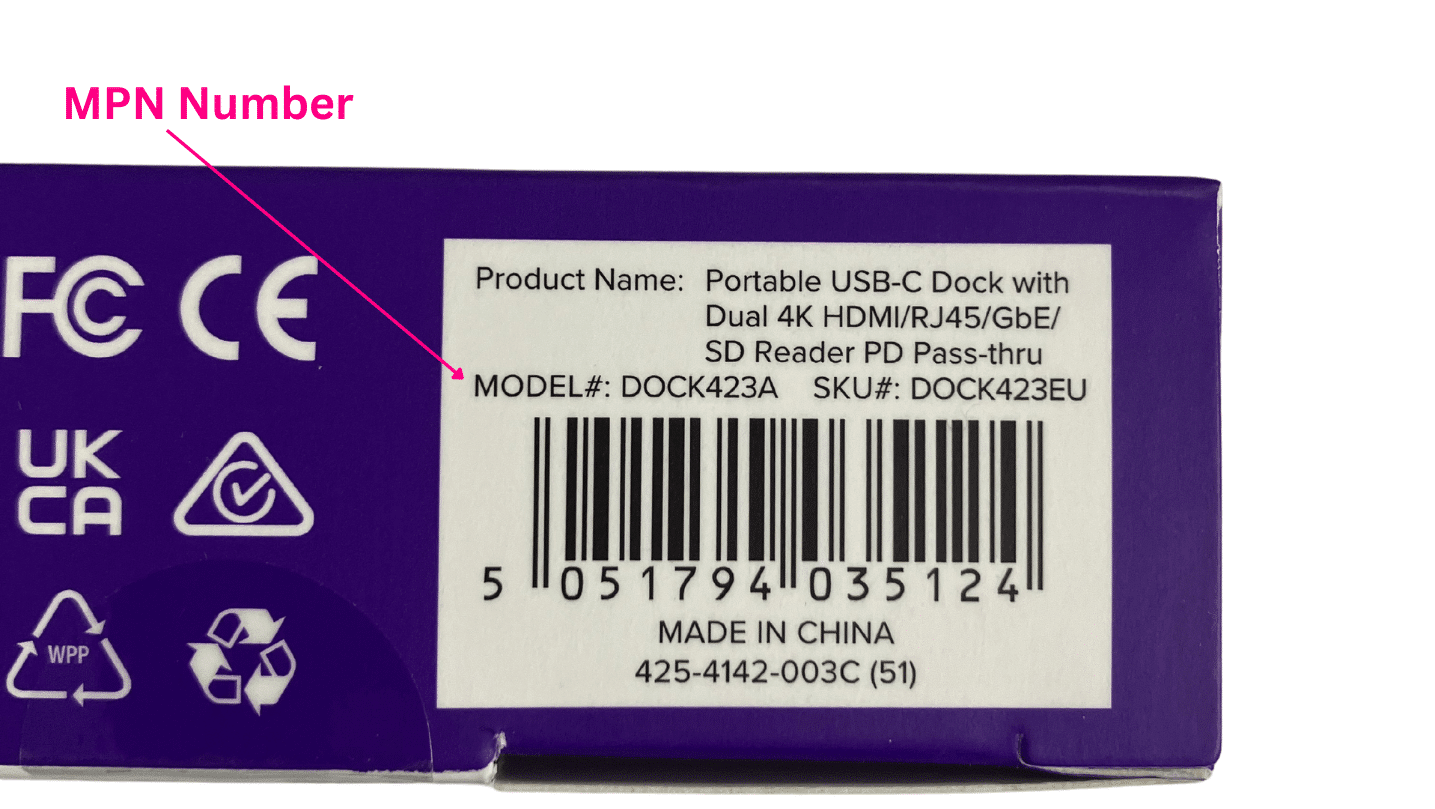
Unlike generic identifiers such as Universal Product Codes (UPCs) or European Article Numbers (EANs), which are primarily designed for retail point-of-sale and broad product identification, an MPN delves into the very essence of a product’s design and manufacturing. It distinguishes a particular microchip from a similar-looking one, a specific laptop battery revision from its predecessor, or a precise software build from another. For any entity dealing with the procurement, assembly, maintenance, or tracking of technological goods, understanding and accurately utilizing MPNs is not merely a best practice—it is a fundamental requirement for operational efficiency, quality assurance, and preventing costly errors.
This deep dive will explore the critical role of MPNs across the technology ecosystem, from initial design to end-of-life, revealing why these seemingly mundane codes are, in fact, linchpins for innovation, reliability, and security in an increasingly complex digital age.
The Indispensable Role of MPNs in the Technology Ecosystem
The Manufacturer Part Number is the cornerstone of technical communication and product integrity within the technology sector. Its significance reverberates through every stage of a product’s journey, from concept to disposal. Without the precise identification offered by MPNs, the intricate web of modern technology would quickly unravel into chaos.
A Universal Language for Components
In a globalized manufacturing landscape, where components might be sourced from one continent, assembled on another, and sold worldwide, MPNs provide a universal, unambiguous language. For engineers designing new devices, an MPN ensures that the exact specification of a resistor, capacitor, or integrated circuit is communicated across diverse teams and suppliers, irrespective of linguistic barriers or regional variations. This level of precision is critical for guaranteeing that assembled products meet their intended performance metrics and regulatory standards. Whether it’s a specific type of memory chip in a smartphone or a particular sensor in an industrial IoT device, its MPN acts as its passport, detailing its origin and characteristics.
Precision in Design and Engineering
At the heart of any technological innovation lies meticulous design and engineering. During the research and development (R&D) phase, engineers specify components using their MPNs to build a comprehensive Bill of Materials (BOM). This BOM is not merely a list; it’s a blueprint detailing every single part required for a product, each identified by its unique MPN. This precision ensures compatibility, performance, and adherence to design specifications. A slight variation in a component’s electrical characteristics or physical dimensions, even if visually indistinguishable, could lead to system failures, reduced longevity, or even safety hazards. MPNs eliminate this ambiguity, ensuring that the components chosen are exactly what the design calls for, facilitating rapid prototyping and seamless transitions to mass production.
Quality Control and Traceability
MPNs are crucial for robust quality control and comprehensive traceability in manufacturing. Each MPN is inherently linked to specific design revisions, production batches, and often, even the raw materials used. If a defect is discovered in a batch of components, the MPN allows manufacturers to quickly identify and isolate all affected products, streamlining recall processes and minimizing potential damage or liability. This traceability is particularly vital in sectors like automotive electronics, aerospace, or medical technology, where component failure can have catastrophic consequences. The ability to trace a component back to its exact origin and manufacturing run is a powerful tool for diagnosing issues, improving manufacturing processes, and maintaining high standards of product reliability.
Preventing Counterfeits and Ensuring Authenticity
The prevalence of counterfeit electronic components is a significant threat to the technology industry, impacting everything from consumer safety to national security. Counterfeit components, often substandard and unreliable, can compromise the performance and integrity of electronic devices. MPNs play a vital role in combating this threat. By verifying the MPN of a component against manufacturer databases, authorized distributors, and established supply chain records, businesses can ensure the authenticity of their parts. While sophisticated counterfeiters may attempt to mimic MPNs, robust authentication protocols that involve scanning unique serial numbers linked to MPNs can help differentiate genuine products from fakes, safeguarding reputation, product quality, and consumer trust.
MPNs Across the Technology Product Lifecycle
The journey of a technology product is a complex odyssey, and MPNs serve as constant navigational beacons, guiding every step from inception to obsolescence. Their consistent application ensures continuity and efficiency throughout the entire lifecycle.
From R&D to Manufacturing
The first assignment of an MPN often occurs in the R&D phase, alongside the creation of the initial product design. As a product evolves through prototypes and revisions, MPNs may also undergo revisions or new ones may be assigned to differentiate significant changes. These MPNs become fundamental elements of the Bill of Materials (BOM), which is then used by manufacturing facilities to procure components, assemble the product, and manage production lines. Accurate MPN data within the BOM ensures that the correct parts are ordered and integrated, preventing costly manufacturing delays and errors that can arise from incorrect component usage.
Supply Chain and Procurement Efficiency
For tech companies, managing an often vast and global supply chain is a monumental task. MPNs are the bedrock of efficient procurement. Purchasing departments rely on MPNs to accurately specify and order the exact components needed from suppliers, minimizing the risk of receiving incorrect parts. This precision helps in managing inventory levels, preventing stock-outs that halt production, and avoiding excess inventory that ties up capital. Furthermore, MPNs facilitate competitive sourcing by allowing companies to compare equivalent parts from multiple authorized manufacturers, ensuring the best balance of cost, quality, and lead time. Without MPNs, the complex logistics of component tracking, warehousing, and just-in-time delivery would be virtually impossible.
After-Sales Support and Maintenance
Once a tech product is in the hands of consumers or businesses, MPNs continue their critical function in after-sales support and maintenance. When a device requires repair or an upgrade, technicians rely heavily on MPNs to identify and order the correct replacement parts. For example, replacing a laptop screen, a server’s RAM module, or a specific circuit board in an industrial control system absolutely requires the correct MPN to ensure compatibility and functionality. Using an incorrect part, even one that appears visually similar, can lead to further damage, void warranties, or simply fail to work. MPNs thus empower service centers to provide accurate, efficient, and reliable repairs, extending the lifespan of products and enhancing customer satisfaction.
End-of-Life Management and Recycling
Even at the end of a product’s useful life, MPNs remain relevant. As environmental regulations become stricter and the drive for sustainability intensifies, identifying components for proper disposal, recycling, or refurbishment is increasingly important. MPNs can help material recovery facilities identify specific types of plastics, metals, or hazardous materials within a device, enabling more efficient and environmentally responsible recycling processes. For products eligible for refurbishment, accurate MPN identification allows for the precise replacement of worn-out parts, extending the product’s economic lifecycle and reducing waste.
Practical Implications of MPNs for Tech Stakeholders
The pervasive influence of MPNs extends to every stakeholder involved in the technology product lifecycle, from the boardroom to the workbench, and significantly impacts operational efficiency, financial health, and customer experience.
For Tech Businesses: Inventory, Cost, and Risk Management
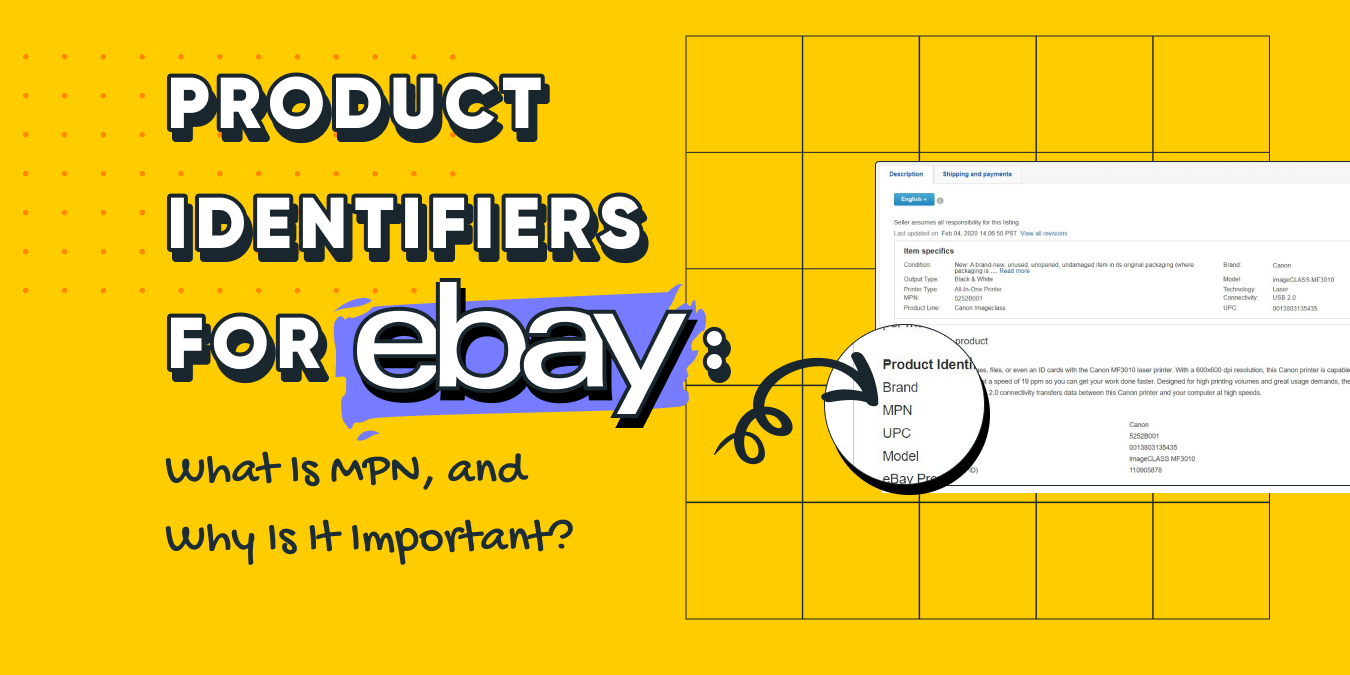
For technology companies, accurate MPN management is directly tied to financial performance and risk mitigation. Robust MPN data within inventory management systems helps optimize stock levels, reducing carrying costs and minimizing the risk of obsolescence. In procurement, precise MPN usage ensures that funds are spent on the correct, required components, preventing waste and reordering delays. From a risk management perspective, the traceability afforded by MPNs is invaluable for managing product recalls efficiently, minimizing legal liabilities, and protecting brand reputation. A lapse in MPN management can lead to misidentified parts, production halts, increased warranty claims, and ultimately, significant financial losses.
For Developers and Engineers: Ensuring Compatibility and Performance
Engineers and product developers depend on MPNs to select components that meet specific technical requirements and perform harmoniously within a larger system. When selecting a new processor, a specific memory module, or a particular sensor, the MPN ensures that all parameters—electrical, mechanical, thermal, and software compatibility—are precisely met. This meticulous attention to MPN detail is what prevents system bottlenecks, ensures optimal power consumption, and guarantees the overall reliability and longevity of a tech product. For software developers, understanding the MPNs of target hardware helps in optimizing code for specific chipsets and configurations, ensuring maximum performance and compatibility.
For Consumers and Enthusiasts: Informed Purchasing and DIY Repairs
While perhaps less overt, MPNs also empower savvy consumers and tech enthusiasts. For those looking to upgrade their PCs, repair a gaming console, or replace a specific part in a smart home device, identifying the correct MPN is crucial. For instance, selecting the right RAM module for a laptop or a compatible battery for a drone requires checking the existing part’s MPN to ensure perfect fit and function. Online forums, repair guides, and e-commerce sites often reference MPNs to help users find the exact components they need, transforming what could be a frustrating search into an efficient and successful endeavor, saving money and extending the life of their gadgets.
For Retailers and Distributors: Streamlined Operations
Retailers and distributors of technology products deal with vast and constantly evolving inventories. MPNs are essential for managing these complex catalogs. Accurate MPN data helps in categorizing products, ensuring that customers receive exactly what they ordered, thereby reducing returns due to incorrect items. It also streamlines warehousing, picking, and shipping processes. For distributors, MPNs are critical for managing relationships with multiple manufacturers and ensuring that their product listings accurately reflect the available stock and specifications, providing clarity and trust in the supply chain.
Navigating Challenges and Embracing Best Practices in MPN Management
Despite their critical importance, managing MPNs is not without its complexities. The dynamic nature of technology, coupled with the sheer volume of parts, presents significant challenges that necessitate robust strategies and advanced tools.
The Complexity of MPN Data
One of the primary challenges stems from the inherent complexity and variability of MPN data itself. Different manufacturers may use diverse alphanumeric schemes, some highly descriptive, others seemingly arbitrary. MPNs can also change with minor revisions, leading to multiple MPNs for functionally similar parts. Furthermore, the existence of “equivalent” parts from different manufacturers (with their own distinct MPNs) adds another layer of complexity. This necessitates careful cross-referencing and data normalization to avoid errors in procurement and inventory. Without a systematic approach, this complexity can lead to data inconsistencies, ordering mistakes, and inflated inventory.
The Importance of Robust PLM/ERP Systems
To effectively manage this complexity, tech companies increasingly rely on sophisticated Product Lifecycle Management (PLM) and Enterprise Resource Planning (ERP) systems. These integrated software solutions provide a centralized repository for all product-related data, including MPNs. PLM systems manage the entire lifecycle of a product from design to disposal, with MPNs acting as key identifiers within the BOM. ERP systems integrate these MPNs into procurement, inventory, manufacturing, and sales modules, ensuring data consistency across the organization. Implementing and maintaining these systems, with a strong focus on data quality and integration, is a best practice for any tech company serious about efficient MPN management.
Standardization Efforts and Industry Initiatives
While MPNs are inherently manufacturer-specific, there are broader industry efforts to standardize product data and identification practices. Initiatives like the GS1 Global Trade Item Number (GTIN) aim to provide a universally unique identifier for trade items, often working in conjunction with MPNs. While GTINs are more for retail and supply chain visibility, their integration with MPN data within enterprise systems can create a more holistic and interoperable data ecosystem. Participation in industry groups and adherence to data exchange standards can help companies better manage their MPN data in a global context.
Best Practices for Tech Companies
Effective MPN management hinges on several best practices:
- Centralized Data Repository: Maintain all MPN data in a single, authoritative system (PLM/ERP) to prevent silos and inconsistencies.
- Rigorous Data Validation: Implement strict processes for validating new MPNs, including cross-referencing with manufacturer datasheets and supplier information.
- Clear Revision Control: Establish robust procedures for managing MPN revisions and communicating changes throughout the supply chain.
- Supplier Collaboration: Work closely with suppliers to ensure accurate and timely MPN data exchange.
- Employee Training: Educate procurement, engineering, and inventory staff on the importance and correct usage of MPNs.
- Audit and Review: Regularly audit MPN data for accuracy and completeness, making corrections as needed.
The Evolving Landscape: MPNs in the Future of Tech
The digital transformation continues to reshape industries, and the role of MPNs is also evolving, becoming even more integrated with emerging technologies and advanced methodologies.
MPNs in the Era of IoT and Smart Devices
The rise of the Internet of Things (IoT) means millions, soon billions, of interconnected devices. Each IoT device and its internal components will increasingly rely on accurate MPNs for identification, remote diagnostics, and over-the-air updates. As devices communicate and interact, knowing the exact MPN of a faulty sensor or a specific firmware version becomes critical for predictive maintenance, remote troubleshooting, and ensuring the security and integrity of interconnected systems. MPNs will be foundational to managing the vast and diverse ecosystem of smart technologies.
AI and Machine Learning for MPN Data Analysis
Artificial intelligence and machine learning are poised to revolutionize MPN data management. AI algorithms can be trained to parse complex MPN strings, identify patterns, and even suggest equivalent parts from different manufacturers, dramatically reducing manual effort and improving accuracy. ML models can analyze historical MPN data to predict component failure rates, identify potential supply chain risks, and optimize inventory levels by forecasting demand more precisely. This intelligent automation will make MPN management far more efficient and strategic.
Blockchain for Enhanced Traceability and Authenticity
Blockchain technology offers a compelling solution for enhanced MPN traceability and combating counterfeiting. By creating an immutable, distributed ledger of every component’s journey—from manufacturing to integration, distribution, and even repair—blockchain can provide an unparalleled level of transparency and authenticity verification. Each MPN could be linked to a unique cryptographic record, making it nearly impossible for counterfeit parts to infiltrate the supply chain undetected. This could significantly bolster trust and security within the tech industry, particularly for high-value or mission-critical components.
Digital Twins and Virtual Prototyping
The concept of a “digital twin”—a virtual replica of a physical product—is gaining traction in advanced engineering. MPNs will serve as fundamental anchors in creating these digital twins, providing the precise identifiers for every virtual component that mirrors its physical counterpart. This allows for virtual prototyping, simulations, and real-time performance monitoring, all based on accurate MPN data. Engineers can test design changes, predict component behavior, and optimize product performance in a virtual environment before making costly physical changes, accelerating innovation cycles and improving product quality.
In conclusion, the Manufacturer Part Number, though often overlooked by the end-user, stands as a cornerstone of the modern technology world. It is a quiet but profoundly impactful identifier that enables precision, ensures quality, drives efficiency, and underpins the security and innovation we have come to expect from our technological advancements. As technology continues its relentless march forward, the role of the MPN will only grow in importance, becoming even more deeply embedded in the intelligent systems and global networks that define our digital future. Understanding and effectively managing MPNs is not just an operational necessity; it is a strategic imperative for success in the ever-evolving landscape of technology.
aViewFromTheCave is a participant in the Amazon Services LLC Associates Program, an affiliate advertising program designed to provide a means for sites to earn advertising fees by advertising and linking to Amazon.com. Amazon, the Amazon logo, AmazonSupply, and the AmazonSupply logo are trademarks of Amazon.com, Inc. or its affiliates. As an Amazon Associate we earn affiliate commissions from qualifying purchases.