
In the complex world of global economics and personal finance, few acronyms carry as much weight as the MPC. Standing primarily for the Monetary Policy Committee, this body serves as the engine room of a nation’s economy, making pivotal decisions that influence everything from the interest rate on your savings account to the monthly cost of your mortgage. For investors, business owners, and everyday consumers, understanding what the MPC is and how it operates is not merely an academic exercise; it is a fundamental necessity for navigating the financial landscape.
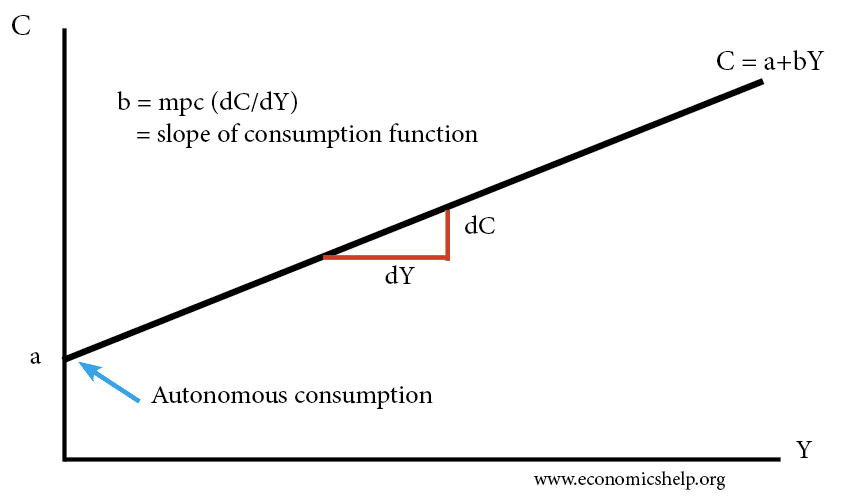
This article explores the dual nature of “MPC” within the financial niche—focusing heavily on the institutional Monetary Policy Committee while also addressing the economic concept of the Marginal Propensity to Consume. Both are vital to understanding how money flows through an economy and how policy decisions impact your personal net worth.
The Role and Function of the Monetary Policy Committee
The Monetary Policy Committee (MPC) is a specialized body within a central bank (such as the Bank of England or the Reserve Bank of India) tasked with managing the nation’s monetary policy. Its primary objective is to maintain economic stability by controlling the supply of money and the cost of borrowing.
Maintaining Price Stability and Inflation Targets
The foremost responsibility of the MPC is to manage inflation. Most central banks operate under a mandate from the government to keep inflation at a specific target, often around 2%. When inflation rises too high, the purchasing power of money erodes, causing uncertainty in the markets and hardship for consumers. The MPC uses its tools to “cool down” the economy when prices rise too quickly. Conversely, if inflation is too low or the economy is stagnant, the MPC acts to stimulate spending.
The Mechanics of Setting Interest Rates
The most visible tool at the MPC’s disposal is the “Bank Rate” or “Base Rate.” This is the interest rate at which the central bank lends money to commercial banks. When the MPC raises this rate, it becomes more expensive for banks to borrow money, a cost that is passed on to consumers and businesses in the form of higher interest rates on loans and credit cards. By adjusting this single lever, the MPC can effectively encourage or discourage spending across the entire country.
Ensuring Economic Growth and Stability
While inflation targeting is the priority, the MPC also considers the broader health of the economy, including employment levels and GDP growth. In times of economic recession, the MPC may choose to lower interest rates to near-zero levels or engage in quantitative easing—injecting money directly into the financial system. These actions are designed to keep businesses afloat and encourage investment when private sector confidence is low.
How the MPC Influences the Broader Financial Ecosystem
The decisions made by the MPC do not exist in a vacuum. They ripple through every sector of the financial market, affecting the strategic decisions of institutional investors and the daily budgets of households.
The Impact on Borrowing and Mortgages
For the average individual, the MPC’s decision to change interest rates is most keenly felt in the housing market. Homeowners with variable-rate or tracker mortgages see immediate changes in their monthly payments following an MPC rate hike. Even those on fixed-rate deals are eventually impacted when they seek to remortgage. By making borrowing more expensive, the MPC intentionally slows down the housing market to prevent asset bubbles and curb excessive consumer debt.
Effects on Savings and Fixed-Income Investments
On the flip side of borrowing is saving. When the MPC raises interest rates, banks typically offer higher returns on savings accounts and Certificates of Deposit (CDs). This provides a boon to retirees and conservative investors who rely on fixed-income streams. However, there is often a lag between an MPC rate hike and a bank increasing its savings rates, whereas loan rates tend to rise almost instantly. Understanding this dynamic allows savvy savers to shop around for the best rates following an MPC announcement.
Currency Valuation and International Trade
The MPC’s decisions also dictate the strength of a nation’s currency on the global stage. Higher interest rates often attract foreign investment, as investors seek the better returns offered by that nation’s bonds and financial products. This increased demand for the currency drives up its value. A stronger currency makes imports cheaper but can make exports more expensive for foreign buyers, impacting the profitability of domestic companies that operate internationally.
The Decision-Making Process: Behind the Closed Doors of the MPC
To the public, an MPC announcement is a single headline, but the process leading up to that moment is rigorous, data-driven, and highly analytical.
Data Analysis and Economic Forecasting
Before every meeting, committee members review a vast array of economic indicators. This includes employment data, consumer spending reports, manufacturing output, and international market trends. They also look at “forward-looking” indicators, such as business confidence surveys and inflation expectations. The goal is to move pre-emptively; since monetary policy changes can take 12 to 18 months to fully filter through the economy, the MPC must act based on where they believe the economy will be in the future, not just where it is today.
The Voting Mechanism and Committee Composition
A typical MPC consists of a mix of internal central bank officials and external experts. This diversity is crucial to prevent “groupthink.” Each member has one vote, and decisions are made by a simple majority. The presence of external members—often respected academics or industry leaders—ensures that the committee considers perspectives outside of the central bank’s institutional framework. This democratic approach lends credibility to the committee’s decisions, signaling to the markets that the policy is balanced and thoroughly debated.
Transparency and the “Minutes” of the Meeting
In the interest of market stability, the MPC operates with a high degree of transparency. Shortly after a rate decision is announced, the committee publishes the “minutes” of the meeting. These documents reveal how each member voted and provide a summary of the arguments for and against the policy change. Investors scrutinize these minutes for “hawkish” (favoring higher rates) or “doveish” (favoring lower rates) signals, using them to predict future policy moves.
Marginal Propensity to Consume (MPC): The Economic Metric Explained
While the “Committee” is the primary definition of MPC in policy circles, in the realm of economic theory and business finance, MPC stands for the Marginal Propensity to Consume. This concept is equally important for understanding the “Money” niche, as it measures how changes in income affect consumer spending.
Defining the Formula and Its Significance
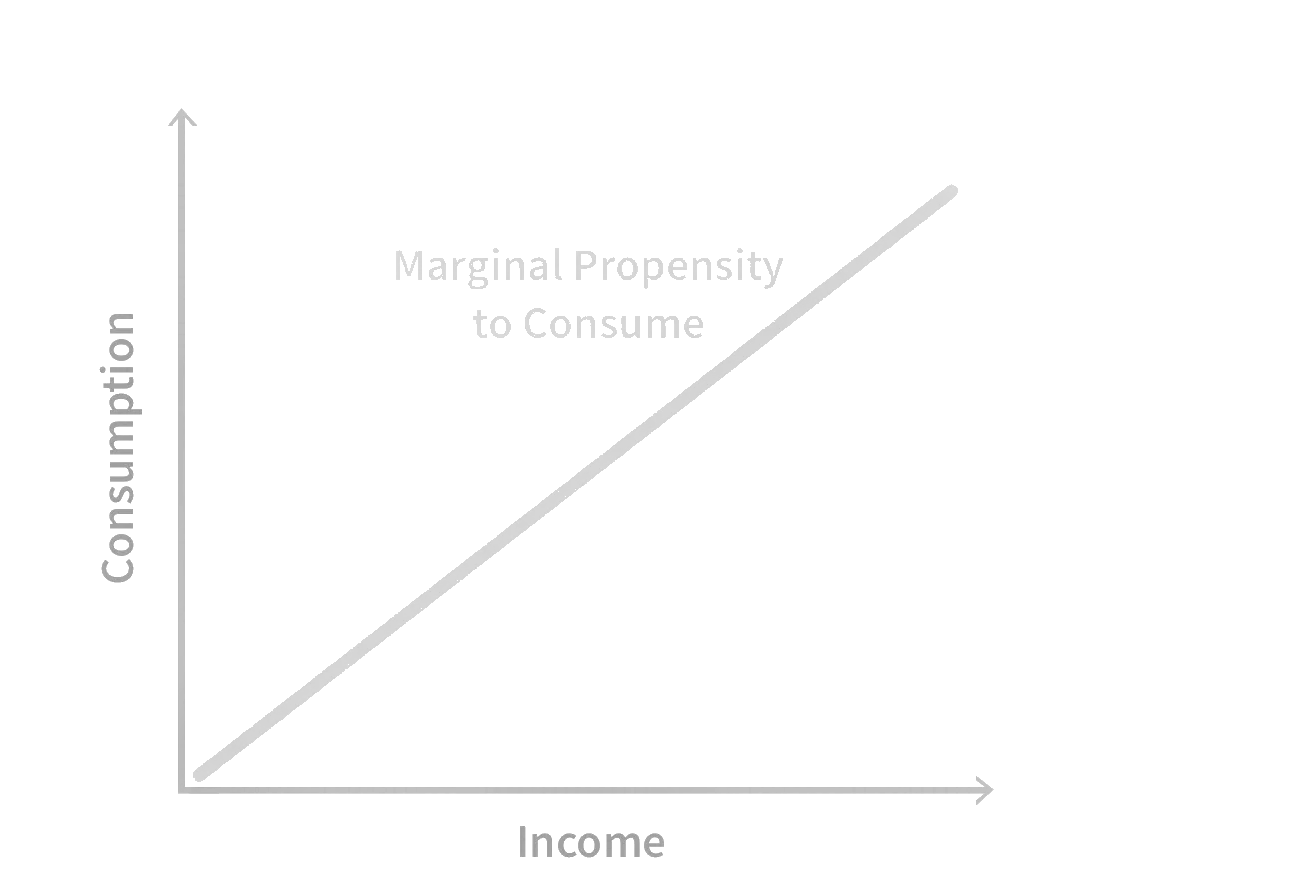
The Marginal Propensity to Consume is the proportion of an aggregate raise in pay that a consumer spends on the consumption of goods and services, as opposed to saving it. The formula is simple: Change in Consumption divided by Change in Income. For example, if you receive a $1,000 bonus and spend $800 of it, your MPC is 0.8. This metric is vital for businesses and governments because it helps predict how tax cuts or stimulus checks will actually translate into economic activity.
How Consumer Behavior Drives the Multiplier Effect
The MPC is a core component of the “Keynesian Multiplier.” The idea is that one person’s spending becomes another person’s income. If the national MPC is high, money circulates rapidly through the economy, creating a multiplier effect where a small increase in government spending leads to a much larger increase in total GDP. For investors, a high national MPC indicates a consumer-driven economy where retail, leisure, and service sectors are likely to thrive.
Navigating Your Personal Finances in Response to MPC Decisions
Understanding the MPC—both the committee and the economic principle—allows you to make more informed decisions regarding your portfolio and debt management.
Investment Strategies for High-Interest Environments
When the Monetary Policy Committee enters a “tightening” cycle (raising rates), the investment landscape shifts. Growth stocks, particularly in the tech sector, often face headwinds because their future earnings are discounted at a higher rate. Conversely, value stocks, financial institutions, and “cash-rich” companies may perform better. For a personal investor, shifting a portion of a portfolio toward shorter-duration bonds or high-yield savings vehicles can mitigate the risks associated with rising rates.
Managing Debt During Policy Shifts
If the MPC signals that inflation is persistent, further rate hikes are likely. In this environment, the most prudent financial move is to consolidate high-interest debt into fixed-rate loans before rates climb further. For business owners, this might mean securing long-term financing now rather than relying on floating-rate lines of credit. By staying ahead of the MPC’s calendar, you can lock in lower borrowing costs and protect your cash flow from the volatility of central bank policy.
In conclusion, the MPC is the heartbeat of the modern financial system. Whether viewed as the committee that sets the price of money or the economic ratio that defines consumer behavior, the MPC dictates the flow of capital across the globe. By keeping a close eye on committee announcements and understanding the underlying mechanics of consumption, you can better position your finances to weather economic shifts and capitalize on new opportunities in the market.
aViewFromTheCave is a participant in the Amazon Services LLC Associates Program, an affiliate advertising program designed to provide a means for sites to earn advertising fees by advertising and linking to Amazon.com. Amazon, the Amazon logo, AmazonSupply, and the AmazonSupply logo are trademarks of Amazon.com, Inc. or its affiliates. As an Amazon Associate we earn affiliate commissions from qualifying purchases.