
At first glance, Tim Burton and Henry Selick’s 1993 masterpiece, The Nightmare Before Christmas, is a stop-motion animated film about Jack Skellington, the Pumpkin King of Halloween Town, who becomes obsessed with Christmas. However, when viewed through the lens of brand strategy and corporate identity, the film represents one of the most successful examples of long-term brand building and niche market integration in cinematic history. What began as a perceived “brand risk” for The Walt Disney Company has evolved into a multi-billion dollar intellectual property (IP) that defies the traditional limitations of seasonal marketing.

The Anatomy of a Niche Brand Identity
The core of The Nightmare Before Christmas lies in its distinctive visual and thematic identity. Unlike the polished, bright aesthetics typically associated with early 1990s animation, this film introduced a “Gothic Whimsy” that carved out an entirely new aesthetic niche.
Transgressing Traditional Holiday Boundaries
Most brands suffer from seasonal obsolescence; a Christmas product struggles in July, and a Halloween product is irrelevant by November. Jack Skellington’s story is fundamentally about a “brand pivot.” By attempting to merge the aesthetics of Halloween with the mechanics of Christmas, the film created a “dual-seasonality” that allows it to remain relevant for a full quarter of the fiscal year. This unique positioning ensures that the brand does not compete for a single moment in time but rather bridges two of the most lucrative consumer periods.
The Visual Aesthetic as a Unique Value Proposition (UVP)
The “Burtonesque” style—characterized by sharp angles, high-contrast lighting, and macabre yet endearing character designs—serves as a powerful Unique Value Proposition. In branding, a strong UVP makes a product instantly recognizable without a logo. The silhouette of Jack Skellington or the curly peak of Spiral Hill is as recognizable to its target demographic as the Nike Swoosh is to athletes. This visual shorthand allowed the film to transition from a movie to a lifestyle brand, appealing to a consumer base that prioritizes individualistic and “alternative” aesthetics.
Strategic Market Positioning and the “Cult to Corporate” Pipeline
The history of how The Nightmare Before Christmas was brought to market is a masterclass in risk management and brand association. Originally, Disney was concerned that the film’s dark tone would damage the core “family-friendly” Disney brand.
From Touchstone to Disney: Navigating Brand Association
When the film was released in 1993, Disney made the strategic decision to release it under their Touchstone Pictures banner. This was a deliberate attempt at brand decoupling—protecting the parent company from potential backlash while testing the waters of a darker market segment. However, as the film’s brand equity grew through home video and cable television, Disney recognized the strength of its “cult” following. Eventually, the film was officially re-branded as a “Disney” property, proving that a niche brand can eventually be integrated into a mainstream corporate identity if its community loyalty is strong enough.
Capturing the Alternative Consumer Demographic
The film’s primary success lies in its ability to capture the “alternative” consumer. In the late 90s and early 2000s, retailers like Hot Topic leveraged The Nightmare Before Christmas to anchor their brand identity. By catering to a demographic that felt excluded by traditional “bright and sunny” Disney marketing, the film built a fierce brand loyalty. This is a classic example of “under-marketing”—where a brand gains value because it feels “discovered” by its audience rather than forced upon them by a corporate entity.
The Merchandising Engine: Leveraging IP for Year-Round Revenue
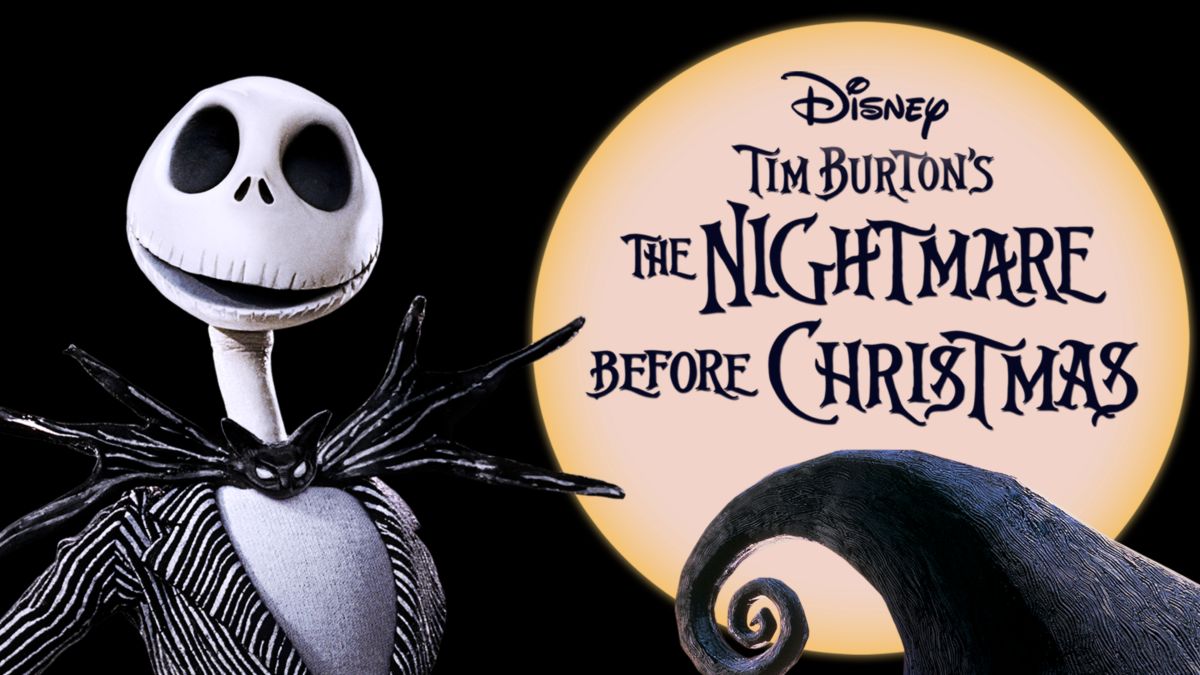
The true measure of a brand’s strength is its ability to generate revenue beyond its initial product. The Nightmare Before Christmas has become a merchandising juggernaut that generates hundreds of millions in annual revenue through clever licensing and product diversification.
The “Holiday Crossover” Strategy
The brilliance of the film’s narrative—Jack Skellington’s failed attempt to run Christmas—provides a literal roadmap for merchandising. Disney’s marketing department utilizes the “Sandy Claws” motif to sell products that fit both the spooky and festive categories. This “Holiday Crossover” strategy doubles the shelf-life of the inventory. For a retailer, this reduces the risk of dead stock, as the products remain culturally relevant from September through late December.
Collaborations and Licensing as Brand Expansion Tools
The brand’s expansion has been fueled by strategic collaborations. From high-end fashion houses to mass-market toy manufacturers, the Jack Skellington IP is incredibly versatile. By licensing the characters to brands like Vans, Funko, and Sephora, Disney ensures that the IP stays fresh and reaches different consumer “verticals.” Each collaboration serves as a brand touchpoint, reinforcing the film’s relevance to new generations who may not have even seen the original movie in theaters.
Brand Equity and the Power of Nostalgia
Longevity in branding is often the result of “Nostalgia Equity.” For many millennials and Gen Z consumers, The Nightmare Before Christmas is a foundational part of their childhood identity.
Building a Multi-Generational Legacy
Disney has been meticulous in maintaining the film’s brand equity by avoiding a poorly received sequel, which often dilutes the value of an original IP. Instead, they have focused on “brand reinforcement” through 3D re-releases, live-to-film concerts at the Hollywood Bowl, and constant social media engagement. This approach keeps the brand “premium” rather than “exhausted.” By treating the film as a classic work of art rather than a disposable piece of content, they have ensured that parents who loved the film in the 90s are now introducing it to their children as a “rite of passage” brand.
Theme Park Integration and Experience-Based Branding
One of the most effective ways Disney maintains the film’s brand presence is through the “Haunted Mansion Holiday” overlay at Disneyland. By rebranding a core park attraction with The Nightmare Before Christmas characters for several months a year, Disney transforms a digital or cinematic brand into a physical, immersive experience. This “Experience-Based Branding” creates deep emotional connections with consumers. When a customer walks through a physical manifestation of Halloween Town, their brand loyalty is cemented in a way that traditional advertising cannot achieve.

Conclusion: The Ultimate Brand Pivot
When we ask “what is the movie The Nightmare Before Christmas about,” the narrative answer is a story of a skeleton finding his true purpose. However, the business answer is that it is a story about the power of a distinct brand identity to disrupt traditional market cycles.
The film teaches us that:
-
Authenticity drives loyalty: The film’s refusal to conform to 90s animation norms created a “cult” status that eventually became “culture.”
-
Strategic positioning is key: By occupying the space between two holidays, the brand maximized its annual visibility.
-
Brand protection matters: Disney’s careful management of the IP—choosing high-quality collaborations over endless sequels—has preserved its premium status for over thirty years.
Ultimately, The Nightmare Before Christmas is more than a film; it is a masterclass in brand strategy. It proves that even the most “niche” or “dark” idea can become a global powerhouse if it possesses a clear visual identity, targets an underserved demographic, and is managed with long-term brand equity in mind. Jack Skellington may have failed at being Santa Claus, but as a brand ambassador, he is peerless.
aViewFromTheCave is a participant in the Amazon Services LLC Associates Program, an affiliate advertising program designed to provide a means for sites to earn advertising fees by advertising and linking to Amazon.com. Amazon, the Amazon logo, AmazonSupply, and the AmazonSupply logo are trademarks of Amazon.com, Inc. or its affiliates. As an Amazon Associate we earn affiliate commissions from qualifying purchases.