
In the landscape of modern cinema, few films offer as chilling or as precise a look at the mechanics of personal branding and corporate identity as Dan Gilroy’s Nightcrawler. While the surface-level narrative follows Louis Bloom, a socially detached scavenger who stumbles into the world of freelance crime journalism in Los Angeles, the underlying engine of the story is a masterclass in aggressive brand positioning. To understand what the movie Nightcrawler is about from a strategic perspective, one must look past the neon-soaked streets and focus on the cold, calculated construction of a business empire built on the most primal of market demands: fear.
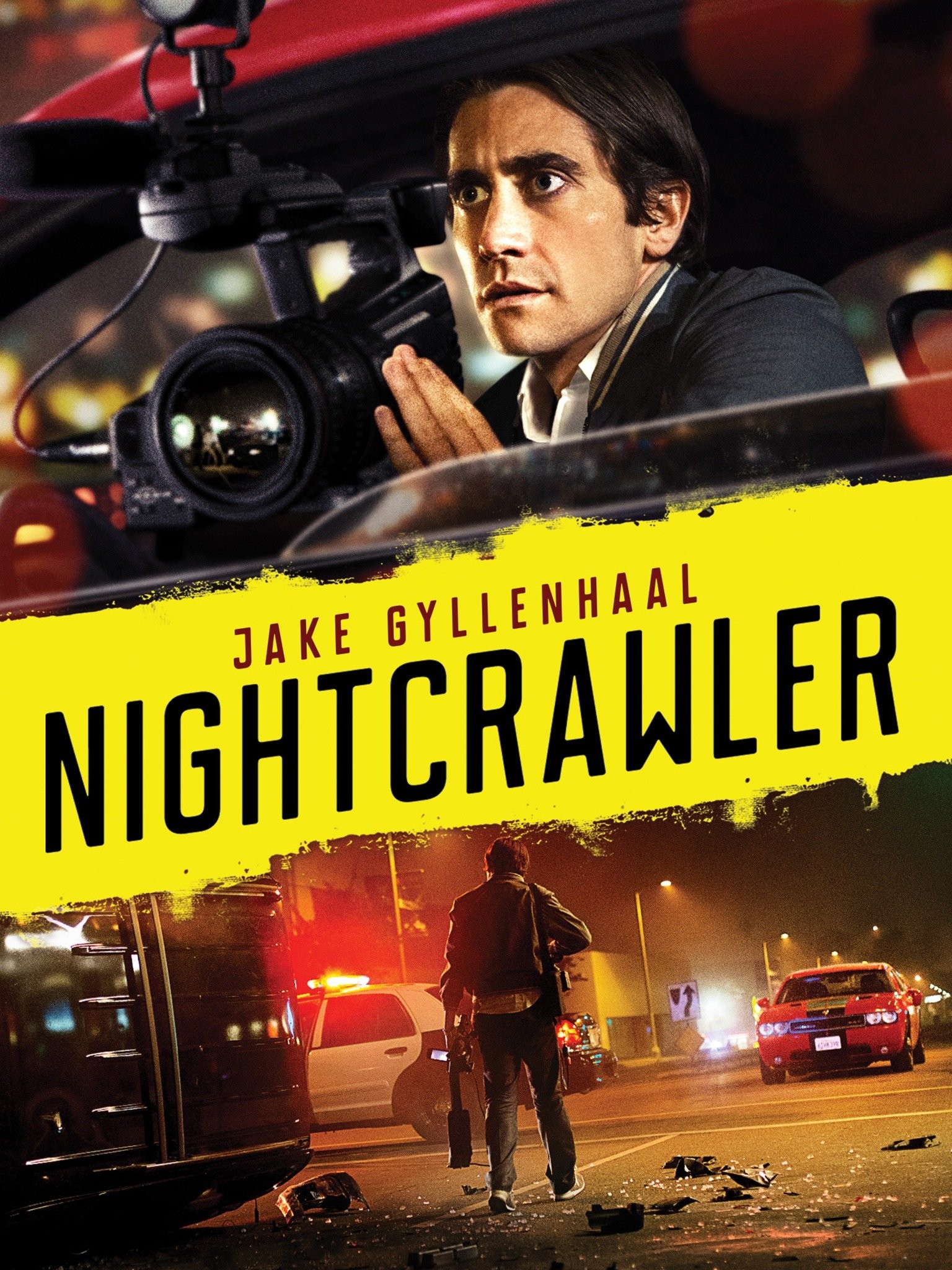
Lou Bloom is not merely a protagonist; he is a brand architect. He represents the logical—if sociopathic—extreme of the “self-made” entrepreneur who uses the language of corporate strategy to justify the erosion of ethical boundaries. This analysis explores how Nightcrawler serves as a case study for brand development, market differentiation, and the dangerous intersection of personal identity and professional utility.
Identifying the Market Gap: How Louis Bloom Positioned a New Personal Brand
Every successful brand begins with the identification of an unmet need in the marketplace. In Nightcrawler, Louis Bloom enters the workforce with zero capital, zero connections, and no formal education. However, he possesses an acute ability to synthesize information and identify a “Blue Ocean” strategy—finding a market space where competition is irrelevant or can be bypassed through sheer audacity.
Analyzing the Untapped Niche of Night Journalism
Bloom discovers the world of “stringers”—independent videographers who race to the scenes of accidents, fires, and murders to sell footage to local news stations. He quickly realizes that the existing players are disorganized and bound by a traditional sense of “the job.” Bloom identifies a gap: the demand for increasingly graphic, “narrative-driven” news footage that traditional journalists are often too ethical or too slow to capture. By positioning himself as a provider of “exclusive” and “intimate” visual content, he moves from being a participant in the market to a market leader.
Value Proposition: Delivering What the Consumer Desires
A brand’s value proposition is a promise of value to be delivered. Bloom’s value proposition to the news director, Nina Romina, is simple: he will provide the footage that ensures her ratings rise. He understands that her “pain point” is the constant pressure for viewership in a dying medium. By aligning his brand output with her specific needs—specifically, “urban crime creeping into the suburbs”—he ensures his brand becomes indispensable. He isn’t just selling video; he is selling the “product” of fear, which is the most high-margin commodity in the news industry.
Building a Corporate Identity from Scratch: The “Video Production News” Strategy
In the world of branding, perception is reality. Louis Bloom understands that his personal brand must eventually transition into a corporate identity to achieve scale and legitimacy. He creates “Video Production News” (VPN), a name that sounds institutional, authoritative, and stable, despite the fact that it initially consists of one man, a cheap camcorder, and a stolen bike.
Professionalism as a Facade: The Power of Semantics
One of the most striking aspects of Bloom’s branding strategy is his use of corporate jargon. He speaks in the language of business seminars and self-help books. He discusses “career paths,” “standard operating procedures,” and “performance reviews.” This is a calculated branding move designed to mask his status as a social pariah. By adopting the lexicon of a high-level executive, he forces others to treat him as a peer. This linguistic branding allows him to negotiate from a position of perceived power, even when he has none.
Scaling the Operation: Recruitment and Asset Management
As VPN grows, Bloom recognizes the need for expansion. He hires Rick, a desperate “intern” who represents the brand’s first foray into human resource management. Bloom’s approach to Rick is a dark reflection of modern corporate onboarding. He offers a “trial period,” sets clear (if impossible) KPIs, and uses the promise of “growth opportunities” to keep labor costs low. From a brand management perspective, Bloom is ensuring that his corporate identity remains lean and agile, allowing him to reinvest his “profits” into better equipment—high-end cameras and a faster car—which further reinforces the brand’s competitive advantage.

Strategic Negotiation: Leveraging Brand Value for Market Dominance
As the film progresses, the movie moves from a story of survival to a story of dominance. The turning point occurs when Bloom realizes that his brand, Video Production News, holds the ultimate leverage over his primary client, the news station KWLA. This is a classic lesson in brand equity and price elasticity.
The Power of Exclusive Content
When Bloom captures footage of a triple homicide in a wealthy neighborhood, he possesses a unique asset. He understands that the “brand value” of this footage is astronomical because it is irreplaceable. During the negotiation scene with Nina, he doesn’t just ask for more money; he demands a seat at the table. He insists on “proper credit” for his brand and a change in the way his “firm” is treated. This is the moment where the personal brand of Lou Bloom fully integrates into the infrastructure of the news media, proving that when a brand controls the supply of a high-demand resource, it can dictate the terms of the entire market.
Maintaining the Narrative: Controlling the Audience’s Perception
Bloom doesn’t just record the news; he begins to edit and stage it. In branding terms, this is “narrative control.” By moving bodies at a crash site or entering a crime scene before the police arrive to get a better “angle,” he is curating the brand experience for the end viewer. He understands that the “truth” is less important than the “story.” This reflects a cynical but effective branding truth: the most successful brands are those that can craft a compelling, consistent narrative that resonates emotionally with the target audience, regardless of the underlying reality.
Ethical Boundaries in Brand Growth: The Dangers of “Whatever it Takes” Branding
The central conflict of Nightcrawler—and what makes it a profound commentary on modern business—is the total absence of a “Corporate Social Responsibility” (CSR) framework. Bloom operates in a vacuum of ethics, where the only metric of success is the growth of the brand.
The Dangers of “Black Hat” Personal Branding
In the world of digital marketing, “Black Hat” techniques are those that break the rules to achieve high rankings or quick results. Lou Bloom is the embodiment of a Black Hat brand. He sabotages his competitors (literally cutting the brake lines of a rival stringer) and manipulates his “employees” to the point of endangerment. While these tactics lead to rapid brand growth and market dominance, the movie asks the audience to consider the cost of such a strategy. Is a brand successful if its very existence is predicated on the destruction of others?
The Brand as a Mirror of the Market
Ultimately, the movie suggests that the Louis Bloom brand only exists because the market allows it to. The news station, the viewers, and the broader economic system all provide the “demand” that his brand “supplies.” From a Brand Strategy perspective, Lou is a perfect reflection of his environment. He is the ultimate “lean startup,” a brand that has trimmed away all “excess” (empathy, morality, law-abiding behavior) to become a pure, high-performance engine of profit.

Conclusion: The Legacy of Video Production News
What is the movie Nightcrawler about? From the perspective of brand strategy, it is a haunting exploration of the logical conclusion of the “hustle culture” and the “personal branding” movement. It shows how an individual can use the tools of marketing, corporate language, and market analysis to build an empire out of the shadows.
Louis Bloom ends the film not as a criminal in handcuffs, but as a CEO with a fleet of vans and a fresh crop of interns. His brand, Video Production News, has successfully scaled. He has moved from a “side hustle” to a “corporate identity,” proving that in a market that prioritizes visual impact and sensationalism over ethics, the most ruthless brand will always win.
Nightcrawler serves as a warning to modern professionals: while the tools of branding and strategy are powerful, they are also agnostic. They can be used to build a brand that adds value to society, or they can be used to build a “Lou Bloom”—a brand that thrives on the chaos it purports to merely observe. As we navigate our own careers and personal brands, the film forces us to ask: what are we willing to “record” in the pursuit of our own market dominance?
aViewFromTheCave is a participant in the Amazon Services LLC Associates Program, an affiliate advertising program designed to provide a means for sites to earn advertising fees by advertising and linking to Amazon.com. Amazon, the Amazon logo, AmazonSupply, and the AmazonSupply logo are trademarks of Amazon.com, Inc. or its affiliates. As an Amazon Associate we earn affiliate commissions from qualifying purchases.